

Humidity Damage to PC Components: Recovery Guide
Humidity Damage to PC Components: Recovery Guide. Everything you need to know with SA pricing, step-by-step instructions & expert recommendations.
Read moreCardioid vs omnidirectional microphones for streaming: choose the right pickup pattern to cut background noise, keep vocals clear, and improve voice chat. 🎙️ Compare key differences fast and find your best match. ✅
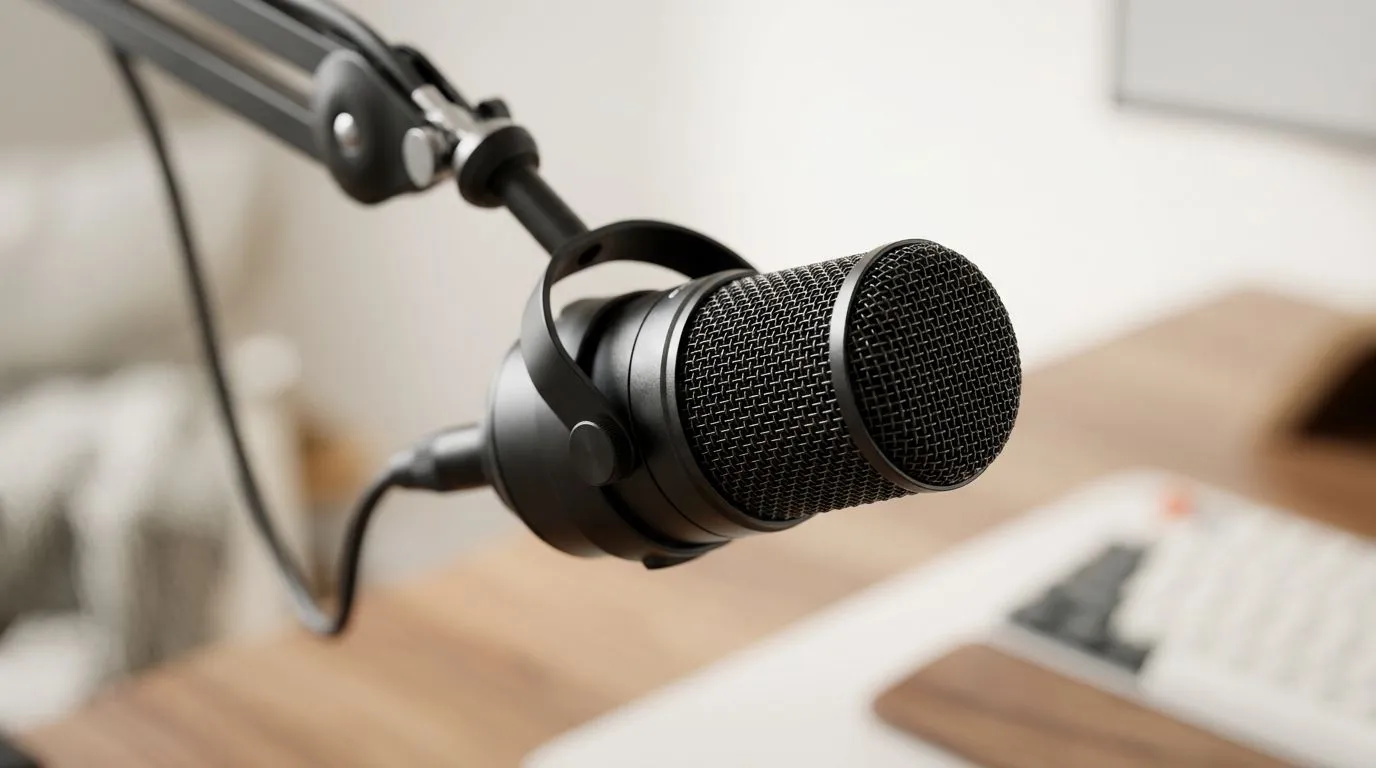
If you’re diving into the streaming scene in South Africa, choosing the right microphone can be as critical as picking your GPU or monitor. Whether you're tackling a heated CS:GO match or chatting to your Twitch crowd, your mic shapes how your voice cuts through the digital noise. Cardioid vs omnidirectional microphones for streaming—is one clearly better for local gamers and creators? Let’s unpack the real differences to amplify your stream’s sound without breaking the bank.
Cardioid microphones capture sound mostly from the front. That means background noise, like your PC's fan or neighbour’s music, gets muffled. This directional pickup helps South African streamers living in shared spaces or flat complexes control their stream’s audio clarity. Streaming essentials from Evetech, including the highly rated Corsair streaming gear, often feature cardioid mics for this reason.
They’re perfect for solo streamers who want to focus purely on their voice. Less ambient noise means clearer communication with your audience. Plus, cardioid mics reduce unwanted echoes in rooms that aren’t soundproofed—a must-have in many South African home setups.
Omnidirectional microphones pick up sound from all directions. That might sound noisy, but it’s actually ideal for podcasts, group streams, or when you record conversations with friends locally. If your streaming setup includes multiple crew members or you host chatty sessions, an omnidirectional mic captures every voice evenly.
For streamers experimenting with ambient lighting and home aesthetics, combo setups like those offered alongside Cololight streaming accessories help balance visual and audio vibes flawlessly.
Because omnidirectional mics grab all sounds, you need a quiet environment. South African gamers in busy households or noisy neighbourhoods might struggle with this, though good positioning and acoustic treatments can help.
Audio quality depends as much on your environment as mic type. Cardioid microphones thrive in messy, noisy setups common in many SA bedrooms and flats. Omnidirectional can deliver richer sound for more controlled, dedicated spaces.
Plus, don’t forget your webcam’s audio quality. Combining your mic with a reliable camera improves overall production. Check out Evetech’s curated webcam range perfect for South African streamers.
Place a cardioid mic close (15-20 cm) to your mouth and turn off noisy electronics nearby to cut background noise.
Choosing the right mic and stream gear means better viewer engagement and less frustrating audio editing later. South African streamers can find bespoke tech gear adapted for local needs on Evetech’s platform. From the latest cardioid mics to omnidirectional setups perfect for podcasts, everything you need is just a click away: check out their full streaming essentials selection.
Enhance Your Stream Audio Today Don’t settle for average sound—Shop now at Evetech for performance that leaves lag in the dust.
For most streamers, cardioid is better because it rejects more room noise and focuses on your voice, improving clarity in typical home setups.
Choose omnidirectional if multiple people share the mic or you need consistent pickup from all directions, and your room background is quiet.
Yes. Cardioid pickup patterns reject sound from the rear more strongly, which helps reduce keyboard, fan, and room echo in streaming.
They can capture more of the room, so they may feel louder while also picking up more noise and reflections, lowering voice intelligibility.
Often yes. Cardioid helps keep your speech prominent while minimizing off-axis noise, making it a reliable choice for voice chat.
Mic sensitivity, placement, audio interface/gain settings, and room acoustics matter a lot—pickup pattern just sets the directionality baseline.
Aim the mic toward your mouth and keep it consistent at a short distance; this maximizes direct sound and minimizes rear pickup.
Yes. If you move frequently, omnidirectional can stay consistent, while cardioid may require better positioning to avoid volume dips.
Humidity Damage to PC Components: Recovery Guide. Everything you need to know with SA pricing, step-by-step instructions & expert recommendations.
Read more
Gamer Spending Trends April : Complete Setups. Clear setup instructions with SA-specific considerations, troubleshooting tips & recommended components.
Read more
Setting Up DDR5 32GB Kit. Tested & verified settings for best FPS and visual quality on SA hardware budgets.
Read more
Tech Setup Guide for SPU Res Students. Clear setup instructions with SA-specific considerations, troubleshooting tips & recommended components.
Read more
Monster Hunter Wilds Ultrawide Support: 21:9 and. Clear setup instructions with SA-specific considerations, troubleshooting tips & recommended components.
Read more
Apple iPad Durability Guide: Cases, Screen. Practical breakdown of costs, regulations & whether it makes financial sense for SA buyers.
Read more
AMD RX 9050 XT: Rumoured Specs, Price & Release. SA-focused analysis with local pricing data, real-world insights & actionable buying advice.
Can RTX 4080 Super Run AI Workloads for SA Developers Detailed answer with SA data, expert analysis & practical recommendations for local buyers.
Can RTX 4090 Run AI Workloads for SA Developers Detailed answer with SA data, expert analysis & practical recommendations for local buyers.
Top Settings for Intel Arc B580 at Ultrawide 1440p picks evaluated on performance, value & SA availability with current Rand pricing from Evetech.

RTX 4060 CS2 Low Settings at 1080p: FPS Results. Real-world benchmark data, FPS numbers & performance analysis. What SA gamers can actually expect.
Visual Artifacts: Possible GPU Issue Issue #1. Diagnosis steps, proven fixes & when to seek professional help. SA-specific support info included.
Can the RTX 4090 Handle 1440p 144Hz Gaming. Performance testing verdict with real data & practical recommendations for SA buyers.
Top ASUS GPU Under R15000 picks evaluated on performance, value & SA availability with current Rand pricing from Evetech.
GTA 6 Max Settings on RTX 5070. Tested & verified settings for best FPS and visual quality on SA hardware budgets.
Cyberpunk 2077 Max Settings on RTX 5080. Tested & verified settings for best FPS and visual quality on SA hardware budgets.
Starfield Max Settings on RTX 5070 Ti. Tested & verified settings for best FPS and visual quality on SA hardware budgets.
Top RTX 5090 Under R5000 picks evaluated on performance, value & SA availability with current Rand pricing from Evetech.