

Humidity Damage to PC Components: Recovery Guide
Humidity Damage to PC Components: Recovery Guide. Everything you need to know with SA pricing, step-by-step instructions & expert recommendations.
Read moreGTG response time vs input lag: learn how grey-to-grey transitions, input delay, and refresh rate impact gameplay and monitor choice. Get testing tips and quick fixes 🎮⚡
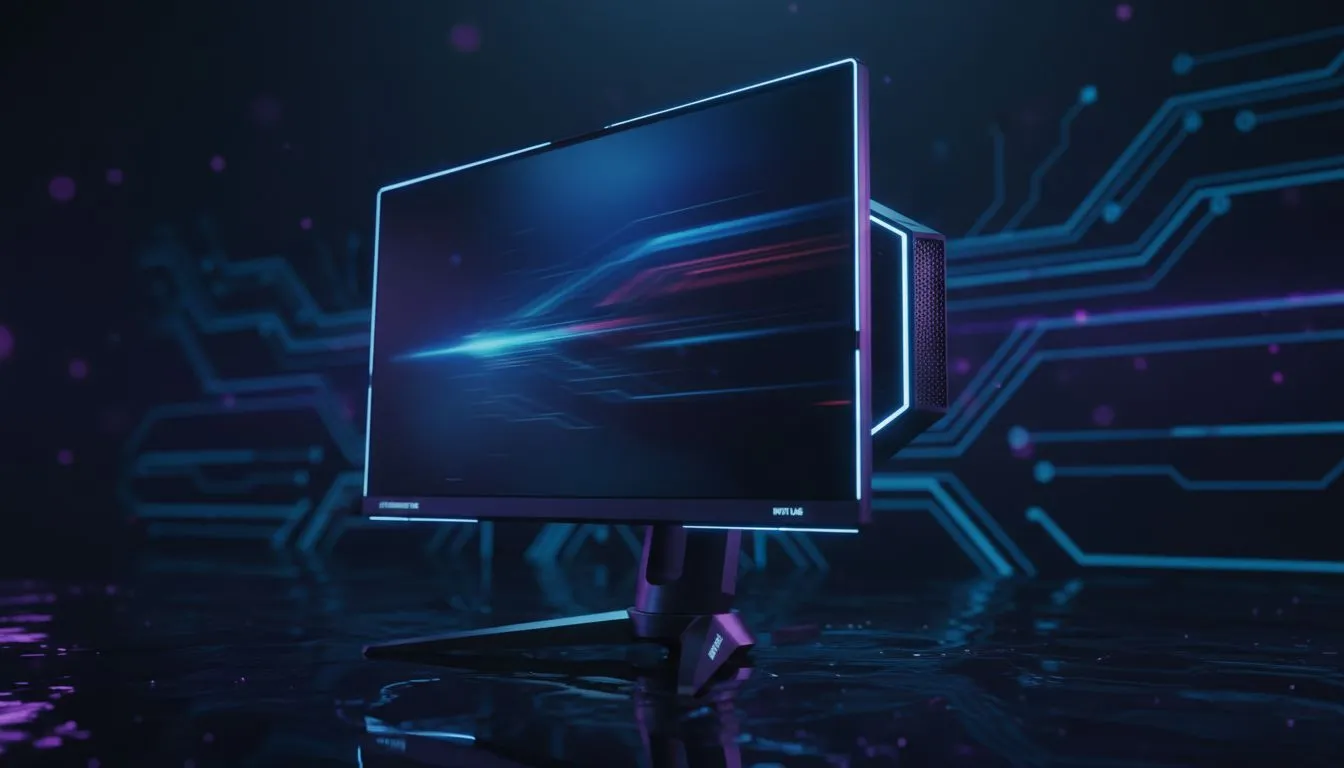
Ever felt like your crosshair is dragging slightly behind your actual hand movement while playing CS2 or Valorant? You might be confusing GTG response time with input lag. Understanding GTG Response Time vs Input Lag: What Gamers Must Know is vital for any South African gamer looking to upgrade their setup. Let's break down these specs so you don't waste your hard-earned Rands on the wrong hardware. ⚡
When you browse the massive selection of pc monitors at Evetech, these two numbers often get lumped together. However, they affect your gaming experience in completely different ways. One dictates how clear the image looks... the other dictates how the game "feels" to play.
GTG stands for "Grey-to-Grey". It measures how long it takes a single pixel to change from one shade of grey to another. If this process is too slow, you will see "ghosting" or motion blur. Fast-paced shooters require low GTG numbers to keep the image crisp during high-speed turns.
Many modern IPS panels now offer 1ms GTG speeds. This allows for incredible colour accuracy without the blurring issues that used to plague older screen technologies. Whether you prefer flat monitors for productivity or immersive curved monitors for racing sims, a low GTG ensures every frame is rendered with precision.
To truly minimise perceived blur, look for monitors with "Motion Blur Reduction" or "Strobe" settings. These pulse the backlight to clear the "retinal persistence" that happens when your eyes track moving objects on a screen. Just be aware that this usually lowers the overall brightness of your display.
While GTG handles visual clarity, input lag is the total delay between your physical action and the result appearing on screen. This includes the time it takes for your PC to process the click, the cable to send the signal, and the monitor's internal electronics to display the frame.
High input lag makes a game feel "heavy" or unresponsive. Even if your monitor has a 1ms GTG response time, high internal processing delay can ruin your competitive edge. To combat this, manufacturers integrate technologies like Adaptive Sync to synchronise the display with your GPU output.
If you are using an AMD graphics card, look for displays featuring FreeSync (AMD). Similarly, NVIDIA users should prioritise G-Sync (NVIDIA) compatible screens. These technologies help reduce tearing and stuttering... which indirectly improves the consistency of your input latency. 🚀
In South Africa, we often have to balance performance with price. You don't always need the most expensive 360Hz display to enjoy a smooth experience. A high-quality 144Hz or 165Hz screen with a low GTG and minimal processing lag will satisfy 90% of gamers. Focus on the panel quality and the sync technology that matches your GPU. This ensures your investment provides a tangible boost to your K/D ratio rather than just being a fancy number on a spec sheet. 🔧
Ready to Find Your Perfect Match? Understanding display specs is the first step to victory. For the best deals on high-performance displays in South Africa, we have you covered. Explore our massive range of gaming monitors and find the perfect machine to conquer your world.
GTG response time measures how fast a pixel shifts between grey shades. It reflects pixel transition speed, not overall input delay.
Input lag is total delay from your input to on-screen action. GTG is only pixel transition time; both influence perceived latency.
No. Lower GTG reduces motion blur, but input lag also depends on scaler, GPU, and refresh rate, so both matter.
Use lab measurements, high-speed camera tests, or trusted reviews that list GTG ms and independent input lag results.
Aim for GTG ≤5ms and input lag below 10–20ms for competitive play; casual gamers can accept slightly higher numbers.
Overdrive can lower GTG but may cause overshoot. Adaptive sync reduces tearing and perceived lag but doesn't change raw GTG.
Prioritize low input lag and high refresh rate first, then check GTG to avoid blur—especially for FPS and fast-action titles.
Humidity Damage to PC Components: Recovery Guide. Everything you need to know with SA pricing, step-by-step instructions & expert recommendations.
Read more
Gamer Spending Trends April : Complete Setups. Clear setup instructions with SA-specific considerations, troubleshooting tips & recommended components.
Read more
Setting Up DDR5 32GB Kit. Tested & verified settings for best FPS and visual quality on SA hardware budgets.
Read more
Tech Setup Guide for SPU Res Students. Clear setup instructions with SA-specific considerations, troubleshooting tips & recommended components.
Read more
Monster Hunter Wilds Ultrawide Support: 21:9 and. Clear setup instructions with SA-specific considerations, troubleshooting tips & recommended components.
Read more
Apple iPad Durability Guide: Cases, Screen. Practical breakdown of costs, regulations & whether it makes financial sense for SA buyers.
Read more
AMD RX 9050 XT: Rumoured Specs, Price & Release. SA-focused analysis with local pricing data, real-world insights & actionable buying advice.
Can RTX 4080 Super Run AI Workloads for SA Developers Detailed answer with SA data, expert analysis & practical recommendations for local buyers.
Can RTX 4090 Run AI Workloads for SA Developers Detailed answer with SA data, expert analysis & practical recommendations for local buyers.
Top Settings for Intel Arc B580 at Ultrawide 1440p picks evaluated on performance, value & SA availability with current Rand pricing from Evetech.
RTX 4060 CS2 Low Settings at 1080p: FPS Results. Real-world benchmark data, FPS numbers & performance analysis. What SA gamers can actually expect.
Visual Artifacts: Possible GPU Issue Issue #1. Diagnosis steps, proven fixes & when to seek professional help. SA-specific support info included.
Can the RTX 4090 Handle 1440p 144Hz Gaming. Performance testing verdict with real data & practical recommendations for SA buyers.
Top ASUS GPU Under R15000 picks evaluated on performance, value & SA availability with current Rand pricing from Evetech.
GTA 6 Max Settings on RTX 5070. Tested & verified settings for best FPS and visual quality on SA hardware budgets.
Cyberpunk 2077 Max Settings on RTX 5080. Tested & verified settings for best FPS and visual quality on SA hardware budgets.
Starfield Max Settings on RTX 5070 Ti. Tested & verified settings for best FPS and visual quality on SA hardware budgets.
Top RTX 5090 Under R5000 picks evaluated on performance, value & SA availability with current Rand pricing from Evetech.