Build a Gaming PC for Horror Games: Parts & Tips
- Parts & budget - Performance tuning - Visual & audio setup - VR and settings Build a gaming PC for horror games: part picks, silent cooling, audio tips, and settings to maximize atmosphere and framerate 👻🔊
|
Loading tags...
You know the feeling. The house is quiet, the lights are off, and you’re deep in Resident Evil Village. A floorboard creaks upstairs. Is it the game… or something else? 👻 A truly terrifying horror experience depends on total immersion, and nothing shatters that faster than a stuttering frame rate or a noisy PC. To get the most out of every jump scare, you need to build a gaming PC specifically for horror games. Let's dive in.
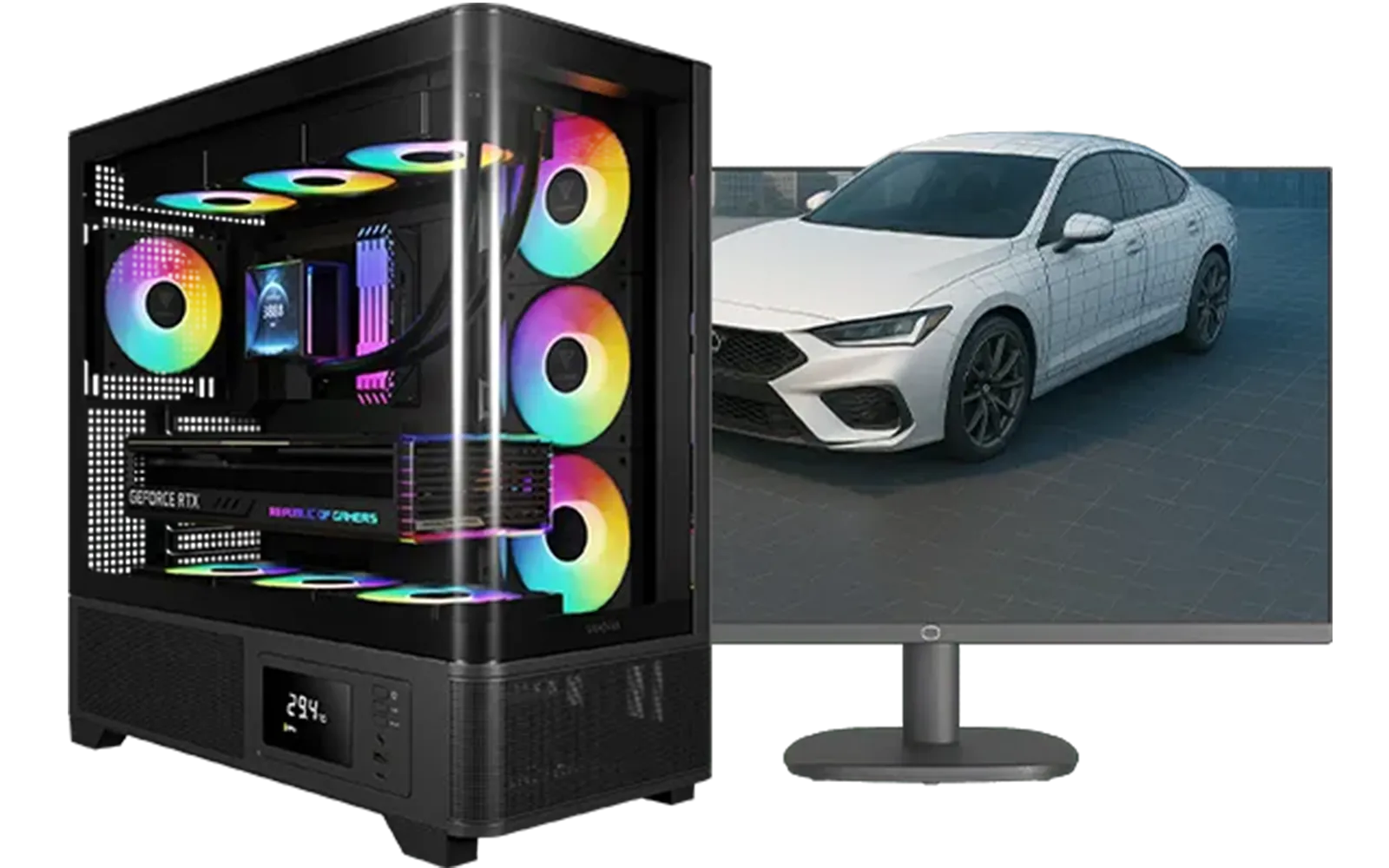
Intel Core Ultra 7 265K RTX Pro 4500 DDR5 Workstation PC
R77909.00In Stock
![[Pre Built] AMD Ryzen 7 9800X3D RX 9070 XT Gaming PC](https://img.evetech.co.za/repository/ProductImages/ryzen-7-9800-x-3-d-rx-9070-xt-gaming-pc-48-gb-2-tb-nvme-main-1600px-v1.webp)
[Pre Built] AMD Ryzen 7 9800X3D RX 9070 XT Gaming PC
R69299.00In Stock
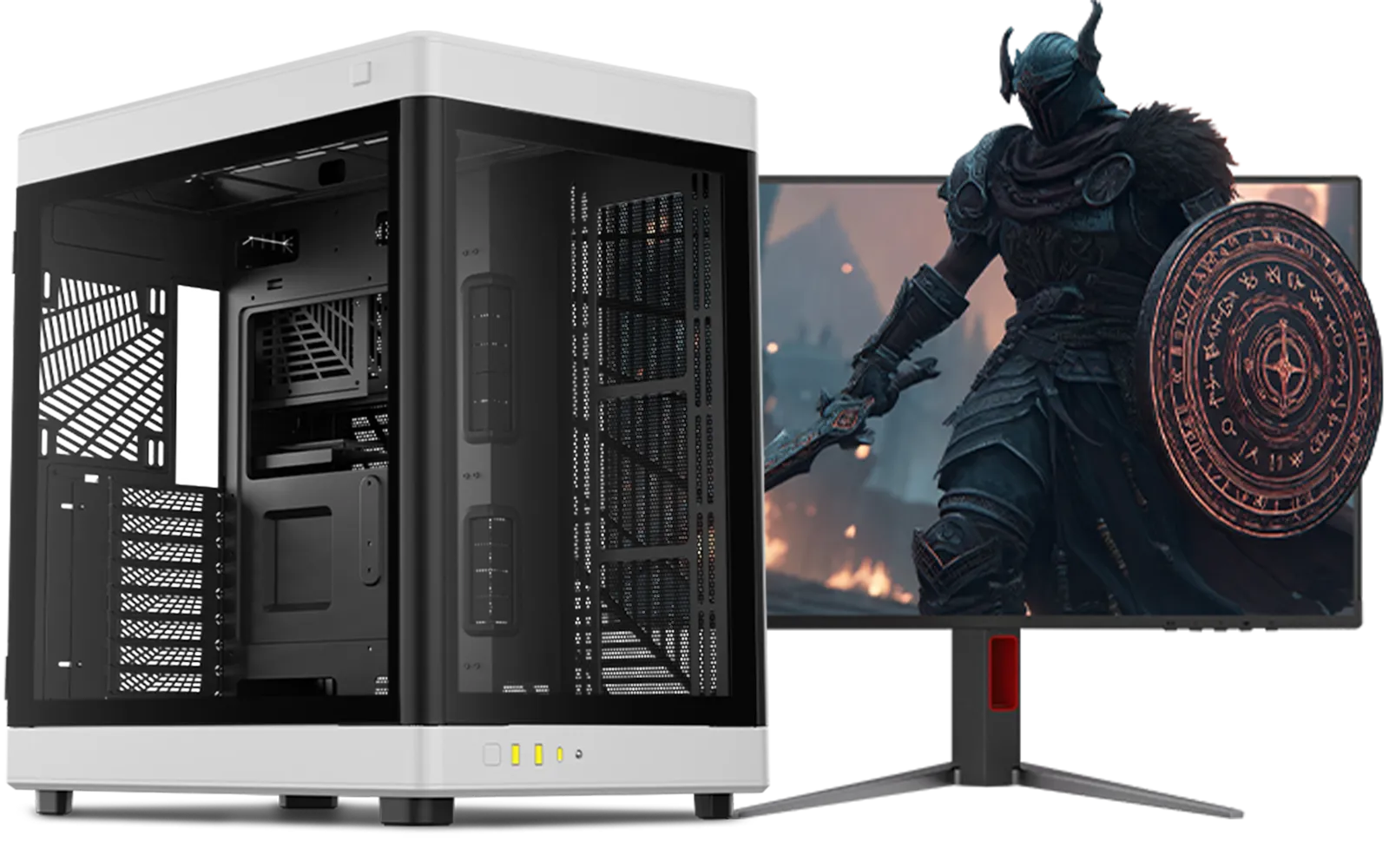
AMD RYZEN 7 9800X3D RTX Pro 4500 DDR5 Workstation PC
R78644.00In Stock
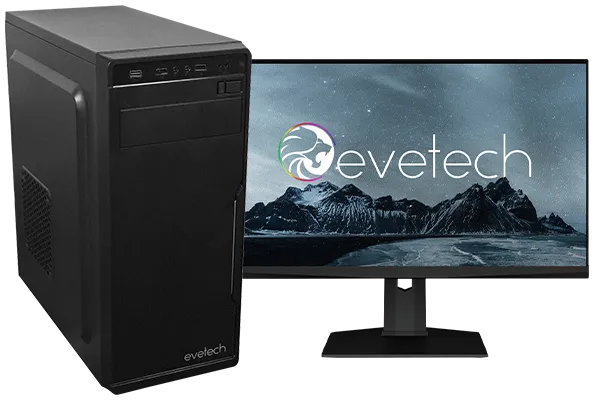
Intel Core Ultra 5 225F 4.9GHz GT 710 2GB DDR5 PC
R11864.00In Stock
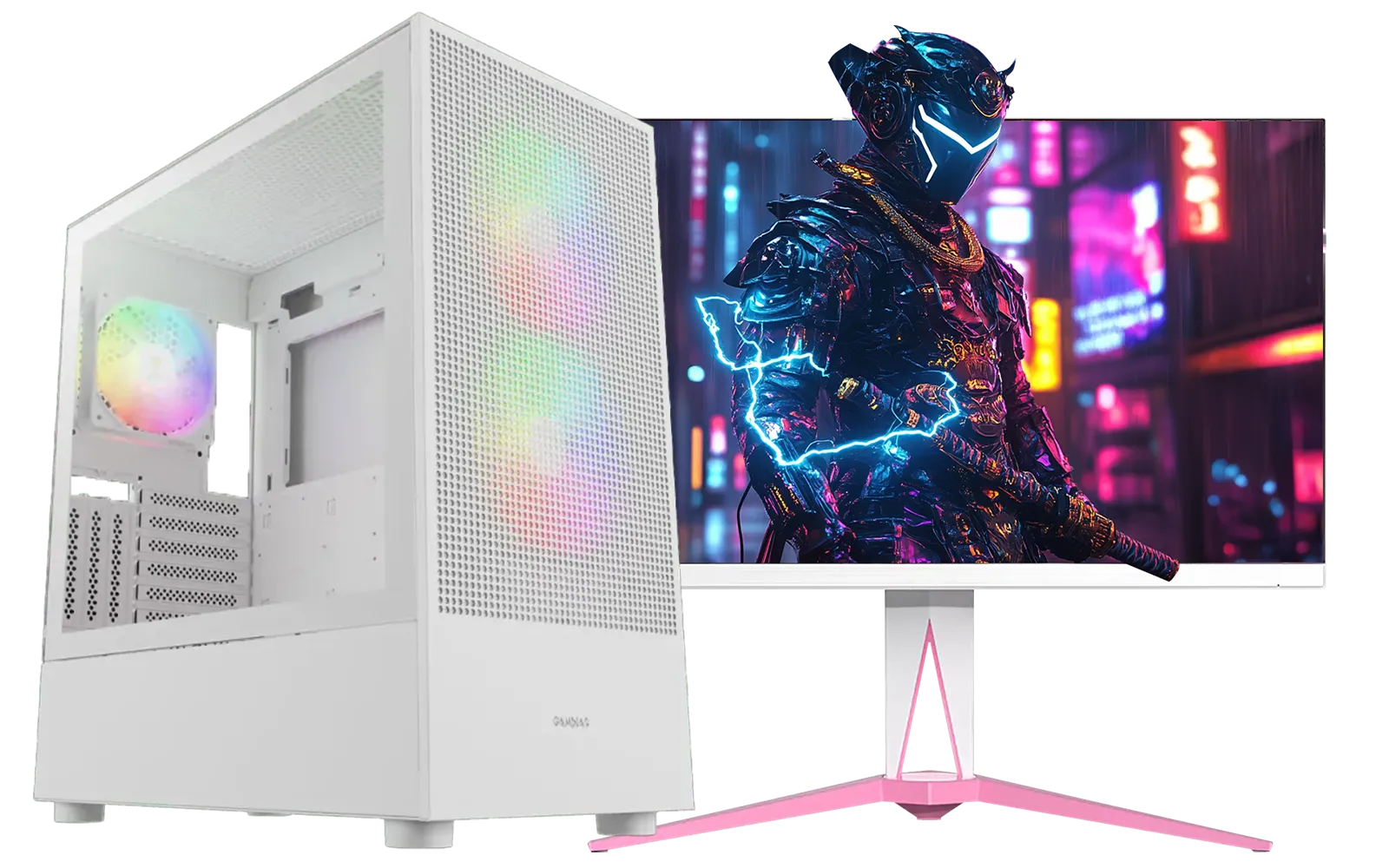
Intel 14th Gen Core i3 14100F 4.7GHz ARC A380 6GB Gaming PC
R12599.00In Stock
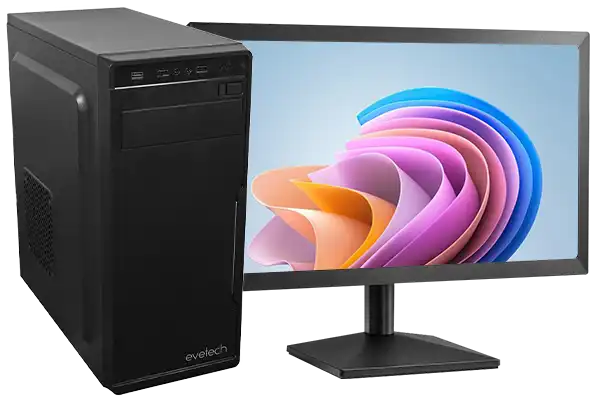
RYZEN 5 8500G 5.0GHz with Vega Graphics DDR5 PC
R11024.00In Stock
Core Components for a Terrifyingly Good PC Build
When you build a PC for horror, you're not just chasing high frame rates; you're building an atmosphere engine. The goal is to create a world so convincing that you forget you're sitting in a chair.
### Graphics Card (GPU) & Processor (CPU)
Horror games live and die by their lighting and shadows. A flickering candle in a dark corridor, a fleeting shadow in the corner of your eye… this is where your GPU shines. A card with strong ray-tracing capabilities, like an NVIDIA GeForce RTX 40-series, can render hyper-realistic lighting that will have you questioning reality.
Pair it with a capable CPU, like a modern AMD Ryzen 5 or Intel Core i5, to handle the complex AI and environmental physics without breaking a sweat. For those wanting to push titles like Alan Wake 2 to their absolute visual limits, exploring premium gaming rigs over R20,000 will give you the power you need for an uncompromising experience.
### RAM & Storage
Immersion is fragile. A long loading screen can completely pull you out of the moment. This is why a fast NVMe SSD is non-negotiable for a horror gaming PC. It ensures levels and textures load almost instantly, keeping you locked into the tension. 16GB of DDR4 or DDR5 RAM is the sweet spot for most titles, preventing hitches when the action (or terror) ramps up. If you're looking for a balanced system that gets this right from the start, it's worth checking out some of the latest pre-built PC deals available.
![[Pre Built] HP OMEN 35L B1ZR4EA Intel Core Ultra 7 265K RTX 4080 SUPER Gaming PC](https://img.evetech.co.za/repository/ProductImages/intel-core-ultra-7-265-k-rtx-4080-super-gaming-pc-pbs-main-1600px-v1.webp)
[Pre Built] HP OMEN 35L B1ZR4EA Intel Core Ultra 7 265K RTX 4080 SUPER Gaming PC
R49349.00In Stock
![[Pre Built] AMD Ryzen 7 9800X3D RX 9070 XT Gaming PC](https://img.evetech.co.za/repository/ProductImages/ryzen-7-9800-x-3-d-rx-9070-xt-gaming-pc-48-gb-main-1600px-v1.webp)
[Pre Built] AMD Ryzen 7 9800X3D RX 9070 XT Gaming PC
R67199.00In Stock

RYZEN 7 9700X 5.5GHz RX 9070 XT 16GB DDR5 Gaming PC
R37484.00In Stock
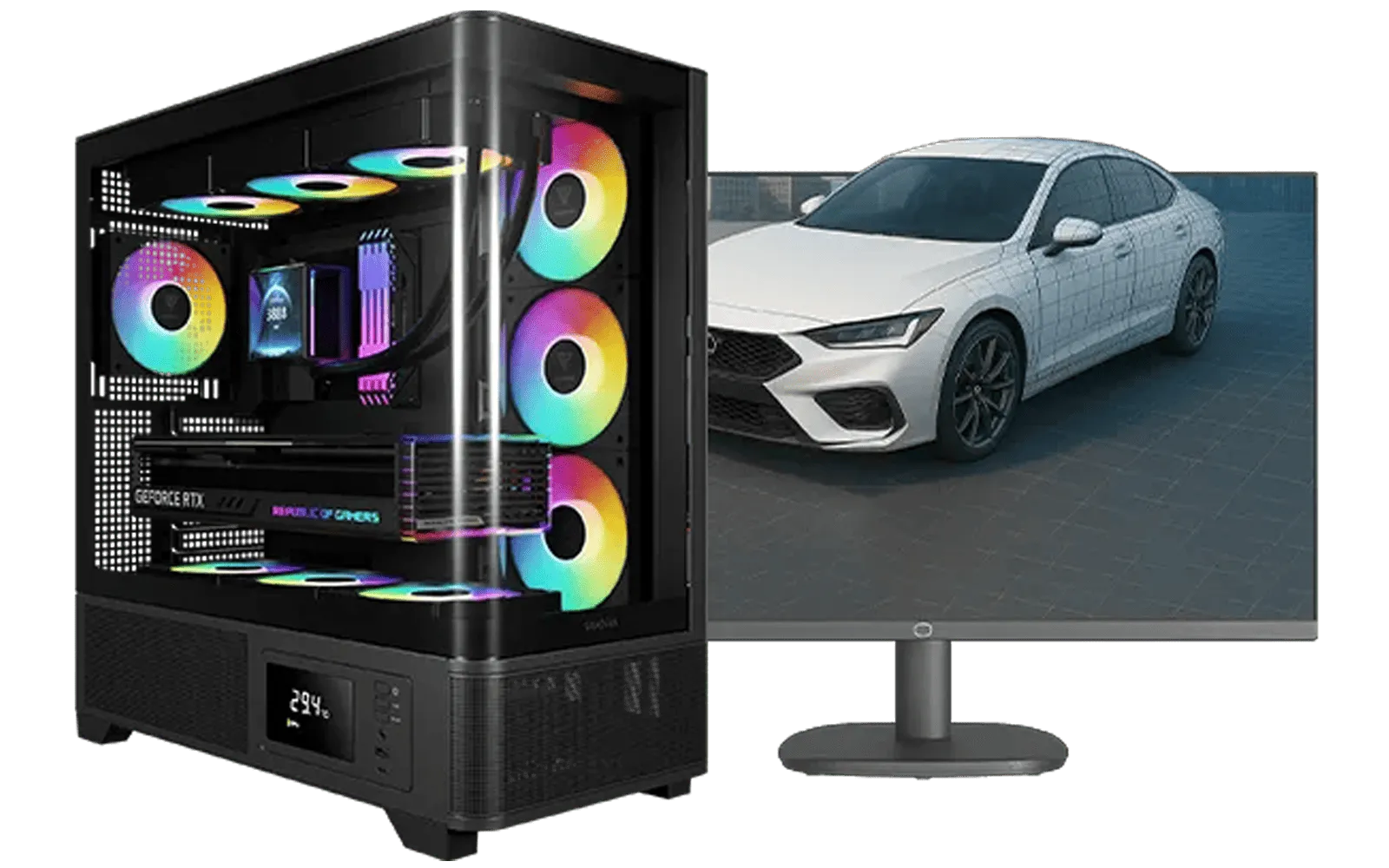
AMD RYZEN 7 5700 RTX Pro 2000 Workstation PC
R26669.00In Stock
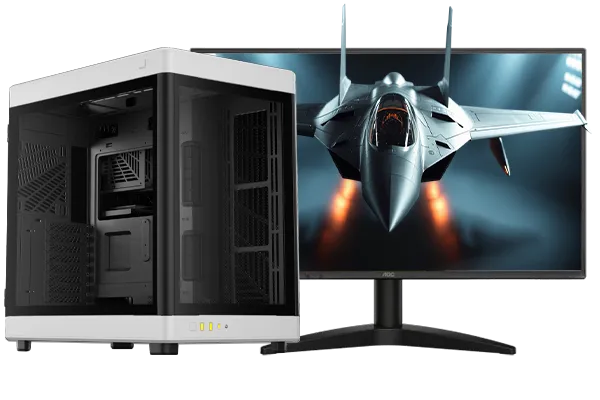
AMD RYZEN 9 9900X 5.6GHz RTX 4000 Blackwell 24GB DDR5 Workstation PC
R56174.00In Stock
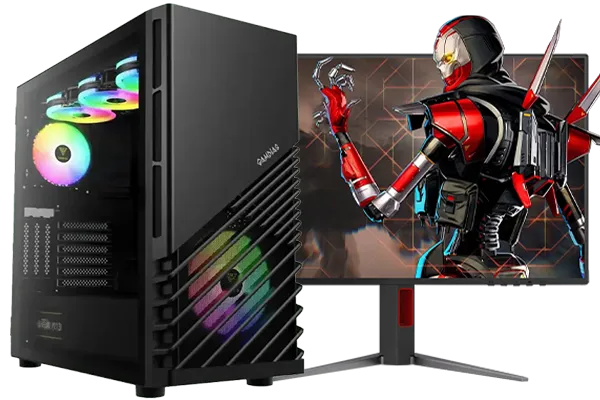
RYZEN 7 5700 4.6GHz RTX 5060 Ti 16GB Budget Gaming PC
R20264.00In Stock
Building for Atmosphere: Sound and Silence 🎧
Visuals are only half the story. The most memorable scares often come from what you hear. The faint whisper, the distant footstep, the unearthly screech… it all relies on pristine audio.
While modern motherboard audio is decent, a dedicated sound card or a high-quality gaming headset can transform your experience. It allows for clearer positional audio, letting you pinpoint exactly where that terrifying sound is coming from.
Equally important is what you don't hear: your PC. A rig that sounds like a jet engine will ruin the quiet, tense moments. Invest in a case with good airflow and sound-dampening qualities, along with quiet case fans and a low-noise CPU cooler. A silent PC is an immersive PC.
TIP FOR YOU
Audio Immersion Pro Tip ⚡
For gamers using stereo headphones, Windows has a built-in virtual surround sound feature called Windows Sonic. Right-click the speaker icon in your taskbar, go to 'Spatial sound', and select 'Windows Sonic for Headphones'. It's a free way to get more accurate positional audio, making it easier to hear which direction the horror is coming from.
Budgeting Your Build for Maximum Scares
Building a great PC for horror games doesn't have to cost a fortune. The key is to allocate your budget smartly. Spend the most on your GPU, as it does the heavy lifting for atmosphere. You can often save a bit on the CPU, as most horror titles are more graphically intensive than CPU-bound.
AMD RYZEN 9 9900X 5.6GHz RTX 4000 Blackwell 24GB DDR5 Workstation PC
R56174.00In Stock
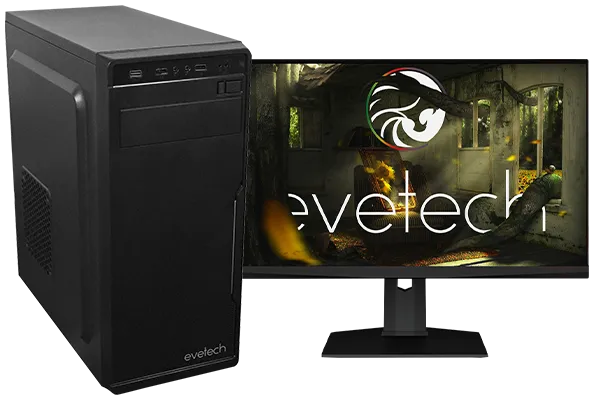
Intel 14th Gen Core i3 14100F 4.7GHz GT 710 2GB PC
R9869.00In Stock
Intel Core Ultra 7 265K 5.5GHz RTX 5070 Ti 16GB DDR5 Gaming PC
R43049.00In Stock
RYZEN 7 5700 4.6GHz RTX 5060 Ti 16GB Budget Gaming PC
R20264.00In Stock
![[Pre Built] AMD RYZEN 5 5500 ARC A380 Gaming PC](https://img.evetech.co.za/repository/ProductImages/gamdias-talos-e3-gaming-case-ryzen-5-5500-arc-a380-gaming-pc-pbs-main-1600px-v1.webp)
[Pre Built] AMD RYZEN 5 5500 ARC A380 Gaming PC
R12494.00In Stock
RYZEN 7 9700X 5.5GHz RTX 5070 12GB DDR5 Gaming PC
R34334.00In Stock
You can craft an incredible scare machine for a reasonable price. There are plenty of great value PCs under R20,000 that will handle games like Phasmophobia or Amnesia: The Bunker beautifully. By focusing your budget on the parts that matter most for immersion, you can get a top-tier horror experience. For those just starting out, exploring our range of budget gaming PCs is a fantastic way to find a capable and affordable foundation for your setup. 🔧
Ultimately, the best horror gaming PC is one that disappears, letting the game's world completely take over. By focusing on smooth performance, incredible audio, and quiet operation, you build a portal to terror that will keep you on the edge of your seat.
Ready to Build Your Fear Machine? A well-crafted PC is your ticket to truly immersive horror. Whether you're customising every part or choosing a powerful pre-built rig, the perfect machine is waiting. Explore the best gaming PC deals in South Africa and find the perfect build to haunt your dreams.
Related Products
AMD RYZEN 5 3600 4.2GHz GT 710 2GB PC
R6824.00In Stock
RYZEN 5 8400F 4.7GHz GT 710 2GB DDR5 Workstation PC
R10079.00In Stock
![[Pre Built] Intel Core Ultra 7 265KF RX 9070 XT Gaming PC](https://img.evetech.co.za/repository/ProductImages/intel-core-ultra-7-265-kf-rx-9070-xt-gaming-pc-pbs-main-1600px-v1.webp)
[Pre Built] Intel Core Ultra 7 265KF RX 9070 XT Gaming PC
R42209.00In Stock
RYZEN 7 9700X RTX Pro 2000 DDR5 Workstation PC
R35699.00In Stock
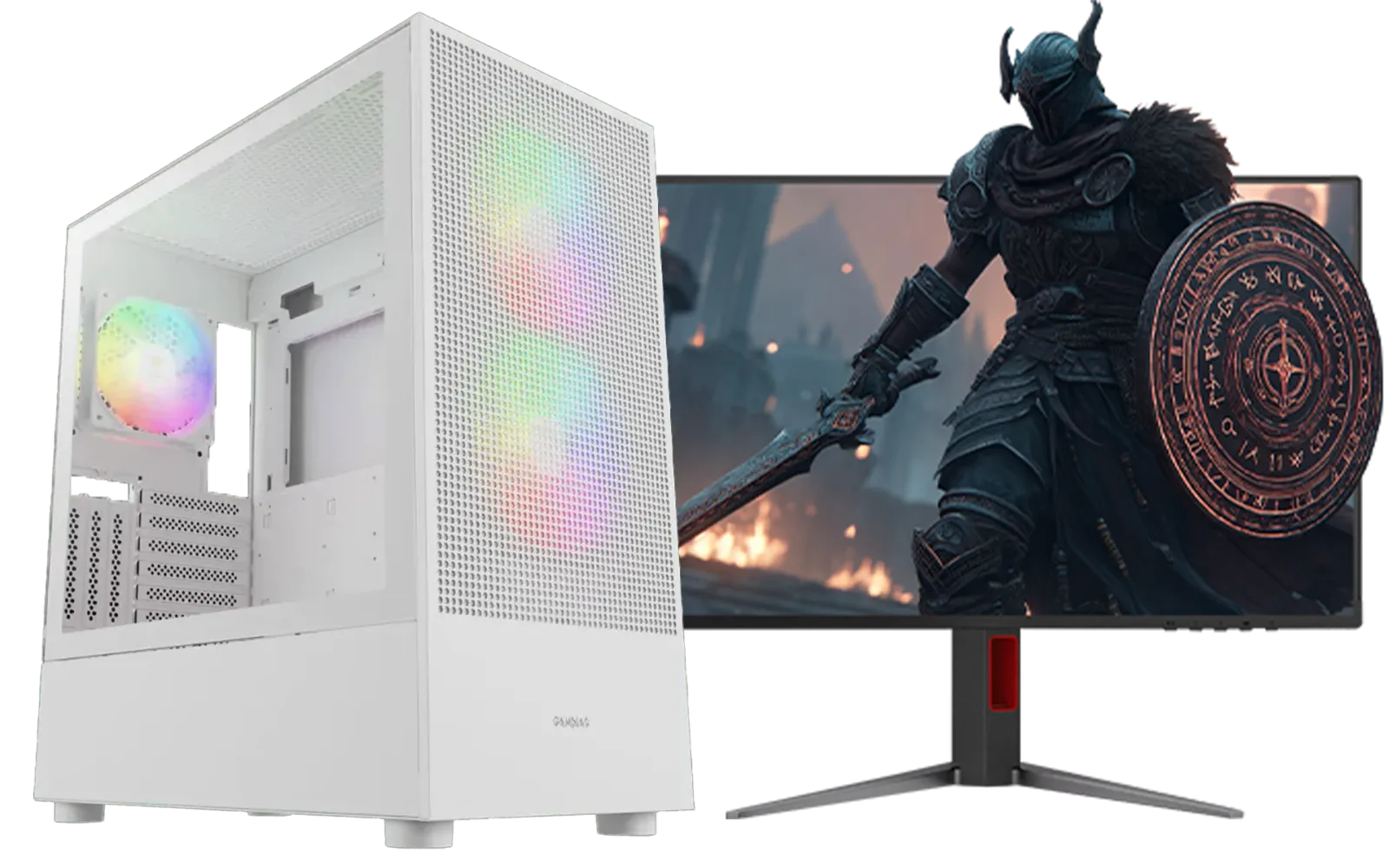
RYZEN 5 9600X 5.2GHz GT 710 2GB DDR5 PC
R14489.00In Stock
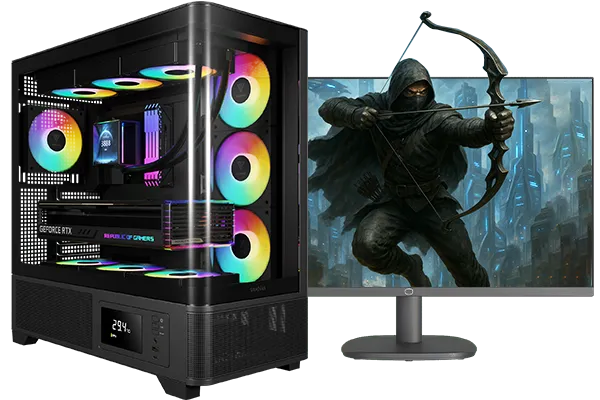
Ryzen 7 9700X 5.5GHz RTX 5060 Ti 16GB DDR5 Gaming PC
R29399.00In Stock
GPU, CPU, fast SSD, 16–32GB RAM, and a sound card or USB DAC matter most to deliver visuals, quick loads, and immersive audio for horror games.
Choose a GPU that handles ray tracing and high frame rates at your target resolution. A mid-high tier GPU balances cost and valleying visuals.
Most modern horror titles run well on 16GB; opt for 32GB if you stream, mod, or run background audio tools to ensure smooth performance.
Yes. Quiet cooling preserves atmosphere by minimizing fan noise. Choose low-noise AIOs or large air coolers and vibration-damped fans.
Yes. NVMe SSDs cut load times and reduce texture pop-in, keeping pacing and tension intact during scares.
Use a dedicated DAC, quality headphones or surround speakers, and tweak EQ for deep lows and clear spatial cues to heighten tension.
Yes. For VR, prioritize stable 90+ FPS, use reprojection smartly, and lower expensive post effects to avoid motion issues.