Build a PC for Puzzle Games: Compact, Responsive Guide
Build a PC for puzzle games that prioritizes low latency, clear visuals, and comfort. Get budget and premium parts, assembly steps, and tuning tips. 🧩⚡
|
Loading tags...

Tired of stuttering just when you’ve figured out the solution? From Portal to The Talos Principle 2, puzzle games demand focus and flow. A laggy PC can shatter that immersion instantly. That’s why we’ve created this guide to help you build a PC for puzzle games that’s compact, ultra-responsive, and perfectly optimised for brain-teasing adventures. Let's get into a build that thinks as fast as you do. 🧠
AMD RYZEN 9 9950X 5.7GHz Quadro RTX 5000 Ada 32GB DDR5 Workstation PC
R128834.00In Stock
Ryzen 5 9600X 5.4GHz RTX 5060 8GB DDR5 Budget Gaming PC
R21524.00In Stock
RYZEN 7 7800X3D 5.0GHz RTX 5060 Ti 16GB DDR5 Gaming PC
R26774.00In Stock
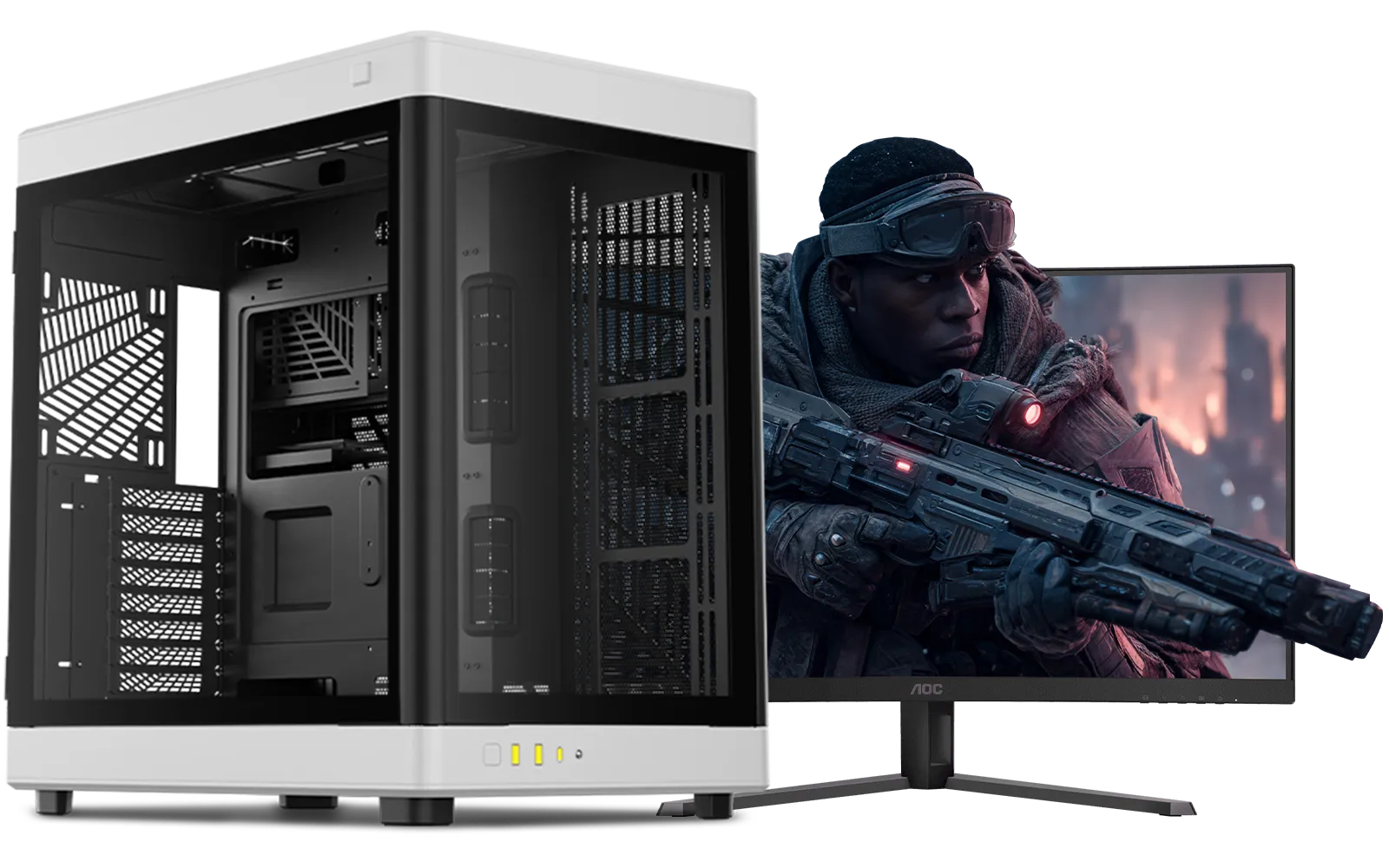
Intel Core Ultra 9 285K 5.7GHz RTX 5000 Ada 32GB DDR5 Workstation PC
R133349.00In Stock
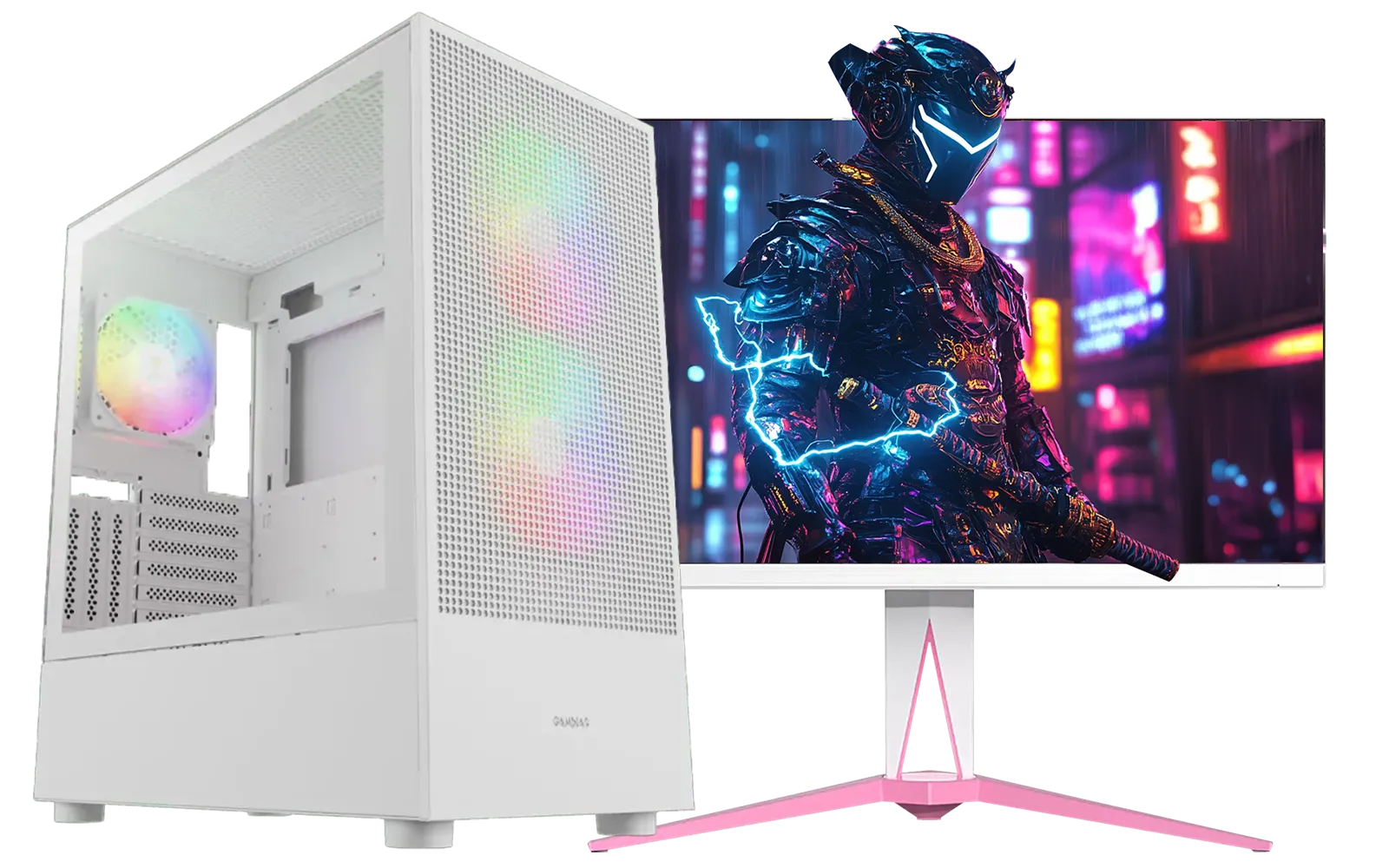
RYZEN 5 9600X 5.2GHz RX 9060 XT 16GB DDR5 Gaming PC
R22679.00In Stock
RYZEN 7 7800X3D 5.0GHz RTX 5080 32GB DDR5 Gaming PC
R48719.00In Stock
Why Your Puzzle Game PC Needs a Different Approach
Unlike AAA shooters that push graphics cards to their limits, the best PC for puzzle games prioritises different strengths. The goal isn't necessarily hitting 200 FPS at 4K... it's about achieving a flawless, instant-response experience.
Think about it: you��re manipulating physics, lining up portals, or rewiring complex machinery. Every mouse click and keyboard press needs to register instantly. This is where a snappy CPU and lightning-fast storage become more critical than a top-of-the-line GPU. You're aiming for zero input lag and non-existent loading screens that keep you locked in the zone.
Core Components for a Responsive Build
When you build a PC for puzzle games, every component choice should serve the goal of seamless performance. Forget the overkill; focus on smart, balanced parts that deliver where it counts.
CPU: The Brains of the Operation
Your processor handles the game's logic, physics calculations, and AI. For puzzle titles, strong single-core performance is key. You don't need a 16-core monster. A modern Intel Core i5 or AMD Ryzen 5 CPU provides more than enough power to ensure the game engine never hiccups. These processors are the heart of many excellent budget gaming PCs, proving you don't need to break the bank for sharp performance.
RYZEN 5 9600X 5.4GHz A1000 8GB DDR5 Workstation PC
R25199.00In Stock
![[Pre Built] Intel Core Ultra 7 265KF RX 9070 XT Gaming PC](https://img.evetech.co.za/repository/ProductImages/intel-core-ultra-7-265-kf-rx-9070-xt-gaming-pc-pbs-main-1600px-v1.webp)
[Pre Built] Intel Core Ultra 7 265KF RX 9070 XT Gaming PC
R42209.00In Stock
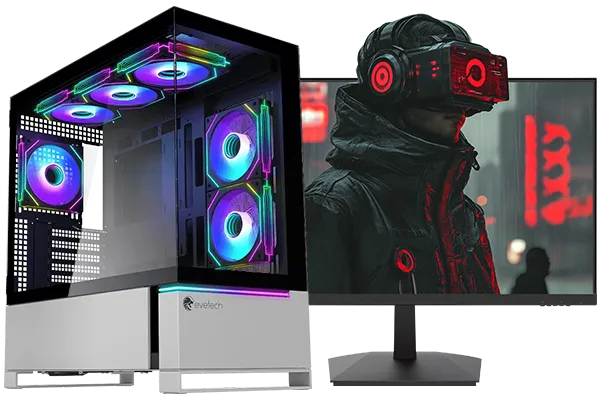
Intel Core Ultra 7 265K 5.3GHz RTX 5070 12GB DDR5 Gaming PC
R30344.00In Stock
RYZEN 5 9600X 5.2GHz RX 9060 XT 16GB DDR5 Gaming PC
R22679.00In Stock
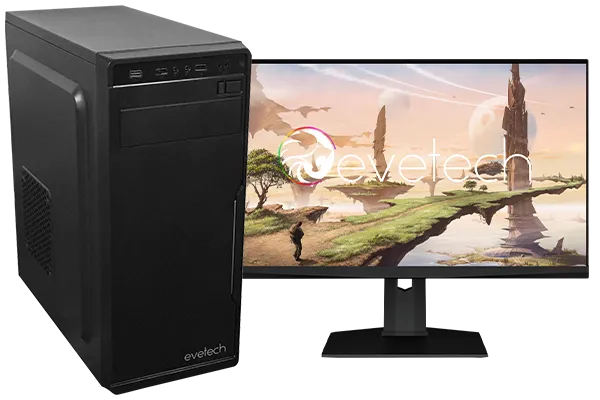
RYZEN 5 8400F 4.7GHz GT 710 2GB DDR5 Workstation PC
R10079.00In Stock
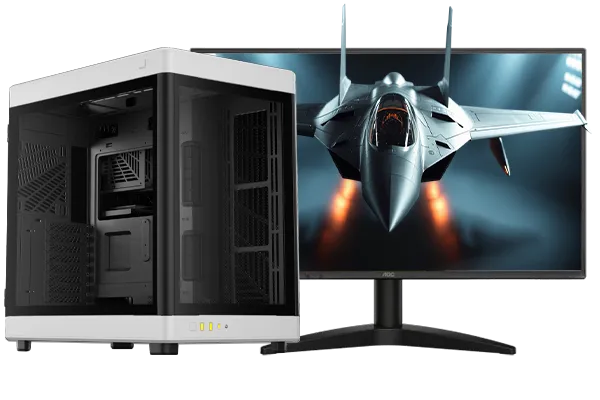
RYZEN 9 9900X 5.6GHz RTX PRO 6000 96GB DDR5 Next Gen Workstation PC
R210524.00In Stock
GPU: Smart Graphics, Not Brute Force
While visually stunning puzzle games like Cocoon exist, they are generally less demanding than titles like Cyberpunk 2077. A mid-range graphics card like an NVIDIA GeForce RTX 3050/4060 or an AMD Radeon RX 6600/7600 is perfect. These cards can easily handle 1080p and 1440p resolutions at a buttery-smooth 60+ FPS, which is ideal for this genre. Many fantastic rigs under R20,000 feature these exact GPUs.
TIP FOR YOU
Quiet, Please! I'm Thinking... 🤫
Puzzle games thrive on atmosphere and concentration. A noisy PC can be a real distraction. When choosing your components, consider a CPU cooler known for low noise levels (like a be quiet! Pure Rock or a Noctua NH-U12S) and a case with sound-dampening features. A quiet build makes a massive difference to your immersion.
RAM & Storage: The Unsung Heroes of Speed
This is where you can't afford to cut corners.
- RAM: 16GB of DDR4 or DDR5 RAM is the sweet spot. It gives you plenty of headroom for the game, your browser, and maybe a Discord chat without any slowdown.
- Storage: An NVMe SSD is non-negotiable. The speed difference compared to a traditional hard drive is massive. It means levels in Portal 2 or new areas in The Witness load in a blink. A 1TB NVMe drive offers a great balance of speed and space. You can find this ideal combination in many of our well-balanced pre-built PC deals.
The Compact & Clean Factor ✨
A PC build for puzzles doesn't need to be a giant, RGB-lit tower. In fact, a compact, Small Form Factor (SFF) build often fits the aesthetic better. These mini-ITX systems are powerful, space-saving, and look incredibly sleek on a desk. They're perfect for a minimalist setup focused on gameplay.
Building in a smaller case requires careful component selection to ensure good airflow, but the result is a clean, powerful machine that doesn't dominate your space. For those who want both premium power and a compact footprint, exploring some of the more premium builds over R20,000 can provide great inspiration for high-end SFF rigs.
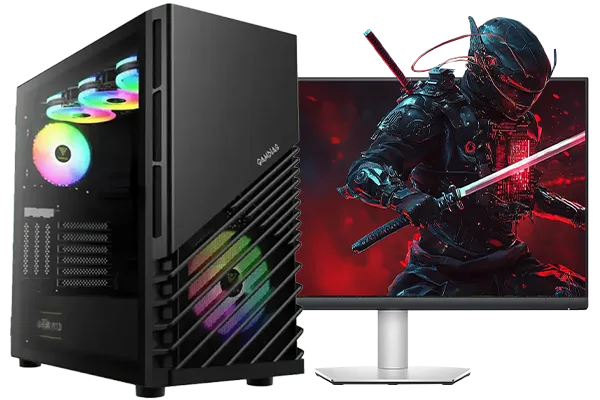
RYZEN 5 7500X3D RTX 5060 DDR5 Gaming PC
R21524.00In Stock
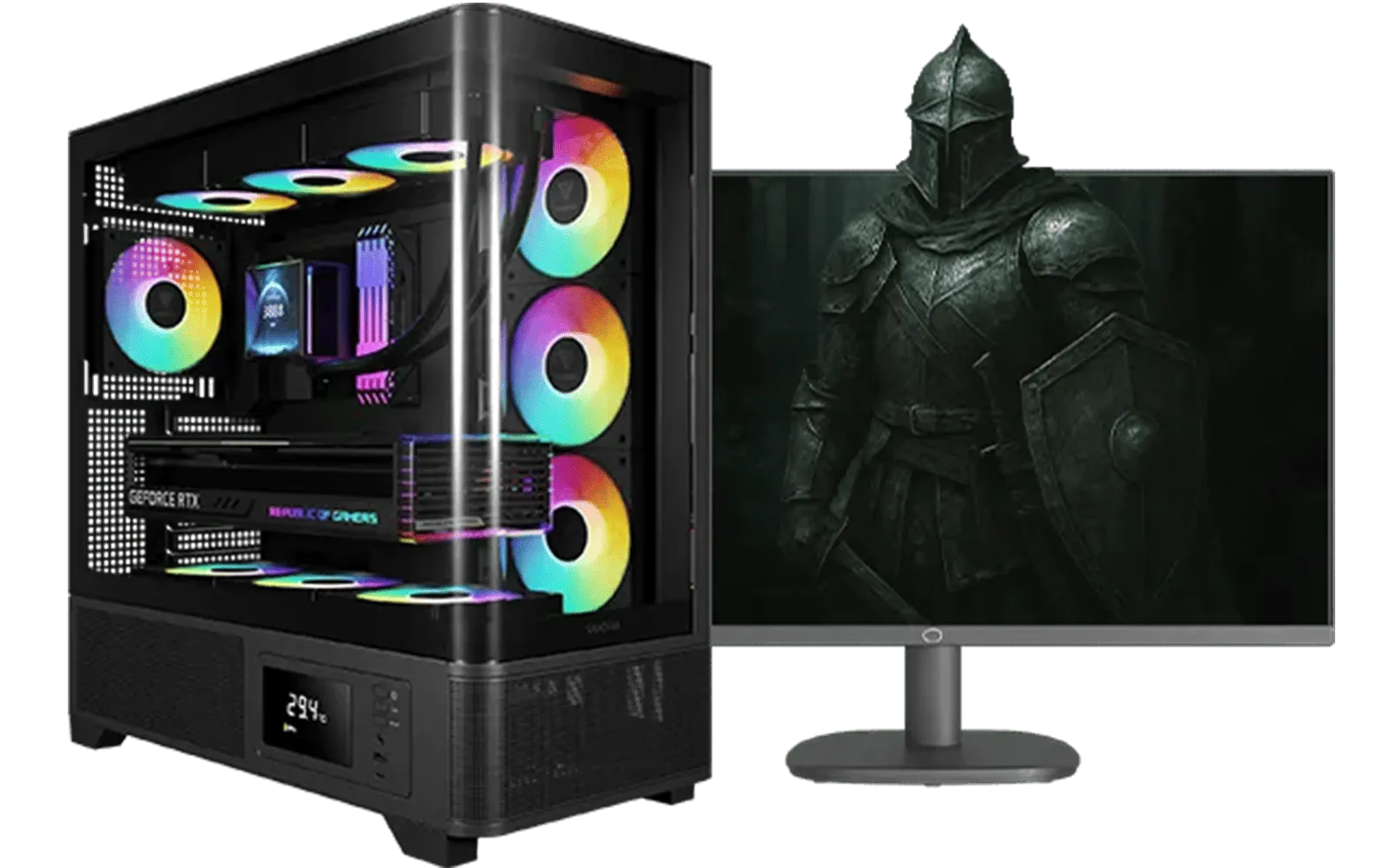
AMD RYZEN 5 3600 RTX 3050 Budget Gaming PC
R11024.00In Stock

Intel Core Ultra 5 225F ARC A380 6GB Gaming PC
R14174.00In Stock
RYZEN 5 9600X 5.4GHz A1000 8GB DDR5 Workstation PC
R25199.00In Stock
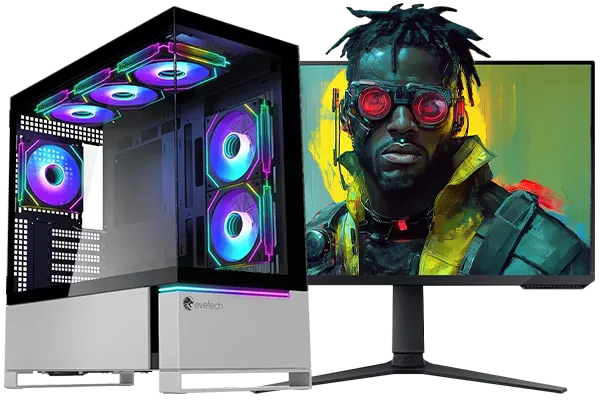
Intel Core Ultra 7 265K 5.5GHz RTX 5070 Ti 16GB DDR5 Gaming PC
R43049.00In Stock
Intel Core Ultra 9 285K 5.7GHz RTX 5090 32GB DDR5 Gaming PC
R80114.00In Stock
Your Perfect Puzzle-Solving Machine Awaits
Ultimately, to build a PC for puzzle games is to build a tool for thought. It’s about creating a system where technology disappears, leaving only you and the puzzle. By prioritising a responsive CPU, a fast SSD, and a capable-but-sensible GPU, you create an experience that feels fluid and intuitive.
Whether you're piecing together clues or manipulating time itself, the right hardware ensures nothing stands in your way. Check out the best gaming PC deals in South Africa to see systems that embody this balanced philosophy.
Ready to Solve Your Performance Puzzles? A responsive PC is the key to unlocking your focus. Whether you're building from scratch or choosing a perfectly balanced pre-built system, Evetech has the parts you need to get you thinking... not waiting. Explore our huge range of PC components and start your build today.
Related Products
RYZEN 5 9600X 5.2GHz RX 9060 XT 16GB DDR5 Gaming PC
R22679.00In Stock
AMD RYZEN 9 9950X 5.7GHz Quadro RTX 5000 Ada 32GB DDR5 Workstation PC
R128834.00In Stock
RYZEN 7 7800X3D 5.0GHz RTX 5080 32GB DDR5 Gaming PC
R48719.00In Stock
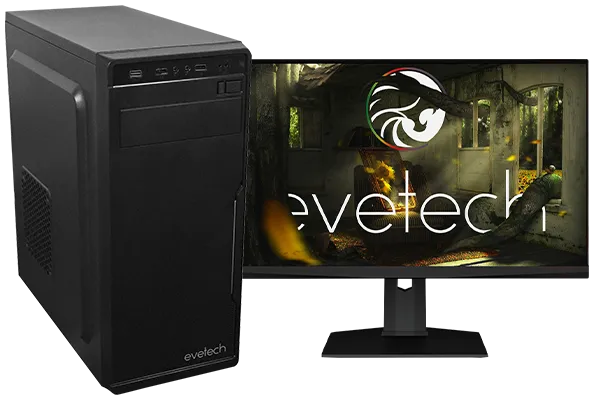
AMD RYZEN 5 3600 4.2GHz GT 710 2GB PC
R6824.00In Stock
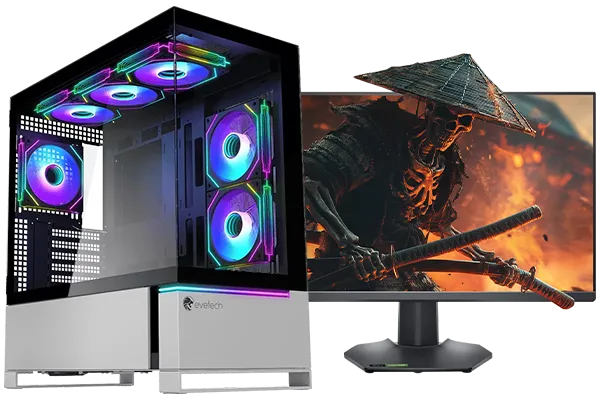
RYZEN 7 9700X 5.5GHz RTX 5070 12GB DDR5 Gaming PC
R34334.00In Stock
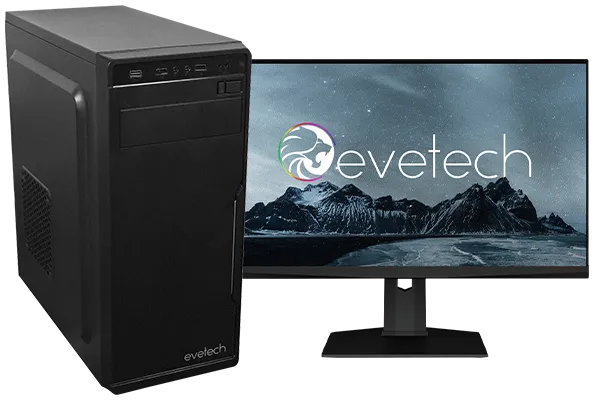
Intel Core Ultra 5 225F 4.9GHz GT 710 2GB DDR5 PC
R11864.00In Stock
Prioritise a responsive CPU, fast SSD, 8–16GB RAM and a low-latency monitor. This combination boosts clarity and responsiveness for puzzle titles.
Yes. A budget PC for puzzle games can use a midrange CPU, integrated or entry GPU, 8GB RAM and an SSD for smooth play and quick load times.
Most puzzle games don't need a high-end GPU. A midrange card or integrated graphics handle casual puzzle titles at high frame rates.
8–16GB of RAM is ideal for ram for puzzle game performance, keeping multiple apps open while maintaining snappy gameplay.
Yes. An SSD vs HDD for puzzle games improves load times, app responsiveness and overall system fluidity, even for small titles.
Choose a monitor for puzzle games with low input lag, 60–144Hz refresh and good color clarity to improve visual comfort and accuracy.
Absolutely. A tiny form factor puzzle game PC with SFF case, compact motherboard, and efficient cooling offers portability without sacrificing responsiveness.