GDDR7 memory: Why the RTX 5070 Ti 28Gbps Speed Matters
GDDR7 memory accelerates bandwidth and efficiency — learn why the RTX 5070 Ti's 28Gbps speed matters for gaming, content creation, and AI workloads. We'll explain real-world gains, power and latency tradeoffs. ⚡️🎮
|
Loading tags...

Listen up, Mzansi gamers. We all chase higher frame rates, but the next big leap isn't just about the GPU core... it's about memory. Whispers of the RTX 50-series are getting louder, and the star of the show is GDDR7 memory. With rumoured speeds hitting a blistering 28Gbps on cards like the RTX 5070 Ti, we’re looking at a fundamental shift in performance that will redefine 4K gaming and beyond. ✨

MSI GeForce RTX 5070 Ti 16G Ventus 3X OC / 16GB GDDR7 / 28Gbps Memory Speed / PCI Express® Gen 5 / 912-V531-092
R19999.00In Stock

XFX Swift AMD Radeon RX 9070 OC Graphics Card - White / 3584 Stream Processors / 256-bit Memory Interface / Boost Clock :2700 MHz / AMD RDNA™ 4 Architecture / RX-97SWFB3W9
R13499.00In Stock
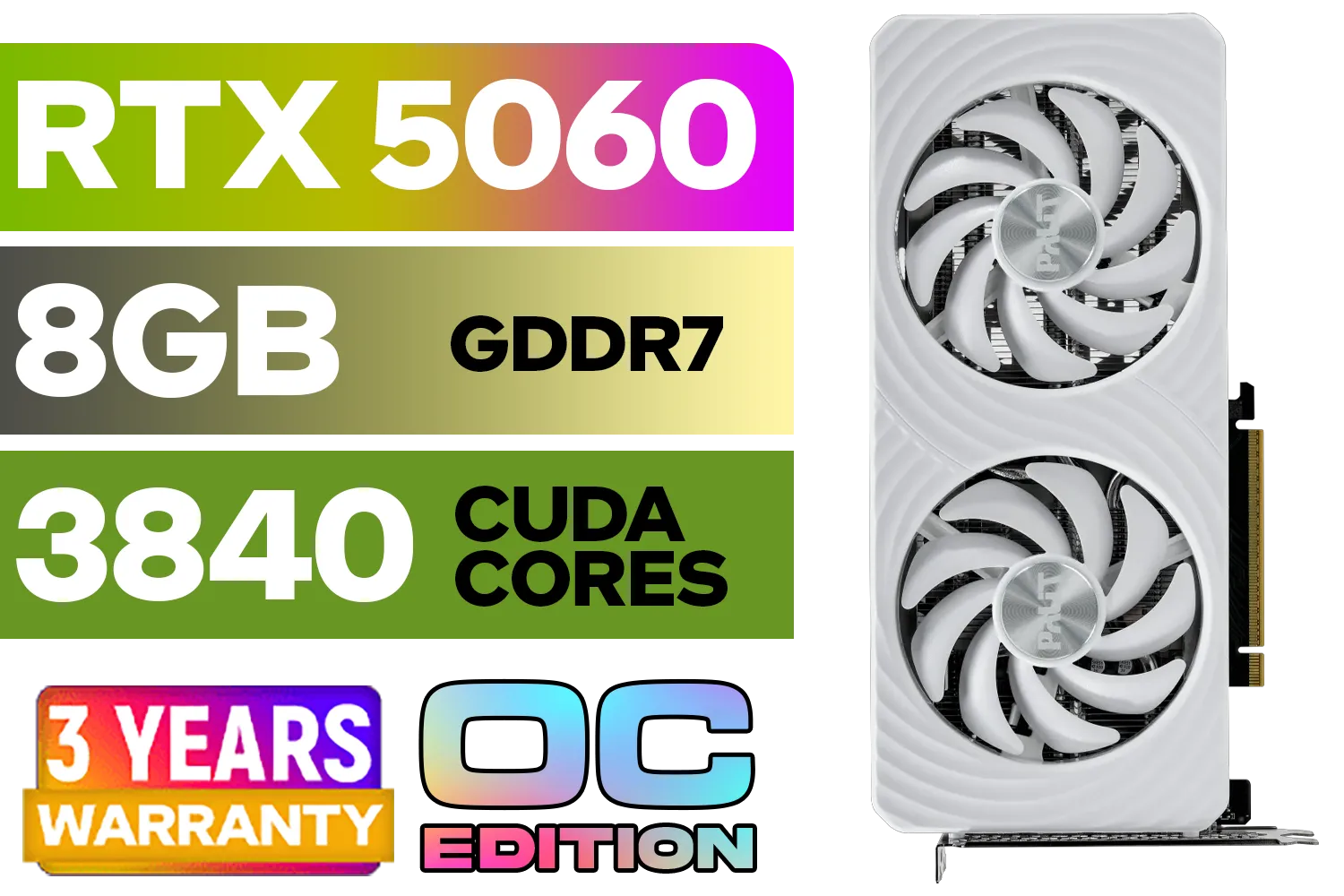
Palit GeForce RTX 5060 OC Graphics Card - White / 8GB GDDR7 / 3840 Cuda Cores / 128-bit Memory Interface / Boost Clock : 2497 MHz / PCI Express® Gen 5 / NE75060U19P1-GB2063M
R6999.00In Stock

MSI GeForce RTX 5070 12GB Shadow 2X OC Graphics Card / 6144 Cuda Cores / 192-bit Memory Interface / Boost Clock : 2542 MHz / NVIDIA Blackwell & DLSS 4 / TORX Fan 5.0 / Nickel-Plated Copper Baseplate / 912-V532-011
R11999.00In Stock
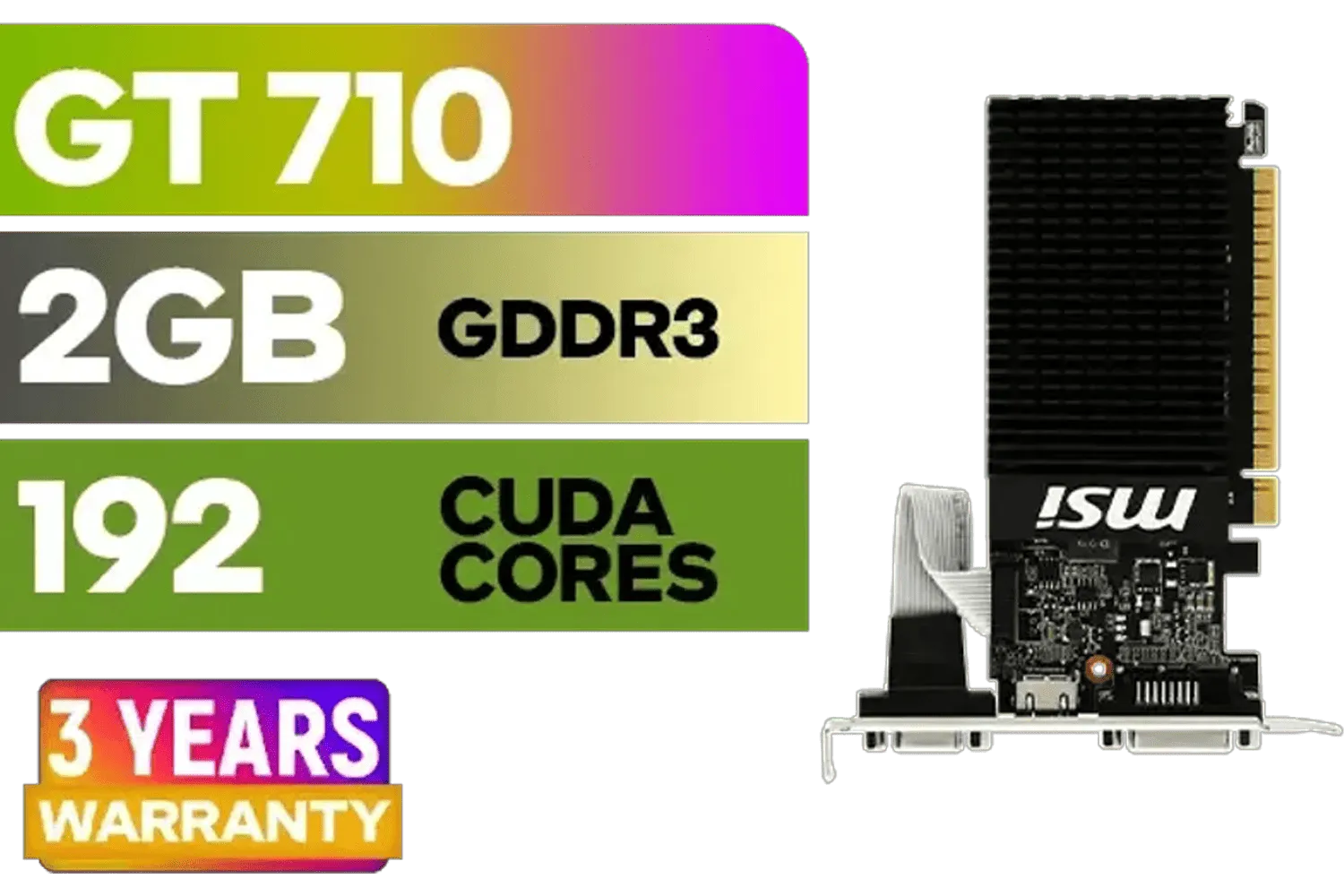
MSI GeForce GT 710 2GD3H LP 2GB DDR3 Graphics Card / 192 CUDA CORES / 64-bit Memory / 1x HDMI / 1x Dual-link DVI-D / 1x D-Sub / 912-V809-4217
R1099.00In Stock
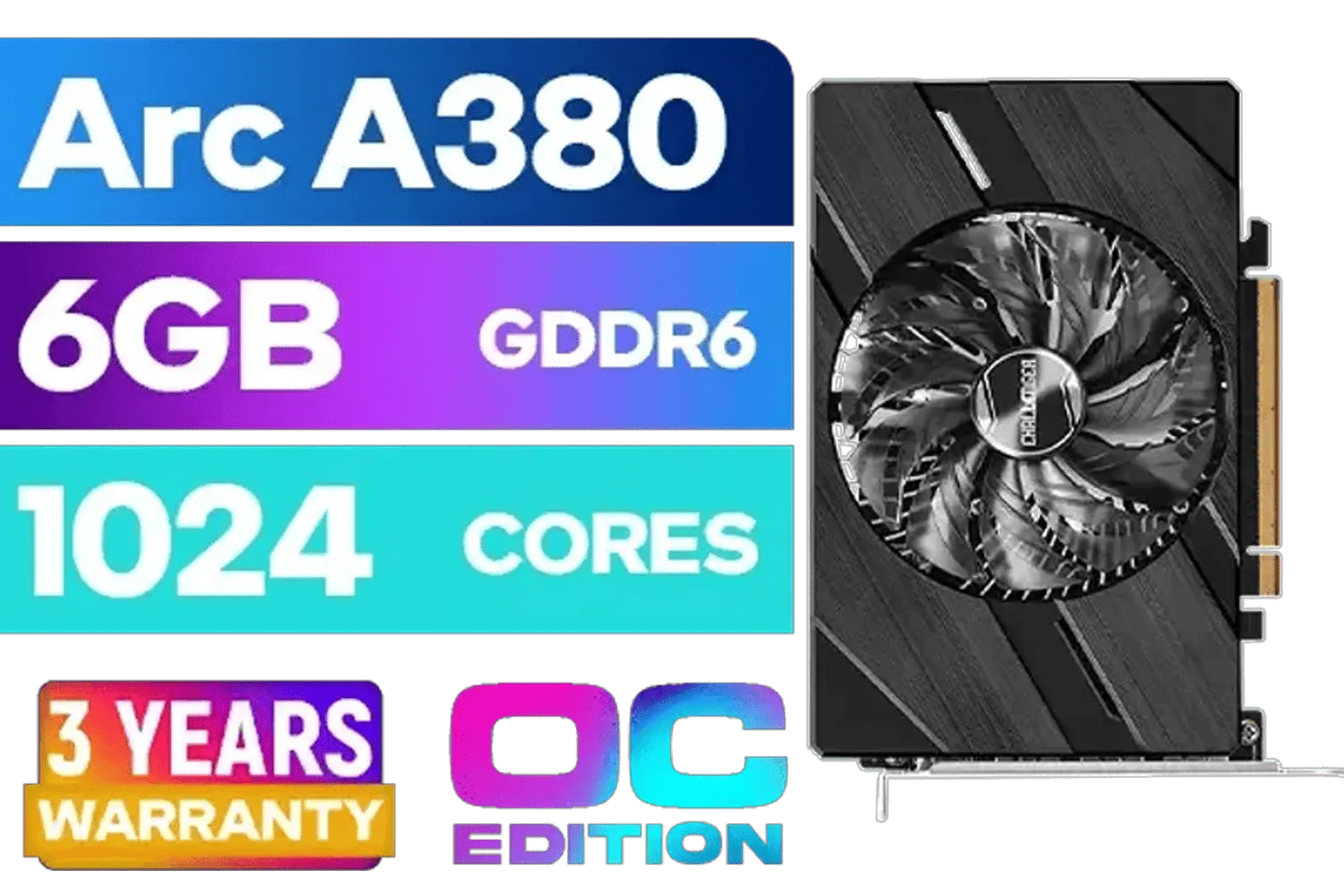
ASRock Intel Arc A380 Challenger ITX 6GB OC GDDR6 Graphics Card / 90-GA3KZZ-00UANF
R3199.00In Stock
So, What Exactly is GDDR7 Memory?
In simple terms, GDDR7 is the next evolution of high-speed memory built specifically for graphics cards. Think of it as upgrading the N1 highway from three lanes to five... it allows for a much faster, more efficient flow of data between your GPU's brain (the core) and its short-term memory (the VRAM).
The secret sauce is a technology called PAM3 (Pulse-Amplitude Modulation with 3 levels). While GDDR6 used a simpler method, PAM3 cleverly packs more data into every single signal. The result? A massive jump in bandwidth. This makes the tech in today's current-generation graphics cards look like a dirt road in comparison to the super-highway that is GDDR7.
Why the RTX 5070 Ti's 28Gbps Speed is a Big Deal
That incredible speed isn't just a number on a spec sheet; it translates directly into tangible benefits for your gaming experience. The sheer bandwidth provided by GDDR7 memory will be critical for feeding the powerful new cores we expect to see.
Unlocking True High-Refresh 4K Gaming
Higher resolutions demand massive amounts of data. A potential RTX 5070 Ti equipped with GDDR7 memory running at 28Gbps speed could finally make 4K at a locked 144fps the standard, not the exception. It means less stuttering and smoother, more responsive gameplay, even with all the graphical settings cranked to ultra. This is the kind of power we expect to see define the next generation of NVIDIA GeForce cards.

Palit GeForce RTX 5060 Dual 8GB Graphics Card / 8GB GDDR7 / 3840 Cuda Cores / 128-bit Memory Interface / Boost Clock : 2497 MHz / PCI Express® Gen 5 / NE75060019P1-GB2063D
R8299.00In Stock

MSI GeForce RTX 5060 Ti 8G GAMING OC Graphics Card / 4608 Cuda Cores / 28Gbps Memory Speed / 8GB GDDR7 / 128-bit Memory Bus / 912-V536-026
R9499.00In Stock

Palit GeForce RTX 5090 GameRock 32GB GDDR7 512-Bit PCIe 5.0 Desktop Graphics Card / NE75090019R5-GB2020G
R47999.00In Stock
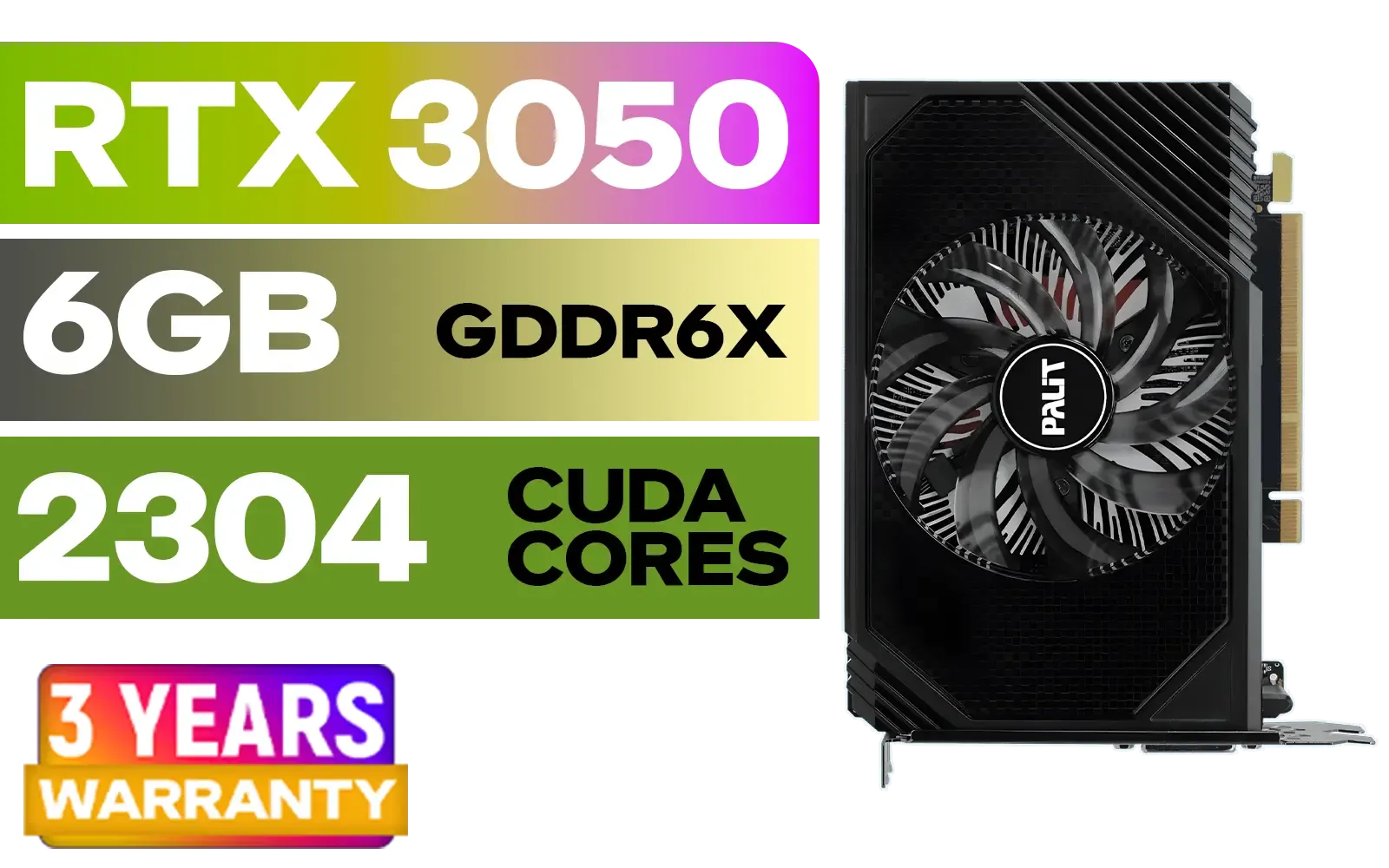
Palit GeForce RTX 3050 StormX 6GB GDDR6 Gaming Graphics Card / 2304 Cuda Core / 96-bit Memory Interface / Boost Clock : 1470MHz / Incredibly Fast Frame Rates / New Streaming Multiprocessors / NE63050018JE-1070F-SN
R3599.00In Stock
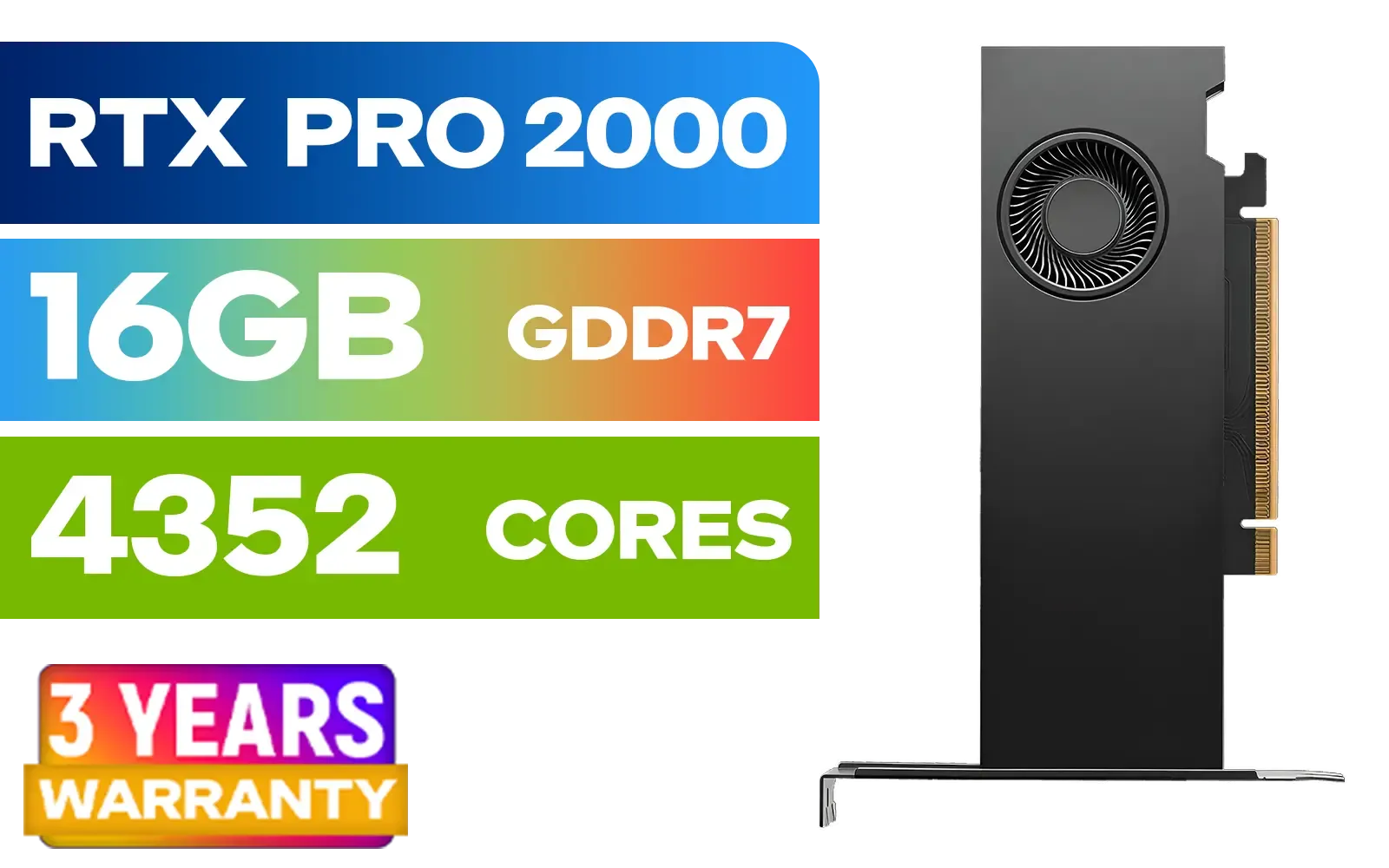
PNY RTX PRO 2000 Blackwell 16GB Graphics Card / 4352 CUDA CORES / 16GB GDDR7 with ECC / 128-bit Memory / NVIDIA Blackwell Architecture / VCNRTXPRO2000-PB
R15399.00In Stock

SAPPHIRE NITRO+ RX 9070 Gaming OC 16GB Graphics Card / 16GB GDDR6 Memory / 3584 Stream Processors / 256-bit Memory Interface / Boost Clock : 2700 MHz / AMD RDNA™ 4 Architecture / 56 Ray Accelerators / 11349-01-20G
R13599.00In Stock
Fuelling AI and Next-Gen Ray Tracing 🚀
Features like NVIDIA's DLSS and Frame Generation are hungry for memory bandwidth. Faster memory allows these AI-powered tools to work more effectively, potentially reducing latency and producing even cleaner images. For complex ray-traced lighting and shadows, the high speed of GDDR7 memory is essential to prevent performance bottlenecks and deliver truly immersive worlds.
TIP FOR YOU
PSU Pro Tip 🔧
When planning for a next-gen GPU, don't skimp on the power supply! Look for a reputable brand with an 80+ Gold rating and consider a slightly higher wattage than recommended. This extra headroom helps manage power spikes, ensuring system stability and protecting your valuable components.
More Than Just Speed… It’s About Smarter Power
Impressively, early signs suggest GDDR7 will achieve its groundbreaking speeds while being more power-efficient than GDDR6X. This is fantastic news for South African builds. Better efficiency means the memory chips produce less heat, making them easier to cool. This could lead to quieter graphics cards and put less strain on your PC's power supply... and your monthly Eskom bill.
Of course, NVIDIA won't be the only player. This new memory standard will be a crucial battleground, and we can't wait to see how it gets implemented in AMD's RDNA architecture down the line.
SAPPHIRE NITRO+ RX 9070 Gaming OC 16GB Graphics Card / 16GB GDDR6 Memory / 3584 Stream Processors / 256-bit Memory Interface / Boost Clock : 2700 MHz / AMD RDNA™ 4 Architecture / 56 Ray Accelerators / 11349-01-20G
R13599.00In Stock
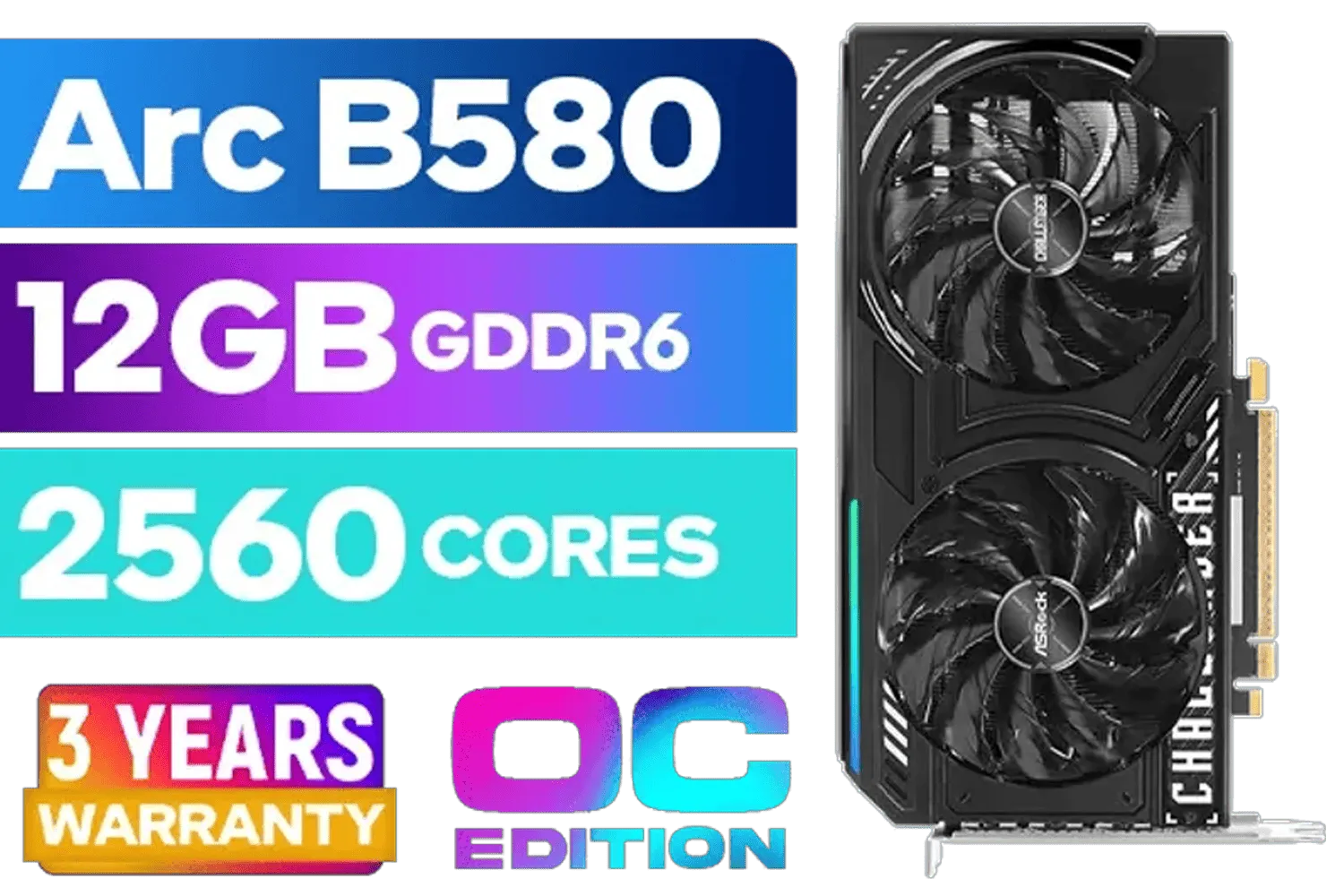
ASRock Intel ARC B580 Challenger OC Graphics Card / 12Gb 192-bit GDDR6 / DirectX 12 Ultimate / 2560 Cores / 2740MHz Engine Clock / 90-GA5LZZ-00UANF
R6499.00In Stock

XFX SWIFT AMD Radeon RX 9060 XT OC 16GB Graphics Card - Black / 16GB GDDR6 / 2048 Stream Processors / 128-bit Memory Interface / Boost Clock : 3320 MHz / RX-96TSW16BQ
R7999.00In Stock

Palit GeForce RTX 5070 Ti GameRock 16G / 16GB GDDR7 / 28Gbps Memory Speed / PCI Express® Gen 5 / NE7507T019T2-GB2030G
R17999.00In Stock
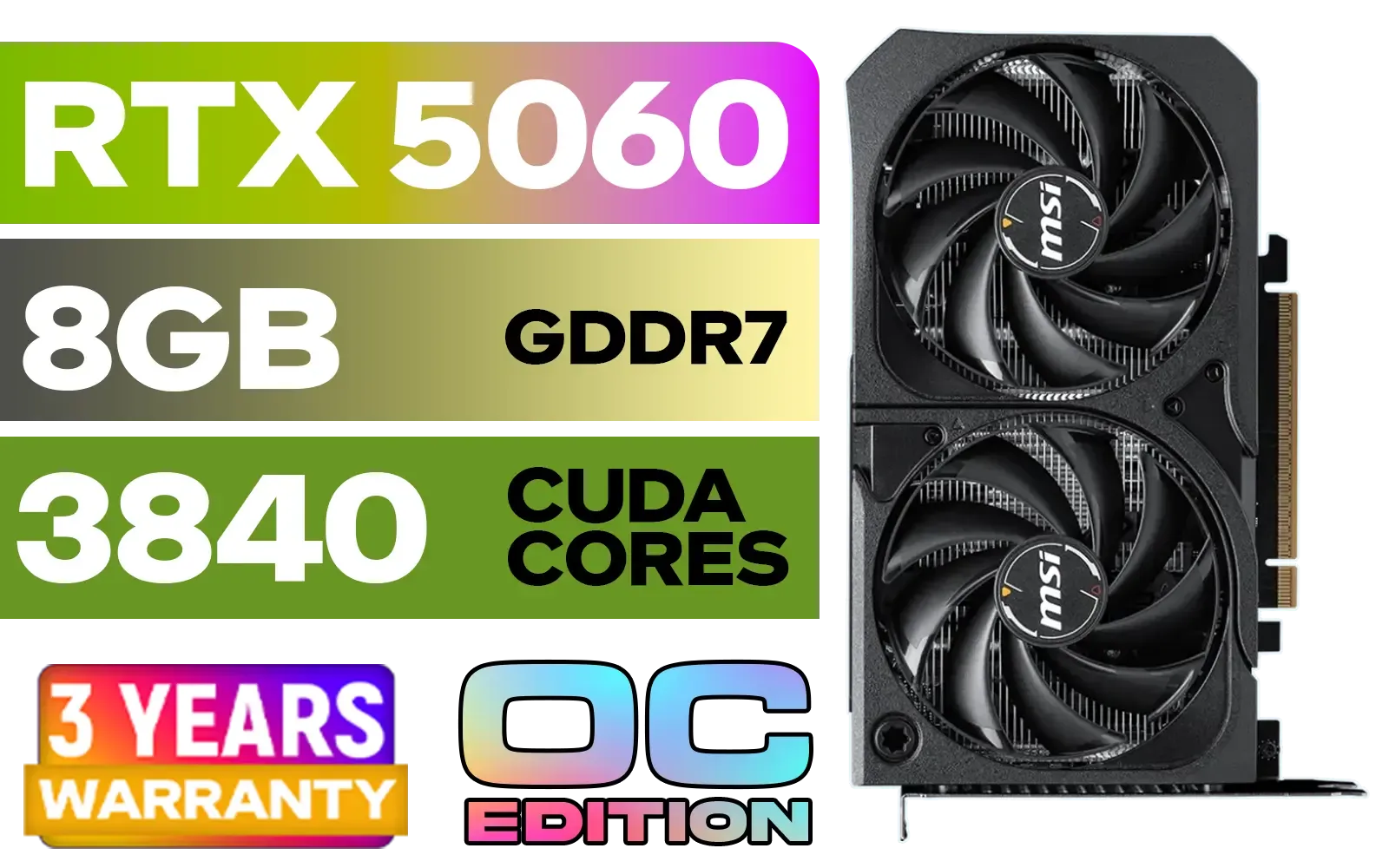
MSI GeForce RTX 5060 8GB Shadow 2X OC Graphics Card / 8GB GDDR7 / 3840 Cuda Cores / 128-bit Memory Interface / Extreme Performance: 2535 MHz / 28 Gbps Memory Speed / DisplayPort x 3 (v2.1b), HDMI™ x 1 / 912-V537-019
R5999.00In Stock
Palit GeForce RTX 5090 GameRock 32GB GDDR7 512-Bit PCIe 5.0 Desktop Graphics Card / NE75090019R5-GB2020G
R47999.00In Stock
When Can We Expect GDDR7 in South Africa?
Patience, padawan. While the technology is real, we'll likely see official announcements for GPUs featuring GDDR7 memory towards the end of 2024, with availability in South Africa following in early 2025. Once the first reference cards land, we’ll be eagerly awaiting the enhanced, better-cooled custom models from partners like MSI to hit our shelves. The wait will be tough, but the performance payoff promises to be huge.
Ready to Power Up Your Rig? The future is fast, but you don't have to wait to experience incredible gaming. Today's top-tier components offer amazing value and performance right now. Check out our latest PC deals and build a machine that's ready for today's battles and tomorrow's adventures.
Related Products

XFX Quicksilver AMD Radeon RX 9070 XT Graphics Card / 4096 Stream Processors / 256-bit Memory Interface / Boost Clock : 2970 MHz / AMD RDNA™ 4 Architecture / RX-97TQICKB9
R14999.00In Stock
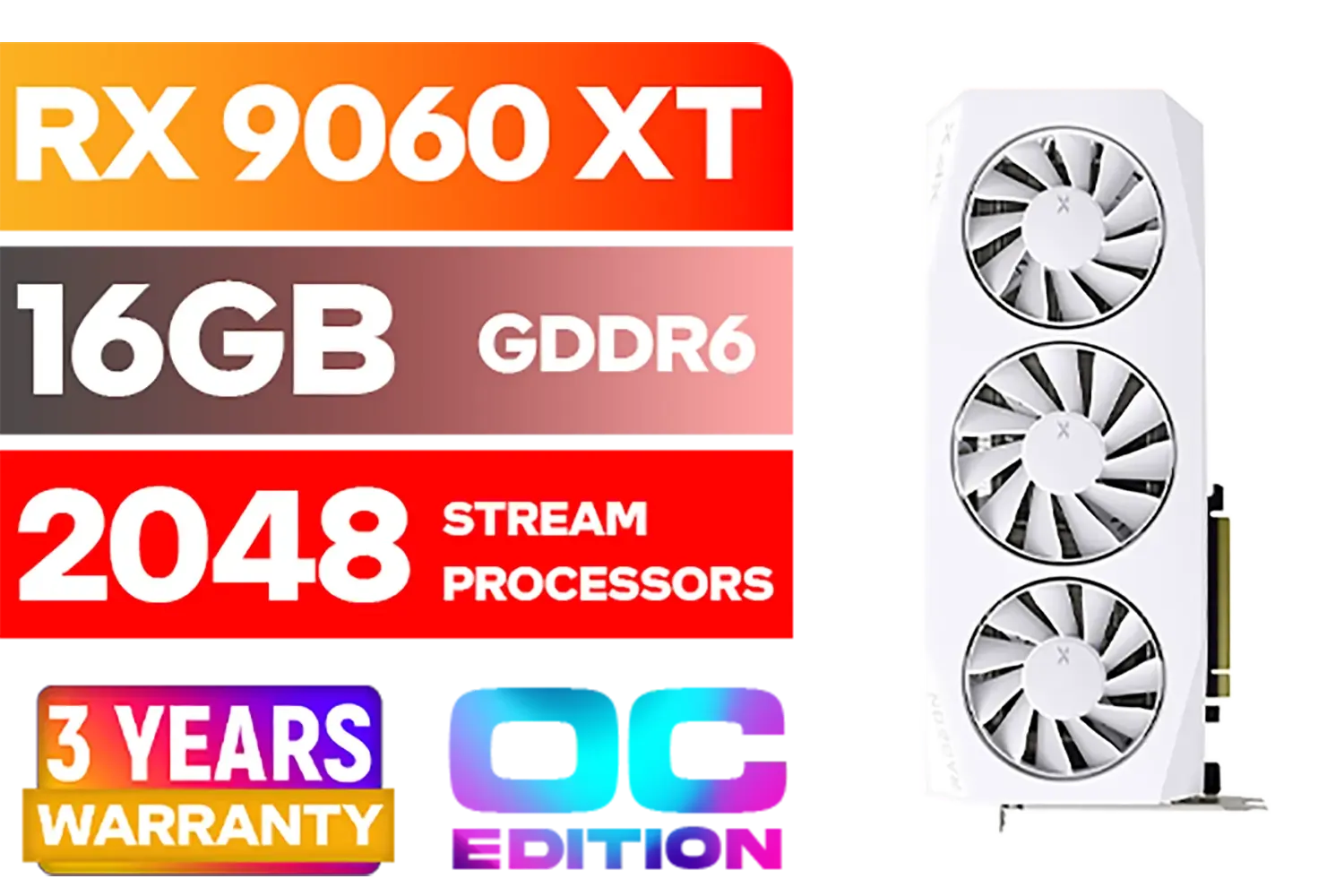
XFX Mercury AMD Radeon RX 9060XT OC White Gaming Edition with 16GB GDDR6 HDMI 2xDP, AMD RDNA 4 / RX-96TMERCW9
R9199.00In Stock

Palit GeForce RTX 5080 GamingPro 16GB GDDR7 / 30Gbps Memory Speed / PCI Express® Gen 5 / NE75080019T2-GB2031A
R24199.00In Stock
Palit GeForce RTX 5060 OC Graphics Card - White / 8GB GDDR7 / 3840 Cuda Cores / 128-bit Memory Interface / Boost Clock : 2497 MHz / PCI Express® Gen 5 / NE75060U19P1-GB2063M
R6999.00In Stock
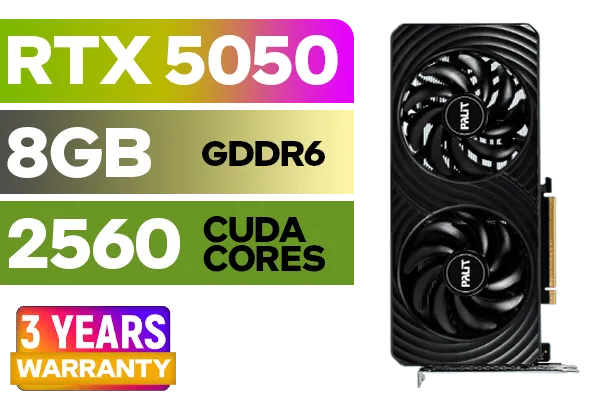
Palit GeForce RTX™ 5050 DUAL Graphics Card / 8GB GDDR6 / 2560 Cuda Cores / 128-bit Memory Interface / Boost Clock : 2572 MHz / PCI Express® Gen 5 / NE65050019P1-GB2070D
R5699.00In Stock

MSI GeForce RTX 5060 8G Gaming Trio OC Graphics Card / 8GB GDDR7 / 3840 Cuda Cores / 128-bit Memory Interface / Boost Clock : 2625 MHz / PCI Express® Gen 5 / 912-V537-021
R8499.00In Stock
GDDR7 is the next-gen graphics DRAM; 28Gbps increases bandwidth, improving frame rates and throughput for heavy textures, ray tracing and AI tasks.
GDDR7 delivers higher per-pin speed and better efficiency than GDDR6, offering clearer bandwidth gains in high-resolution gaming and content workflows.
Yes—in bandwidth-limited scenarios like 4K textures and VR, the RTX 5070 Ti's 28Gbps GDDR7 can raise FPS and reduce stuttering.
Not necessarily; GDDR7 targets better energy per bit. You may see modest power increase but improved efficiency versus older chips.
For large datasets, 28Gbps memory reduces frame times and accelerates GPU compute, improving export and inference speeds for creators and AI workloads.
Yes—upgrading to a GPU with GDDR7 like the RTX 5070 Ti gives immediate bandwidth and efficiency gains; check compatibility with your PSU and case.
Higher bandwidth usually lowers effective latency for large transfers, boosting sustained performance in games and professional apps that use large memory pools.