High Refresh Rate Monitor: How the LG 27GS75Q Improves Aim & Reaction
High refresh rate monitor tech like the LG 27GS75Q reduces input lag and motion blur to sharpen aim and cut reaction time for gamers. Learn settings, tests, and pro tips to gain an edge. 🎯⚡
|
Loading tags...

You've been there. A tense 1v1 in Valorant, you peek the corner, see the enemy, and fire... but you're already staring at the respawn screen. You felt like you were first, so what happened? Often, the culprit isn't just skill or "bad ping." It could be your monitor. A standard 60Hz screen is holding you back. Upgrading to a high refresh rate monitor isn't just a luxury; it's a tangible competitive advantage.
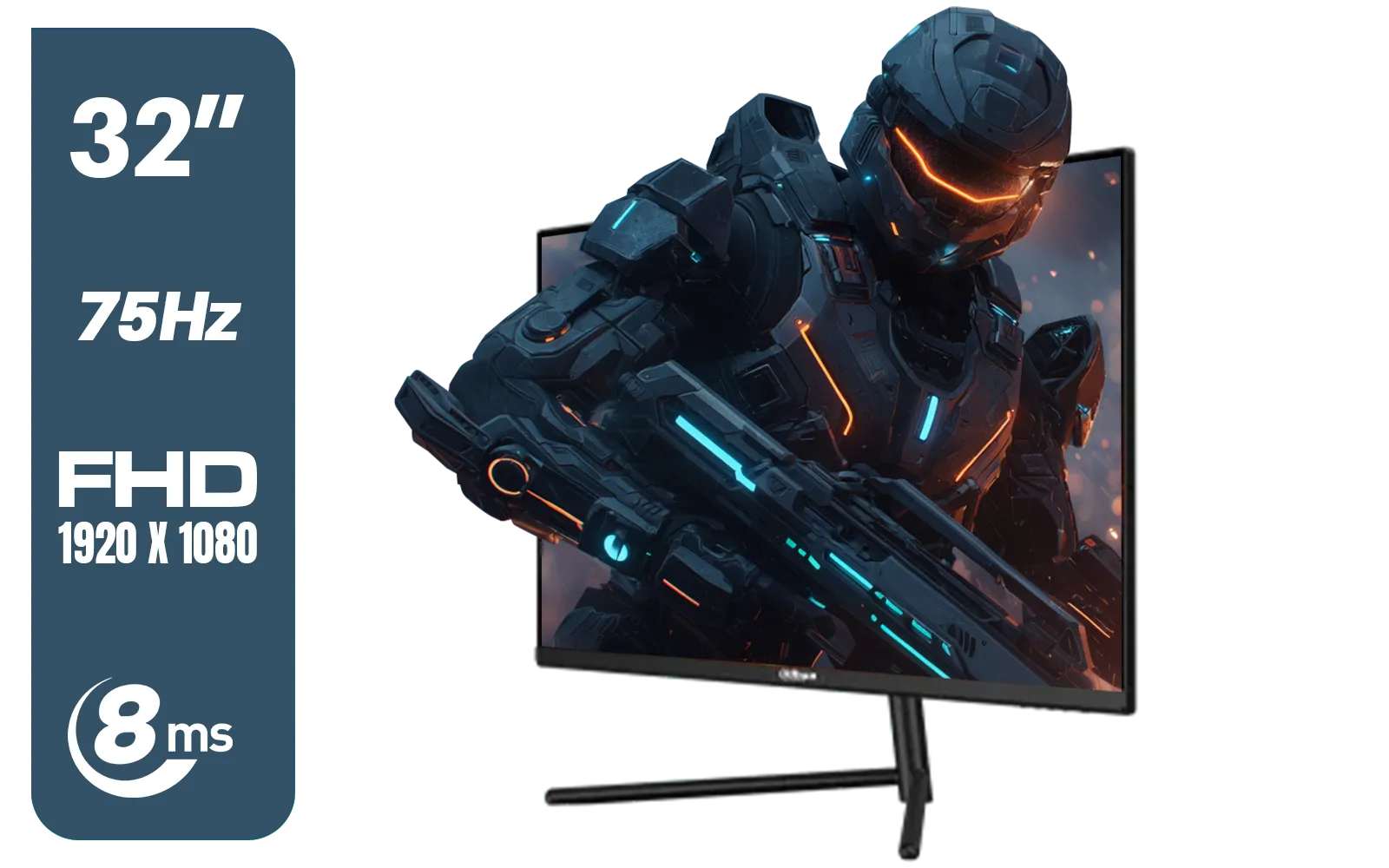
DAHUA DHI-LM32-A200X 32" LED MONITOR / Bezel-less Design / IPS Level-Display / 8ms Response Time / FHD 1920x1080 / 75Hz Refresh Rate / Low Blue Light / DHI-LM32-A200X
R3399.00In Stock
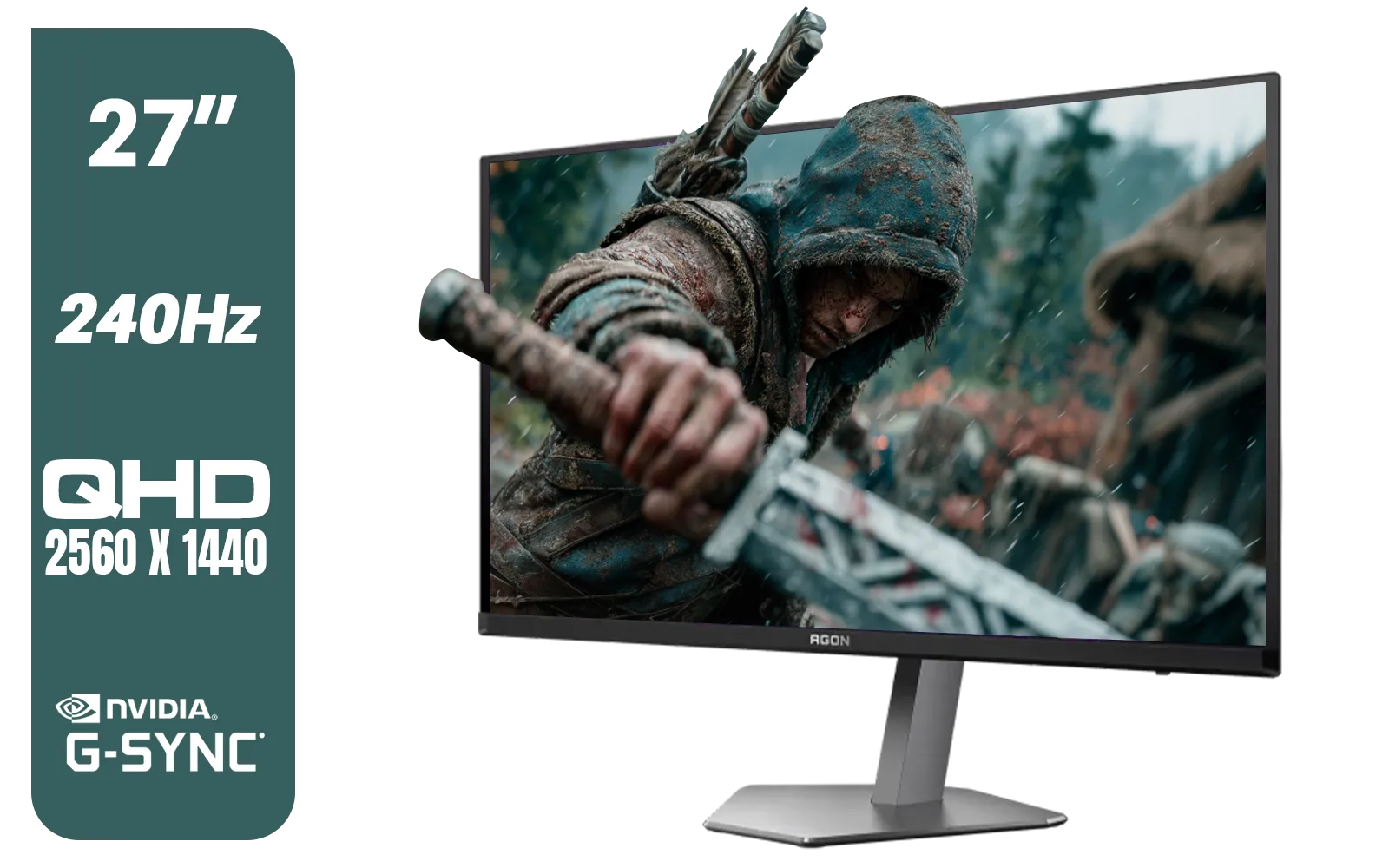
AOC Agon Pro AG276QZD2 27" 240Hz Gaming Monitor / QHD (2560x1440) OLED Display / 0.03 ms Response Time / G-SYNC Compatible / USB 3.2 Gen 1, USB Hub, USB Downstream / AG276QZD2
R15499.00In Stock
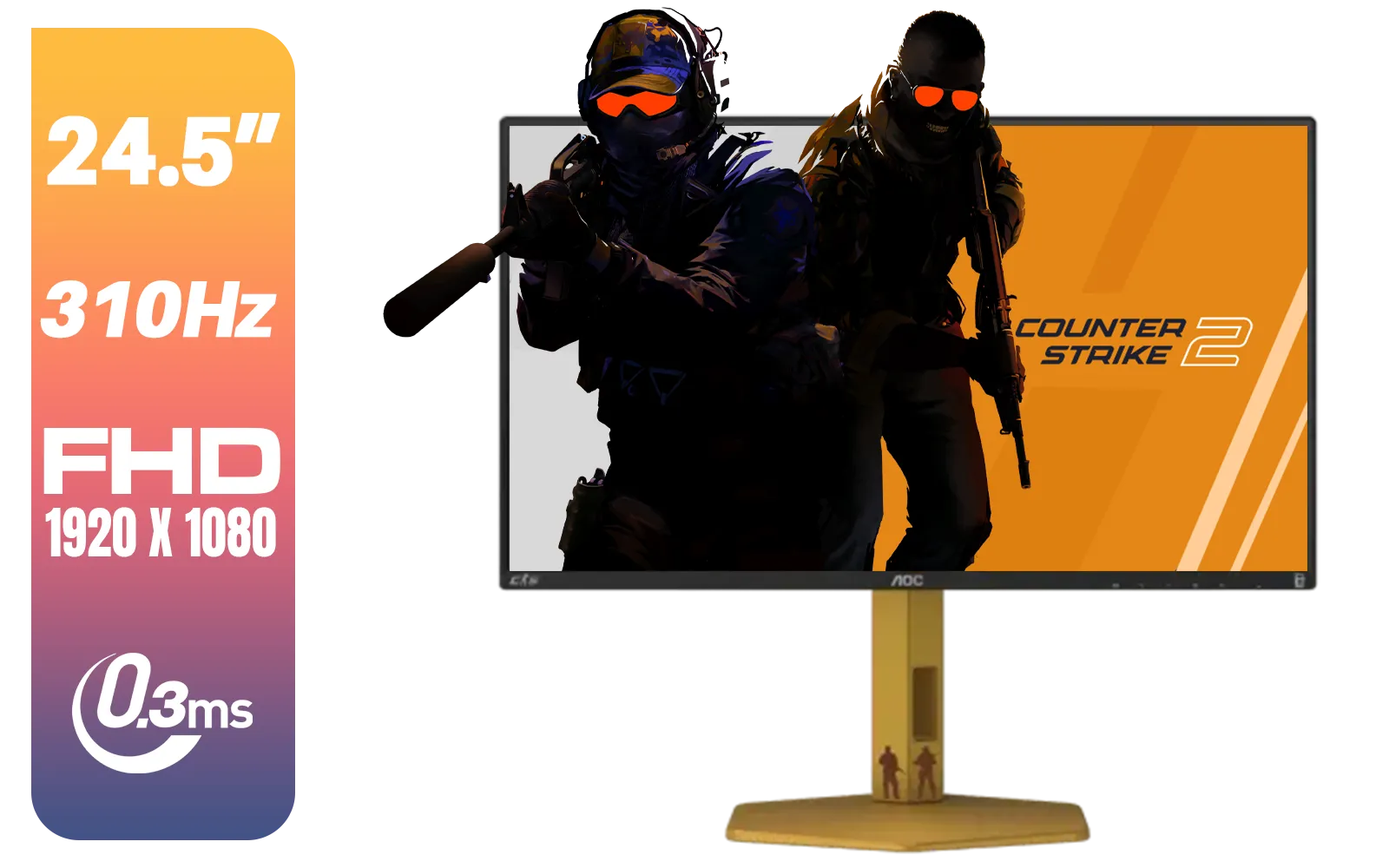
AOC CS25G 24.5" Gaming Monitor / FHD (1920 x 1080) / 310Hz Refresh Rate / 0.3ms Response Time / IPS-Level Display / Certified HDR400 / G-sync Compatible / CS25G
R4999.00In Stock

Dahua 27" QHD Gaming Monitor - E331 / 1000:1 Contrast ratio / 16.7M Colors / 2560x1440 / 180Hz Refresh Rate / 1ms Response Time / DHI-LM27-E331
R3199.00In Stock
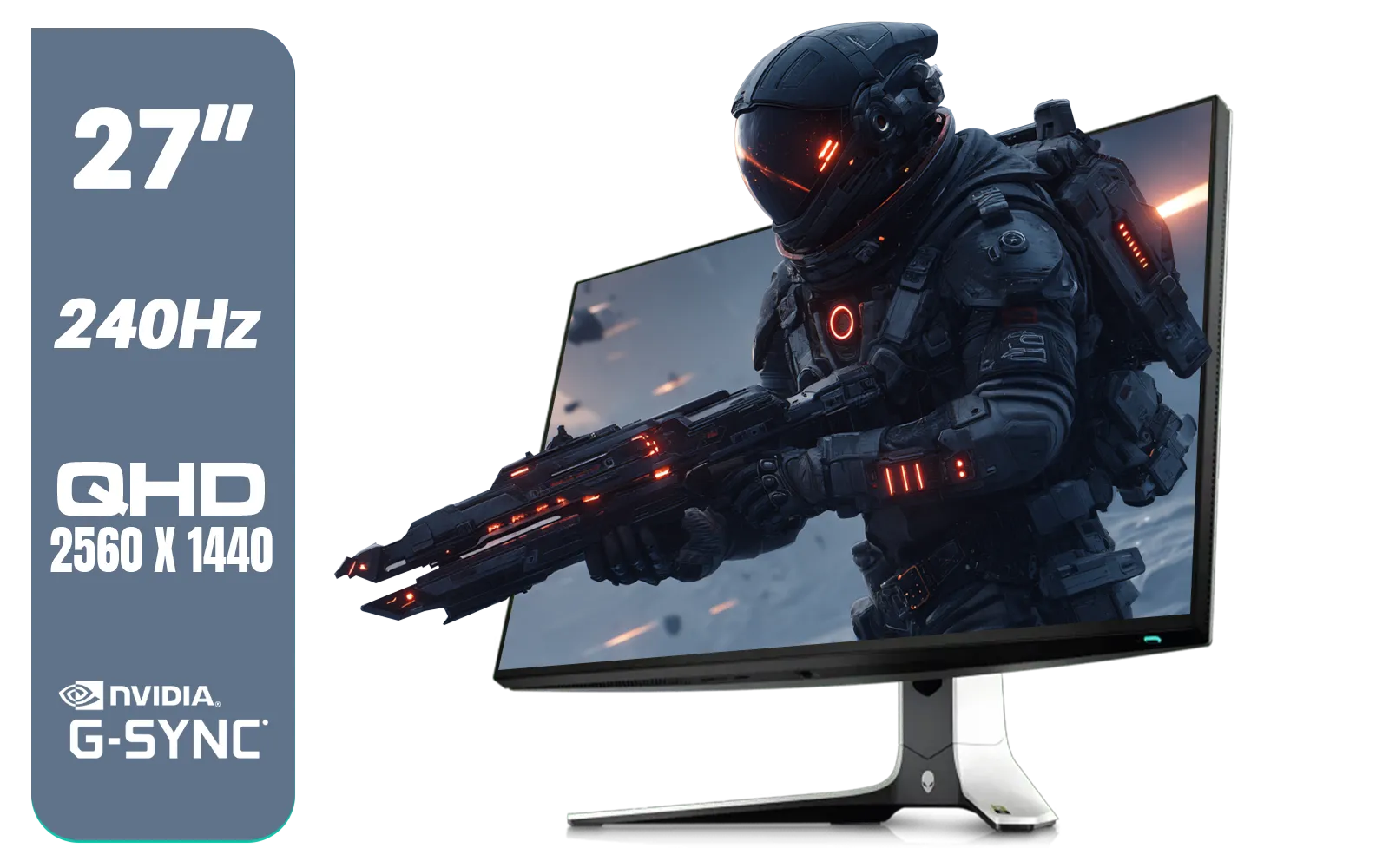
Alienware AW2723DF Gaming Monitor - 27-inch (2560 x 1440) 240Hz Display (DP 1.4), 1ms Response Time, NVIDIA G-Sync, Preset OSD Modes, Height/Tilt/Swivel/Pivot Adjustability - Lunar Light / AW2723DF
R8699.00In Stock
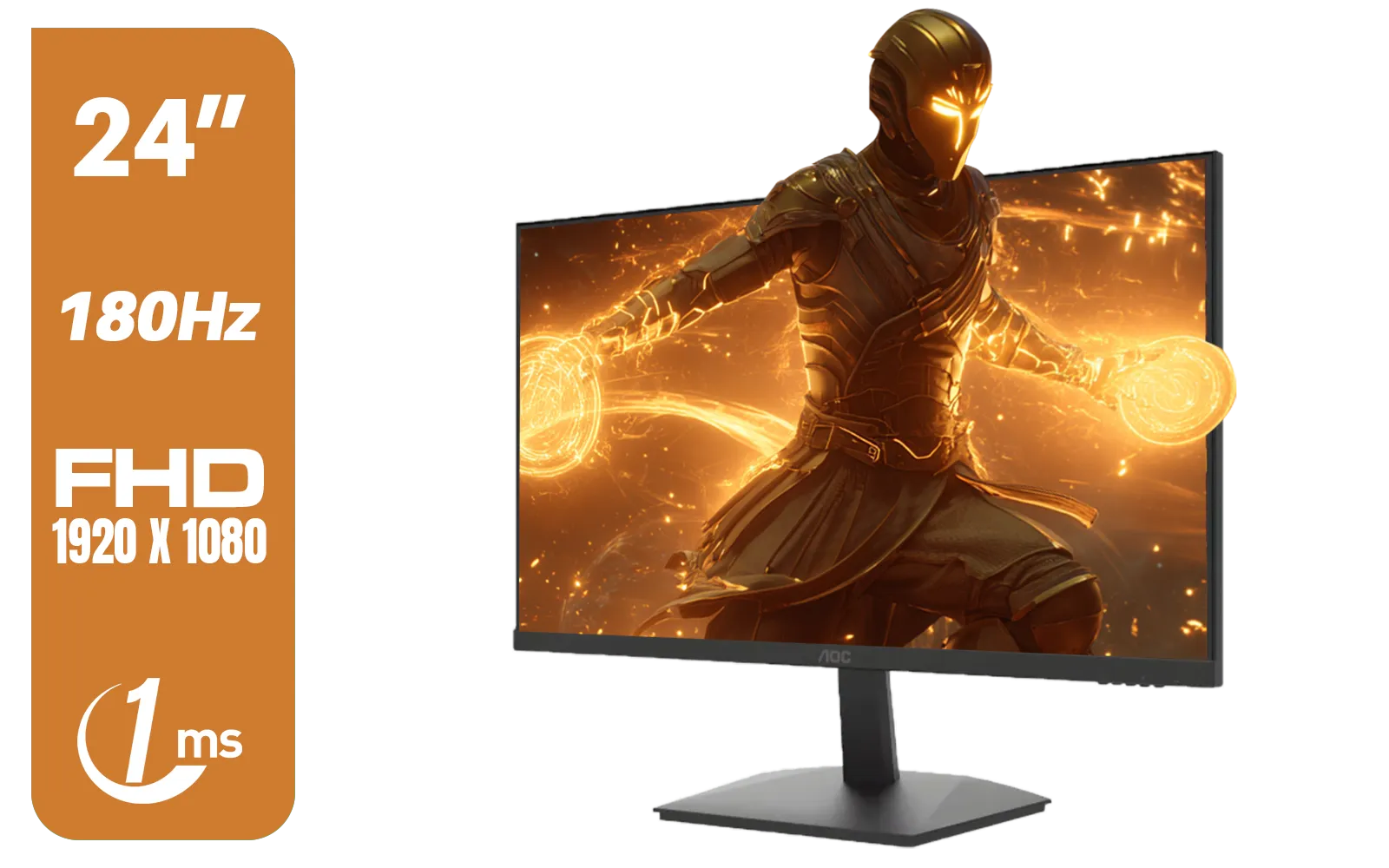
AOC 24G15N Gaming Monitor / 24" / VA FHD 1920x1080 / 180hz / 1ms / HDMI DP|VESA / Flicker Fee / Low Blue Mode / Adaptive Sync/ AOC-24G15N
R2299.00In Stock
How a High Refresh Rate Monitor Gives You the Edge
Let's break it down. Refresh rate, measured in Hertz (Hz), is how many times your screen updates with a new image every second. A standard 60Hz monitor shows you 60 frames per second (FPS). A high refresh rate monitor like the LG 27GS75Q, which boasts a blistering 180Hz, shows you three times as much visual information. 🚀
Think of it like a flipbook. More pages create smoother animation. In gaming, this translates to:
- Silky-Smooth Motion: Objects and enemies move across the screen without that jarring, blurry stutter. This makes tracking targets with your crosshair feel incredibly fluid and natural.
- Reduced Input Lag: Because the screen is drawing new information more frequently, the delay between your mouse click and the action appearing on-screen is reduced. It might only be milliseconds, but in competitive shooters, milliseconds decide winners.
Sharpen Your Aim with Superior Clarity
When you flick your mouse to aim at a fast-moving opponent on a 60Hz screen, the image can become a blurry mess. This is called motion blur, and it makes precise aiming a nightmare. A monitor with a high refresh rate drastically reduces this effect.
With the 180Hz panel on the LG 27GS75Q, that enemy sprinting across your screen remains a clear, distinct target. Each of the 180 frames per second gives your brain a cleaner snapshot, allowing you to adjust your aim with more accuracy and confidence. You're no longer shooting at a blur; you're shooting at a well-defined player model. This clarity is a fundamental reason why a fast refresh rate monitor directly contributes to better performance.
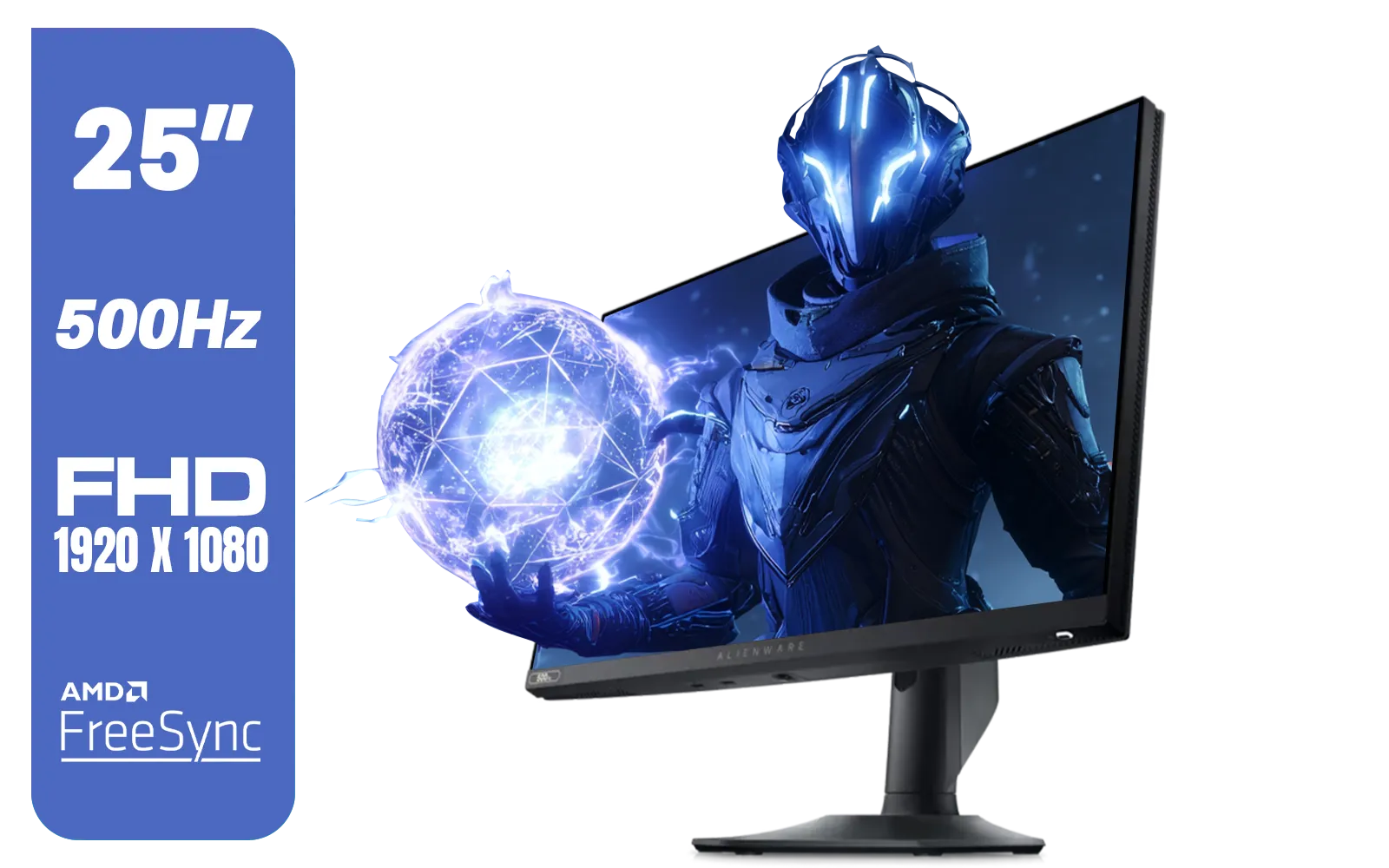
Alienware AW2524HF Gaming Monitor/ 25-inch / IPS Panel / Full HD (1920 x 1080)/ 500Hz refresh rate / 1 ms Response Time / VESA Adaptive-Sync, AMD FreeSync Premium / AW2524HF
R12999.00In Stock
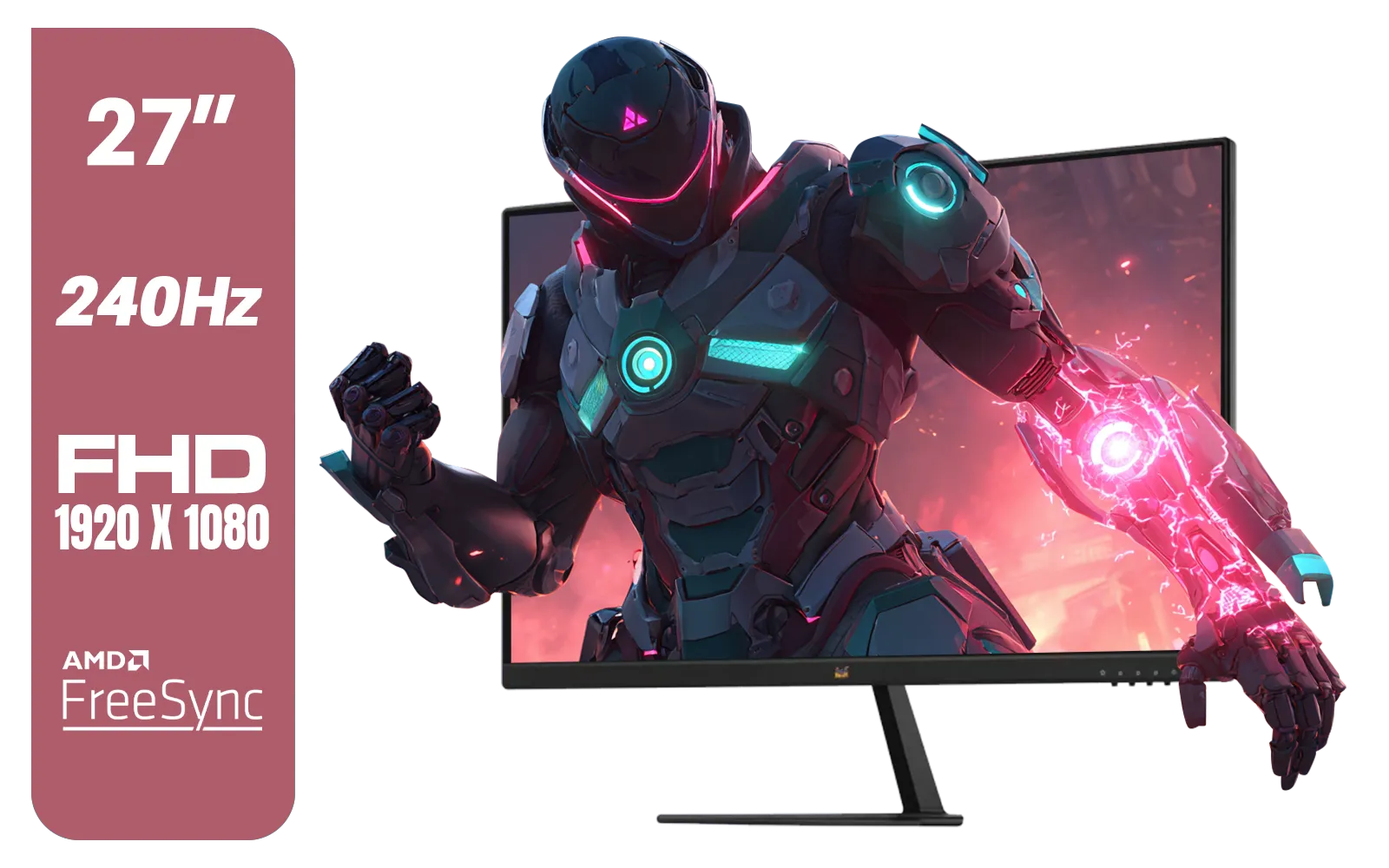
ViewSonic VX2779A-HD-PRO 27" Gaming Monitor / IPS-Level Display / 240Hz Refresh Rate / 1ms MPRT / AMD FreeSync / HDR10 / VX2779A-HD-PRO
R4099.00In Stock
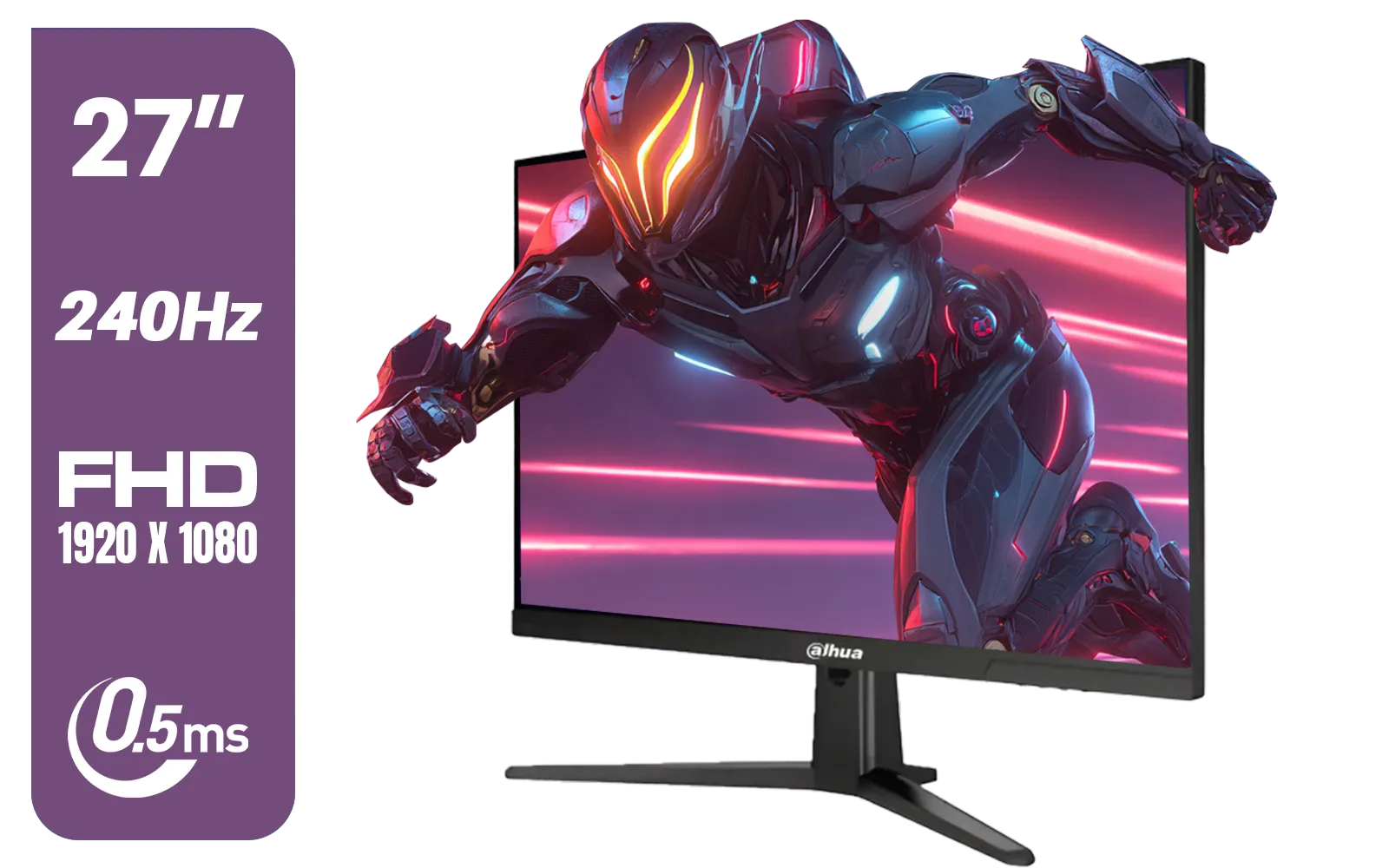
Dahua LM27-E241B 27" Gaming Monitor / FHD 1920 x 1080 / 240Hz Refresh Rate / 0.5ms Response Time / DHI-LM27-E241B
R2499.00In Stock
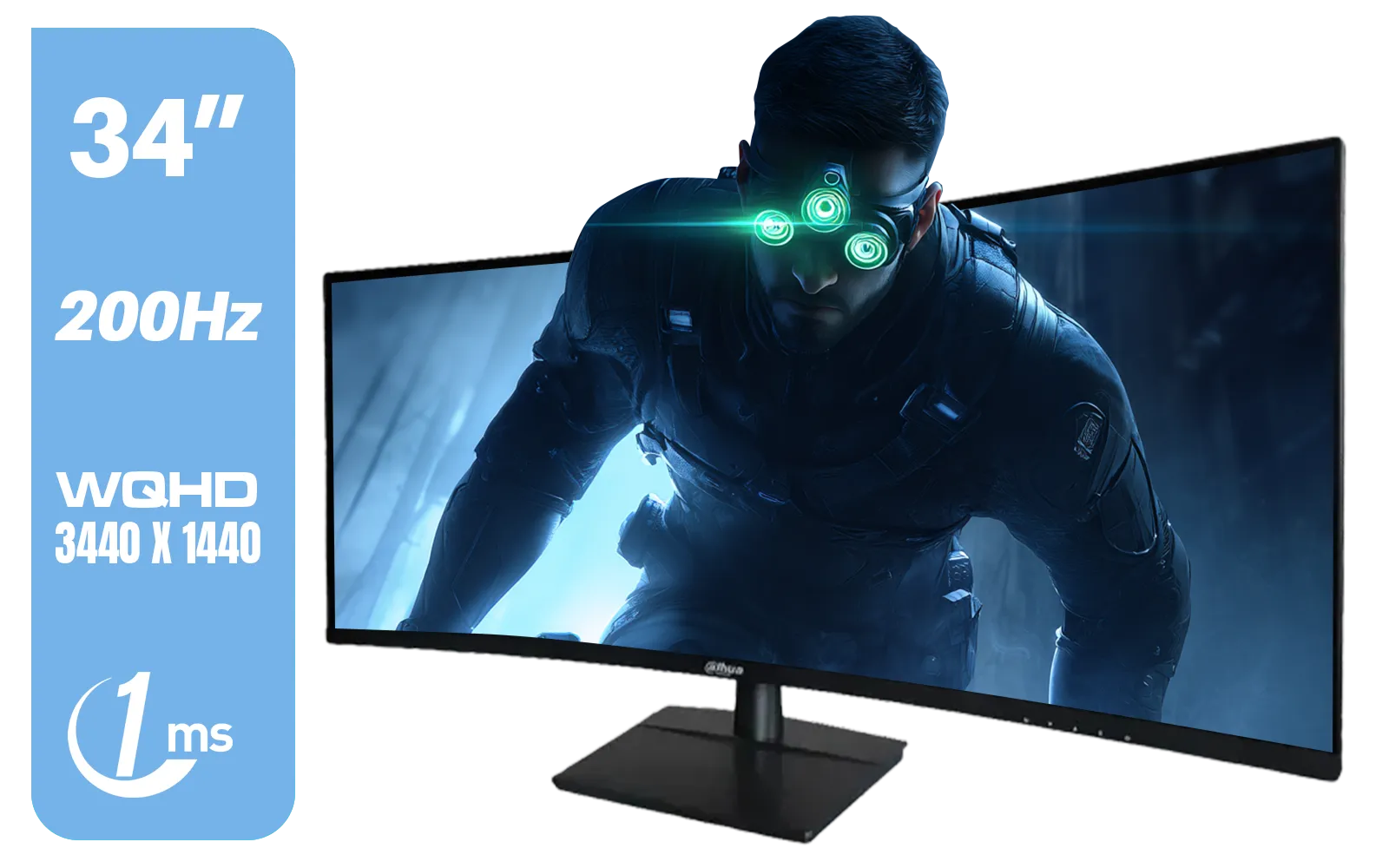
Dahua LM34-E330CN 34" LED Monitor / Adaptive-Sync Technology / 1ms Response Time / WQHD 3440x1440 / 200Hz Refresh Rate / HDR400 ready / 1500R Curvature / DHI-LM34-E330CN
R4699.00In Stock

Samsung M70D 32″ Smart Monitor / UHD (3840 x 2160) Resolution / 60Hz refresh rate / 4ms response time / LS32DM702UAXXA
R7799.00In Stock
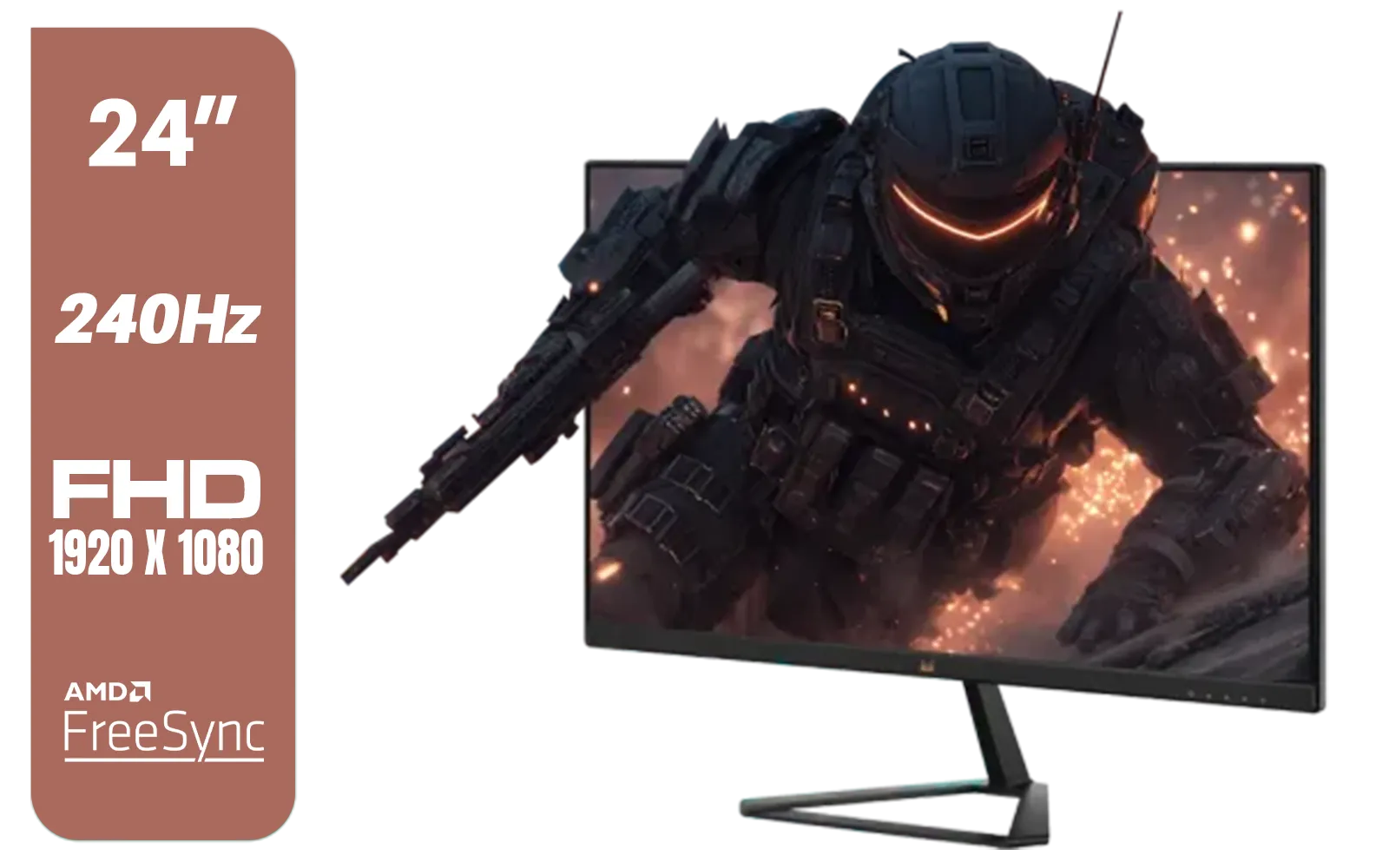
ViewSonic VX2479A-HD-PRO 24" Gaming Monitor / IPS-Level Display / 240Hz Refresh Rate / 1ms MPRT / AMD FreeSync / HDR10 / VX2479A-HD-PRO
R3199.00In Stock
TIP FOR YOU
Pro Tip: Unlock Your Monitor's True Speed ⚡
Just plugging in your new monitor isn't enough! Right-click your desktop, go to 'Display settings' > 'Advanced display', and make sure you've selected the highest available refresh rate (e.g., 180Hz) from the dropdown menu. Many gamers forget this and play on the default 60Hz for months!
Beyond Hertz: Tearing, Ghosting, and the Complete Picture
A high refresh rate is the main event, but other features complete the performance package. Screen tearing—where the monitor displays parts of multiple frames at once—can ruin the smooth experience you paid for. This is where Adaptive Sync technology comes in.
By synchronising your monitor's refresh rate with your graphics card's frame output, technologies like AMD FreeSync and NVIDIA G-Sync eliminate tearing completely. Many modern displays support the general Adaptive Sync standard, providing a tear-free experience for a wider range of hardware.
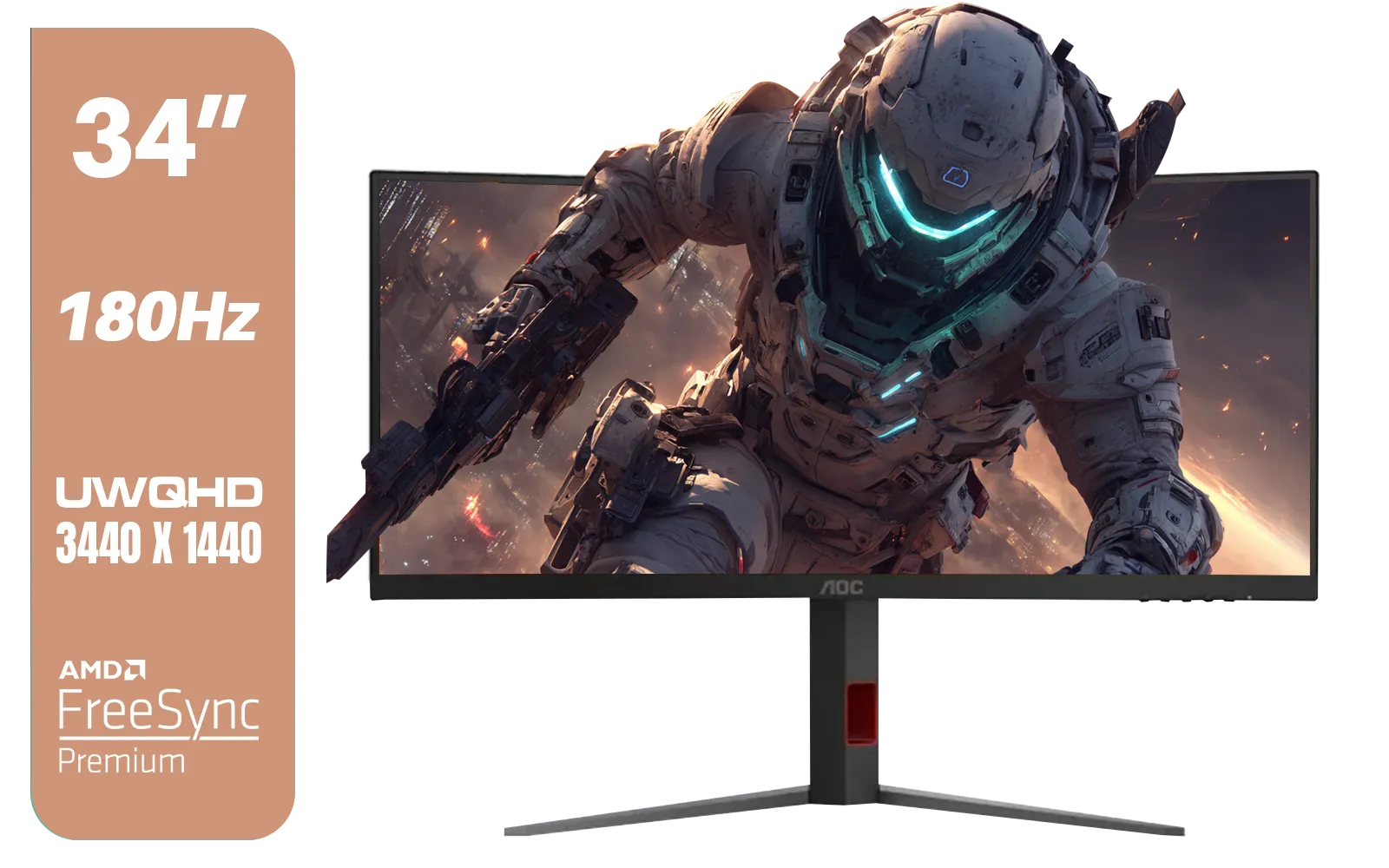
AOC CU34G4 34" Curved Gaming Monitor / UWQHD (3440x1440) / 180Hz Refresh Rate / 1ms Response Time (MPRT) / HDR10 / Adaptive Sync / CU34G4
R6999.00In Stock
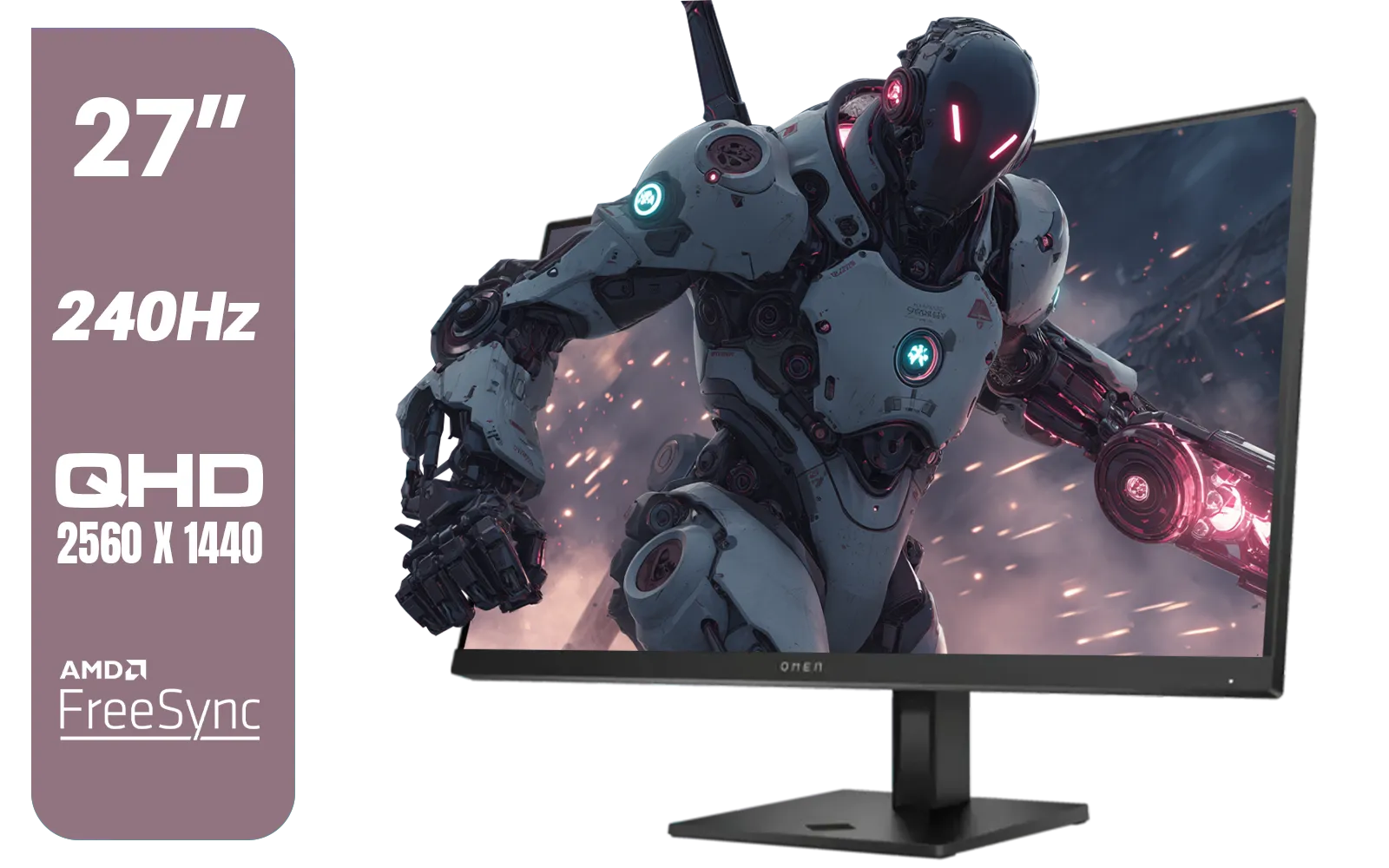
HP OMEN 27qs QHD 240Hz Gaming Monitor / QHD Resolution (2560 x 1440) / AMD FreeSync™ Premium / Eyesafe® certified / Height Adjustable Stand / Pivot Rotation Functionality / 780J4AS
R13499.00In Stock
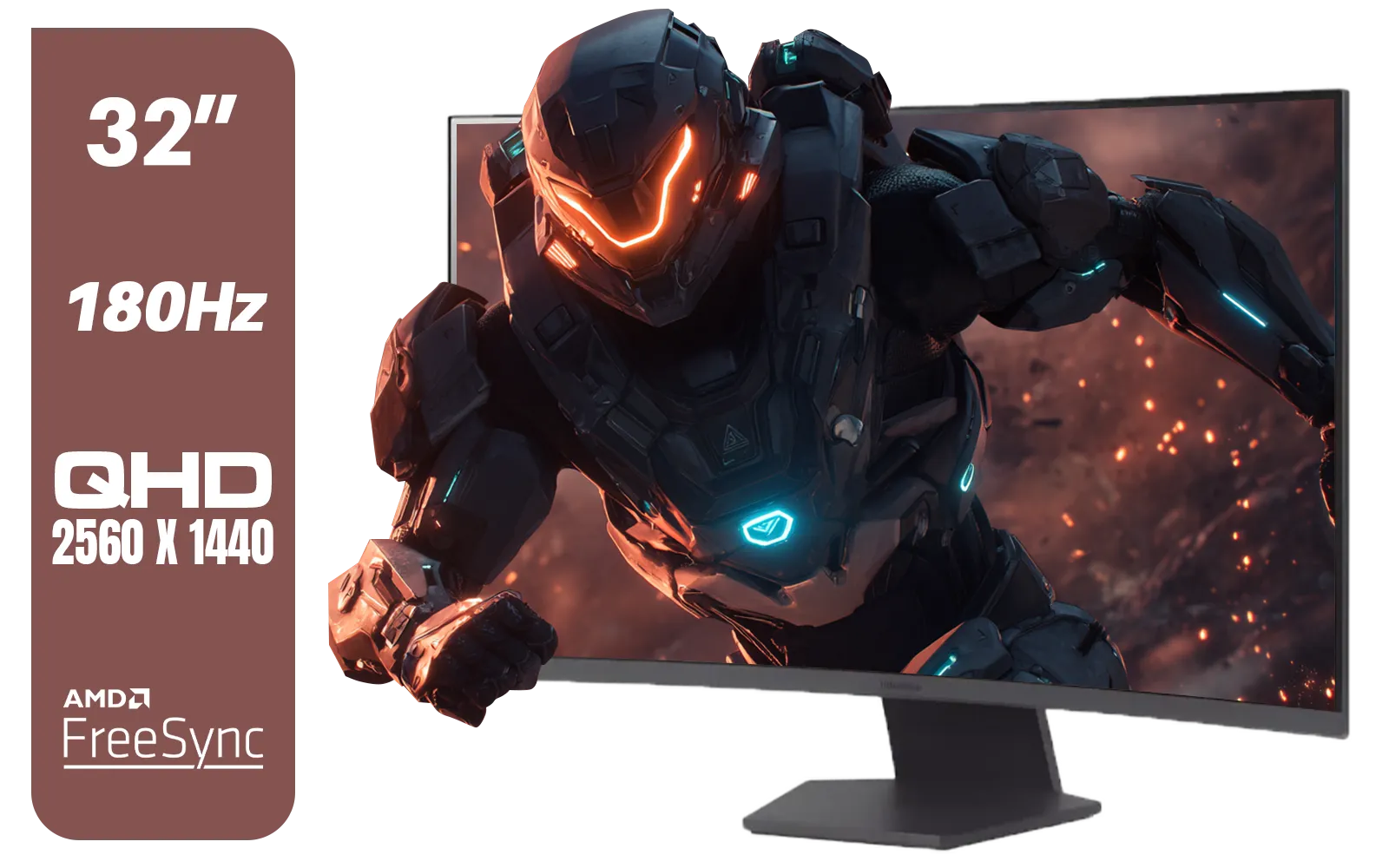
LG UltraGear 32" 32GS60QC QHD Gaming Monitor / QHD (2560 x 1440) Resolution / 180Hz Refresh Rate / 1ms GtG / 1000R Curved Screen / AMD FreeSync / 2x HDMI, 1x DisplayPort / Tilt Adjustable / HDR10 Support / AMD FreeSync™ / 32GS60QC
R4999.00In Stock
AOC 24G15N Gaming Monitor / 24" / VA FHD 1920x1080 / 180hz / 1ms / HDMI DP|VESA / Flicker Fee / Low Blue Mode / Adaptive Sync/ AOC-24G15N
R2299.00In Stock
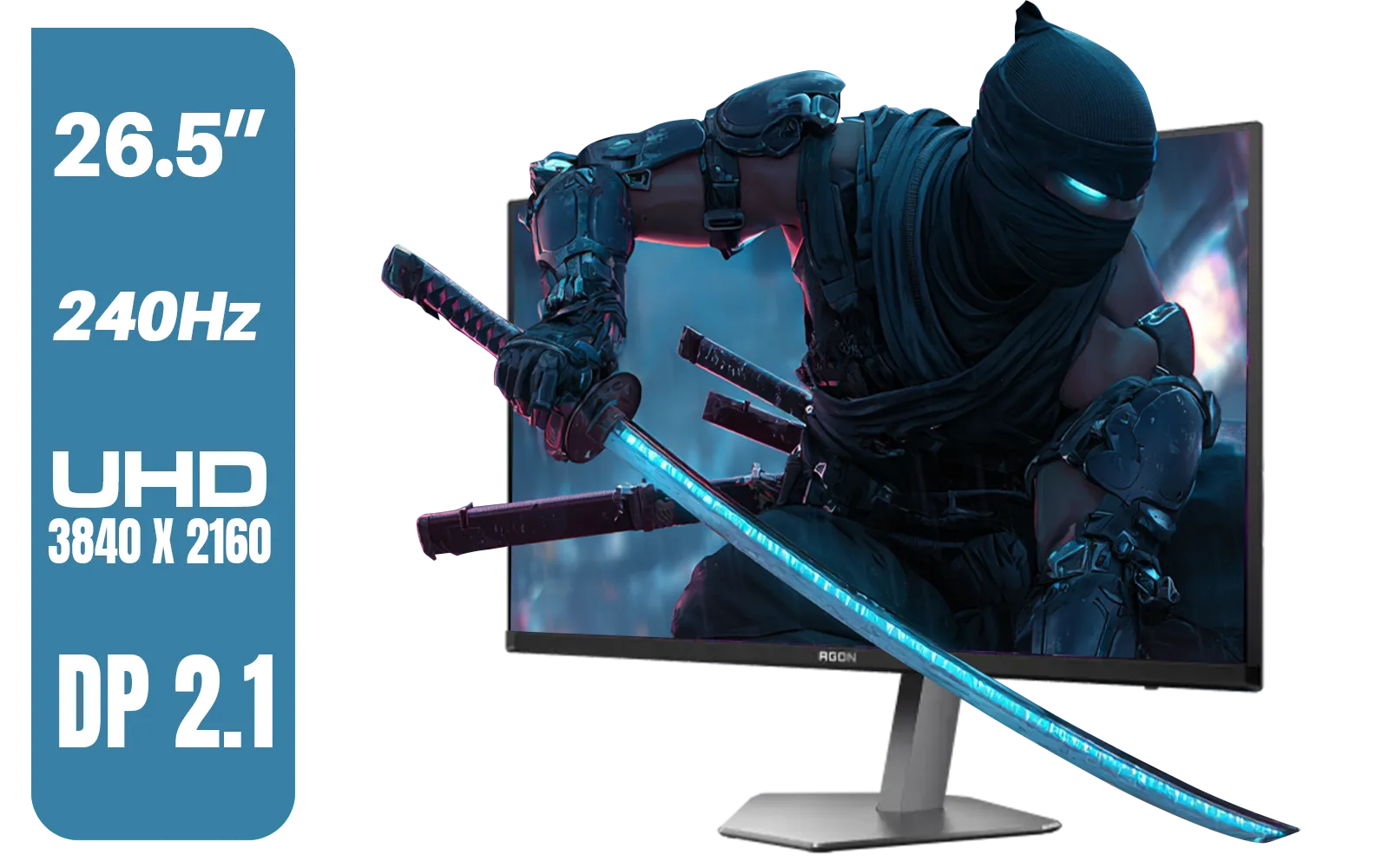
AOC AGON PRO AG276UZD 26.5" OLED Gaming Monitor / 4K UHD (3840 x 2160) Resolution / 240Hz Refresh Rate / 0.03ms Response Time / QD - OLED Panel / HDR True Black 400 / Adaptive Sync / AG276UZD
R19999.00In Stock
Alienware AW2524HF Gaming Monitor/ 25-inch / IPS Panel / Full HD (1920 x 1080)/ 500Hz refresh rate / 1 ms Response Time / VESA Adaptive-Sync, AMD FreeSync Premium / AW2524HF
R12999.00In Stock
While even panels with no adaptive sync benefit from higher refresh rates, sync tech is the final polish on a perfect visual experience. Combined with a rapid 1ms Gray-to-Gray (GtG) response time to eliminate "ghosting" or trailing images, you get a display that's built for one thing: winning. ✨
Ready to See the Difference? Stop letting your gear hold you back. A high refresh rate monitor is one of the most significant upgrades you can make for competitive gaming. Explore our massive range of PC monitors and find the perfect display to sharpen your aim and speed up your reactions.
Related Products
DAHUA DHI-LM32-A200X 32" LED MONITOR / Bezel-less Design / IPS Level-Display / 8ms Response Time / FHD 1920x1080 / 75Hz Refresh Rate / Low Blue Light / DHI-LM32-A200X
R3399.00In Stock
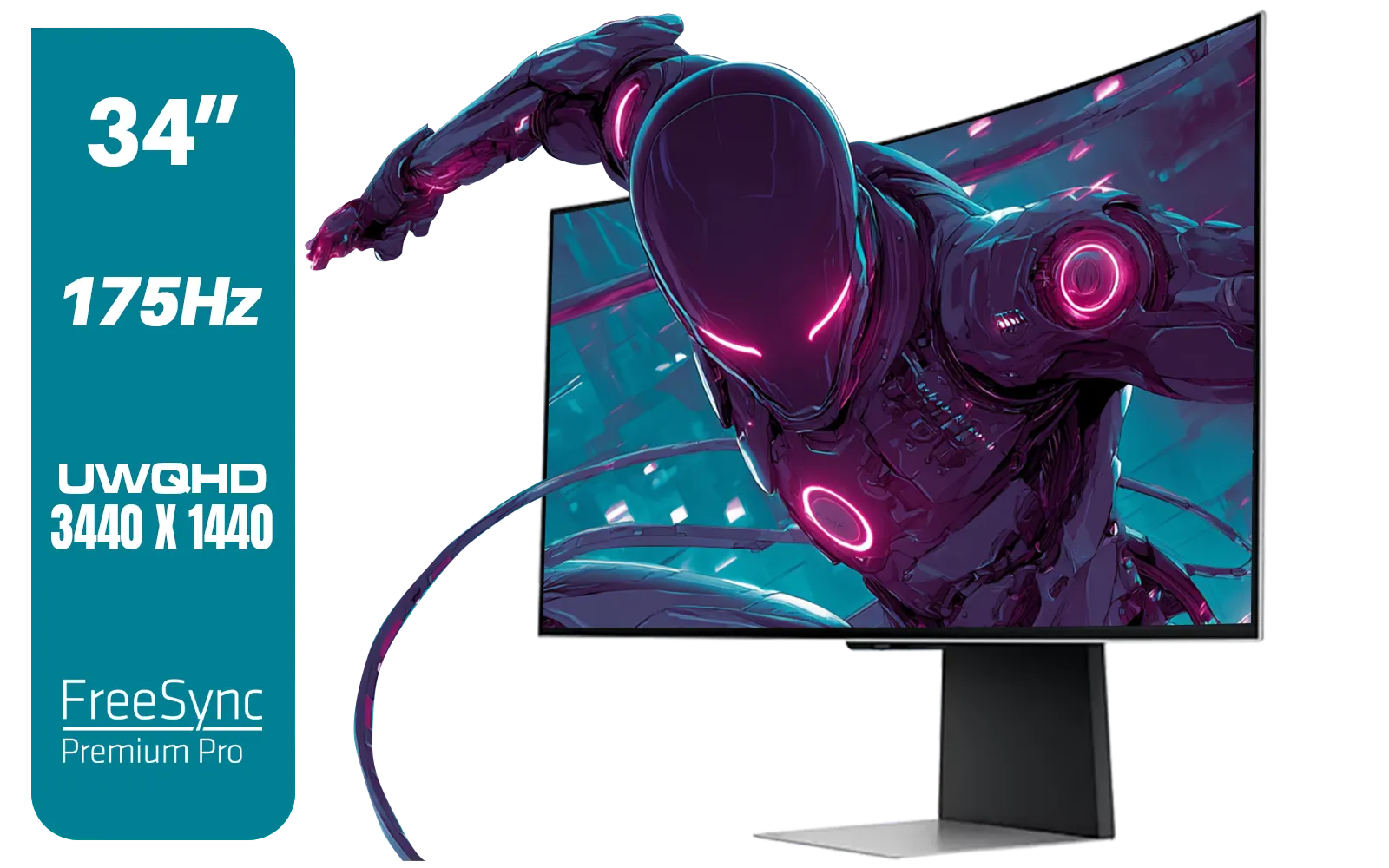
SAMSUNG Odyssey G8 Gaming 34" Monitor / 3440 x 1440 1800R OLED / 175Hz / GtG 0.03ms / FreeSync Premium Pro / G-Sync Compatible / LS34DG852SAXXA
R24999.00In Stock

ViewSonic 27” Full HD Monitor / Fast 1ms Response Time / 100Hz Refresh rate / IPS Panel / VA270-H
R2349.00In Stock

Dell SE2425HM Monitor 210-BQZT / FHD (1920 x 1080) Resolution / 5ms Response Time / IPS level Display / 178° Horizontal and Vertical Viewing Angles / SE2425HM
R1899.00In Stock
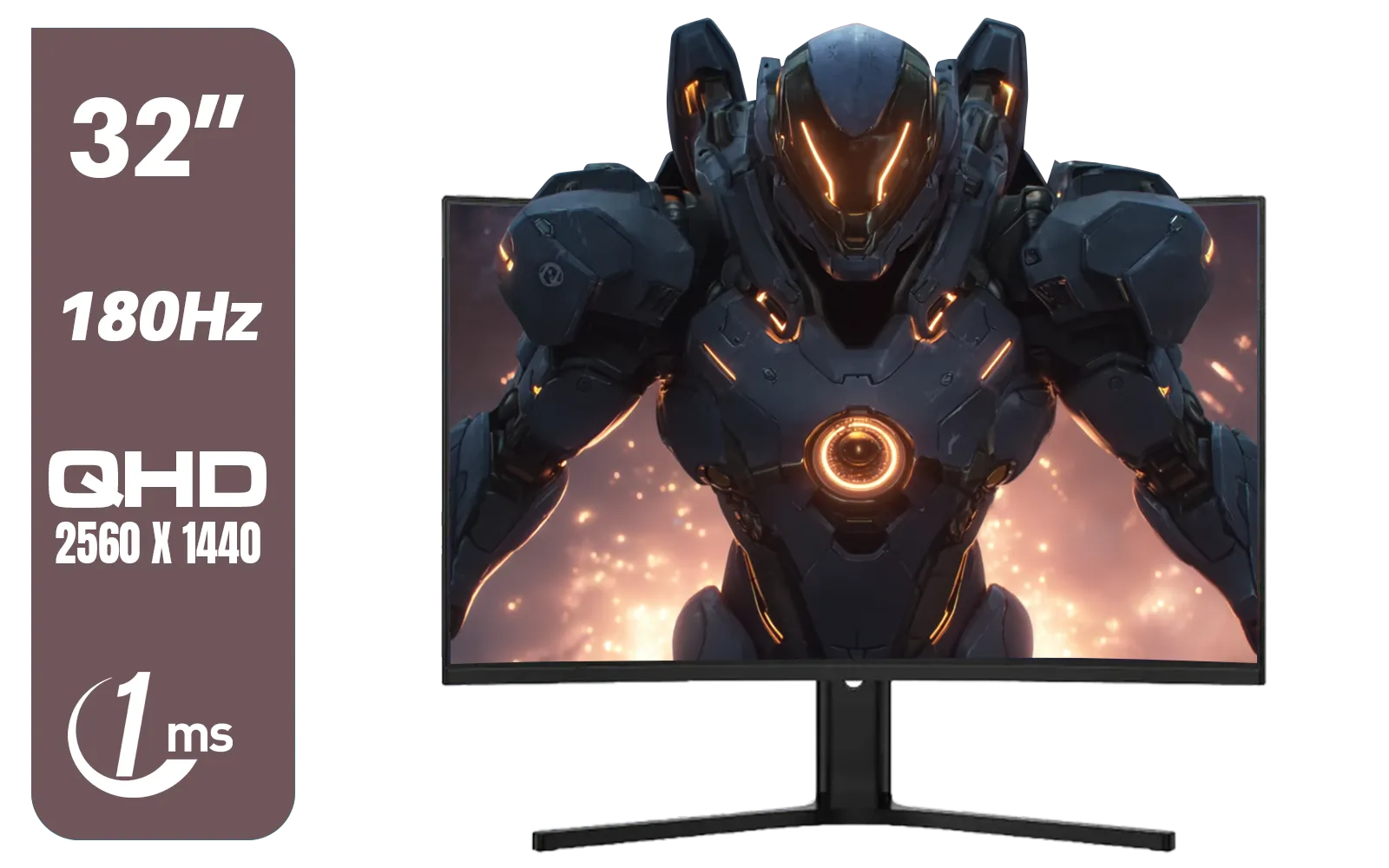
Dahua LM32-E330CA 32" 180Hz LED Monitor / Adaptive-Sync Technology / 1ms Response Time / QHD 2560x1440 / 180Hz Refresh Rate / DHI-LM32-E330CA
R3999.00In Stock

VIEWSONIC XG2709A 27" LCD Gaming Monitor / 240Hz Refresh Rate / SuperClear® IPS Panel / 1ms MPRT Response Time / AMD FreeSync™ & G-Sync Compatible / HDR10 Support / HDMI & DisplayPort Inputs / XG2709A
R3499.00In Stock
A high refresh rate monitor reduces motion blur and updates frames faster, making target tracking smoother and improving aim accuracy.
Yes—144Hz offers a clear uplift over 60Hz for reaction speed and target tracking; many players see measurable gains in aim.
Use 144Hz/240Hz mode if available, set response time to Fast, enable VRR, and lower post-processing for minimal input lag.
Both matter: refresh rate defines smoothness, response time limits ghosting. Combine high refresh with low response time for best results.
Absolutely—competitive players use high refresh rate monitors to gain faster visual updates and smoother aim in esports titles.
Input lag reduction varies, but moving from 60Hz to 144Hz often cuts perceptible lag by tens of milliseconds, aiding faster reactions.
If your GPU can sustain high FPS, 240Hz can further reduce latency and improve framing, but gains are smaller than 60Hz→144Hz.