High-Speed NVMe SSDs for Video Editing: A Workflow Game Changer
Upgrade to a high-speed NVMe SSD for video editing to slash render times and ensure smooth 4K playback. 🚀 Experience lag-free scrubbing and faster file transfers that keep your creative flow uninterrupted. 🎬
|
Loading tags...

Staring at a stuttering timeline in Premiere Pro? Is your DaVinci Resolve export taking longer than your lunch break? You’re not alone. For South African video editors, waiting for slow storage is a massive creativity killer. But what if you could eliminate that lag for good? The secret isn’t a new CPU or more RAM… it’s in your drive. High-speed NVMe SSDs for video editing are the single biggest upgrade you can make to your workflow.
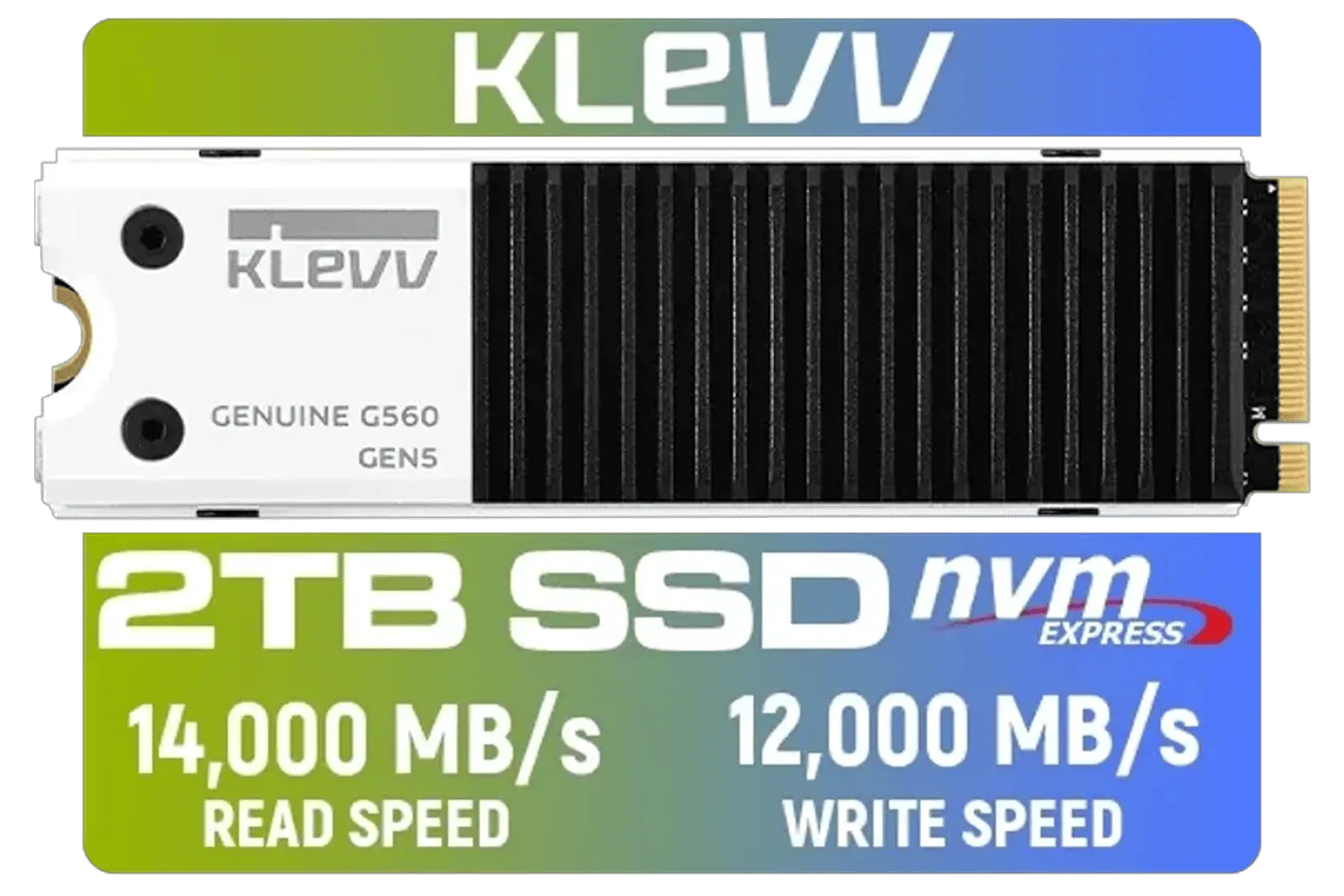
KLEVV Genuine G560 2TB Gen5x4 NVMe SSD / Up to 14,000MB/s Sequential Read / Up to 12,000MB/s Sequential Write / M.2 2280 Form Factor / Phison E26 Controller / K02TBM2SP0-G56
R7199.00In Stock
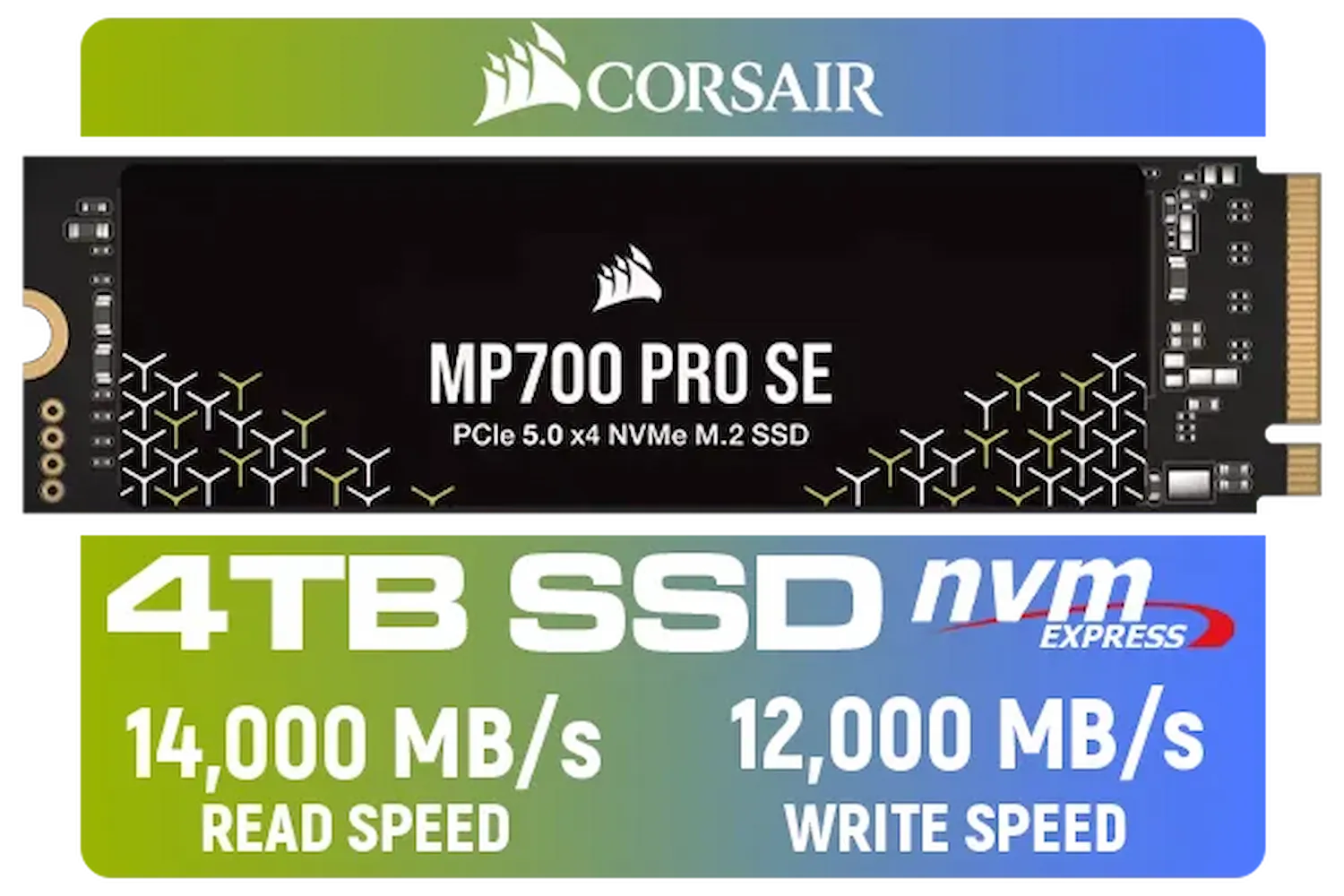
Corsair MP700 PRO SE 4TB PCIe 5.0 x4 NVMe M.2 SSD / Up to 14,000MB/s Sequential Read / Up to 12,000MB/s Sequential Write / M.2 2280 Form Factor / CSSD-F4000GBMP700PNHS
R10999.00In Stock

Kingston KC3000 PCIe 4.0 NVMe M.2 2TB SSD - High-Performance Storage for Desktop and Laptop PCs -SKC3000D/2048G
R3999.00In Stock
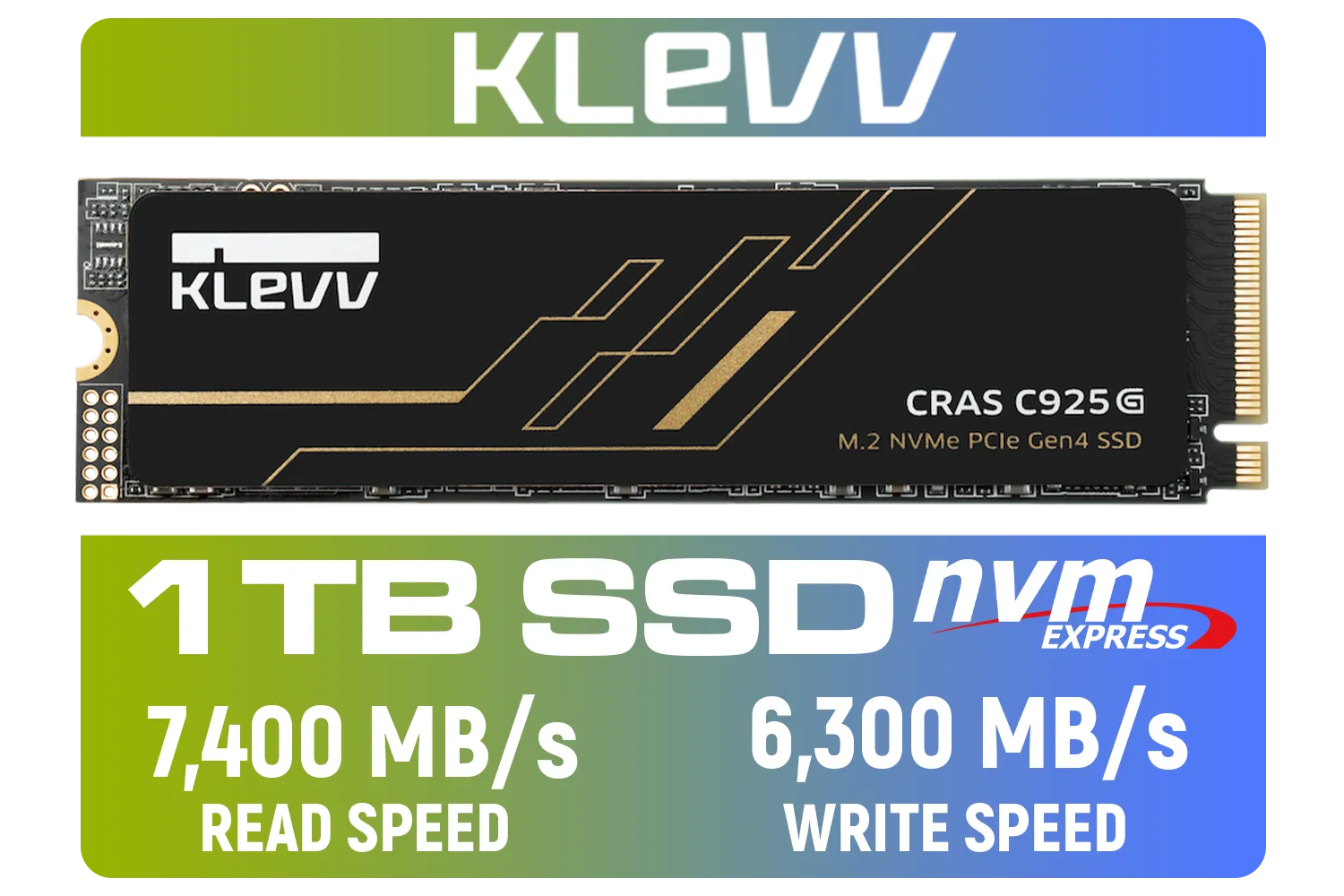
KLEVV CRAS C925G M.2 NVMe Solid State Drive - 1TB / PCIe Gen4x4 / Sequential Read | Write - 7400 | 6300 MB/s / 3D TLC NAND Flash / K01TBM2SP0-25G
R2099.00In Stock
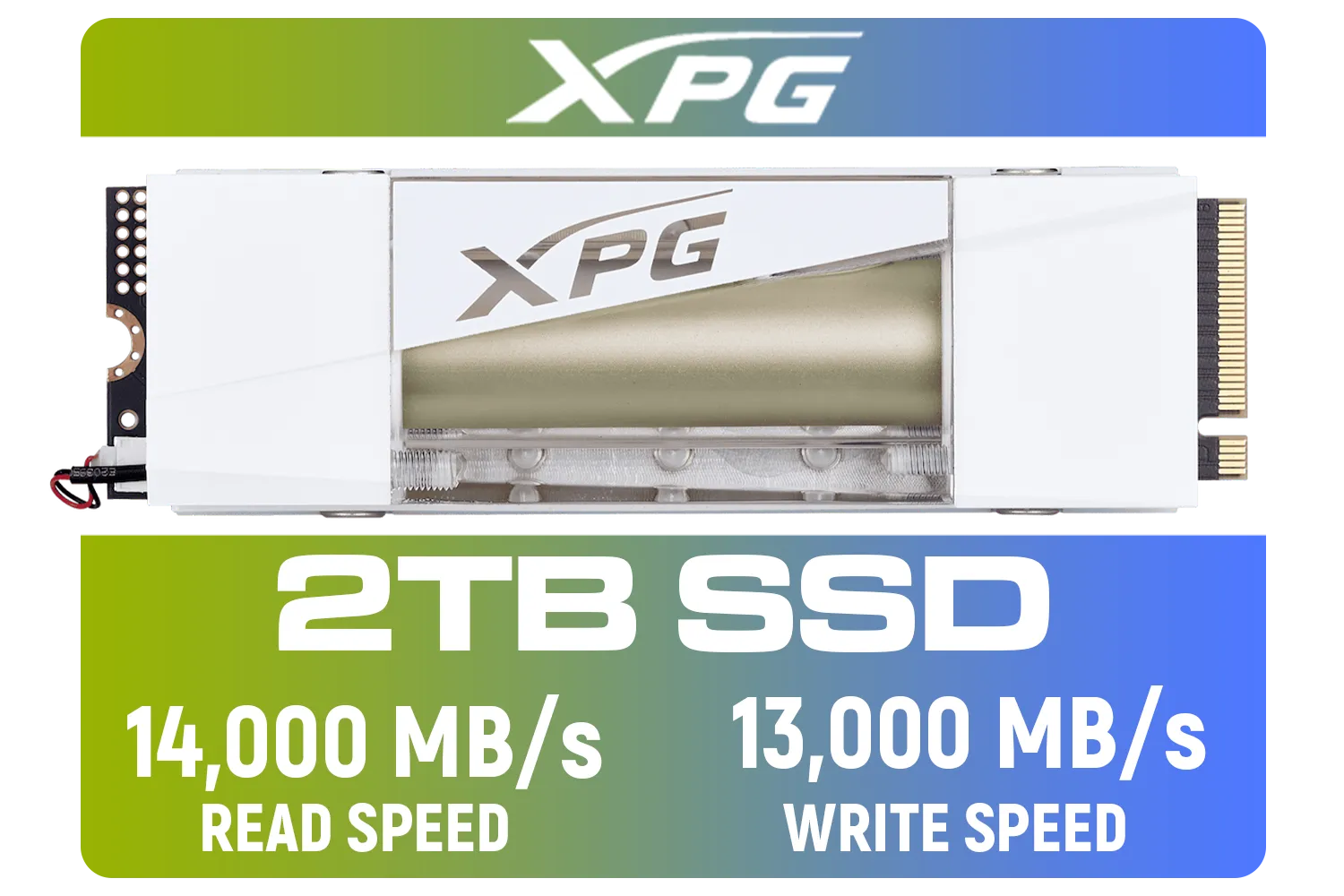
Adata Mars 980 Storm 2TB NVMe SSD / PCIe Gen5 x4 / Up to 14,000MB/s - 13,000MB Sequential Read/Write / SMAR-980S-2TCI
R4499.00In Stock

ADATA XPG GAMMIX S55 2TB NVMe PCIe Gen4 x 4 M.2 / Read & Write Speed up to 5,000 & 3,700MB/s / Internal Solid State Drive Great for Steam Deck, Microsoft Surface and Gaming Consoles / SGAMMIXS55-2T-C
R3999.00In Stock
How NVMe SSDs Optimise Your Video Editing Workflow
If you're still using a traditional hard drive (HDD) or even an older SATA SSD for your main editing tasks, you're leaving a huge amount of performance on the table. The demands of 4K, 6K, and even 8K footage require storage that can keep up. This is where the power of a high-speed NVMe SSD becomes crystal clear.
Flawless Timeline Scrubbing 🚀
The most immediate benefit you'll notice is incredibly smooth playback and timeline scrubbing. NVMe drives have lightning-fast read speeds, meaning your software can access and preview large video files instantly. No more dropped frames or choppy playback when you're trying to find the perfect cut. This makes the creative process faster and far less frustrating.
Slash Your Render & Export Times
Waiting for a project to export is dead time. A fast NVMe SSD dramatically cuts down render and export times thanks to its superior write speeds. Your system can write the final video file much faster, getting your project to the client or onto YouTube in a fraction of the time. This efficiency is crucial for anyone working on tight deadlines.
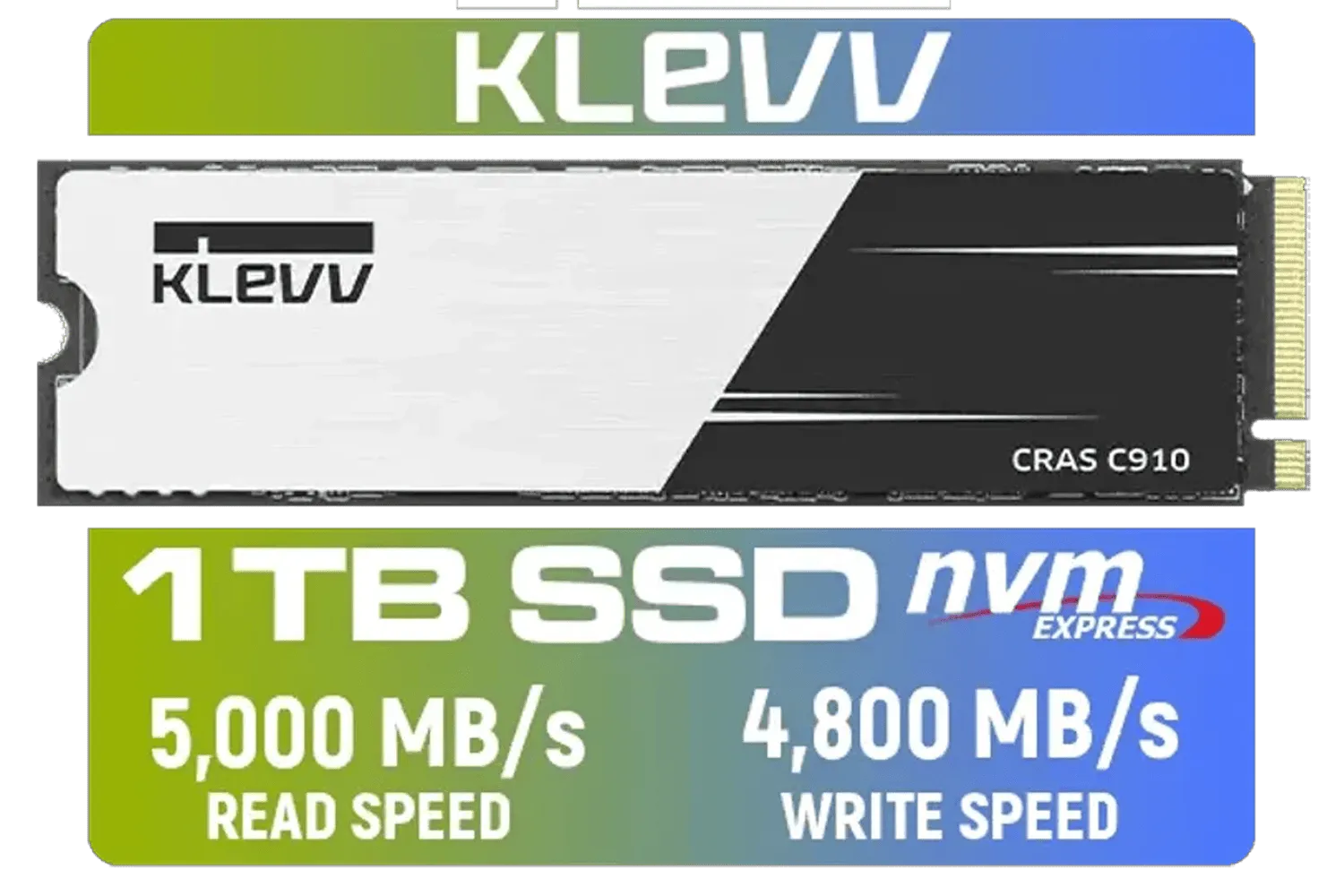
KLEVV CRAS C910 1TB M.2 NVMe PCIe Gen4x4 Internal SSD with Heatsink, up to 5000MB/s (K01TBM2SP0-C91)
R1799.00In Stock

DAHUA M.2 PCIe Gen4x4 2TB NVMe SSD / PCIe Gen4.0x4 Supported / Read: Up to 7200 MB/s Write: Up to 6400 MB/s / DHI-SSD-C970VN2TB
R3399.00In Stock

Kingston KC3000 PCIe 4.0 NVMe M.2 4TB SSD / High-Performance Storage for Desktop and Laptop PCs / SKC3000D/4096G
R8499.00In Stock
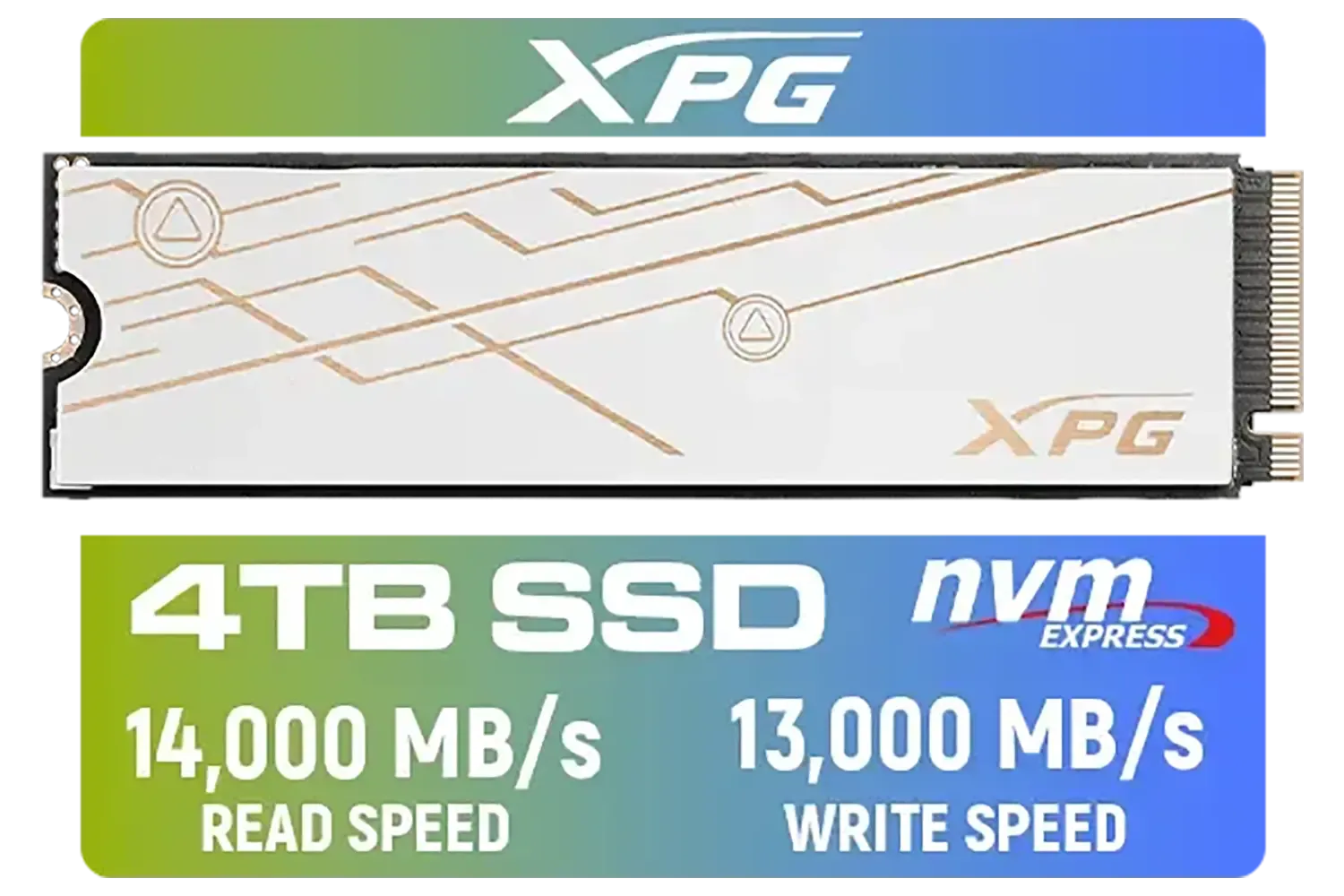
ADATA XPG Mars 980 Blade 4TB NVMe 5.0 Internal Solid State Drive / Up to 14,000MB/s Read Speed and Up to 13,000MB/s Write Speed / SMAR-980B-4TCS
R7999.00In Stock
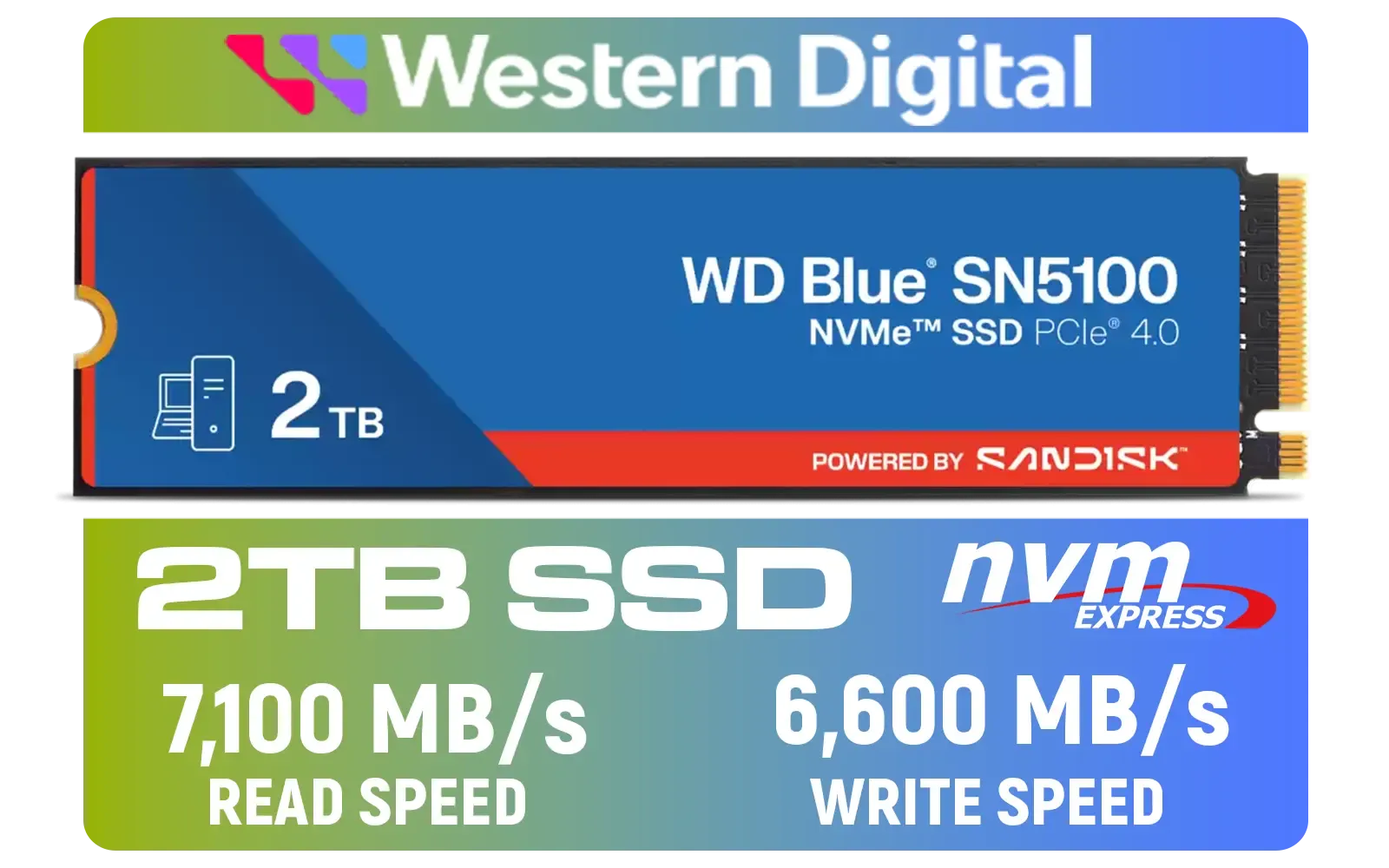
Western Digital 2TB WD Blue SN5100 NVMe Internal Solid State Drive / M.2 2280 Form Factor / Read Speeds up to 7100MB/s / Write Speeds up to 6600MB/s / PCIe Gen 4.0 Interface / nCache™ 4.0 Technology / 3D CBA NAND / Includes Acronis® True Image™ & SanDisk Dashboard Software / WDS200T5B0E
R3799.00In Stock
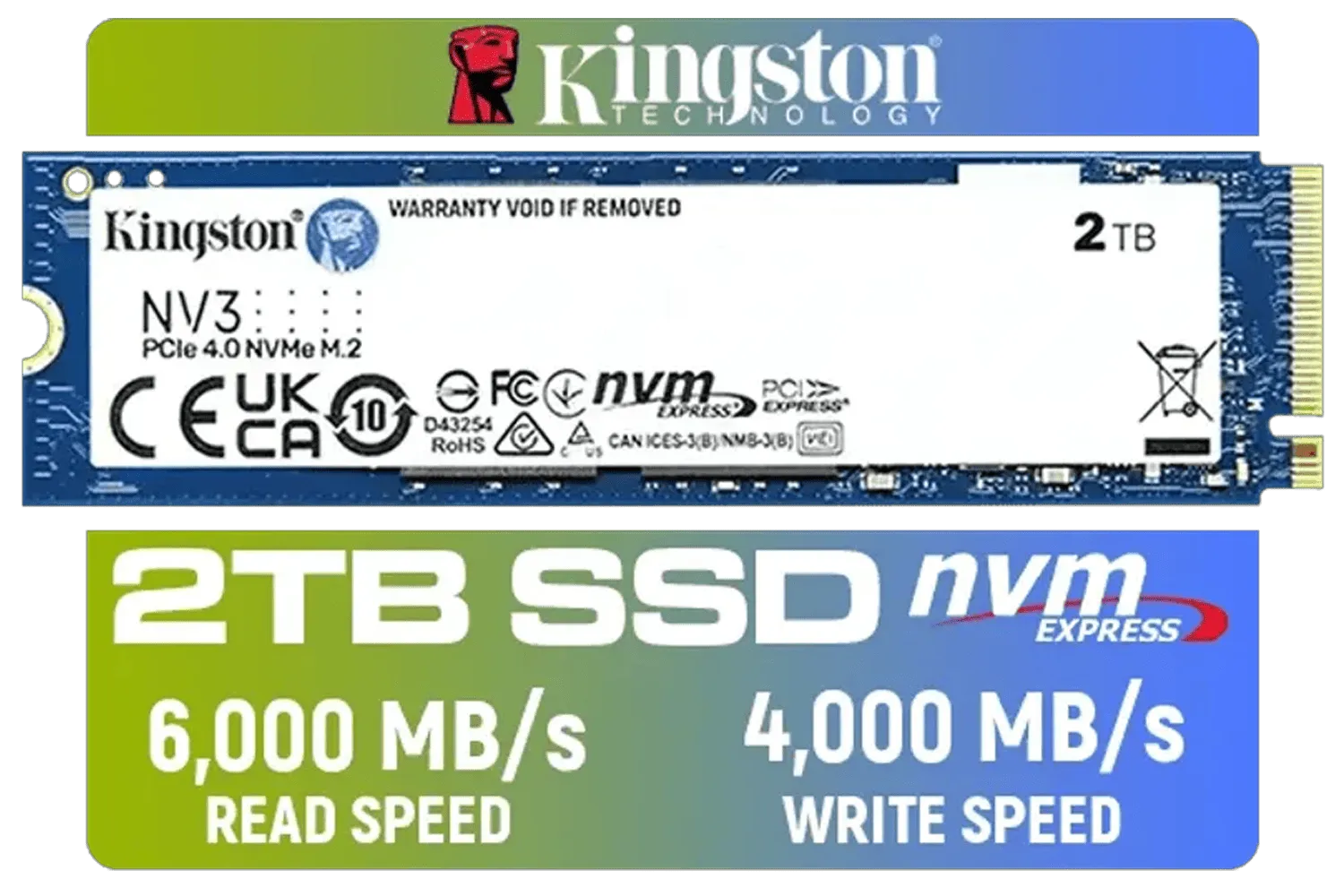
Kingston 2000G NV3 NVMe SSD / Up to 6,000MB/s Read / Up to 4,000MB/s Write / PCIe 4.0 x4 NVMe / M.2 2280 Form Factor / SNV3S/2000G
R3499.00In Stock
Instant Access to Assets & Effects
Modern video projects are complex, often involving dozens of clips, graphics, audio files, and heavy effects. A high-speed NVMe SSD for video editing loads all these assets almost instantly. Applying real-time colour grades or complex visual effects becomes a smoother experience, as the drive can feed data to your CPU and GPU without creating a bottleneck. For powerful components, you need reliable storage from brands like KLEVV available in South Africa to get the most out of your rig.
TIP FOR YOU
Workflow Pro Tip ⚡
For maximum performance, use a dedicated high-speed NVMe SSD for your operating system and editing software. Use a second NVMe drive for your active project files, media cache, and scratch disks. This separation prevents system and project I O from competing, keeping your entire workflow incredibly responsive.
Understanding the NVMe Difference
So, what makes these drives so much faster? It comes down to the connection. Older SATA drives are like a single-lane road… data has to queue up. NVMe (Non-Volatile Memory Express) drives connect directly to your motherboard's PCIe slot—the same super-fast interface your graphics card uses. It's a multi-lane highway built specifically for speed. 🔧

Teamgroup CX2 2TB SATA Internal Solid State Drive / Up to 540 Read Speed / Up to 490 Write Speed / Advanced SLC Caching technology / T253X6002T0C101
R2199.00In Stock

Kingston XS1000 2TB SSD / Pocket-Sized / USB 3.2 Gen 2 / External Solid State Drive / Up to 1050MB/s / SXS1000/2000G
R2899.00In Stock
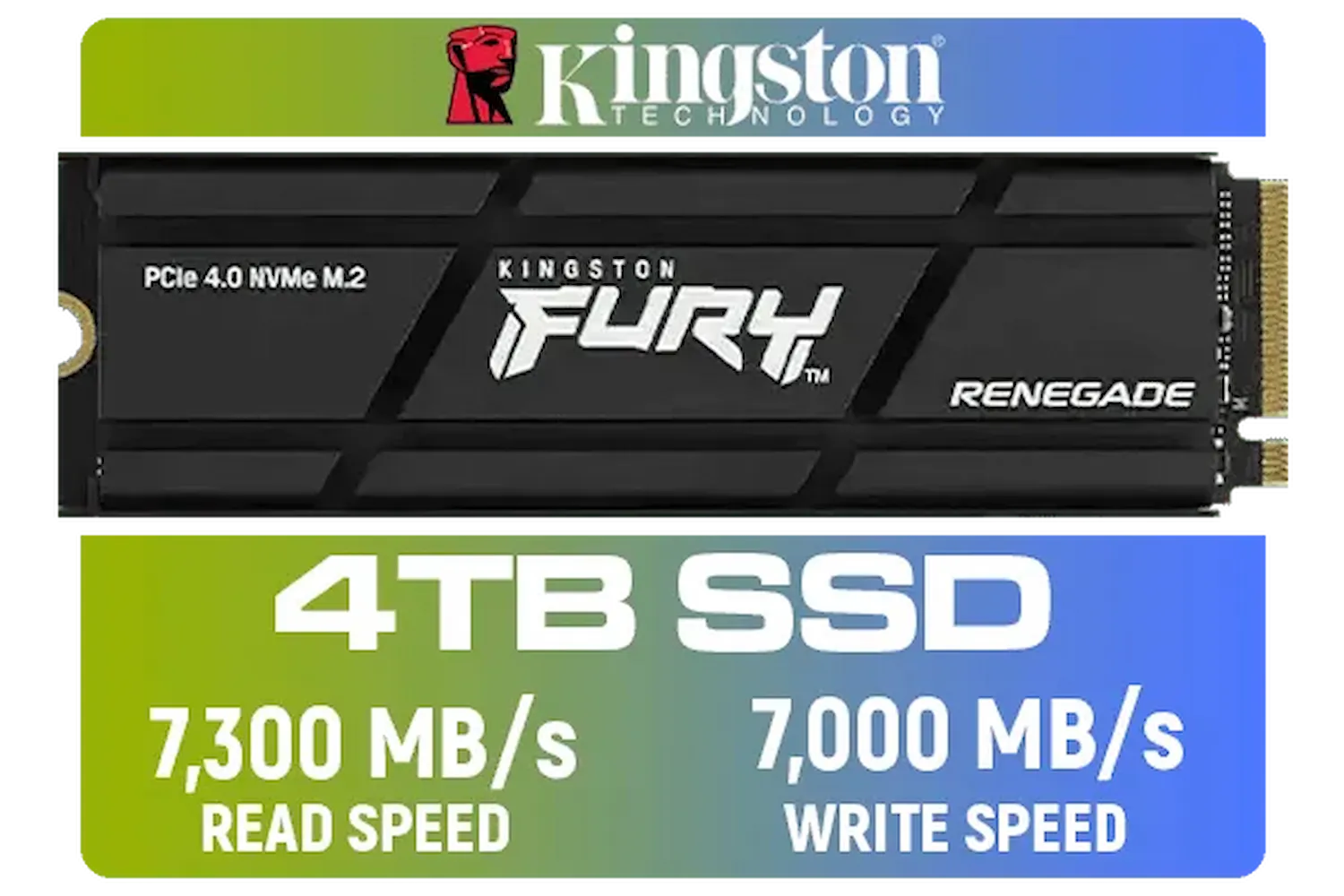
Kingston Fury Renegade 4TB PCIe Gen 4.0 NVMe M.2 Internal Gaming SSD with Heat Sink | PS5 Ready | Up to 7300MB/s | SFYRDK/4000G
R7299.00In Stock
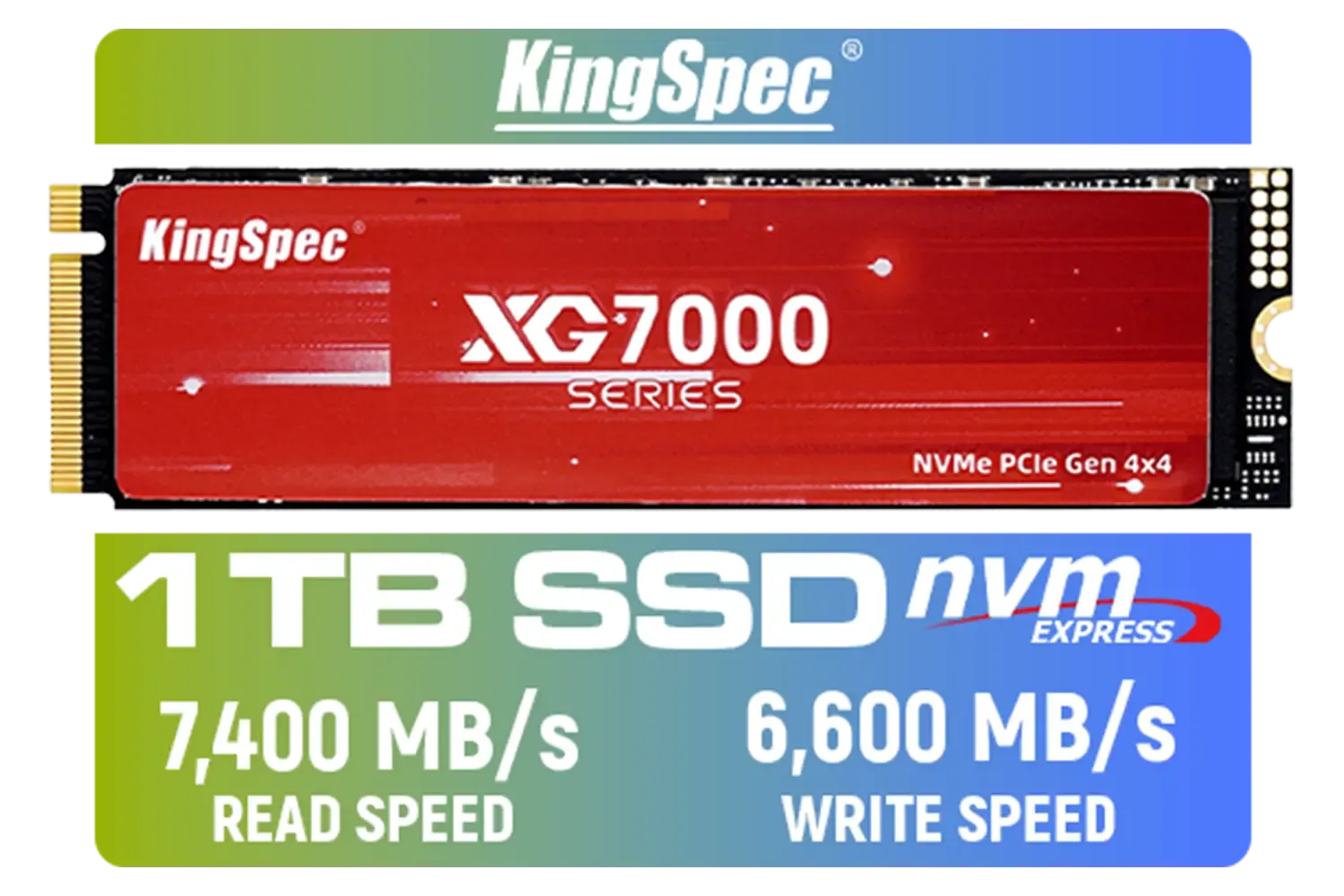
KingSpec XG7000 1TB NVMe Internal Solid State Drive SSD / TLC NAND flash memory / PCIe Gen 4.0, M.2 2280, Up to 7400MB/s/6600MB/s Read/Write Speeds / XG7000-2280-1TB
R1999.00In Stock
Kingston Fury Renegade 2TB PCIe Gen 4.0 NVMe M.2 Internal Gaming SSD with Heat Sink | PS5 Ready | Up to 7300MB/s | SFYRDK/2000G
R4199.00In Stock

ADATA SD810 2000G USB-C 2TB External Solid State Drive - Black / IP68 Water Resistance / Up to 2000 MB/s Read/Write Speeds / USB 3.2 Gen 2 for iPhone 15/Pro/Max, Android / SD810-2000G-CBK
R3199.00In Stock
The latest generation, PCIe Gen4, offers another massive leap in performance. A drive like the KLEVV CRAS C925G 1TB Gen4 can deliver sequential read speeds that are more than ten times faster than a standard SATA SSD. For professional video editors, this isn't just a minor improvement; it's a fundamental shift in what's possible.
Ultimately, investing in high-speed NVMe SSDs for video editing is about buying back your most valuable resource: time. Less time waiting on technology means more time for creativity, taking on more projects, and delivering better results.
Ready to Stop Waiting & Start Creating? An upgrade to a high-speed NVMe SSD is one of the most impactful investments you can make in your video editing workflow. Stop battling lag and unlock your creative potential. Explore our full range of SSDs and find the perfect drive for your rig today.
Related Products
Kingston 2000G NV3 NVMe SSD / Up to 6,000MB/s Read / Up to 4,000MB/s Write / PCIe 4.0 x4 NVMe / M.2 2280 Form Factor / SNV3S/2000G
R3499.00In Stock
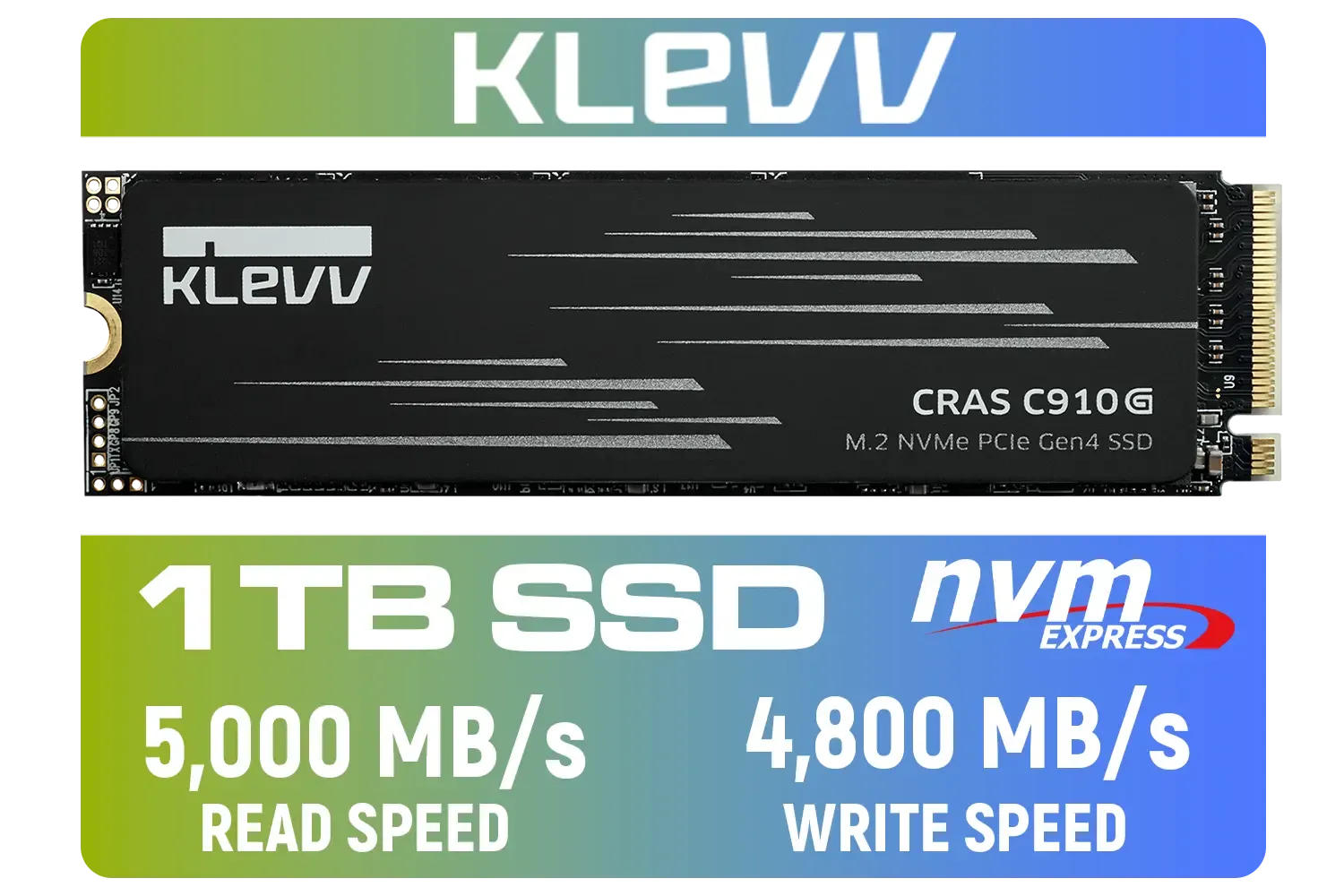
KLEVV CRAS C910G 1TB M.2 NVMe PCIe Gen4x4 Internal SSD / Up to 5000MB/s Read Speed / Up to 4800MB/s Write Speed / Graphene-copper heatsink for stable cooling / S.M.A.R.T. monitors drive condition / LDPC ECC extends SSD lifespan / K01TBM2SP0-10G
R1899.00In Stock
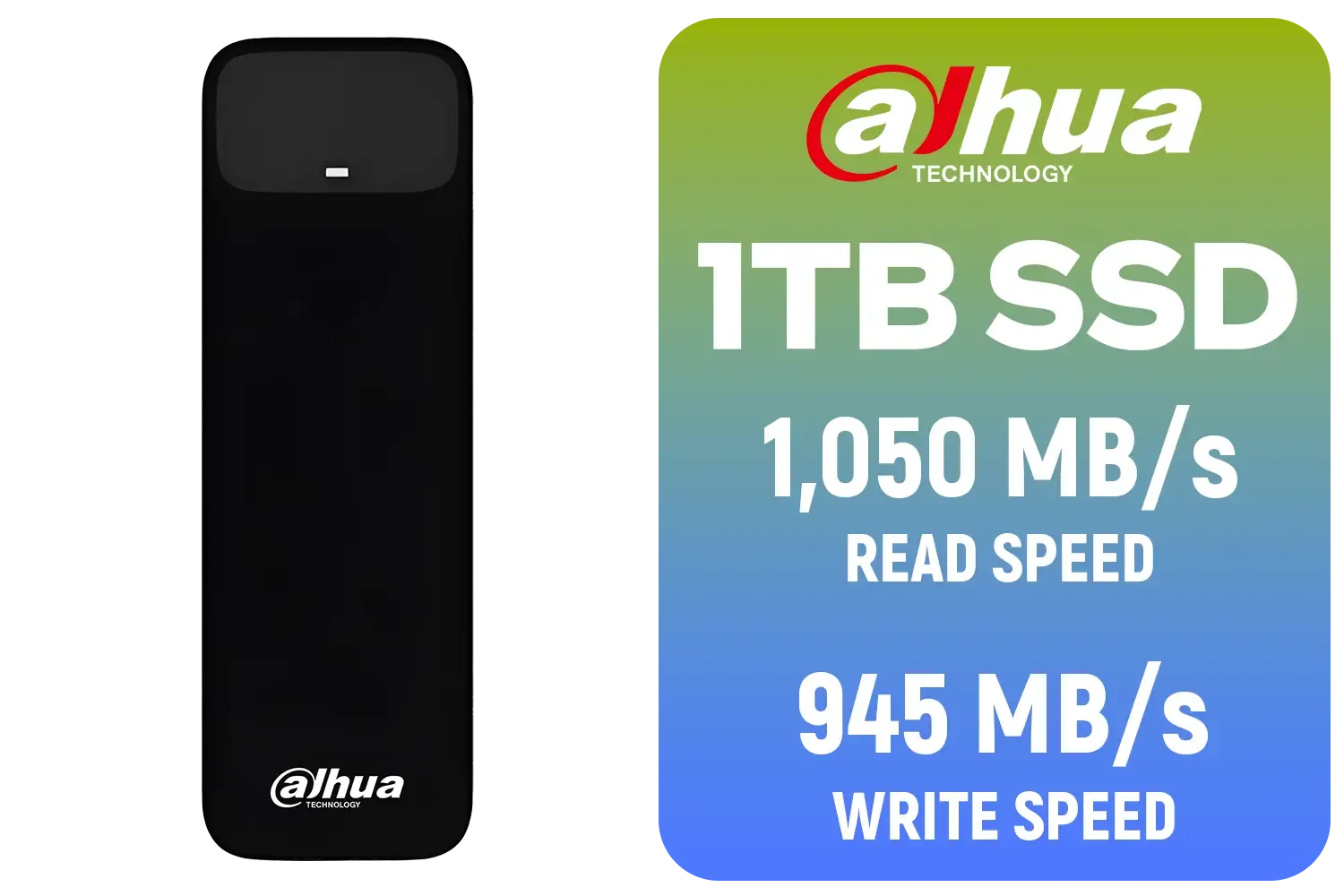
Dahua L7 M.2 1TB NVMe SSD / Read: Up to 1,050 MB/s Write: Up to 945 MB/s / Shock-resistant and drop-resistant design / Aluminum body with heat dissipation / Dual Type-C/Type-A cable included / DHI-PSSD-L7-1TB
R1499.00In Stock
ADATA XPG Mars 980 Blade 4TB NVMe 5.0 Internal Solid State Drive / Up to 14,000MB/s Read Speed and Up to 13,000MB/s Write Speed / SMAR-980B-4TCS
R7999.00In Stock
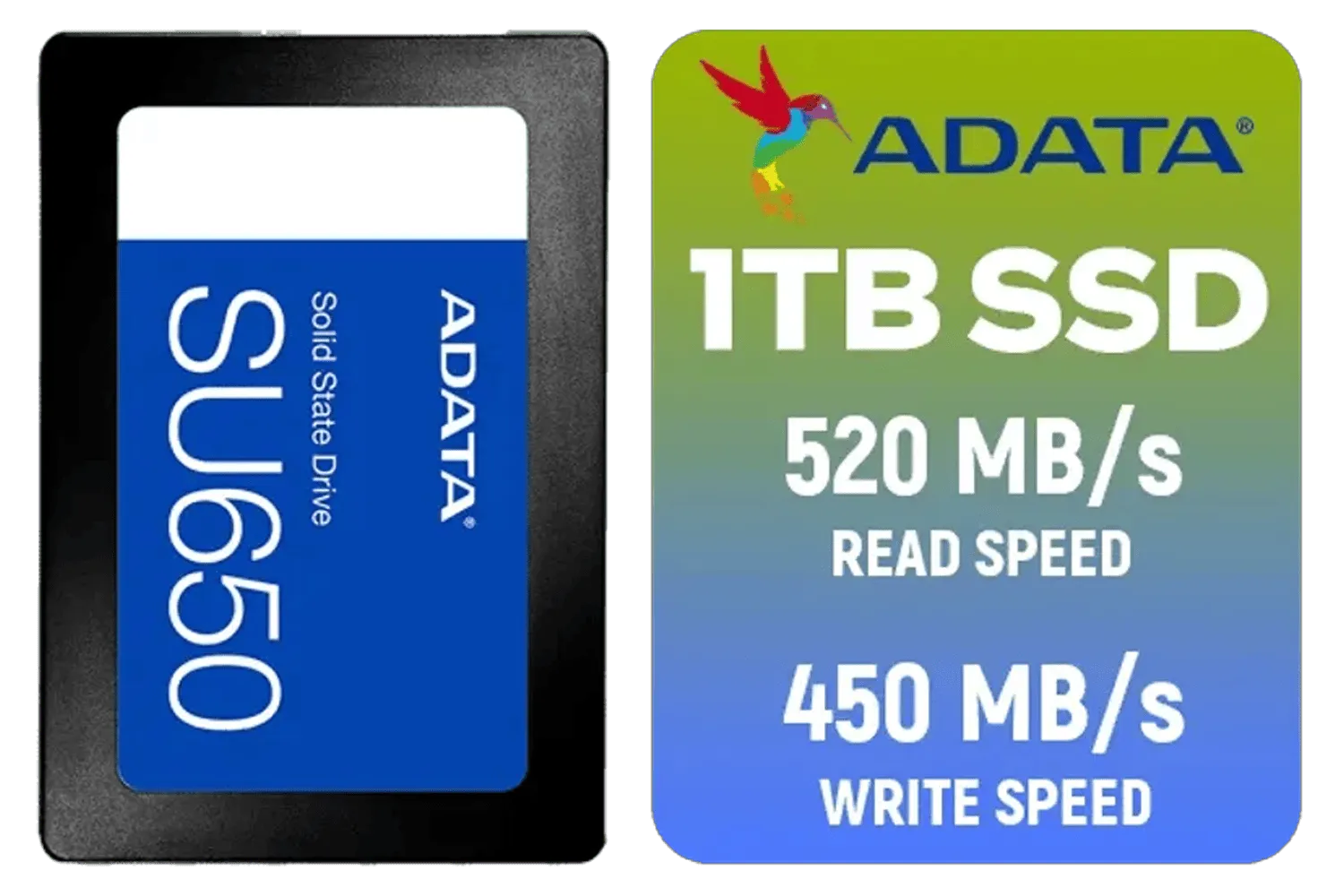
ADATA SU650 1TB 3D-NAND SATA 2.5 inch Internal SSD / ASU650SS-1TT-R
R1399.00In Stock
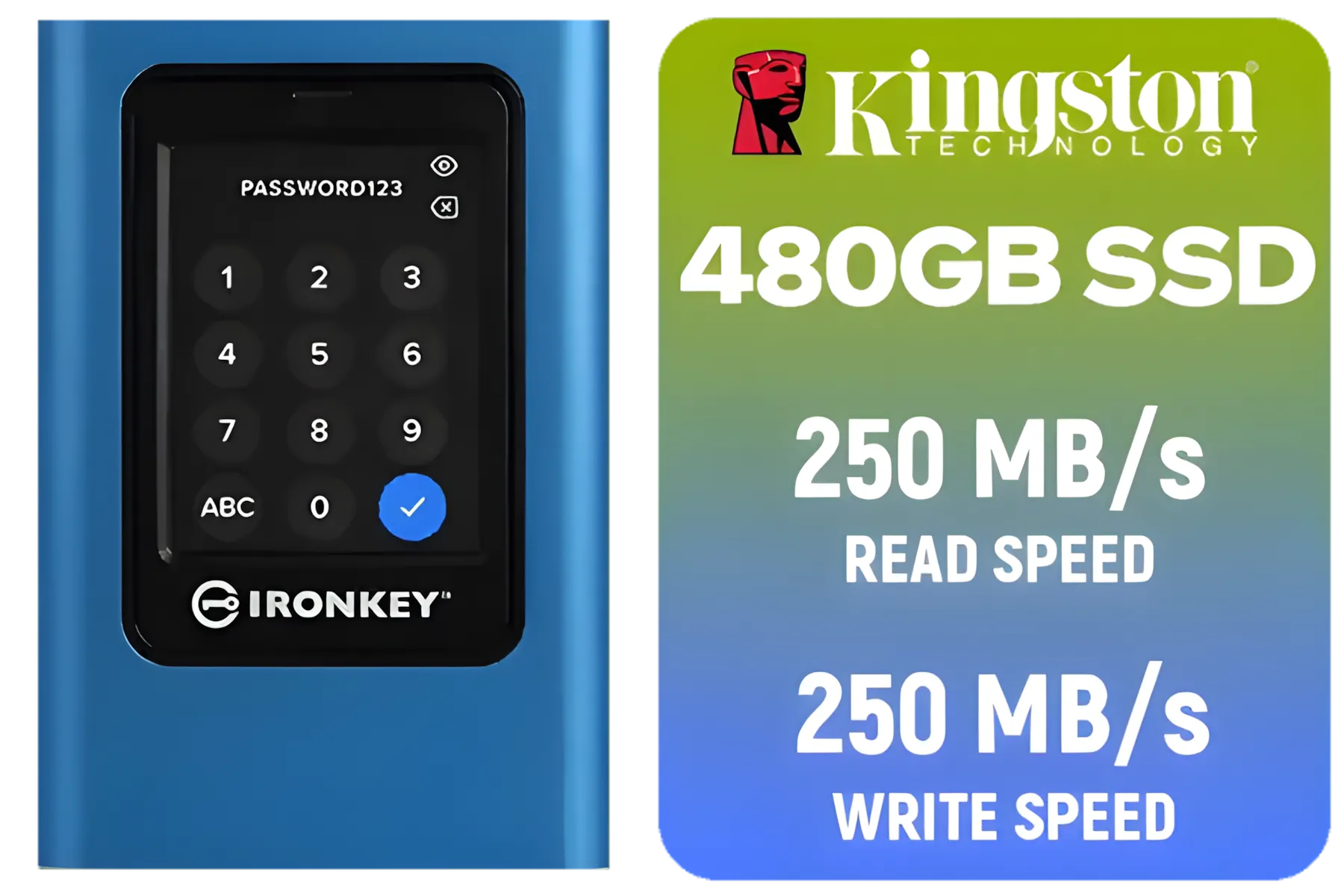
Kingston IronKey Vault Privacy 80 480GB External SSD | FIPS 197 | XTS-AES 256GB Encrypted | Touch Screen PIN | Secure Data Protection | IKVP80ES/480G
R4199.00In Stock
An NVMe SSD drastically increases read/write speeds, allowing for smoother timeline scrubbing, faster file imports, and significantly reduced rendering times for large projects.
While Gen3 is capable, a Gen4 NVMe SSD offers superior bandwidth, making it ideal for handling high-bitrate 4K and 8K footage without dropping frames or lagging.
Yes, a faster SSD allows the CPU and GPU to access data more quickly, reducing the bottleneck during the export process and shortening overall rendering times.
For professional workflows, a minimum of 1TB is recommended for active projects, though 2TB or 4TB is preferred to handle large raw files and cache data efficiently.
Absolutely. High-speed external SSDs using USB-C or Thunderbolt connections provide sufficient speed to edit 4K footage directly without needing to transfer files locally.
NVMe drives connect directly to the PCIe bus, offering speeds up to 12x faster than SATA SSDs, which is crucial for multi-cam editing and high-resolution workflows.