Liquid Cooling vs Air Cooling: Top 5 Advantages
Liquid cooling vs air cooling: here are the top 5 advantages for enthusiasts—lower temps, quieter operation, stronger overclocks, tighter builds, and cleaner aesthetics. Upgrade smart. ❄️🔧
|
Loading tags...
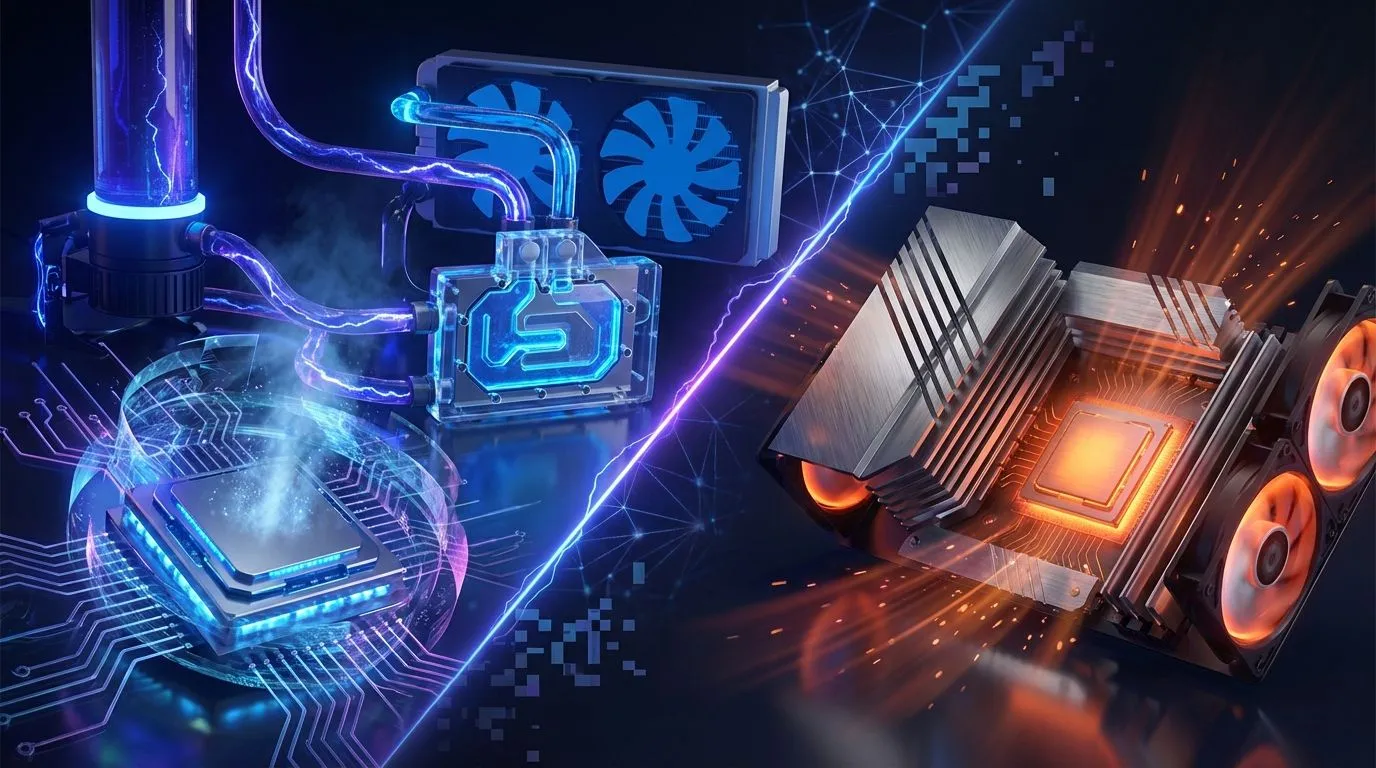
Is your PC sounding like a jet engine during a Johannesburg heatwave? You're not alone. The battle of liquid cooling vs air cooling is more intense than ever, and choosing the right one is crucial for unlocking your rig's true potential. Get it wrong, and you're leaving performance on the table, especially in our South African climate. Let's break down the top five advantages that make liquid cooling a serious contender for your next build.
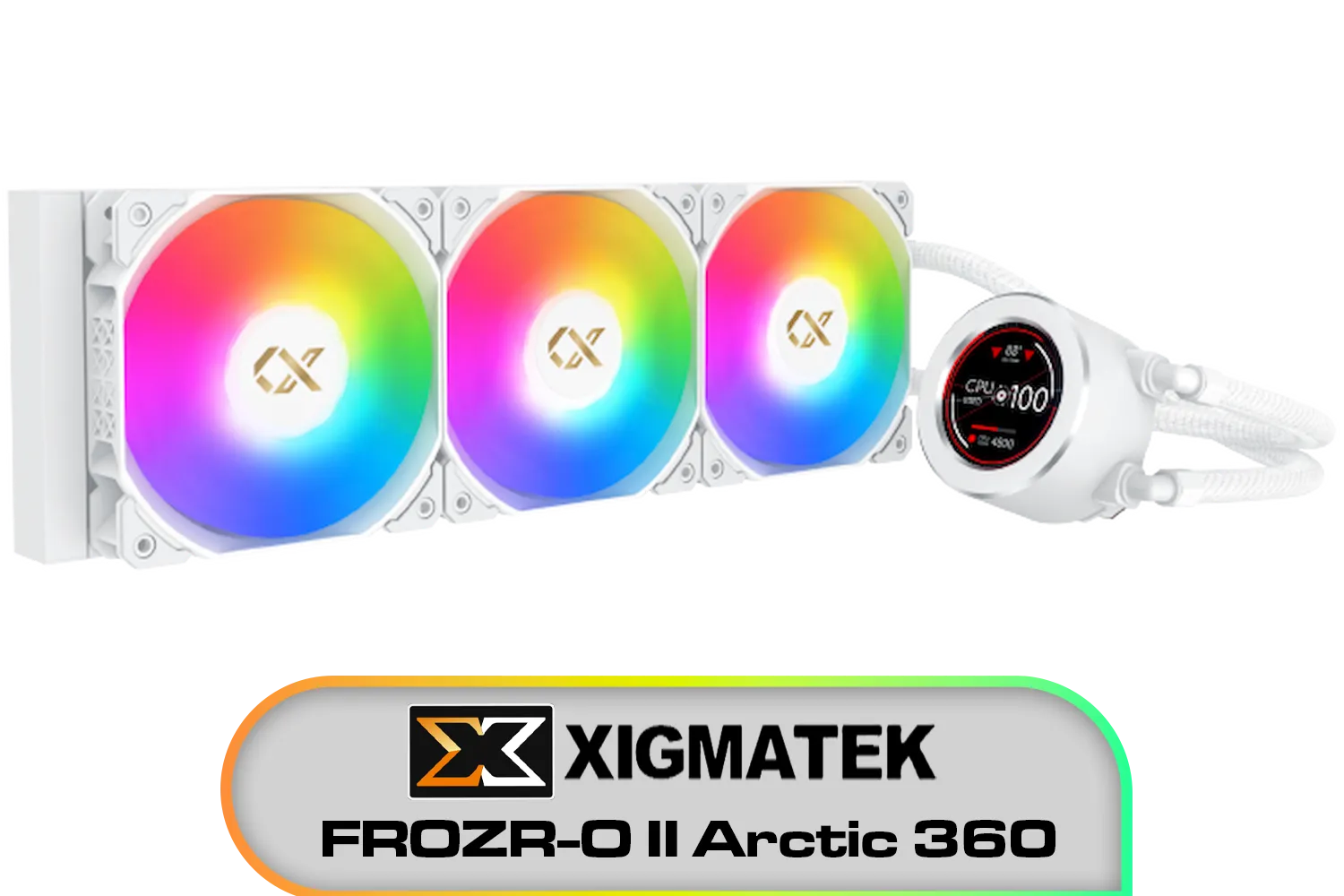
Xigmatek FROZR-O II Arctic 360 AIO Liquid Cooler - White / Digital LCD Pump Head / Support Latest Specifications AMD/Intel / Low Noise PWM Fan / ARGB Controller / 7 Different Modes / EN40450
R2299.00In Stock
![[OPEN BOX] Gamdias Chione E4-240 Liquid Cooler - White / Hydraulic PWM Fans / Dual Infinite Mirror / Real-time Digital Display / Patented PWM Pump / Motherboard Sync ARGB / OB-CHIONE-E4-240-WH](https://img.evetech.co.za/repository/ProductImages/gamdias-chione-e4-240-liquid-cooler-white-1800px-v1-01.webp)
[OPEN BOX] Gamdias Chione E4-240 Liquid Cooler - White / Hydraulic PWM Fans / Dual Infinite Mirror / Real-time Digital Display / Patented PWM Pump / Motherboard Sync ARGB / OB-CHIONE-E4-240-WH
R1599.00In Stock
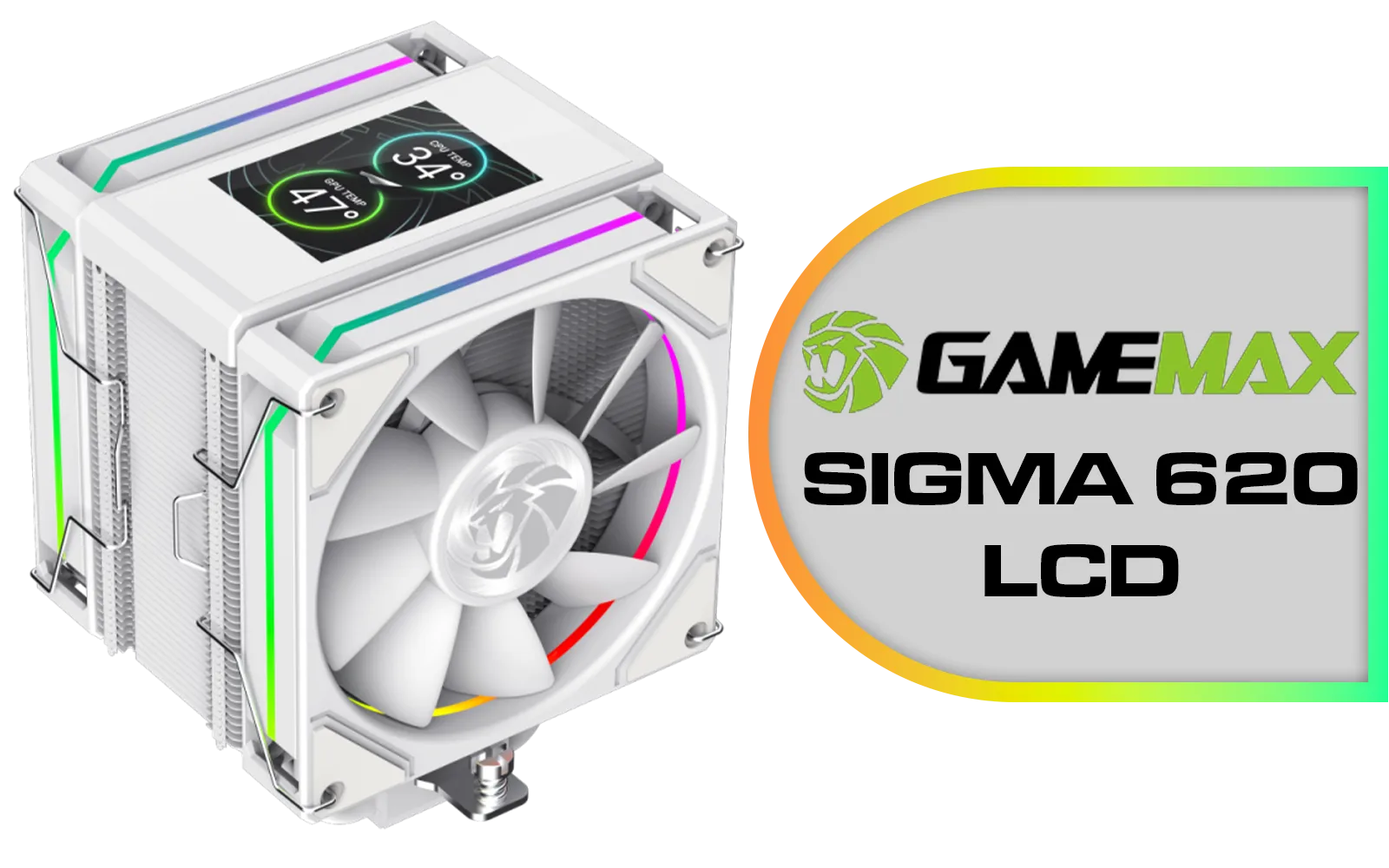
GameMax Sigma 620 LCD Air Cooler - White / 2.8" LCD for stats or images / Dual 120mm fans with 6 heatpipes / Supports up to 245W TDP / SIGMA-620-LCD-WH
R1299.00In Stock
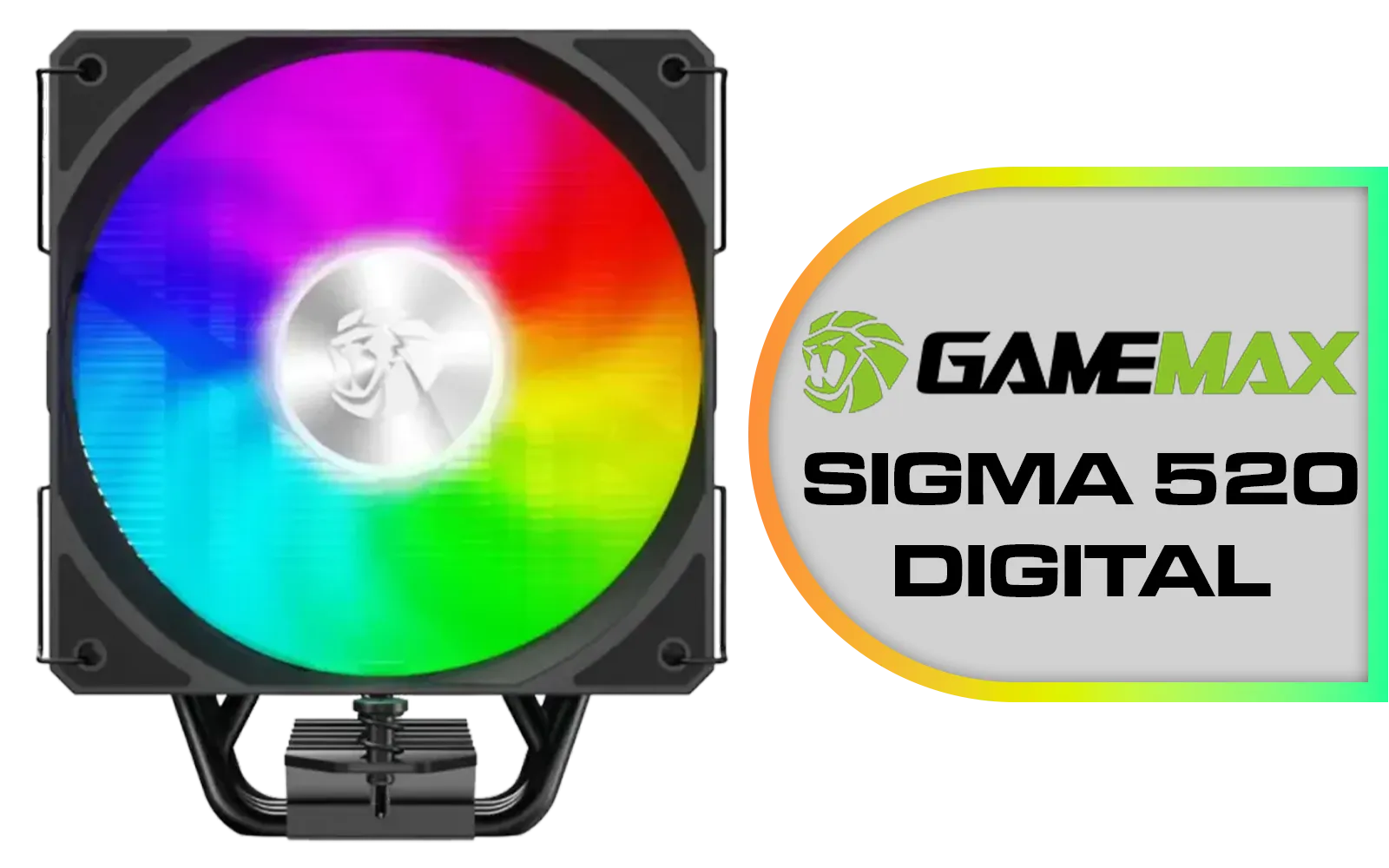
Gamemax Sigma 520 Digital Air Cooler - Black / 220W Maximum Thermal Power / 74.8CFM High Airflow / Supports Intel Gen12, Gen13 & AMD CPUs / PWM Intelligent Temperature Control Fan / Sigm-520-Digital-BK
R599.00In Stock

DeepCool LD360 Liquid Cooler - White / 360mm Radiator / LED Digital Display / 3x ARGB Fans Included / Compatible with AMD & Intel / LD360-WH
R2399.00In Stock

EK 280mm AIO D-RGB All-in-One CPU Liquid Cooler / Water Cooling Computer Parts / 140mm Fan / EK-Vardar High-Performance PMW Fans / Outstanding Thermal Conductivity / Support - Intel 115X/1200/2066, AMD AM4 / EK-AIO-280-D-RGB
R2699.00In Stock
Understanding the Air vs Liquid Cooling Showdown
Before we dive in, let's get the basics straight. Traditional air coolers use a metal heatsink and a fan to pull heat away from your CPU. Simple, reliable, and effective.
Liquid cooling, specifically All-In-One (AIO) coolers, uses a more advanced system: a water block on the CPU, a pump, tubing, and a radiator with fans. This closed loop circulates liquid to transfer heat away from the processor far more efficiently. The debate over liquid cooling vs air cooling often comes down to performance needs, budget, and aesthetics.
Advantage 1: Superior Cooling Performance 🚀
This is the big one. Liquid is simply better at absorbing and transferring heat than air. When your high-end Intel Core i9 or AMD Ryzen 9 CPU is under heavy load—rendering a 4K video or running Cyberpunk 2077 at max settings—it generates immense heat. An AIO liquid cooler can dissipate that heat much faster, keeping your CPU temperatures lower. Lower temps mean sustained performance and less thermal throttling, giving you a smoother experience. For maximum cooling power, high-performance 360mm radiator AIOs are the top choice for enthusiasts.
Advantage 2: Quieter Operation Under Load
Wait... more parts, but quieter? Absolutely. Because liquid cooling is so efficient, the fans on the radiator don't have to spin as fast or as hard as a single, stressed-out fan on an air cooler. While idling, both can be near-silent. But when the action ramps up, a quality AIO often maintains lower noise levels, creating a more immersive gaming environment. Brands like Corsair offer AIOs renowned for their balance of quiet operation and powerful cooling.
[OPEN BOX] Gamdias Chione E4-240 Liquid Cooler - White / Hydraulic PWM Fans / Dual Infinite Mirror / Real-time Digital Display / Patented PWM Pump / Motherboard Sync ARGB / OB-CHIONE-E4-240-WH
R1599.00In Stock

Cooler Master MasterLiquid 360 Ion ARGB Close-Loop AIO Liquid Cooler / Customize Pump / 2.1-Inch Customizable LCD Screen / 360mm Radiator / AMD Ryzen AM5/AM4 / Intel LGA1851/1700/1200 / MLY-D36M-A24PZ-R1
R5699.00In Stock

Cooler Master Hyper 212 Pro CPU Air Cooler / SickleFlow Edge 120 PWM Fan / Optimized Cooling for R9 | U7 | i7 / RR-212S-25PZ-R1
R799.00In Stock

Gamdias Chione E4-360 Liquid Cooler - White / Hydraulic PWM Fans / Dual Infinite Mirror / Real-time Digital Display / Patented PWM Pump / Motherboard Sync ARGB / CHIONE-E4-360-WH
R1999.00In Stock
DeepCool LD360 Liquid Cooler - White / 360mm Radiator / LED Digital Display / 3x ARGB Fans Included / Compatible with AMD & Intel / LD360-WH
R2399.00In Stock
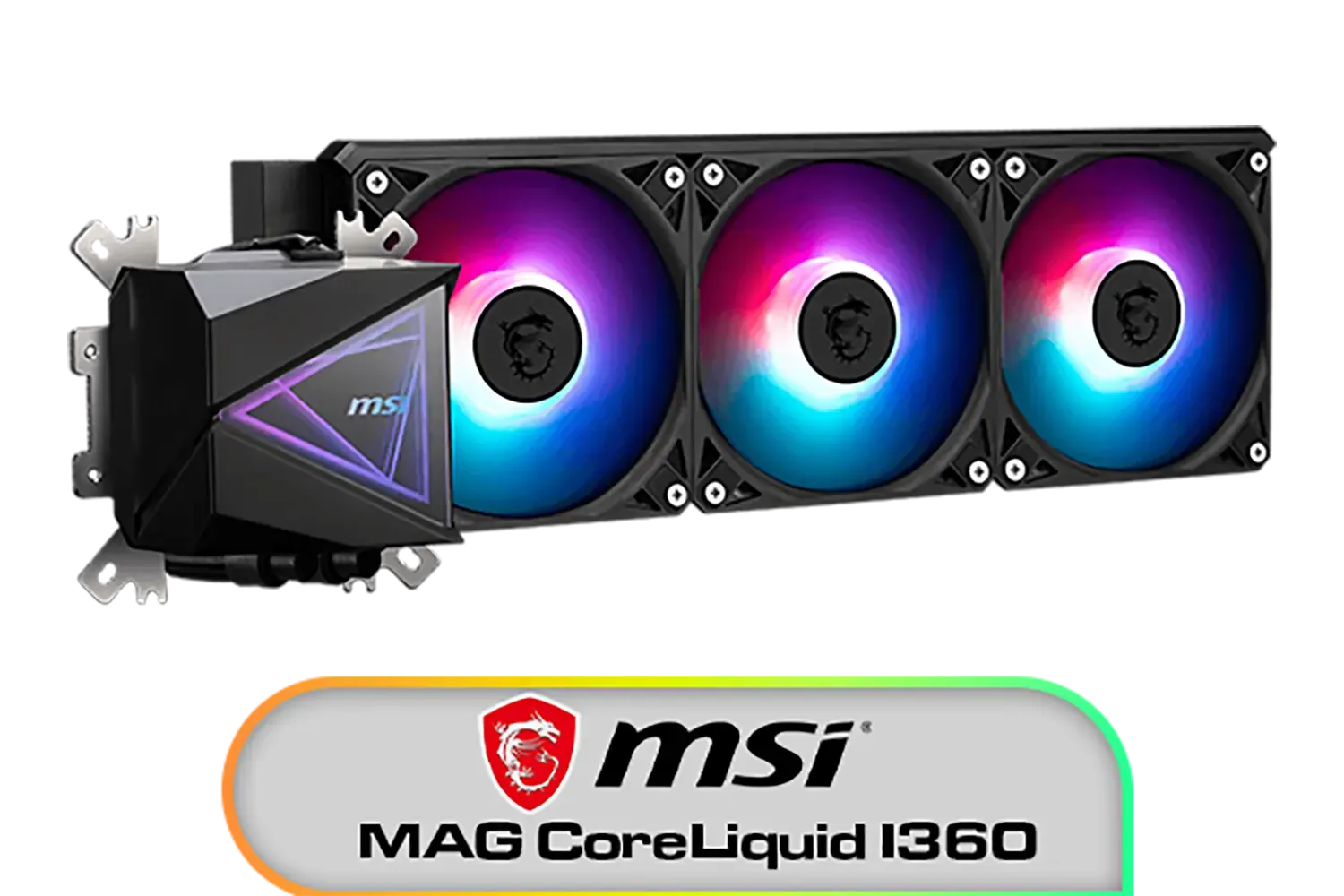
MSI MAG CoreLiquid I360 Liquid Cooler / LDB Bearing Quiet Fans / Dual-Sided Infinite Mirror Cooling / Flexible Nylon-Braided Cooling Tubes / Durable EPDM Anti-Evaporation Tubing / 306-7ZW8E11-C24
R2499.00In Stock
Advantage 3: A Cleaner, More Aesthetic Build ✨
Let's be honest, looks matter. A massive, chunky air cooler can dominate your motherboard, obscuring your slick RGB RAM and the rest of your carefully chosen components. An AIO liquid cooler replaces that bulk with a small, sleek pump head on the CPU. This creates a clean, minimalist look that showcases your hardware. Many pump heads even feature customisable LCD screens or vibrant RGB lighting, becoming the centrepiece of your build.
Advantage 4: Better Case Airflow & Component Access
By moving the main heat-dissipating element (the radiator) to the edge of your case, you remove a large obstruction from the centre of your build. This allows air to flow more freely from your front intake fans over your motherboard, VRMs, and graphics card. It's a small but significant benefit for overall system health. Plus, working inside your PC is much easier without a giant heatsink in the way. Many builders find that a quality cooler from a brand like Deepcool strikes a great balance between aesthetics and accessibility.
TIP FOR YOU
Case Compatibility Check 🔧
Before buying an AIO, always check your PC case specifications! Note the supported radiator sizes (e.g., 240mm, 280mm, 360mm) and mounting locations (top, front, or rear). A 360mm radiator won't fit in a case designed for a maximum of 240mm, so measure twice and buy once.
Advantage 5: The Overclocker's Best Friend
If you're an enthusiast looking to squeeze every last drop of performance from your CPU through overclocking, the thermal headroom provided by liquid cooling is essential. The superior cooling capacity allows you to push voltages and clock speeds higher while keeping temperatures within a safe range. This is where the difference between air and liquid cooling becomes most apparent. Even a versatile 240mm radiator AIO can provide the stability needed for a significant performance boost.

MSI MPG CORELIQUID K240 V2 AIO CPU Liquid Cooler - LCD Pump with 60mm Fan, 2 x 120mm ARGB Fans, GI Cooling & Mystic Light Software Support - AMD & Intel Socket Compatible / 9S6-6A0311-038
R3199.00In Stock

Fracta Design Celsius+ S28 Prisma 280MM Water Cooling Unit, Black, 2AL-14 PWM ARGB Fan / FD-W-2-S2802
R2599.00In Stock

ASUS TUF Gaming LC 240 RGB Zaku II Limited Edition All-In-One Liquid CPU Cooler / Addressable RGB Radiator Fan / NCVM-coating pump cover / illuminated RGB ZAKU II / 90RC0093-M0UAY0
R2199.00In Stock

DeepCool LQ360 Liquid Cooler - Black / 360mm Radiator / Rotating magnetic cover / 3x ARGB Fans Included / 600–2400 RPM adjustable fan speed / Compatible with AMD & Intel / LQ360
R2499.00In Stock

Corsair Nautilus 240 RS ARGB Liquid CPU Cooler – 240mm AIO – Low-Noise – Direct Motherboard Connection – Daisy-Chain – Intel LGA 1851/1700, AMD AM5/AM4 – 2X RS120 ARGB Fans Included – Black / CW-9060092-WW
R1999.00In Stock
Cooler Master Hyper 212 Pro CPU Air Cooler / SickleFlow Edge 120 PWM Fan / Optimized Cooling for R9 | U7 | i7 / RR-212S-25PZ-R1
R799.00In Stock
So, Is Air Cooling Obsolete?
Not at all! High-end air coolers are still fantastic, offering incredible reliability, zero risk of leaks (a very rare but valid concern for some), and often a lower price point. For mid-range builds or users who prioritise simplicity, a great air cooler is a perfectly valid choice. The choice in the liquid cooling vs air cooling debate ultimately depends on your specific needs and PC build goals. You can browse a wide variety of both types in our full CPU coolers category.
Ready to Beat the Heat? Whether you need the raw performance of liquid or the steadfast reliability of air, the right CPU cooler is waiting. Keep your temps low and your framerates high. Explore our massive range of CPU coolers and find the perfect solution for your rig today.
Related Products

Corsair iCUE H100i Elite CAPELLIX XT Liquid CPU Cooler - Two AF120 RGB Elite Fans - 240mm Radiator - Intel® LGA 1700, 1200, 115X, 2066, AMD® AM5, AM4 - Included iCUE Commander CORE - White / CW-9060072-WW
R2799.00In Stock
EK 280mm AIO D-RGB All-in-One CPU Liquid Cooler / Water Cooling Computer Parts / 140mm Fan / EK-Vardar High-Performance PMW Fans / Outstanding Thermal Conductivity / Support - Intel 115X/1200/2066, AMD AM4 / EK-AIO-280-D-RGB
R2699.00In Stock
Gamdias Chione E4-240 Liquid Cooler - White / Hydraulic PWM Fans / Dual Infinite Mirror / Real-time Digital Display / Patented PWM Pump / Motherboard Sync ARGB / CHIONE-E4-240-WH
R899.00In Stock

Corsair NAUTILUS 240 RS ARGB Liquid CPU Cooler – 240mm AIO – Low-Noise – Direct Motherboard Connection – Daisy-Chain – Intel LGA 1851/1700, AMD AM5/AM4 – 2x RS120 ARGB Fans Included – White / CW-9060094-WW
R1999.00In Stock
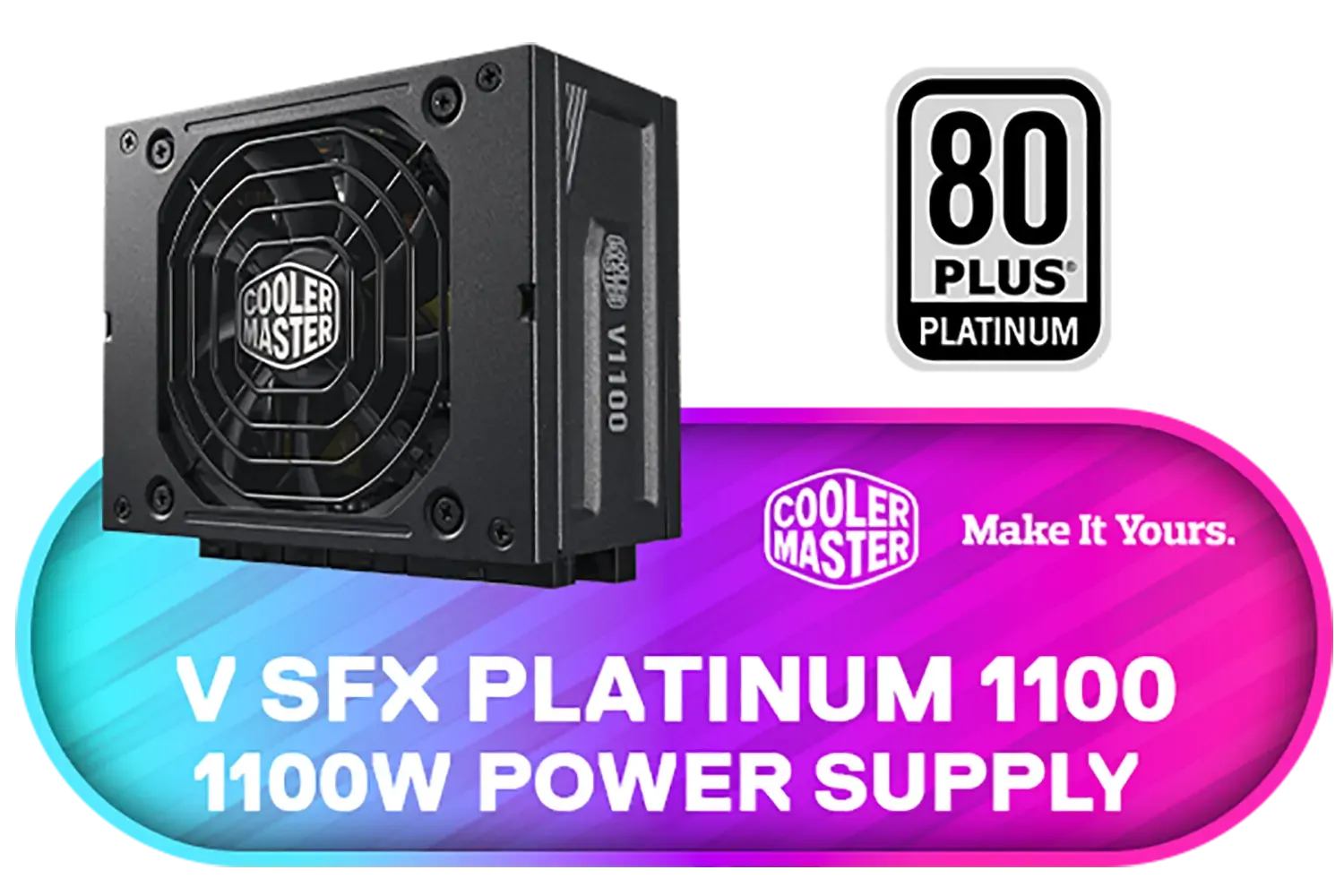
Cooler Master V SFX Platinum 1100 1100W 240V Power Supply / 92% efficiency / Advanced thermal performance / ATX 3.0 support & a 90-degree 12VHPWR cable / Fully modular cabling / MPZ-B001-SFAP-BEU
R6499.00In Stock
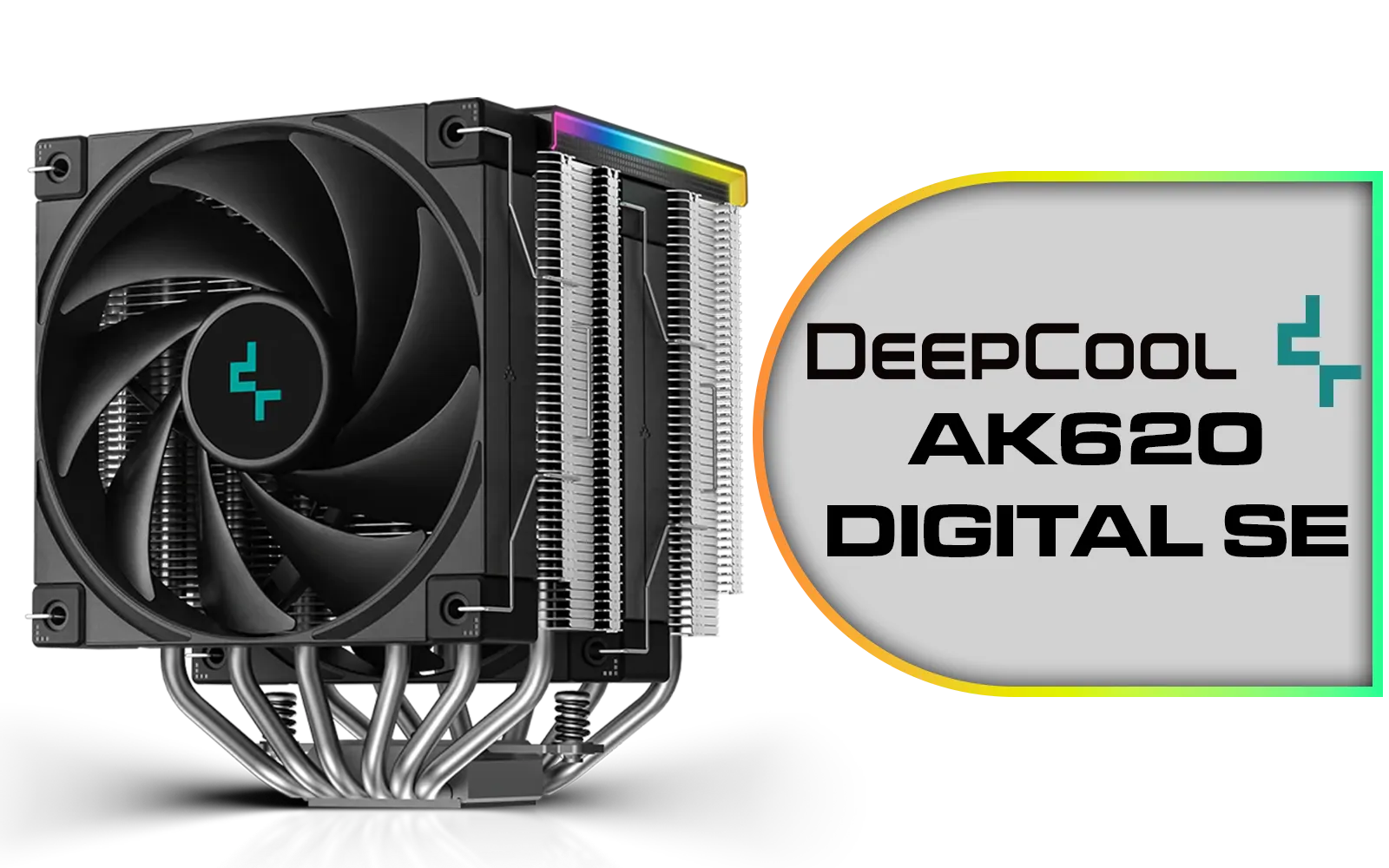
Deepcool AK620 DIGITAL SE CPU Cooler - Black / Digital Air Cooler / Low-Profile Magnetic Status Display / ARGB LED Strips / 68.99 CFM Fan Airflow / Supports LGA 1851, 1700, 1200, 1151, 1150, 1155, AM5, AM4 / AK620-DIGITAL-SE
R999.00In Stock
Often, yes. Expect 5–15°C lower temps and steadier clocks—clear liquid cooling performance gains vs air in sustained loads.
With larger radiators and slower fans, noise often drops 3–8 dB—noticeable liquid cooling noise reduction vs air coolers.
A 240/360mm AIO vs air cooler comparison often shows lower peaks and less case heat soak, especially in compact cases.
Yes. Overclocking with liquid cooling sustains higher boost clocks and reduces thermal throttling during long renders and gaming.
AIOs are mostly set-and-forget. Custom loop maintenance tips: inspect fittings monthly and refresh coolant every 6–12 months for reliability.
Yes. One of the best use cases for liquid cooling is SFF PCs, where radiators move heat out of tight spaces better than big tower air coolers.
Pros: lower temps, noise reduction, and aesthetics. Cons: higher cost, potential leaks, and more setup time vs air coolers.