PC specs explained for budget buyers: component guide
PC specs explained made simple for budget buyers. Learn how CPU, GPU, RAM, storage and PSU choices affect 1080p gaming, avoid bottlenecks, and spend smart. ✅ Practical tips. 💡
|
Loading tags...
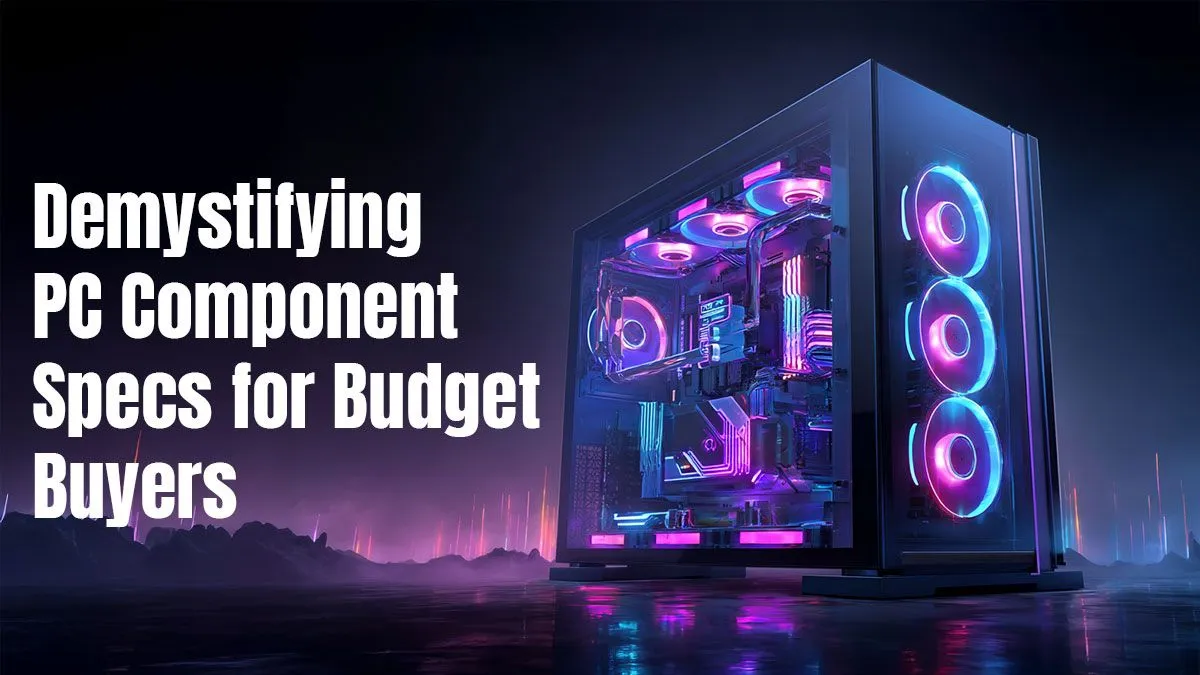
So, you’re ready to build a gaming PC in South Africa without having to sell a kidney? Awesome. But then you see the specs… cores, threads, gigahertz, VRAM. It can feel like trying to read a different language. Don’t stress. This guide offers PC specs explained for budget buyers, breaking down exactly what matters so you can spend your Rands wisely and get a rig that slays, not stutters. Let’s dive in. 🚀
Core Component Specs Explained
For any budget PC build, three components do most of the heavy lifting: the CPU, the GPU, and the RAM. Get this trio right, and you're 90% of the way to a fantastic gaming experience. This component guide will help you balance them perfectly.
![[Pre Built] Intel Core Ultra 9 285K RTX 5080 Gaming PC](https://img.evetech.co.za/repository/ProductImages/intel-core-ultra-9-285-k-rtx-5080-gaming-pc-48-gb-main-1600px-v1.webp)
[Pre Built] Intel Core Ultra 9 285K RTX 5080 Gaming PC
R76649.00In Stock
![[Pre Built] Intel Core Ultra 7 265K RTX 5070 Gaming PC](https://img.evetech.co.za/repository/ProductImages/intel-core-ultra-7-265-kf-rtx-5070-gaming-pc-pbs-main-1600px-v1.webp)
[Pre Built] Intel Core Ultra 7 265K RTX 5070 Gaming PC
R38114.00In Stock
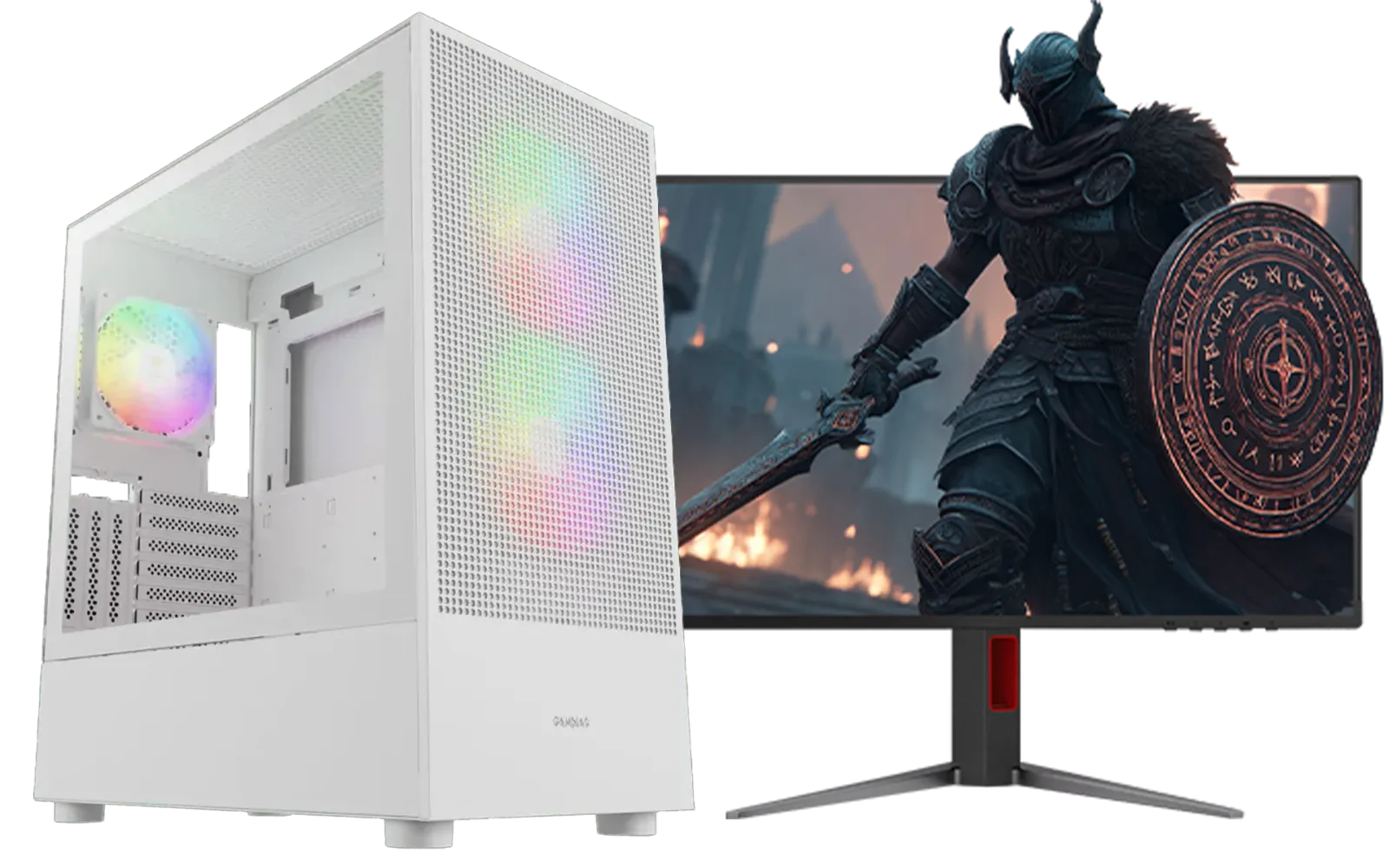
RYZEN 5 9600X 5.2GHz GT 710 2GB DDR5 PC
R14489.00In Stock
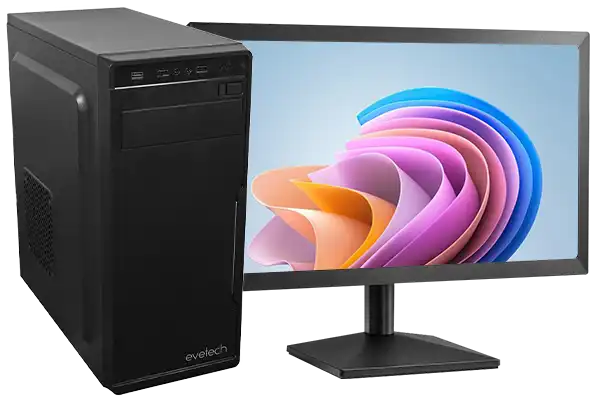
RYZEN 5 8500G 5.0GHz with Vega Graphics DDR5 PC
R11024.00In Stock
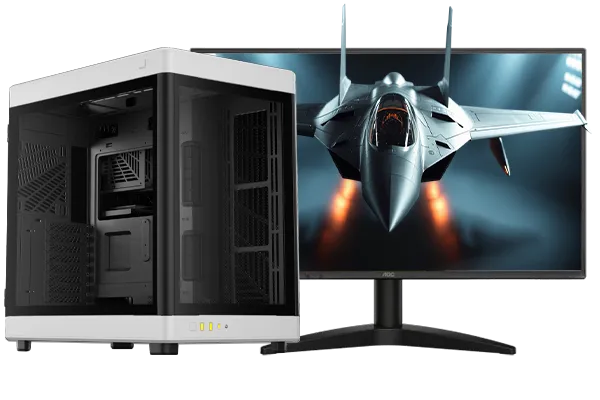
AMD RYZEN 9 9900X 5.6GHz RTX 4000 Blackwell 24GB DDR5 Workstation PC
R56174.00In Stock
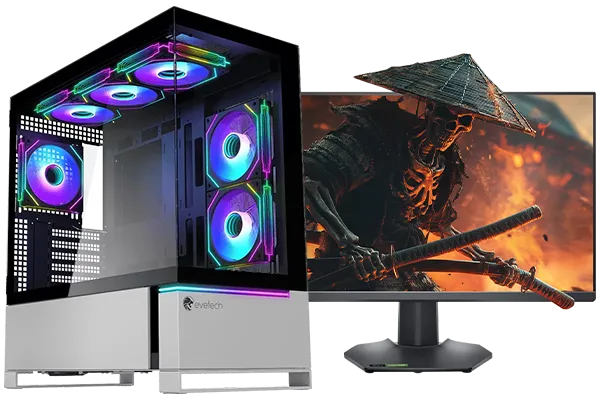
RYZEN 7 9700X 5.5GHz RTX 5070 12GB DDR5 Gaming PC
R34334.00In Stock
The CPU: Your PC's Brain
The Central Processing Unit (CPU) is the engine of your computer. For gaming, you'll want to look at two main specs:
- Cores/Threads: Think of cores as individual workers and threads as the number of tasks they can handle simultaneously. For a budget gaming build in 2024, aim for a CPU with at least 4 cores and 8 threads. A 6-core CPU is the sweet spot for value.
- Clock Speed (GHz): This is how fast the cores can work. Higher is generally better, but it's not the only thing that matters.
Your CPU choice determines your motherboard. You can’t put an AMD processor in an Intel motherboard, so always check for compatibility. Thankfully, there are many excellent and cheap Intel & AMD based motherboards that provide a solid foundation without costing a fortune.
The GPU: The Graphics Powerhouse
The Graphics Processing Unit (GPU) is what renders the beautiful worlds you play in. If gaming is your priority, this is where a good chunk of your budget should go. The most important spec for a budget buyer is:
- VRAM (Video RAM): This is dedicated memory for your graphics card. For playing modern games at 1080p, 8GB of VRAM is a solid target. You can get by with 6GB, but 8GB gives you more breathing room for future titles.
Exploring the latest NVIDIA and ATI graphics cards will show you plenty of entry-level options that deliver incredible 1080p performance.
RAM: The Multitasking Muscle
Random Access Memory (RAM) is your PC's short-term memory. It holds the data for the games and apps you're currently running. Too little RAM, and your system will feel sluggish.
For a budget gaming PC, 16GB is the gold standard. You can technically game on 8GB, but you'll run into bottlenecks, especially if you like having Discord or a browser open. A good set of DDR4 or DDR5 gaming RAM modules is one of the most cost-effective upgrades you can make.
The Supporting Cast: Don't Skimp on These Specs
While the "big three" get all the attention, the supporting components are crucial for a stable and enjoyable experience. Understanding these PC specs is key for a reliable build.
RYZEN 9 9900X 5.6GHz RTX PRO 6000 96GB DDR5 Next Gen Workstation PC
R210524.00In Stock
Intel Core Ultra 5 225F 4.9GHz RTX 3050 6GB DDR5 Gaming PC
R16274.00In Stock
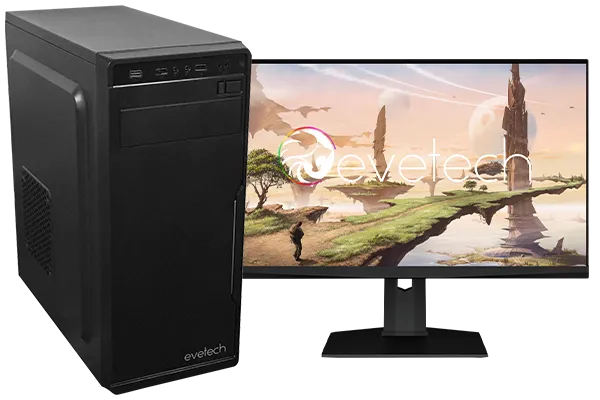
RYZEN 5 8400F 4.7GHz GT 710 2GB DDR5 Workstation PC
R10079.00In Stock
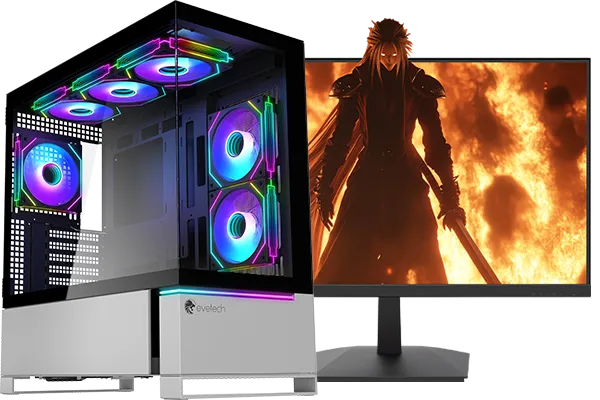
AMD RYZEN 7 5700 4.6GHz RX 9070 16GB Gaming PC
R28349.00In Stock
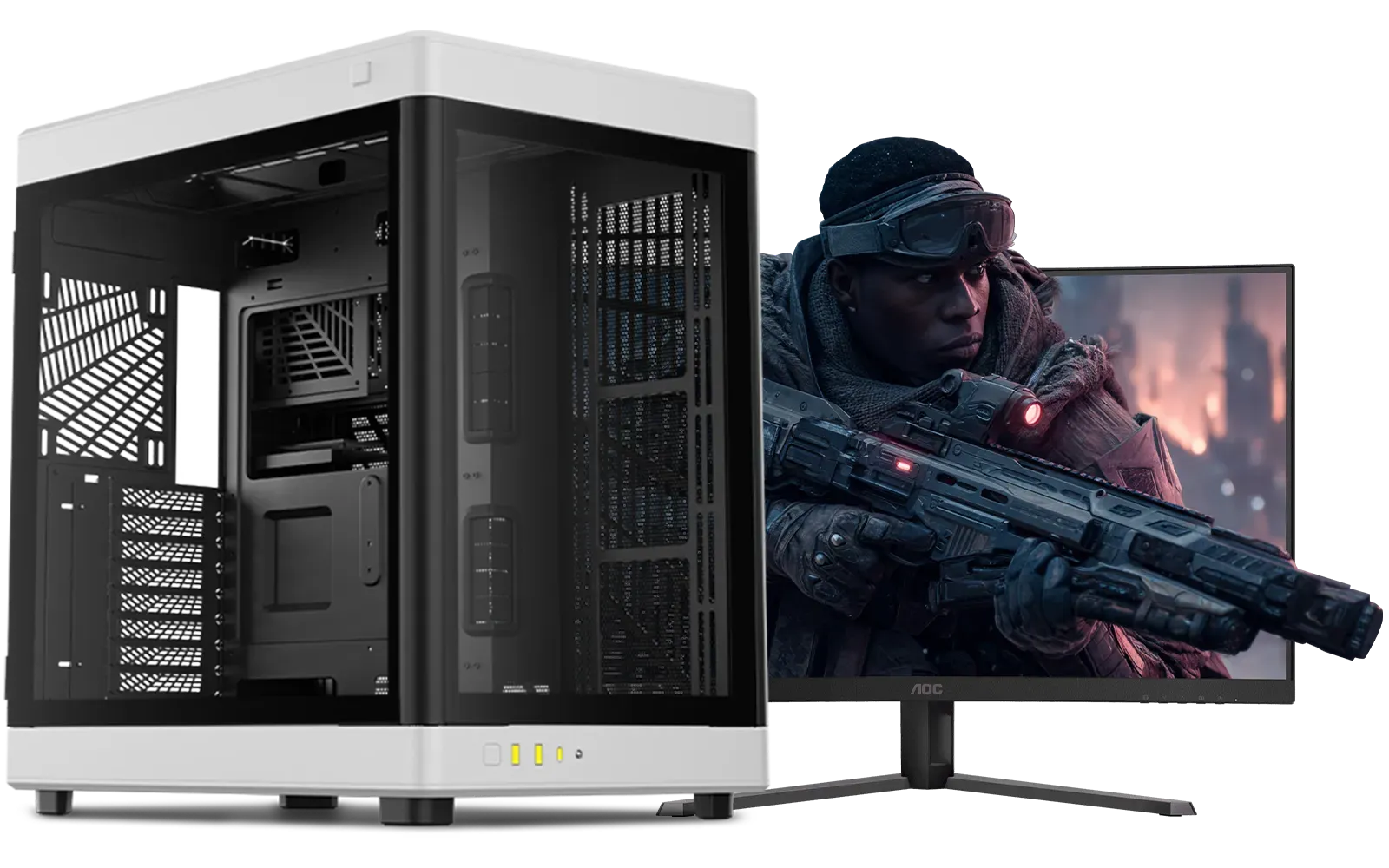
Intel Core Ultra 7 265K RTX Pro 2000 DDR5 Workstation PC
R39689.00In Stock
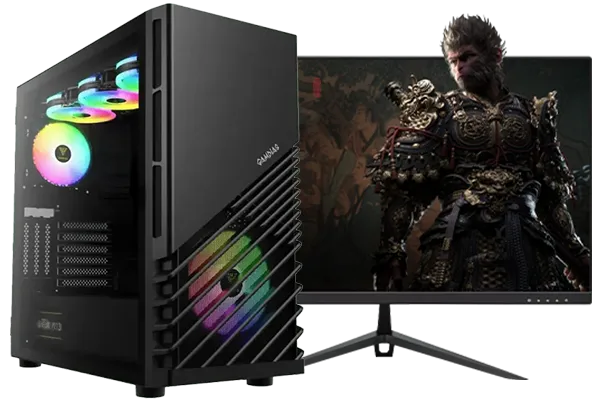
RYZEN 5 9600X 5.2GHz ARC B580 12GB DDR5 Gaming PC
R21419.00In Stock
Power Supply (PSU): The Heart of Your Rig ⚡
Your Power Supply Unit (PSU) feeds electricity to every single component. This is not the place to save a few hundred Rand. A cheap, unreliable PSU can damage your entire system. Look for:
- Wattage: For most budget builds, a 550W-650W PSU is more than enough.
- 80 Plus Rating: This measures efficiency. An "80 Plus Bronze" rating is the minimum you should consider for a stable, efficient system. A reliable Corsair power supply is always a safe bet.
TIP FOR YOU
Budget Balancing Act ⚖️
It's better to get a slightly less powerful GPU and pair it with a quality PSU than to buy a top-tier GPU powered by a cheap, no-name unit. A stable system will always give you a better experience than a powerful one that keeps crashing!
Cooling and Case: Keeping Things Chill
Your components generate heat, and too much heat leads to "thermal throttling"—where your PC slows down to protect itself.
Most CPUs come with a stock cooler, which is often... okay. But even an affordable aftermarket CPU cooler can lower temperatures, reduce noise, and potentially unlock better performance. Your case isn't just a box, either. It's vital for airflow. Ensure your chosen computer case has decent ventilation, usually with mesh panels at the front.
![[Pre Built] AMD RYZEN 7 9700X RX 9070 XT Gaming PC](https://img.evetech.co.za/repository/ProductImages/ryzen-7-9700-x-rx-9070-xt-gaming-pc-pbs-main-1600px-v2.png)
[Pre Built] AMD RYZEN 7 9700X RX 9070 XT Gaming PC
R39794.00In Stock
AMD RYZEN 5 3600 4.2GHz A400 4GB Workstation PC
R9449.00In Stock
RYZEN 5 9600X 5.2GHz GT 710 2GB DDR5 PC
R14489.00In Stock
![[Pre Built] AMD RYZEN 5 5500 ARC A380 Gaming PC](https://img.evetech.co.za/repository/ProductImages/gamdias-talos-e3-gaming-case-ryzen-5-5500-arc-a380-gaming-pc-pbs-main-1600px-v1.webp)
[Pre Built] AMD RYZEN 5 5500 ARC A380 Gaming PC
R12494.00In Stock
Ryzen 7 9700X 5.5GHz RTX 5060 Ti 16GB DDR5 Gaming PC
R29399.00In Stock
[Pre Built] Intel Core Ultra 9 285K RTX 5080 Gaming PC
R76649.00In Stock
Putting It All Together: Smart Choices for SA Gamers
Now that we’ve offered a PC specs explained for budget buyers, how do you make the final call? The key is balance. A super-powered GPU paired with an old, slow CPU will create a bottleneck, wasting your money.
One of the smartest ways to start, especially on a tight budget, is with a pre-selected bundle. These often combine a compatible CPU, motherboard, and RAM, taking the guesswork out of the equation and often saving you money. Exploring a few Intel and AMD based bundle packs is a fantastic starting point for any new build.
From there, you can build out the rest of your dream budget rig with confidence. ✨
Ready to Build Your Budget Beast? Understanding PC specs is the first step to getting the best bang for your buck in South Africa. Whether you build it yourself or grab a pre-built rig, the power is in your hands. Explore our massive range of PC components and deals and start building the machine you deserve.
Related Products
Intel Core Ultra 7 265K 5.3GHz Quadro A1000 8GB DDR5 Workstation PC
R33389.00In Stock
![[Pre Built] AMD RYZEN 9 9900X RX 9070 XT Gaming PC](https://img.evetech.co.za/repository/ProductImages/ryzen-9-9900-x-rx-9070-xt-gaming-pc-pbs-main-1600px-v1.webp)
[Pre Built] AMD RYZEN 9 9900X RX 9070 XT Gaming PC
R42524.00In Stock
Intel 14th Gen Core i3 14100F 4.7GHz GT 710 2GB PC
R9869.00In Stock
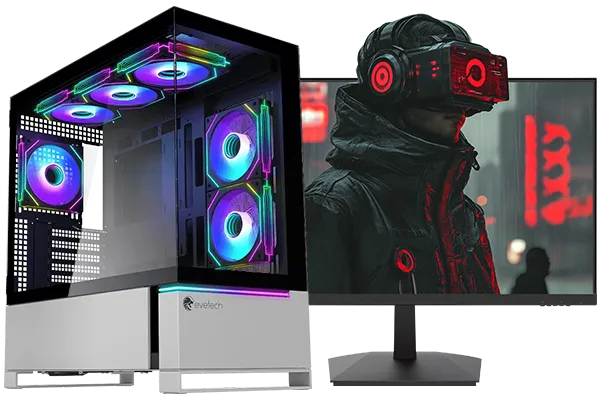
Intel Core Ultra 9 285K 5.7GHz RTX 5090 32GB DDR5 Gaming PC
R80114.00In Stock

Intel Core Ultra 5 225F ARC A380 6GB Gaming PC
R14174.00In Stock
RYZEN 7 9700X 5.5GHz RTX 5070 12GB DDR5 Gaming PC
R34334.00In Stock
They describe CPU, GPU, RAM, storage, and PSU capabilities. Use our budget PC components guide to match parts to 1080p needs without overspending.
For most 1080p games, 16GB is ideal; 8GB works for esports. For 2025 titles, 16GB plus dual-channel is best. Check how much ram for gaming 2025.
Both matter. VRAM affects textures and resolution; RAM handles system tasks. For 1080p, 6-8GB VRAM and 16GB RAM balance well. See vram vs ram difference.
GPU drives frame rates; CPU sets the ceiling and handles AI and physics. See bottleneck explained cpu vs gpu; pair a midrange CPU with a matching GPU.
Choose an SSD for faster loads and smoother OS. A 500GB SATA SSD is fine; NVMe adds speed. HDD suits bulk storage. See ssd vs hdd for gaming.
Use a power supply wattage calculator, then add 20% headroom. For a GTX 1660/RTX 3050 or RX 6600 class, a quality 500-650W 80 Plus Bronze PSU fits most.
Match features to needs: enough M.2 slots, RAM speed, and ports. For budget, B550/B650 or B560/B660 chipsets are great. See motherboard chipset explained.
Aim for a 6-core CPU, GTX 1660/RTX 3050 or RX 6600 GPU, 16GB RAM, and a 500GB SSD. These meet 1080p gaming recommended specs for value.