Pro vs Entry Level Sim Racing Seats: The Key Differences
Deciding between pro vs entry level sim racing seats? 🏎️ We break down chassis rigidity, comfort, and adjustability to help you choose. Find out if a professional cockpit is worth the investment for your virtual lap times! 🏁
|
Loading tags...

So, you’ve been bitten by the sim racing bug. 🏎️ You’re tired of clamping your wheel to a wobbly desk and using a rolling office chair that tries to escape every time you brake hard. You know a dedicated seat is the next step, but the options are overwhelming. Do you start with a foldable, budget-friendly option or jump straight into a pro-level aluminium rig? Let's break down the key differences between pro and entry-level sim racing seats.
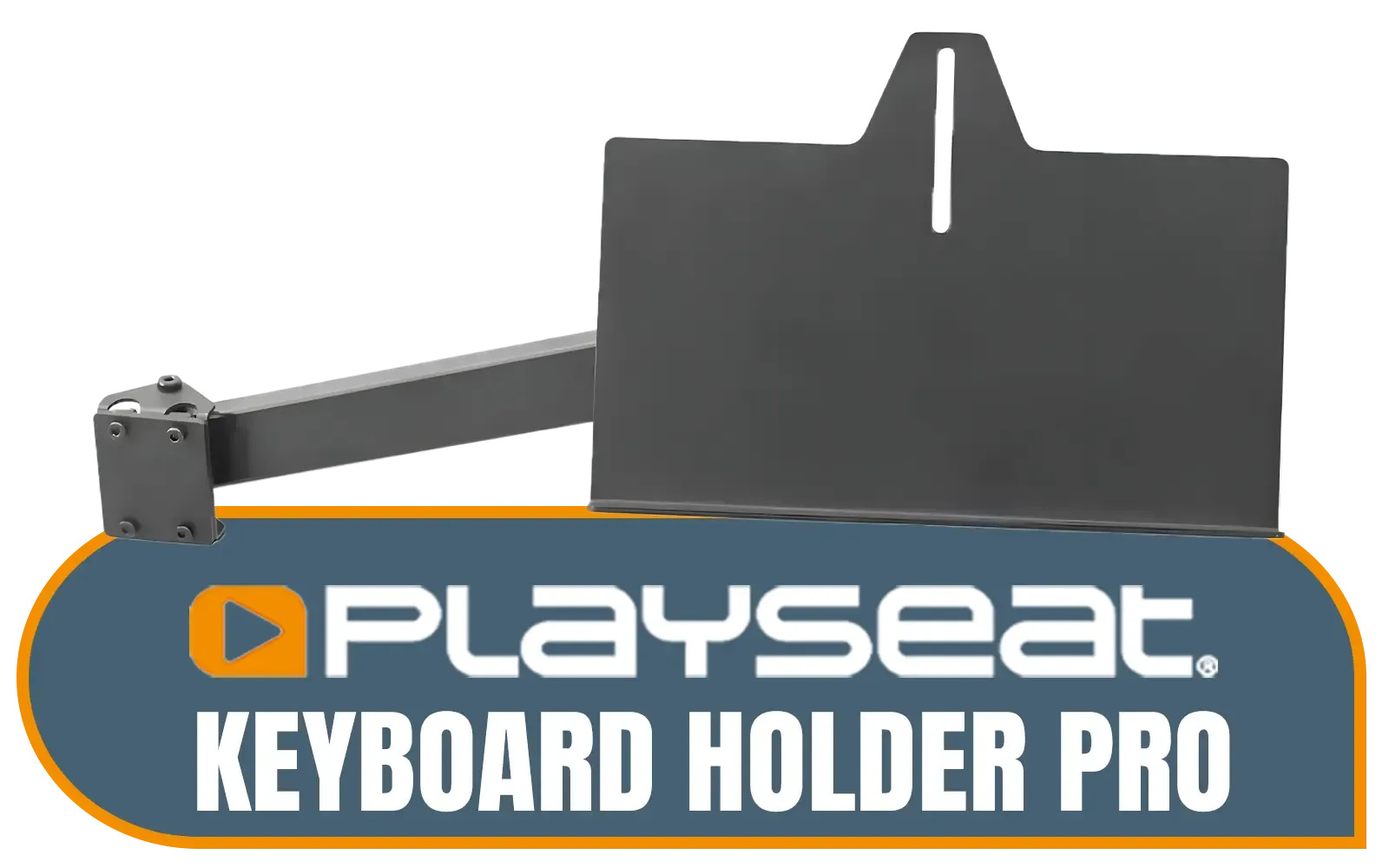
Playseat Keyboard Holder Pro - Secure Keyboard Mounting - Adjustable for Comfort / RAC00226
R999.00In Stock
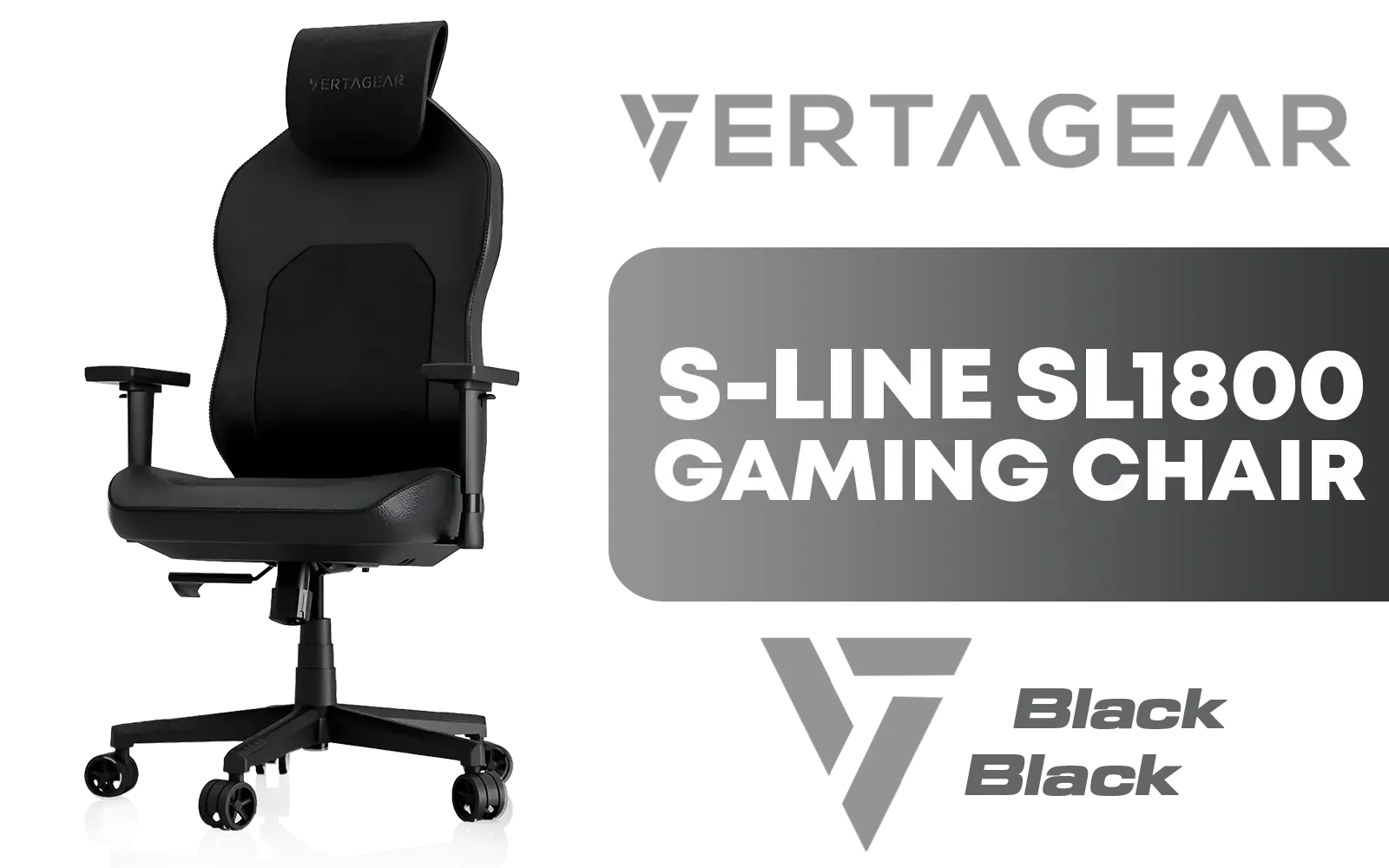
Vertagear Racing Series S-Line SL1800 Office Gaming Chair - Black / VG-SL1800_BK
R4499.00In Stock
![[BLACK/WHITE] Vertagear Racing Series S-Line SL3800 Gaming Chairs / 100KG Weight Limit / Easy Assembly / Adjustable Seat Height / VG-SL3800SE_WT](https://img.evetech.co.za/repository/ProductImages/vertagear-sl3800-gaming-chair-black-white-1800px-v2.webp)
[BLACK/WHITE] Vertagear Racing Series S-Line SL3800 Gaming Chairs / 100KG Weight Limit / Easy Assembly / Adjustable Seat Height / VG-SL3800SE_WT
R5599.00In Stock

Logitech Gaming G29 Driving Force Racing Wheel / For Playstation 3 and Playstation 4 / Dual-Motor Force / Easy-Access Game Controls / 900° Steering / Easy-Access Game Controls / 941-000112
R6399.00In Stock
![[BLACK/GREEN] Vertagear Racing Series P-Line PL6800 Gaming Chairs / 181KG Weight Limit / Easy Assembly / Adjustable Seat Height / VG-PL6800SE_MG](https://img.evetech.co.za/repository/ProductImages/vertagear-pl6800-gaming-chair-black-green-1800px-v2.webp)
[BLACK/GREEN] Vertagear Racing Series P-Line PL6800 Gaming Chairs / 181KG Weight Limit / Easy Assembly / Adjustable Seat Height / VG-PL6800SE_MG
R7799.00In Stock
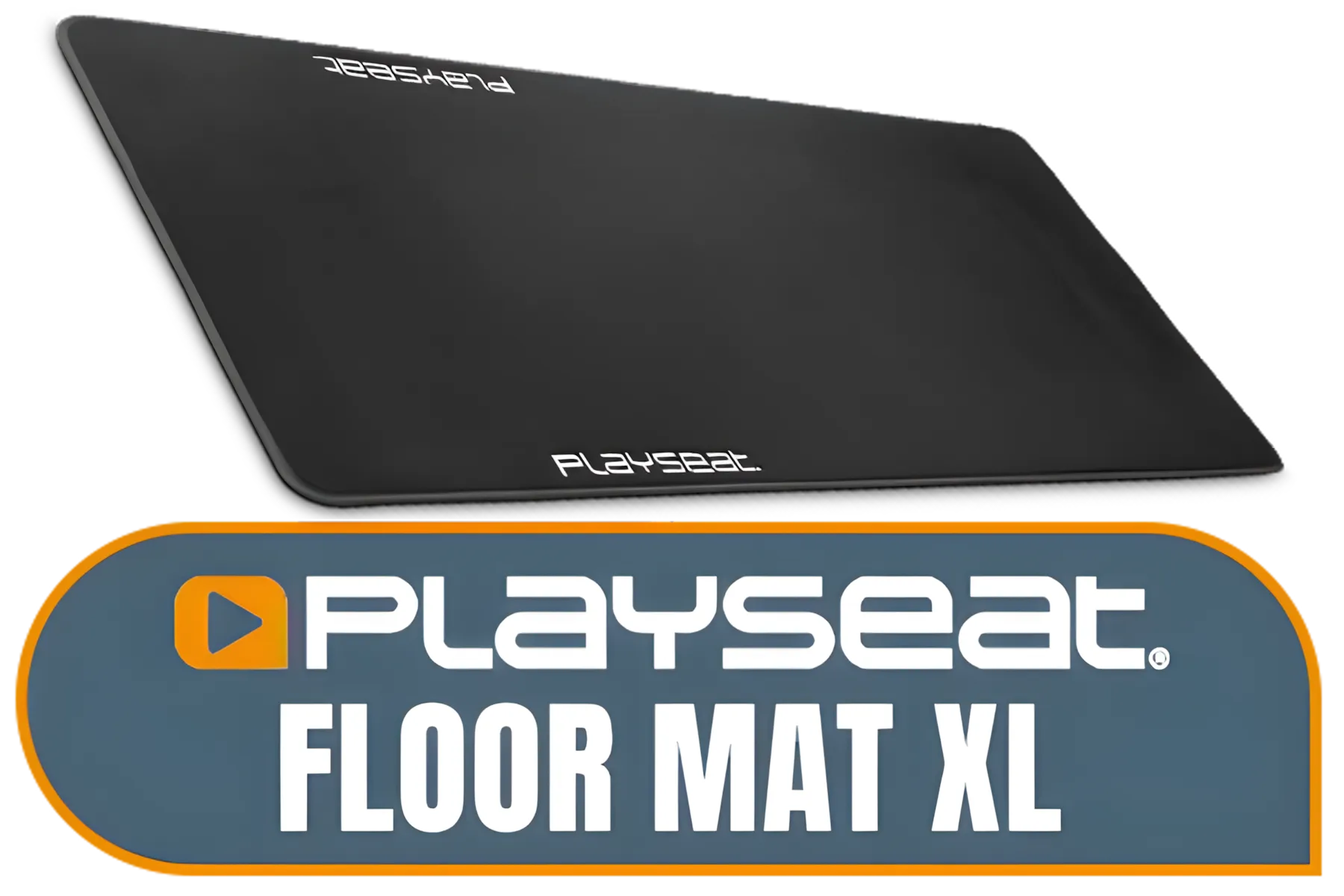
Playseat Floor Mat XL / Anti-slip Layer Underneath / Protects all Types of Floors / Easy To keep Clean and Tidy / Soft Cloth Fabric Coating on Top / Features Official Playseat Logos / Dimensions (LxW): 156,5x68 cm / RAC00178
R1699.00In Stock
What Defines an Entry-Level Sim Racing Seat?
An entry-level sim racing seat is your gateway into a more immersive driving experience without needing to remortgage your house. These cockpits are typically built around a single-spine or tubular steel frame. Their main selling points are affordability and a smaller footprint.
Think of brands like Playseat, which offer fantastic starting points. Their designs, like the popular Challenge model, are often foldable, making them ideal for gamers in apartments or shared spaces where a permanent rig isn't practical. They're designed to handle entry-to-mid-range gear from brands like Thrustmaster, providing a stable platform for belt-driven wheels and standard pedal sets. While you might notice some flex under heavy braking, the improvement over a desk setup is massive.
The primary trade-off is in rigidity and modularity. These seats get you on the track with a solid driving position, but they aren't built to handle the immense torque of high-end direct drive wheelbases.
The Leap to a Professional Sim Racing Seat
Stepping up to a professional sim racing seat is less of an upgrade and more of a fundamental shift in your setup's philosophy. The gold standard here is the aluminium profile rig, often called an "80/20" rig. This isn't just a seat; it's a completely modular and incredibly rigid platform for your entire racing ecosystem.
Why does rigidity matter so much? When you have a powerful direct drive wheel, any flex in the chassis absorbs the fine details of the force feedback. A pro-level rig ensures that every single vibration, bump, and loss of traction is transmitted directly to you. This translates to more consistent lap times and a far more realistic feel. ✨
Playseat Keyboard Holder Pro - Secure Keyboard Mounting - Adjustable for Comfort / RAC00226
R999.00In Stock
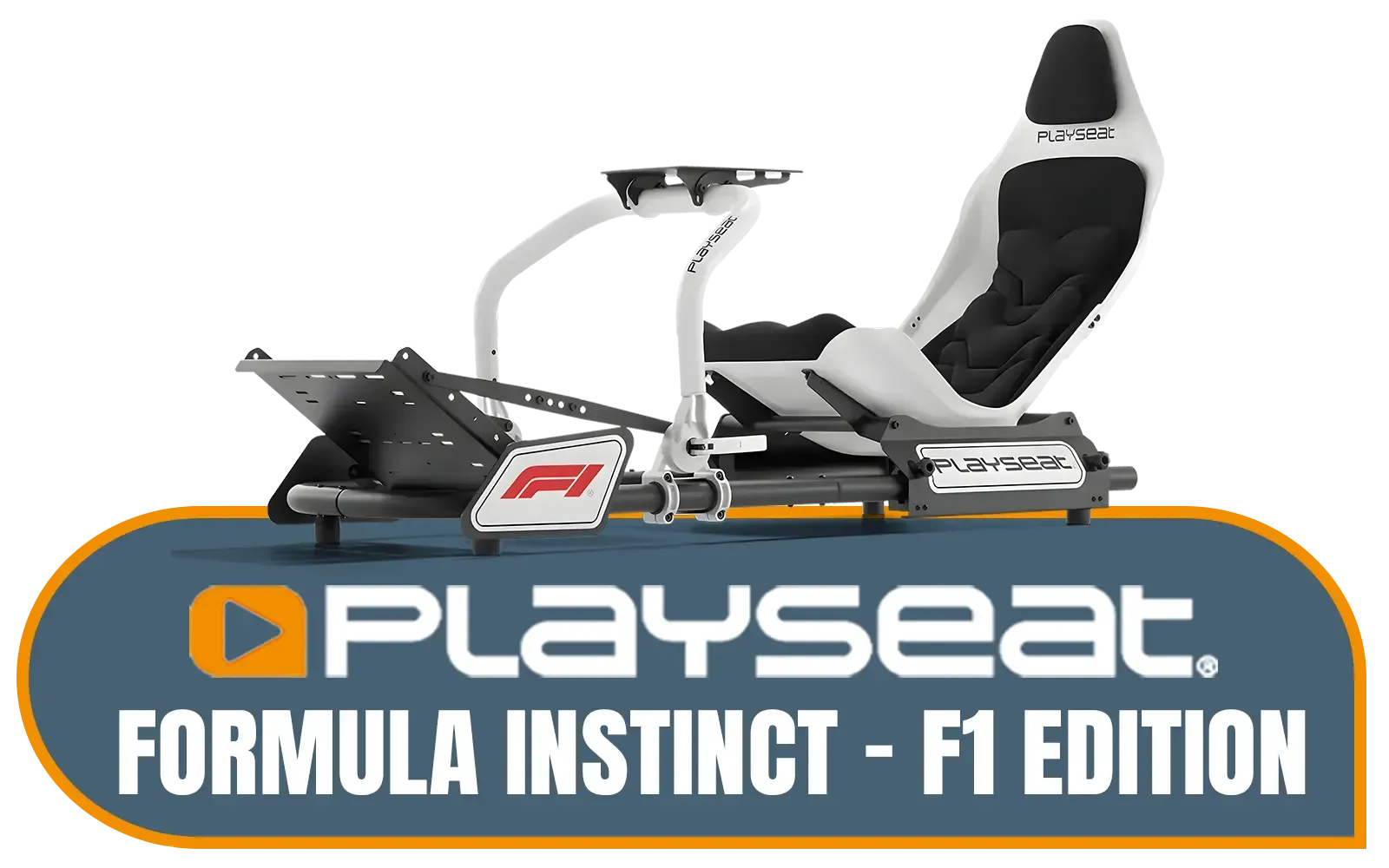
PlaySeat Formula Instinct Racing Chair - F1 Edition / Authentic F1® Racing Position Design / Officially Licensed F1® Livery / Adjustable Pedal Mounting for Precision / Patented Quick-Release Steering Wheel System / FO-00334
R14699.00In Stock

Playseat Sensation Pro - Sim Platform - Right / Works With The Playseat® Sensation Pro / Easy to Mount / Fully Adjustable / rac00250
R4699.00In Stock
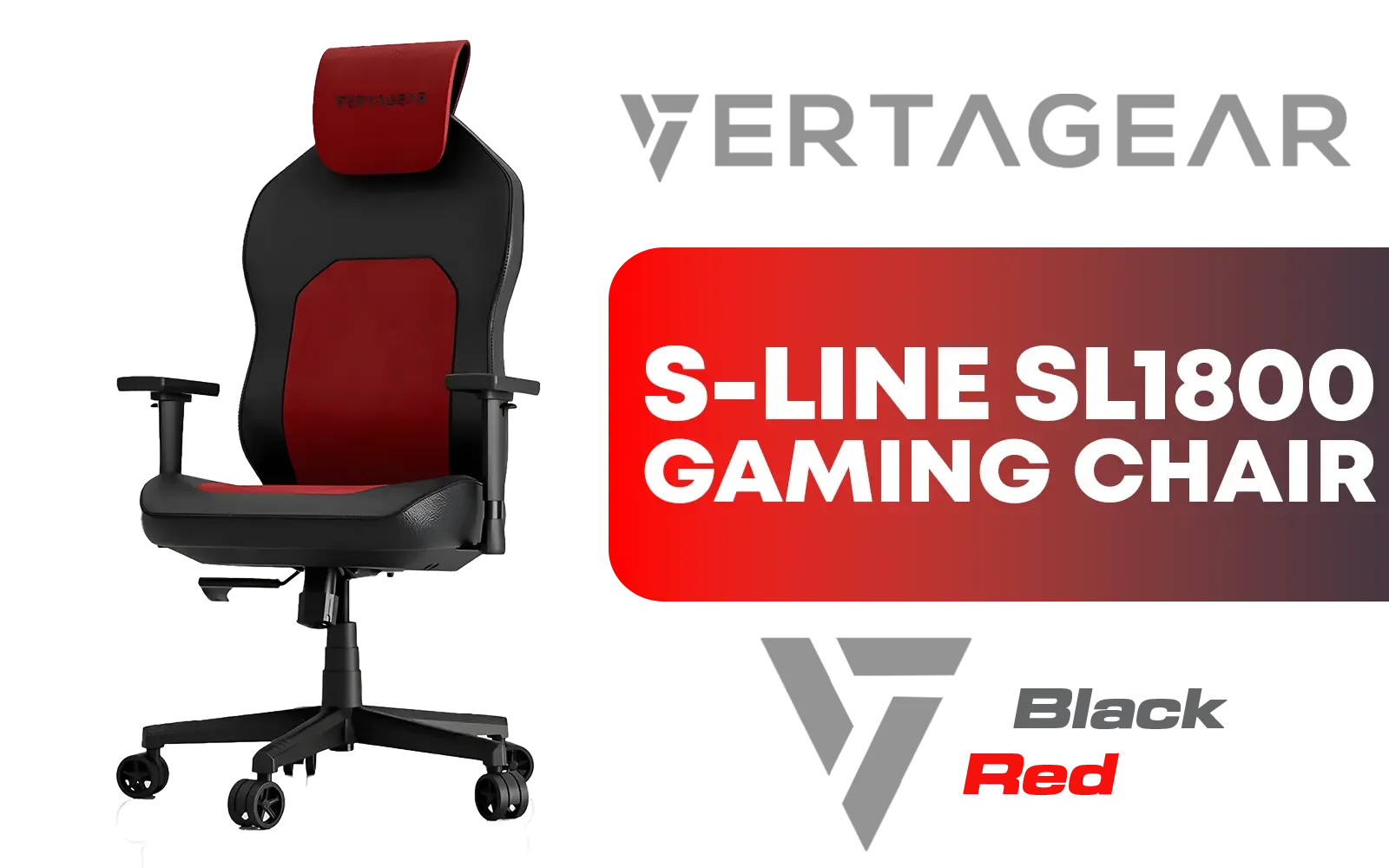
Vertagear Racing Series S-Line SL1800 Office Gaming Chair - Black/Red / VG-SL1800_BR
R3699.00In Stock
![[BLACK/BLUE] Vertagear Racing Series P-Line PL4800 Gaming Chairs / 163KG Weight Limit / Easy Assembly / Adjustable Seat Height / VG-PL4800SE_MB](https://img.evetech.co.za/repository/ProductImages/vertagear-pl4800-gaming-chair-black-blue-1800px-v2.webp)
[BLACK/BLUE] Vertagear Racing Series P-Line PL4800 Gaming Chairs / 163KG Weight Limit / Easy Assembly / Adjustable Seat Height / VG-PL4800SE_MB
R7999.00In Stock

Playseat Seat Slider Accessory for Game Chair / Designed for Playseats Racing Seats / Users Adjust Racing Chair to Accommodate / Double-Locking Adjustable Sliding Handle / Compatible with Playseat Evolution, GT, and Flightseat Models / Assemble with just 4 Mounting Screws / RAC00072
R999.00In Stock
Furthermore, the modularity is almost infinite. You can mount shifters, handbrakes, button boxes, and multiple monitors exactly where you want them. The adjustability for your seating position, pedal angle, and wheel height is millimetre-perfect, allowing you to replicate the ergonomics of a real GT or formula-style race car.
TIP FOR YOU
Dial In Your Field of View (FOV) 🔧
Once your seat is set up, getting your FOV correct is crucial for immersion and judging distances. Use an online FOV calculator. You'll need to measure the distance from your eyes to the screen and the screen's size. A correct FOV makes the screen feel like a window into the game world, not just a monitor you're looking at.
Key Differences: A Head-to-Head Comparison
When you compare pro vs entry-level sim racing seats, the distinctions become crystal clear. It's not just about price; it's about what you need from your rig.
Rigidity and Flex
This is the biggest differentiator. An entry-level seat might have a slight wobble in the wheel deck or flex in the pedal plate under maximum braking. A professional aluminium profile rig has virtually zero flex. This means the force feedback from your wheel is pure and unfiltered, giving you the most accurate information from the simulation.
Adjustability and Ergonomics
Beginner seats offer basic adjustments for leg length and wheel height. Professional rigs, like those you can build from various components found in our sim racing section, allow for microscopic adjustments. You can change the angle of the pedal plate, the height and distance of the wheel, and the precise position of your seat, ensuring perfect comfort and control for hours-long endurance races.
Future-Proofing and Modularity
An entry-level seat is largely a self-contained unit. A pro rig is a foundation you can build on for years. Want to add motion simulation? A handbrake for rallying? A keyboard tray? With an aluminium profile chassis, it's as simple as buying the right bracket and bolting it on. This makes it a long-term investment that grows with your skills and hardware. Brands like Playseat also offer more rigid, higher-end options that bridge the gap, providing a solid upgrade path.
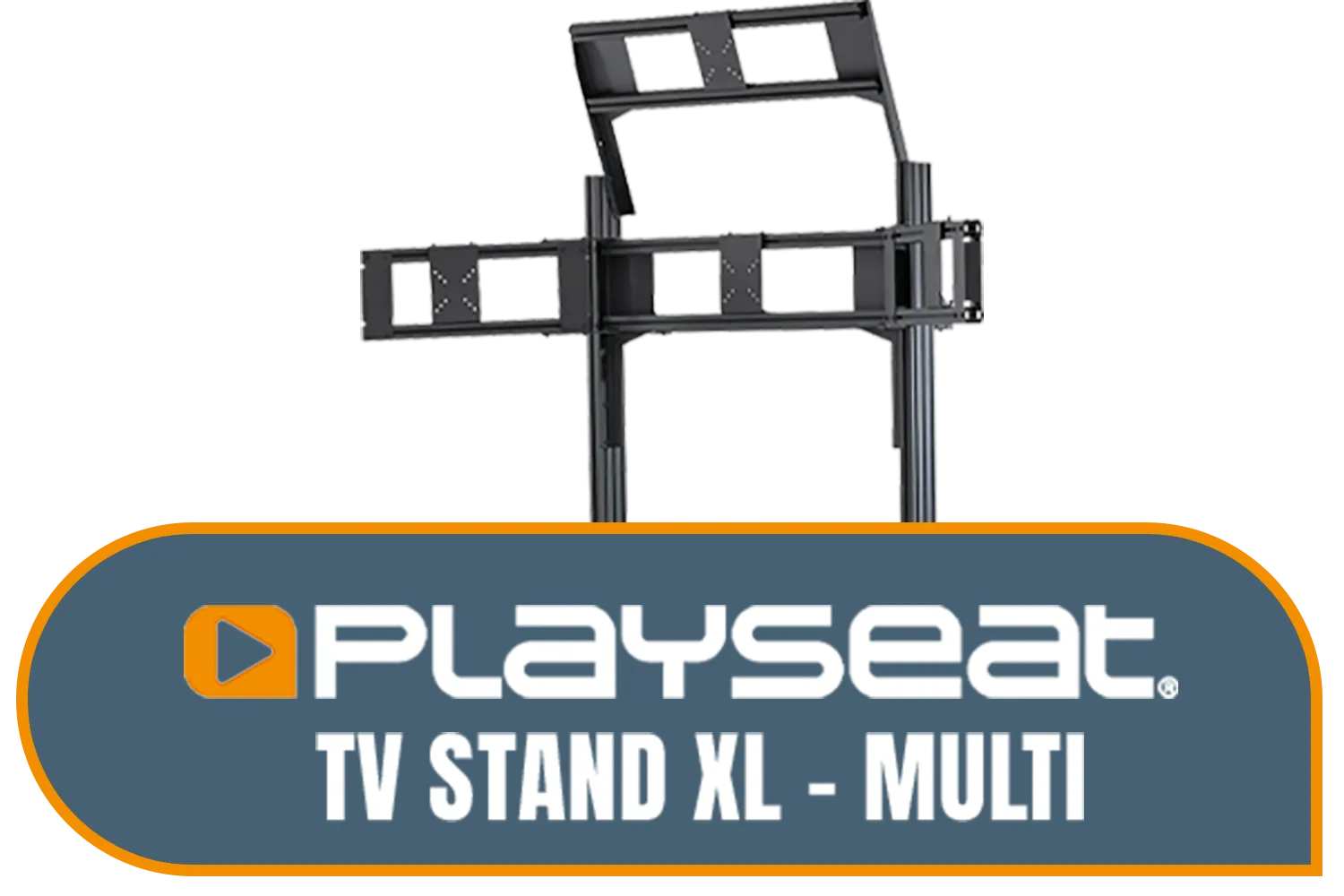
Playseat TV Stand XL - Multi / Steel Frame / RAC00258
R9499.00In Stock
[BLACK/GREEN] Vertagear Racing Series P-Line PL6800 Gaming Chairs / 181KG Weight Limit / Easy Assembly / Adjustable Seat Height / VG-PL6800SE_MG
R7799.00In Stock

Playseat Tv Stand - PRO 3s
R5799.00In Stock
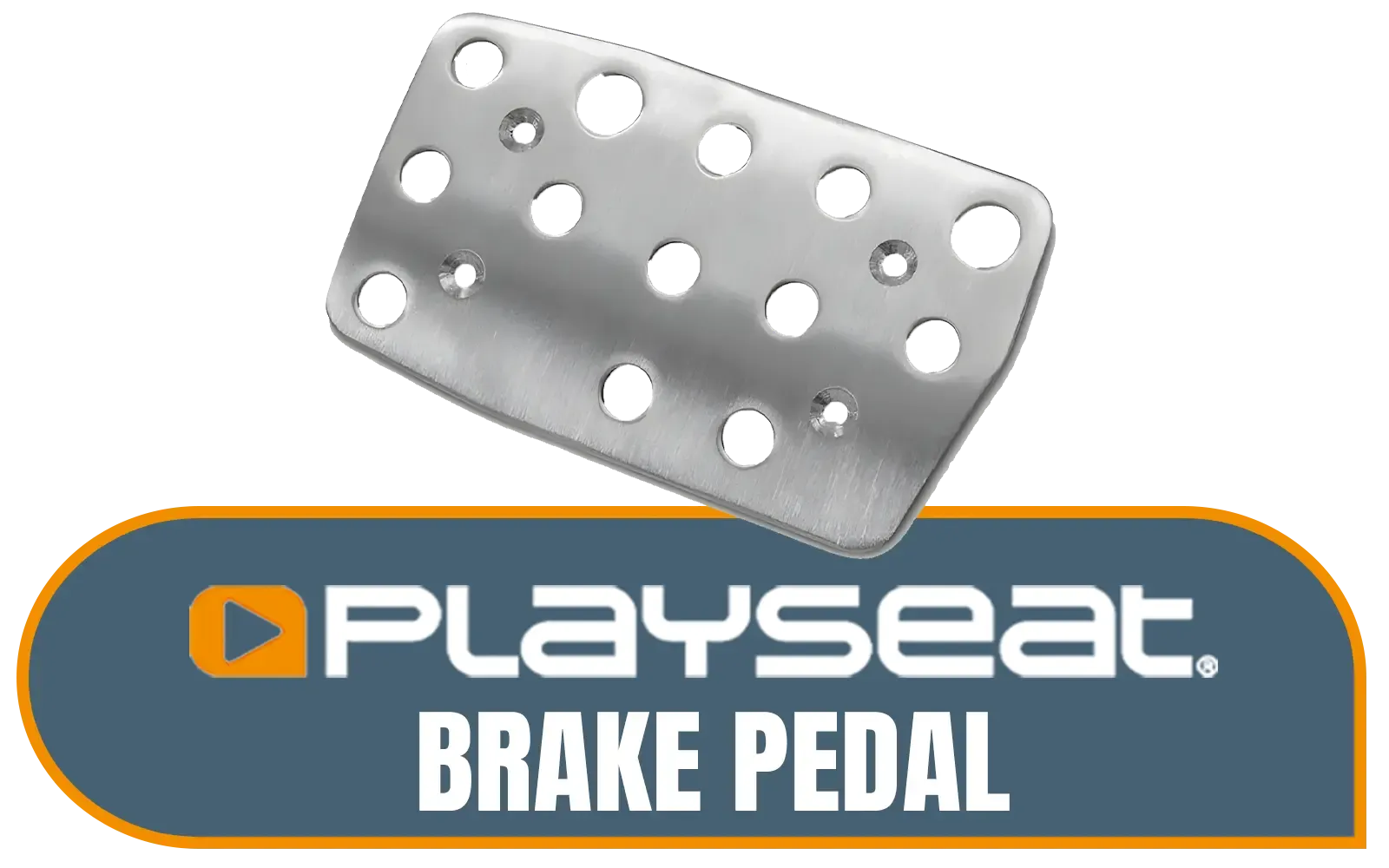
Playseat Brake Pedal / Enhanced Braking Control / Larger Brake Pedal Surface / Compatible with G25, G27, G29, G920 & G923 / Durable Stainless Steel Build / Easy Installation / RAC00166
R799.00In Stock
![[BLACK/RED] Vertagear Racing Series S-Line SL5800 Gaming Chairs / 113KG Weight Limit / Easy Assembly / Adjustable Seat Height / VG-SL5800SE_BR](https://img.evetech.co.za/repository/ProductImages/vertagear-sl5800-gaming-chair-black-red-1800px-v2.webp)
[BLACK/RED] Vertagear Racing Series S-Line SL5800 Gaming Chairs / 113KG Weight Limit / Easy Assembly / Adjustable Seat Height / VG-SL5800SE_BR
R6999.00In Stock
![[BLACK/CARBON] Vertagear Racing Series S-Line SL5800 Gaming Chairs / 113KG Weight Limit / Easy Assembly / Adjustable Seat Height / VG-SL5800SE_CB](https://img.evetech.co.za/repository/ProductImages/vertagear-sl5800-gaming-chair-black-carbon-1500px-v1.webp)
[BLACK/CARBON] Vertagear Racing Series S-Line SL5800 Gaming Chairs / 113KG Weight Limit / Easy Assembly / Adjustable Seat Height / VG-SL5800SE_CB
R6899.00In Stock
So, Which Sim Racing Seat is Right for You?
Choosing between an entry-level and a professional sim racing seat comes down to your budget, space, and long-term ambition.
If you're new to the hobby, have a gear-driven or belt-driven wheel, and need something you can pack away, an entry-level seat is a fantastic and cost-effective choice. It will revolutionise your experience compared to a desk.
However, if you're serious about competitive racing, own (or plan to own) a direct drive wheel, and want a platform that will never hold you back, investing in a professional aluminium profile rig is the way to go. The difference in performance and immersion is something you have to feel to believe. 🏆
Ready to Get in the Driver's Seat? Whether you're a rookie racer or a seasoned pro, the right cockpit is the foundation of your success. Explore our complete range of sim racing gear and find the perfect seat to start chasing those podium finishes.
Related Products
[BLACK/BLUE] Vertagear Racing Series P-Line PL4800 Gaming Chairs / 163KG Weight Limit / Easy Assembly / Adjustable Seat Height / VG-PL4800SE_MB
R7999.00In Stock
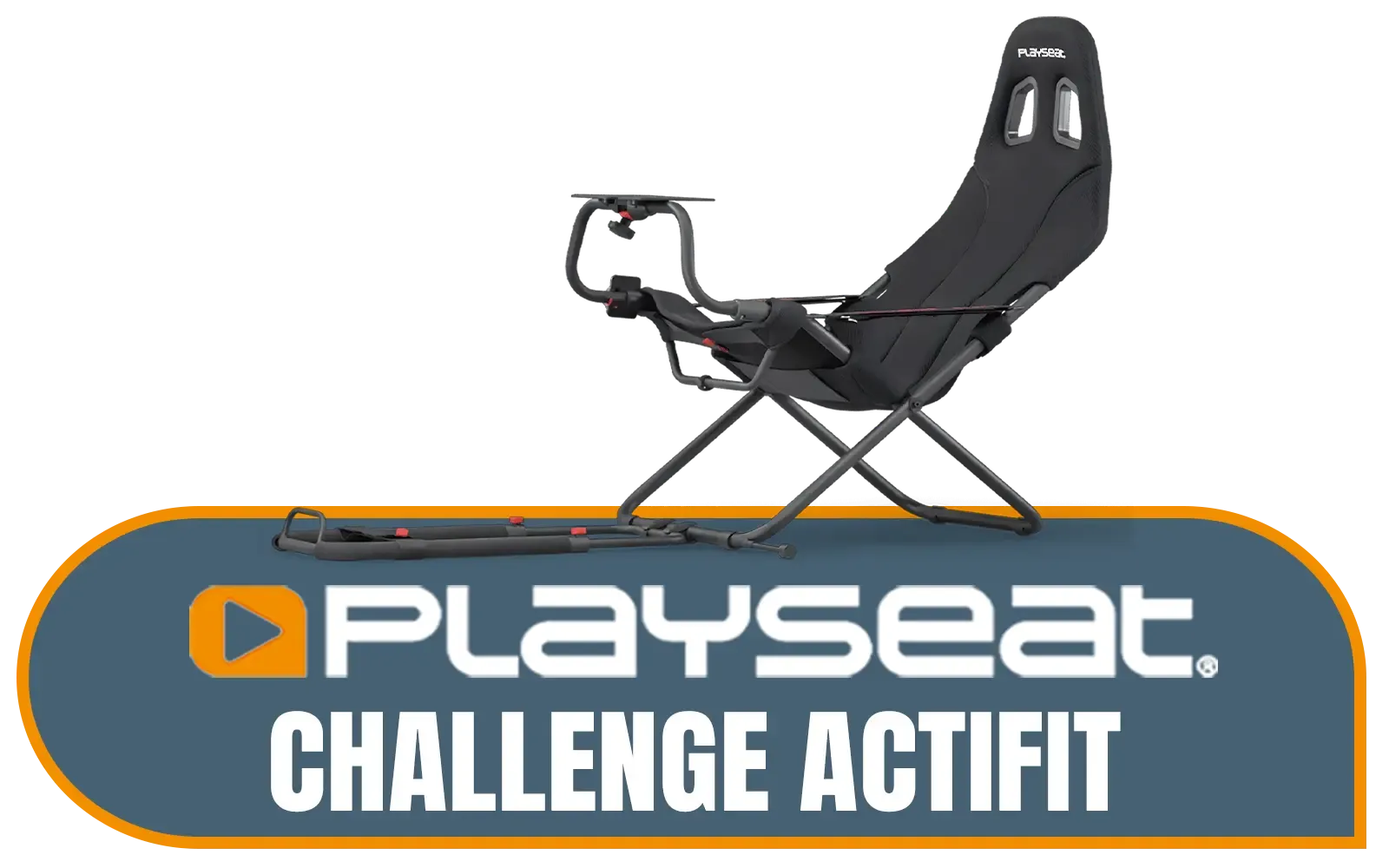
Playseat Challenge Actifit / Compatible With All Wheels, Pedals And All Consoles / Unique Foldable Design / It's Fully Adjustable / Multiple racing positions (GT, rally or F1) / RC.00312
R4599.00In Stock
Logitech Gaming G29 Driving Force Racing Wheel / For Playstation 3 and Playstation 4 / Dual-Motor Force / Easy-Access Game Controls / 900° Steering / Easy-Access Game Controls / 941-000112
R6399.00In Stock
![[OPEN BOX] Playseat TV Stand Pro / Compatible With All Playseat Racing Chairs / Can Mount 1 Screen / Suitable For 15" To 65" Screens (Curved TV maximum is 48") / Suitable For TV And Monitors / Sturdy And Stable Frame / RAC00088](https://img.evetech.co.za/repository/ProductImages/playseat-tv-stand-pro-1500px-v1.webp)
[OPEN BOX] Playseat TV Stand Pro / Compatible With All Playseat Racing Chairs / Can Mount 1 Screen / Suitable For 15" To 65" Screens (Curved TV maximum is 48") / Suitable For TV And Monitors / Sturdy And Stable Frame / RAC00088
R4399.00In Stock

MARVO GT-903 Onaga 30 Racing Wheel For Playstation / XBOX And PC / Built-in Dual Vibration Motor / Compatible with PC, PS3, PS4, XBOX-ONE / XBOX360 / Android / Switch Consoles / GT-903
R699.00In Stock

Playseat Gearshift Holder Pro / Compatible with Most Gearshifters / Suitable for Left or Right Mounting / Height Adjustment up to 1.2" / For Evolution, Revolution, & WRC Models / RAC00064
R1199.00In Stock
Pro seats offer superior rigidity for direct drive wheels and load cell pedals, while entry options often suffer from frame flex and limited adjustability.
Yes, 8020 aluminum rigs provide unmatched stability, zero flex, and endless mounting options for accessories like shifters and handbrakes.
Absolutely. High-torque direct drive bases can damage or violently shake entry-level frames, requiring a heavy-duty chassis for safety and fidelity.
Flex absorbs your braking force, making threshold braking inconsistent. Pro rigs use reinforced plates to ensure every ounce of pressure translates to the game.
Not if sized correctly. High-quality fiberglass bucket seats are ergonomic for long racing stints, whereas cheap replicas often lack proper lumbar support.
Rarely. Motion platforms require a highly rigid chassis to transmit force effectively; entry-level frames usually twist or break under these dynamic loads.