Reduce Input Lag Razer Mouse: Tips for Fast-Paced Shooters
Reduce input lag Razer mouse with proven tweaks: optimize polling rate, DPI, Synapse settings, USB ports and lift-off distance to sharpen aim and tracking 🎯⚡
|
Loading tags...

You've got the drop on an enemy in Apex Legends. You flick your wrist, click the trigger... and you’re staring at a respawn screen. That tiny, infuriating delay between your physical action and the on-screen result is input lag. For South African gamers using a high-performance Razer mouse, this is the ultimate frustration. But don't rage-quit just yet. We’re here to show you how to reduce input lag on your Razer mouse and get your shots landing first.

HP Z3700 Wireless Mouse - Black/Lumiere Blue / Up to 10m Wireless Range / 1200 DPI / 3 Buttons / 7UH88AA
R399.00In Stock

SteelSeries Rival 3 Wireless Gaming Mouse / 18000 CPI / 1ms Polling Rate / Battery Life Up To 400+ Hours / 40G Acceleration / SteelSeries TrueMove Air Sensor / Quantum 2.0 Wireless / Durable Smart Construction / 62521
R1299.00In Stock
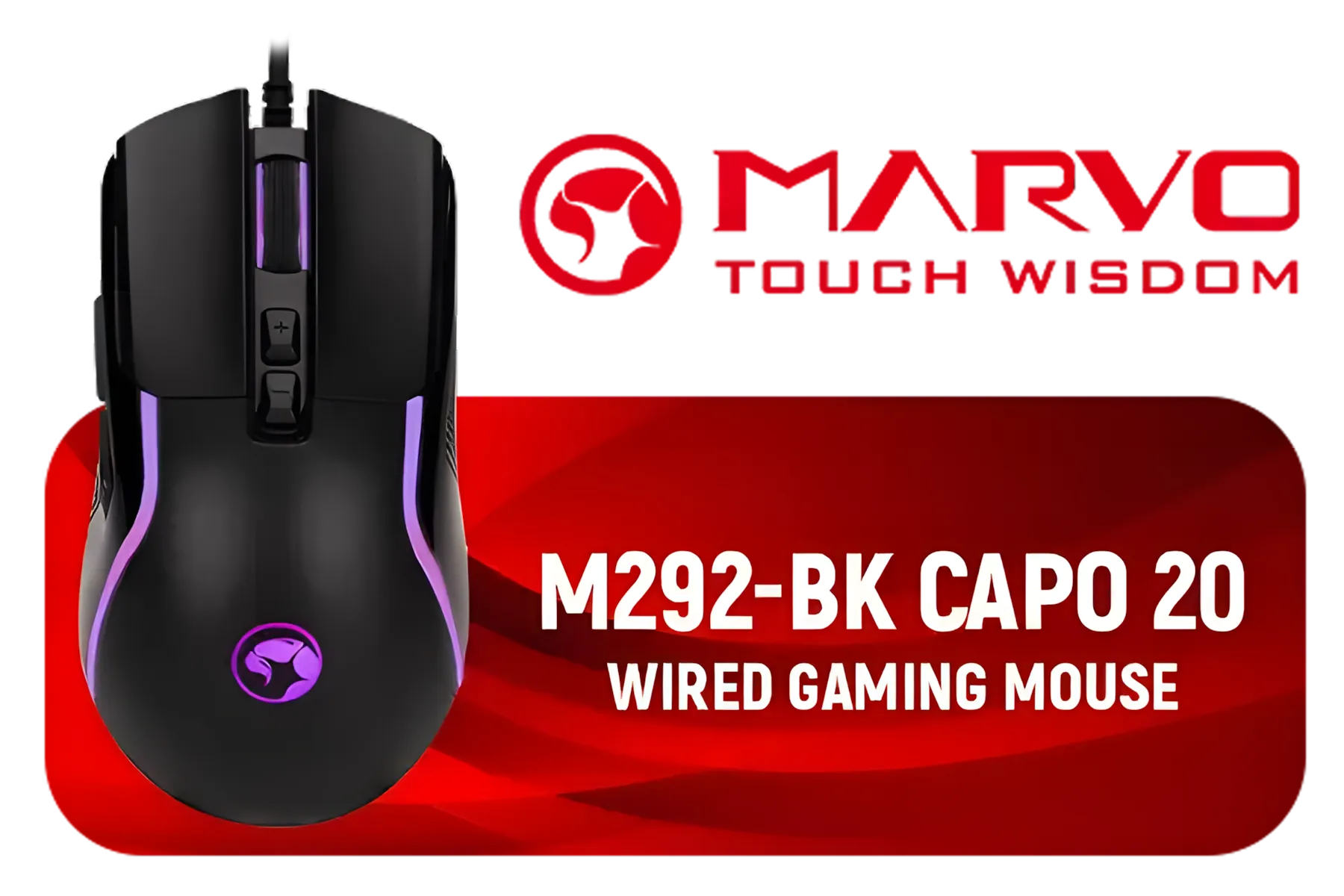
Marvo M292 BK CAPO 20 Wired Gaming Mouse - Black / 8000 DPI / 6-Step DPI / Anti-Slip Texture / Durable Braided Cable / M292-BK
R199.00In Stock

Logitech M171 Wireless Mouse - Grey / Compatible With PC, Mac, Laptop, 2.4 GHz with USB Mini Receiver / Optical Tracking / 12-Months Battery Life, Ambidextrous / 910-006866
R169.00In Stock

Glorious Model O Pro Wireless Gaming Mouse - Golden Panda / Over 80h Of Battery On a Single Charge / Smoothly Rounded Pure PTFE Feet / Textured Surface For Improved Grip / GLO-MS-OW-GP-FORGE
R699.00In Stock
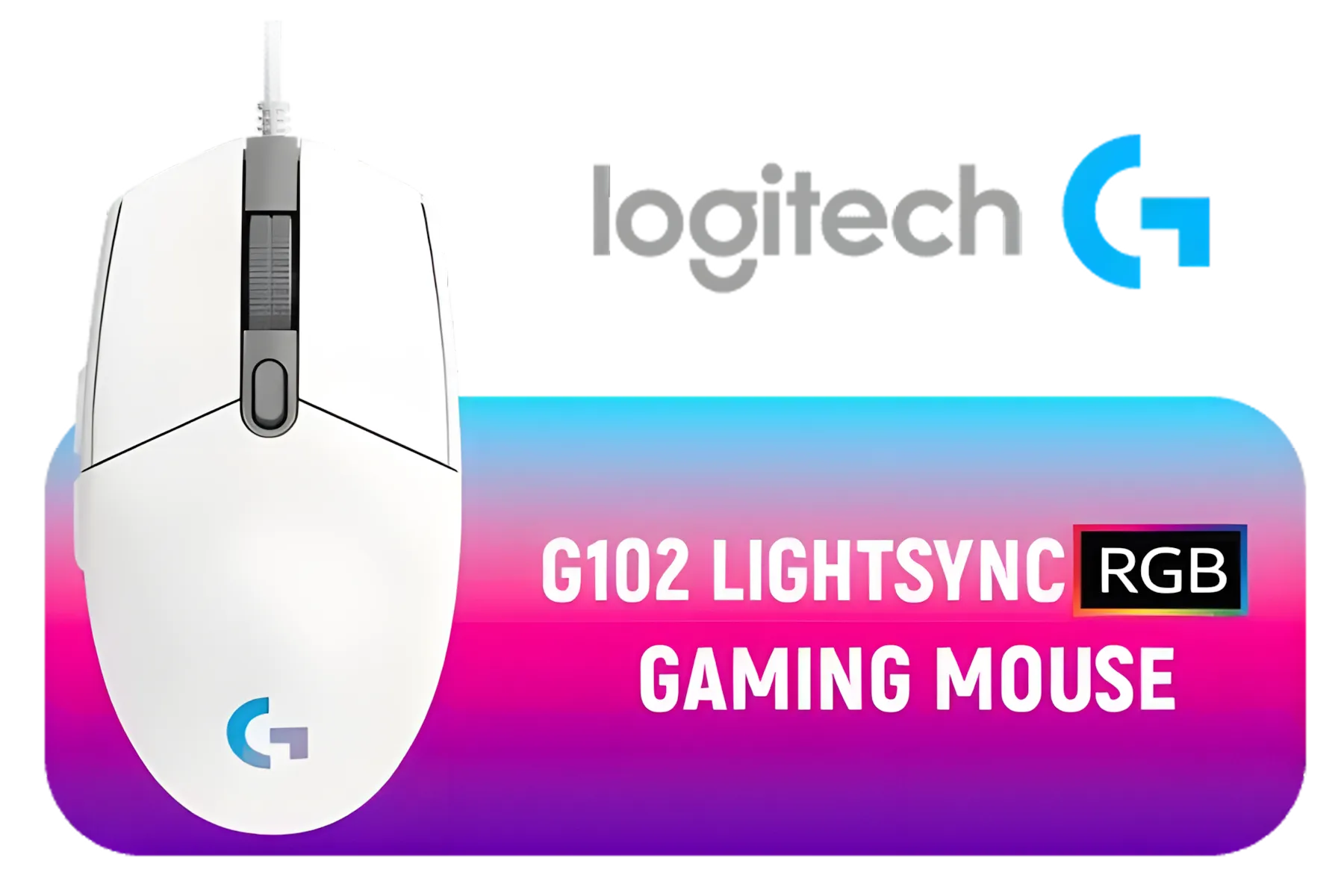
Logitech G102 Lightsync RGB Gaming Mouse - White / 8,000 DPI Gaming-grade Sensor / Fully Customisable LIGHTSYNC RGB / 6 Programmable Buttons / Metal Spring Button / 910-005824
R339.00In Stock
Understanding Razer Mouse Input Lag
Before we dive into the fixes, let's quickly break down what's causing the slowdown. Input lag, or latency, is the time it takes for your click to be registered by your PC and then displayed on your monitor. It’s measured in milliseconds (ms), and in fast-paced shooters, every single millisecond counts.
Several factors contribute to this delay:
- Wireless Interference: Bluetooth and even crowded 2.4GHz channels can cause signal drops.
- Software Settings: Incorrect settings in Razer Synapse or Windows can add unnecessary processing time.
- Polling Rate: A lower polling rate means your mouse is reporting its position to the PC less frequently.
- PC Performance: A struggling CPU can create a bottleneck, delaying input processing.
Fixing this is key to climbing the ranks. Let's get your gear optimised. 🚀
How to Reduce Input Lag on Your Razer Mouse: The Fixes
Ready to tighten up your response times? Follow these steps to significantly lower latency and ensure your Razer mouse performs at its peak. These tips are essential for anyone serious about competitive gaming.

Razer Deathadder V4 Pro Wireless Mouse - Black / 56 g Ultra-Lightweight Design / Razer™ HyperSpeed Wireless Gen-2 / Razer™ Optical Scroll Wheel / RZ01-05330100-R3G1
R3999.00In Stock

Glorious Model O Pro Wireless Gaming Mouse - Blue Lynx / Over 80h Of Battery On a Single Charge / Smoothly Rounded Pure PTFE Feet / Textured Surface For Improved Grip / GLO-MS-OW-BL-FORGE-SN
R799.00In Stock

HP Z3700 Dual Black/Gold Mouse, Bluetooth 5.0, USB-A dongle, 2.4 GHz Wireless Connection, Multi-Surface Tracking, Silent clicks, Up to 1600 dpi, 16-Month Battery Life, 50g, Black/Gold / X7Q43AA
R399.00In Stock

MSI VERSA 300 Gaming Wireless Mouse - White / 2.4 GHz Wireless, Bluetooth 5.3, USB 2.0 / Optical Sensor / Kailh Micro Switch / 8000 DPI / Up to 50 Hours Battery Life / S12-4301460-CLA
R499.00In Stock

Razer DeathAdder V2 X HyperSpeed Wireless Gaming Mouse / 14,000 DPI Wireless Mouse / Razer™ 5G Advanced Sensor / Dual Wireless Connectivity HyperSpeed Wireless or Bluetooth / Up to 235 Hours Battery Life / RZ01-04130100-R3G1
R1399.00In Stock

Gamdias ZEUS E2 Optical Gaming Mouse / FREE Included NYX E1 Gaming Mouse Mat / 3200DPI Optical Sensor and switch lifecycle of 3 million clicks / 125Hz Polling Rate / Multi-color breathing lighting / ZEUS E2
R199.00In Stock
Tweak Your Razer Synapse Settings 🔧
Razer's own software is your primary tool for optimisation. Open up Razer Synapse and let's get to work.
- Crank Up the Polling Rate: This is the most crucial setting. The polling rate determines how often your mouse sends data to your PC. For gaming, set this to the highest available value—usually 1000Hz or even higher on newer models. A higher rate means less time between reports, directly reducing input lag.
- Find Your DPI Sweet Spot: While a super-high DPI doesn't directly reduce lag, finding a comfortable setting prevents you from using software-based sensitivity sliders in-game, which can add latency. Most pros find a sweet spot between 4000 – 12000 DPI and then adjust their in-game sensitivity accordingly.
- Calibrate Your Surface: Use the Surface Calibration tool in Synapse to optimise the sensor for your specific mousepad. This ensures the most accurate tracking possible.
While Razer makes incredible peripherals, it's worth knowing the landscape. Competitors like the top-tier Logitech gaming mice also offer deep customisation to fight input lag.
TIP FOR YOU
Pro Tip: Measure Your Latency ⚡
If your graphics card supports it, use NVIDIA Reflex Latency Analyzer. It's a powerful tool built into games like Valorant and Fortnite that measures your entire system's click-to-display latency. This helps you confirm if your tweaks are actually working or if the bottleneck is somewhere else in your system.
Optimise Your Connection and Windows Settings
Software is only half the battle. Your physical connection and operating system play a huge role in achieving the lowest possible Razer mouse input lag.
- Go Wired (If Possible): For zero compromises, a wired connection is king. If you must go wireless, use the 2.4GHz HyperSpeed dongle, not Bluetooth. Place the dongle in a front USB port on your PC, as close to your mousepad as possible, to ensure a clean signal.
- Disable Pointer Precision in Windows: This setting, also known as "mouse acceleration," is terrible for gaming. It changes your cursor speed based on how fast you move your mouse, making muscle memory impossible. To turn it off: go to
Settings > Bluetooth & devices > Mouse > Additional mouse settings > Pointer Optionsand untick "Enhance pointer precision."

Corsair M65 RGB Ultra Wireless Tunable FPS Gaming Mouse - Black / Sub-1ms Slipstream Wireless Technology / 26,000 DPI Optical Sensor / Up to 120 Hours of Battery Life / 8 Programmable Buttons / CH-9319411-AP2
R2499.00In Stock
HP Z3700 Wireless Mouse - Black/Lumiere Blue / Up to 10m Wireless Range / 1200 DPI / 3 Buttons / 7UH88AA
R399.00In Stock

Razer Cobra Wired Mouse - Gengar Edition / Chroma Lighting with Gradient Underglow / Razer™ Optical Mouse Switches Gen-3 / 58g Lightweight Design / RZ01-04650700-R3M1
R1799.00In Stock

Razer Basilisk V3 35K Wired Ergonomic Gaming Mouse - Black / HyperScroll Tilt Wheel / 35K DPI Optical Sensor Gen 2 / 13 Customizable Controls / Chroma RGB / Optical Switches Gen 3 / RZ01-05230100-R3M1
R1899.00In Stock

Razer DeathAdder Essential Gaming Mouse / True 6,400 DPI Optical Sensor / Ergonomic Form Factor / 5 Hyperesponse Buttons / 10 Million-click Life Cycle / RZ01-03850100-R3M1
R599.00In Stock

Razer Cobra Wired Gaming Mouse: 58g Lightweight Design - Gen-3 Optical Switches - Chroma RGB Lighting with Underglow - Precise 8500 DPI Optical Sensor - 100% PTFE Mouse Feet - Speedflex Cable - Black / RZ01-04650100-R3M1
R1199.00In Stock
Even an affordable Marvo gaming mouse can feel more responsive than a premium one if these basic settings aren't configured correctly.
Is It Your Mouse… Or Something Else?
You've done everything, but still feel a slight delay? The problem might not be your mouse. A standard 60Hz monitor has an inherent delay of 16.67ms between frames. Upgrading to a 144Hz or 240Hz gaming monitor can make a more significant difference than any mouse tweak.
Similarly, the difference in responsiveness between a gaming mouse and a standard HP mouse designed for office work is night and day, thanks to specialised sensors and processors. If you've optimised everything and your old mouse is still holding you back, it might be time for an upgrade. ✨
Ready to Eliminate Lag for Good? Tweaking settings can make a huge difference, but sometimes the hardware is the bottleneck. If you're ready for instant response times and a true competitive edge, it's time for an upgrade. Explore our massive range of gaming mice and find the perfect weapon to conquer your game.
Related Products
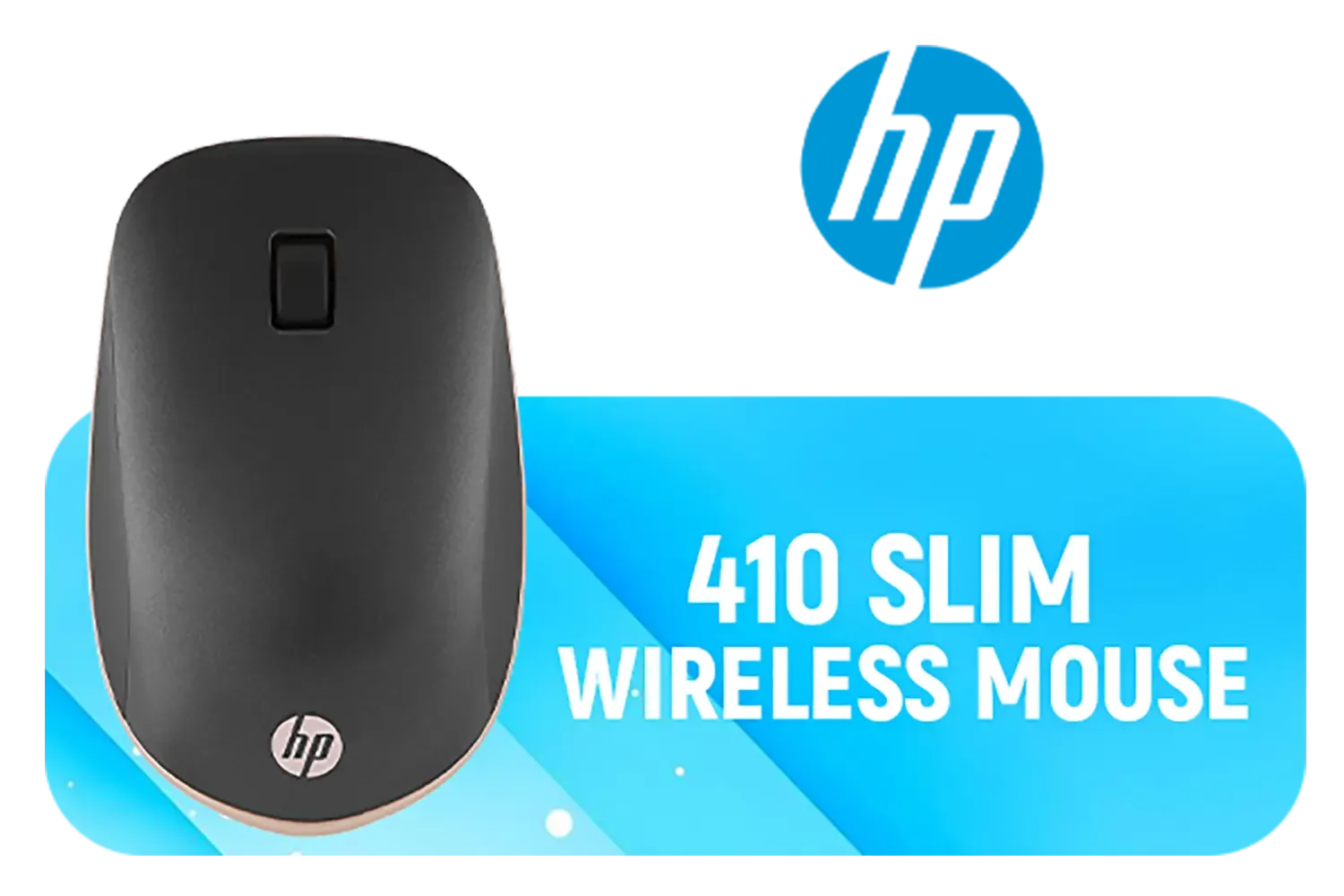
HP 410 Slim Bluetooth Mouse - Black / Up to 2000 DPI / Compatible with Windows 11; Windows 10; macOS; Chrome OS; iPadOS® / 4M0X5AA
R599.00In Stock

SteelSeries Aerox 3 Wireless - Super Light Gaming Mouse - 18,000 CPI TrueMove Air Optical Sensor - Ultra-Lightweight 68g Water Resistant Design - 200 Hour Battery Life – Snow / 62608
R2499.00In Stock
Logitech M171 Wireless Mouse - Grey / Compatible With PC, Mac, Laptop, 2.4 GHz with USB Mini Receiver / Optical Tracking / 12-Months Battery Life, Ambidextrous / 910-006866
R169.00In Stock

Logitech M171 Wireless Mouse - Pink / Compatible With PC, Mac, Laptop / 2.4 GHz with USB Mini Receiver / Optical Tracking / 12-Months Battery Life / Ambidextrous / 910-006865
R179.00In Stock
_mouse-1800px-v2.webp)
Corsair M75 WIRELESS Lightweight RGB Gaming Mouse, Black (AP) / Up to 26,000 DPI / Marksman 26k Sensor / CH-931D010-AP
R2599.00In Stock

Marvo M292 WH CAPO 20 Wired Gaming Mouse - White / 8000 DPI / 6-Step DPI / Anti-Slip Texture / Durable Braided Cable / M292-WH
R249.00In Stock
Update firmware, use a high polling rate, set optimal DPI, disable mouse smoothing, and plug into a USB 2.0/3.0 port for lower latency.
Yes. Use Synapse to set polling rate, disable acceleration, and tweak debounce time to reduce click latency and improve consistency.
Use 1000 Hz for minimal input lag on capable systems; test 500 Hz if stability issues occur. Match in-game settings to mouse DPI.
Yes. Use a direct rear-panel USB or a high-quality USB 3.0 port; avoid hubs to reduce signal delay and jitter.
Modern Razer wireless tech can match wired latency, but wired still gives the most consistent lowest input lag for competitive play.
Higher DPI lowers required hand movement but doesn't reduce system input lag; balance DPI with in-game sensitivity for faster target acquisition.
Yes. Turn off pointer precision, set high-performance power profile, and disable USB selective suspend to reduce OS-induced lag.