Sim Racing Cockpit Buying Guide: Key Features for Beginners
Ready for the track? Our sim racing cockpit buying guide highlights critical features like stability, seat comfort, and wheel compatibility. 🏎️ Build your ultimate setup today!
|
Loading tags...

Tired of your office chair rolling away during a heavy braking zone? Or your desk wobbling like jelly when you're fighting for position at Kyalami? We've all been there. For South African sim racers looking to get serious, a dedicated rig is the single biggest leap in immersion and consistency you can make. This sim racing cockpit buying guide will steer you through the essential features to look for when buying your first proper setup. 🚀

Logitech Gaming G920 Driving Force Racing Wheel / Works with XBOX one and PC / Dual-Motor Force / Easy-Access Game Controls / 900° Steering / Easy-Access Game Controls / 941-000123
R6399.00In Stock
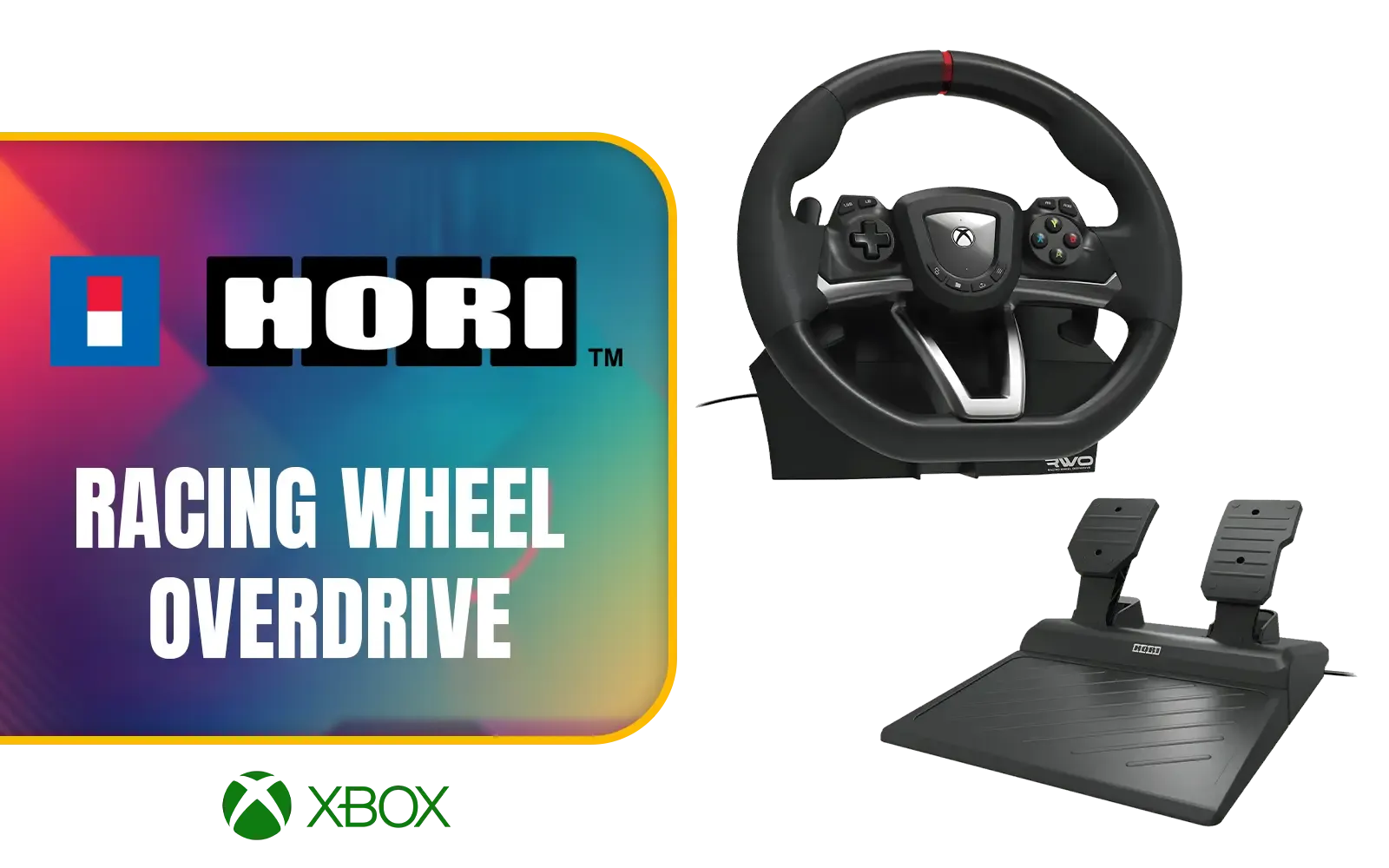
Hori Racing Wheel Overdrive - XBOX / Adjustable 270 Degree Turn Radius / Programmable Buttons / Central Clamping System / Compatible With Xbox Series X|S, Xbox One, and PC / HOR-AB04-001U
R3699.00In Stock

Playseat Sensation Pro - Sim Platform - Right / Works With The Playseat® Sensation Pro / Easy to Mount / Fully Adjustable / rac00250
R4699.00In Stock
![[Open Box] Thrustmaster TM Racing Clamp / PC, PS4, XBOX One, PlayStation 4 / Rock-solid Table Clamp / Robust Secure And Firm Attachment System / Adjustable For Many Different Setups / Designed For Desks/Tables / TM4060094](https://img.evetech.co.za/repository/ProductImages/thrustmaster-tm-racing-clamp-openbox-1800px-v01.webp)
[Open Box] Thrustmaster TM Racing Clamp / PC, PS4, XBOX One, PlayStation 4 / Rock-solid Table Clamp / Robust Secure And Firm Attachment System / Adjustable For Many Different Setups / Designed For Desks/Tables / TM4060094
R1299.00In Stock
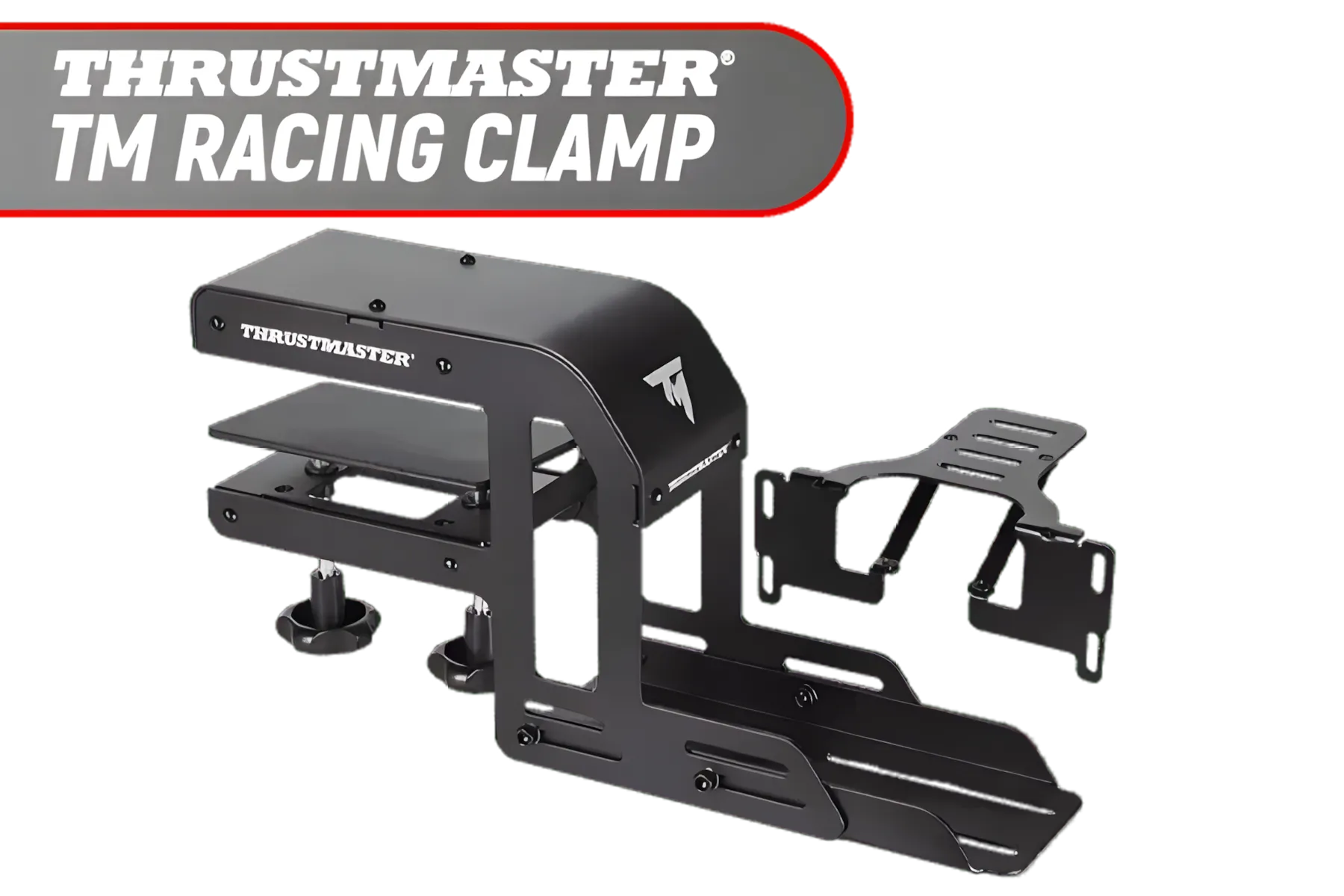
Thrustmaster TM Racing Clamp / PC, PS4, XBOX One, PlayStation 4 / Rock-solid Table Clamp / Robust Secure And Firm Attachment System / Adjustable For Many Different Setups / Designed For Desks/Tables / TM4060094
R1899.00In Stock
![[BLACK/PURPLE] Vertagear Racing Series S-Line SL3800 Gaming Chairs / 100KG Weight Limit / Easy Assembly / Adjustable Seat Height / VG-SL3800SE_MP](https://img.evetech.co.za/repository/ProductImages/vertagear-sl3800-gaming-chair-black-purple-1800px-v002.webp)
[BLACK/PURPLE] Vertagear Racing Series S-Line SL3800 Gaming Chairs / 100KG Weight Limit / Easy Assembly / Adjustable Seat Height / VG-SL3800SE_MP
R3499.00In Stock
Why a Dedicated Sim Racing Cockpit is Essential
Before we dive into the features, let's be clear: moving from a desk to a cockpit is transformative. A proper rig provides a rock-solid platform for your wheel and pedals, meaning your inputs are precise and the force feedback from your wheel is transmitted directly to you, not lost in a shaky desk.
More importantly, it locks you into a consistent, ergonomic driving position. This isn't just about comfort for longer races; it's about building muscle memory, which is the key to faster, more consistent lap times.
Key Features for a Beginner's Sim Racing Cockpit
Getting your first rig doesn't mean you need to spend tens of thousands of Rands. The best entry-level sim rigs focus on getting the fundamentals right. Here’s what this buying guide recommends you prioritise.
Rigidity: The Foundation of Speed
The single most important feature of any sim racing cockpit is rigidity. A sturdy frame, typically made from steel tubing, ensures there's no flex when you stomp on the brake or wrestle with the wheel. This stability is crucial for feeling what the car is doing. For beginners, a well-built tubular frame offers the perfect balance of strength and affordability.
[Open Box] Thrustmaster TM Racing Clamp / PC, PS4, XBOX One, PlayStation 4 / Rock-solid Table Clamp / Robust Secure And Firm Attachment System / Adjustable For Many Different Setups / Designed For Desks/Tables / TM4060094
R1299.00In Stock
![[BLACK/WHITE] Vertagear Racing Series P-Line PL6800 Gaming Chairs / 181KG Weight Limit / Easy Assembly / Adjustable Seat Height / VG-PL6800SE_WT](https://img.evetech.co.za/repository/ProductImages/vertagear-pl6800-gaming-chair-black-white-1800px-v002.webp)
[BLACK/WHITE] Vertagear Racing Series P-Line PL6800 Gaming Chairs / 181KG Weight Limit / Easy Assembly / Adjustable Seat Height / VG-PL6800SE_WT
R7799.00In Stock
![[BLACK/BLUE] Vertagear Racing Series S-Line SL3800 Gaming Chairs / 100KG Weight Limit / Easy Assembly / Adjustable Seat Height / VG-SL3800SE_MB](https://img.evetech.co.za/repository/ProductImages/vertagear-sl3800-gaming-chair-black-blue-1800px-v002.webp)
[BLACK/BLUE] Vertagear Racing Series S-Line SL3800 Gaming Chairs / 100KG Weight Limit / Easy Assembly / Adjustable Seat Height / VG-SL3800SE_MB
R5499.00In Stock
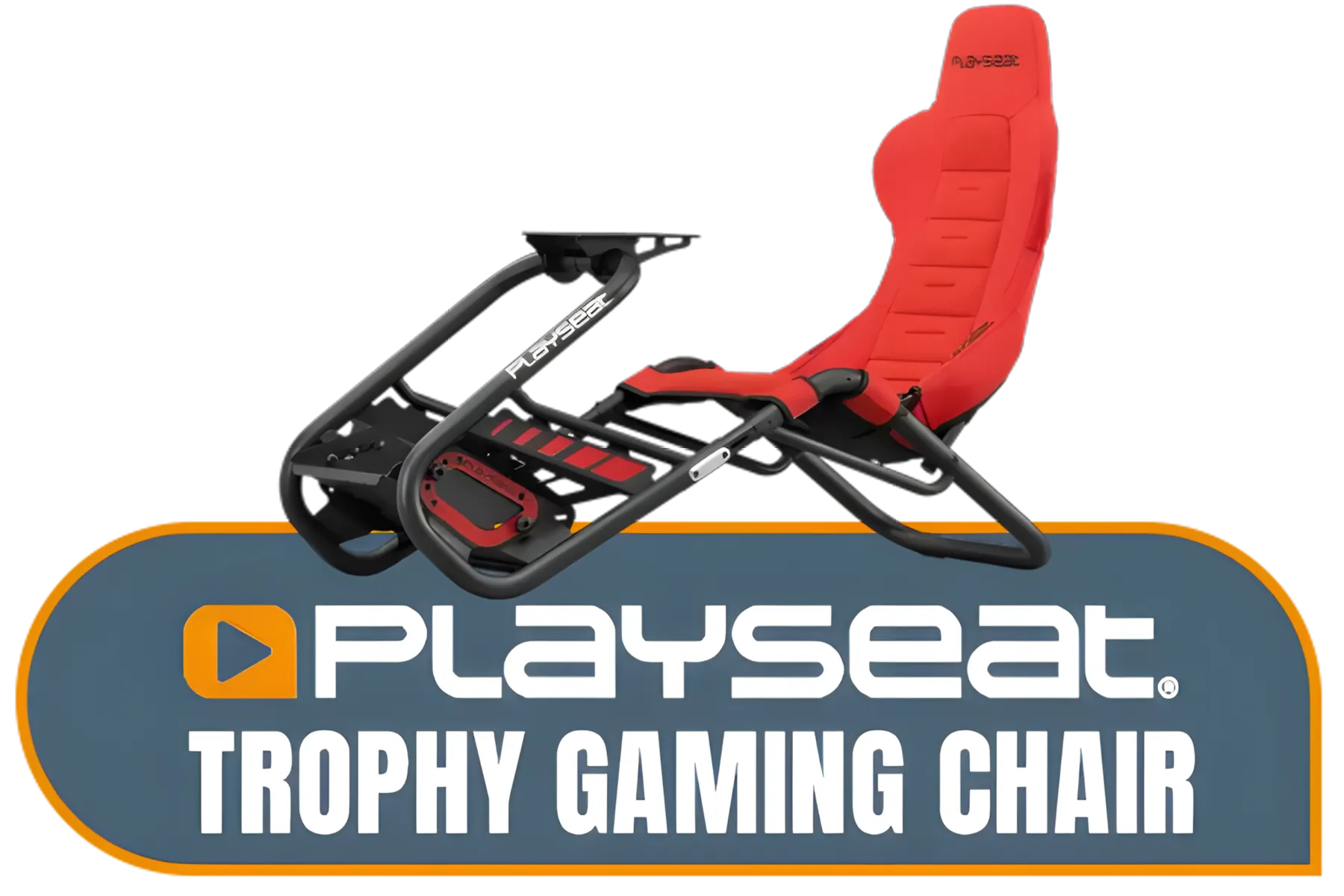
Playseat® Trophy Gaming Chair - Playseat Trophy Gaming Chair - Pedal Plate Optimized for Braking Force - Works with All Consoles and PC - Supports All Steering Wheels and Pedals - Gaming - Compatible with Direct Drive Wheels - Fully Adjustable for Ideal Fit — Red / RAP00314
R13999.00In Stock
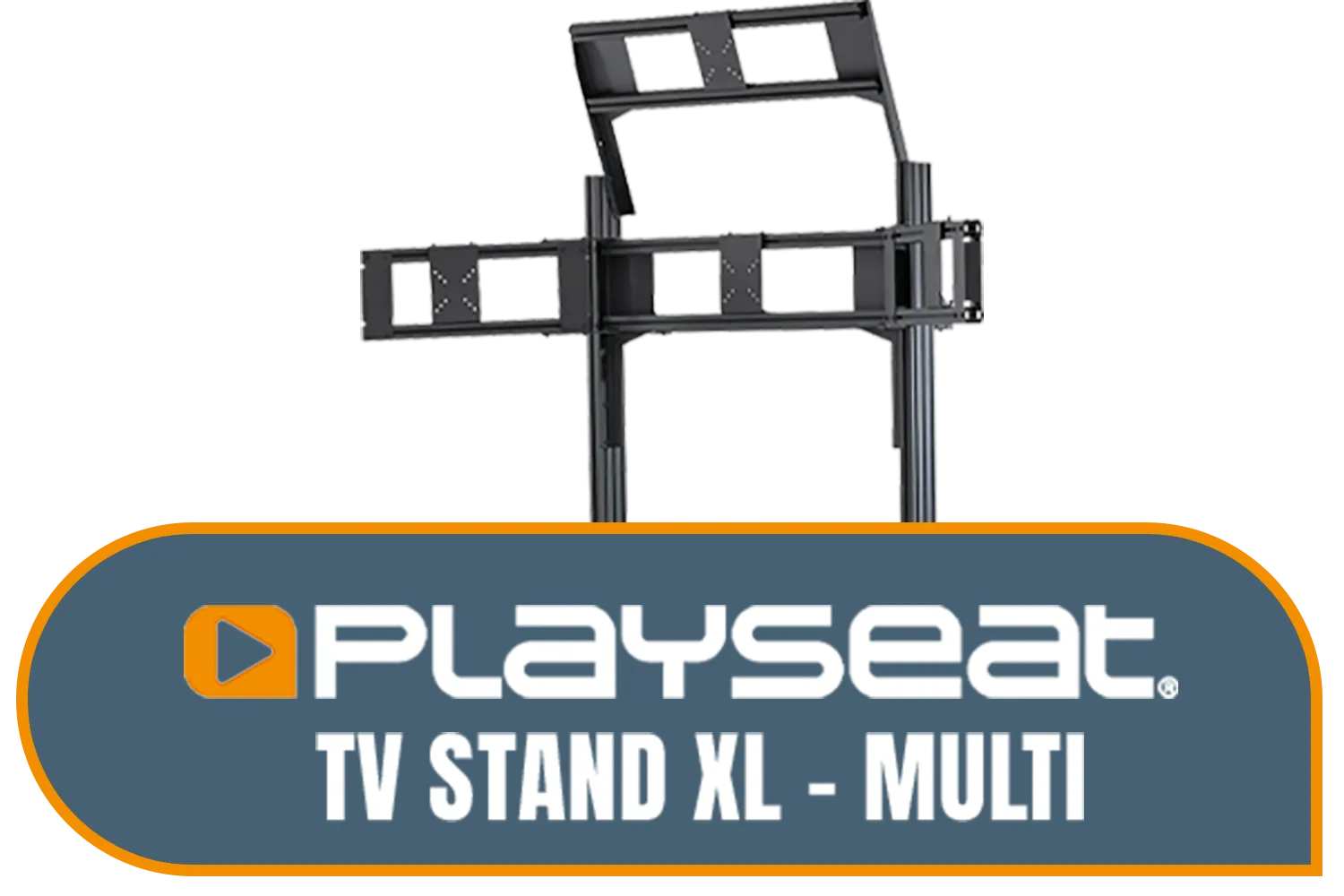
Playseat TV Stand XL - Multi / Steel Frame / RAC00258
R9499.00In Stock

Logitech Gaming G29 Driving Force Racing Wheel / For Playstation 3 and Playstation 4 / Dual-Motor Force / Easy-Access Game Controls / 900° Steering / Easy-Access Game Controls / 941-000112
R6399.00In Stock
Adjustability: Your Perfect Driving Position
Every driver is different. A great beginner cockpit allows for extensive adjustment of the seat, pedal plate, and wheel deck. You should be able to slide your seat, change the angle and height of your pedals, and position your wheel perfectly. This ensures you can find a comfortable position, whether you prefer a GT-style upright posture or a low-slung F1-style layout.
TIP FOR YOU
Get Your Ergonomics Dialled In 🔧
For a perfect fit, focus on your 'driver triangle': the relationship between your seat, wheel, and pedals. A good starting point is to have your knees slightly bent when the pedals are fully depressed and a slight bend in your elbows when holding the wheel. Fine-tuning from there will prevent fatigue and improve car control.
The Seat: Comfort Meets Authenticity
The seat is your main point of contact with the rig. While a genuine bucket seat looks the part, prioritise comfort for those long endurance races. Many entry-level cockpits come with comfortable, reclining sport-style seats that are more forgiving than a fixed-back bucket. Top-tier options from brands like Playseat often provide an excellent blend of racing aesthetics and ergonomic support. ✨
Compatibility: Ensuring Everything Fits
Finally, check that the cockpit is compatible with your gear. Most modern rigs come pre-drilled to mount hardware from all the major brands. Whether you're running a Logitech G29 or planning an upgrade to one of the popular ecosystems like Thrustmaster, confirming the mounting patterns will save you a massive headache. Look for a cockpit with a versatile pedal plate and wheel deck.
![[BLACK/GREEN] Vertagear Racing Series S-Line SL3800 Gaming Chairs / 100KG Weight Limit / Easy Assembly / Adjustable Seat Height / VG-SL3800SE_MG](https://img.evetech.co.za/repository/ProductImages/vertagear-sl3800-gaming-chair-black-green-1500px-v1.webp)
[BLACK/GREEN] Vertagear Racing Series S-Line SL3800 Gaming Chairs / 100KG Weight Limit / Easy Assembly / Adjustable Seat Height / VG-SL3800SE_MG
R5799.00In Stock
Logitech Gaming G920 Driving Force Racing Wheel / Works with XBOX one and PC / Dual-Motor Force / Easy-Access Game Controls / 900° Steering / Easy-Access Game Controls / 941-000123
R6399.00In Stock
![[BLACK/GREEN] Vertagear Racing Series P-Line PL6800 Gaming Chairs / 181KG Weight Limit / Easy Assembly / Adjustable Seat Height / VG-PL6800SE_MG](https://img.evetech.co.za/repository/ProductImages/vertagear-pl6800-gaming-chair-black-green-1800px-v2.webp)
[BLACK/GREEN] Vertagear Racing Series P-Line PL6800 Gaming Chairs / 181KG Weight Limit / Easy Assembly / Adjustable Seat Height / VG-PL6800SE_MG
R7799.00In Stock
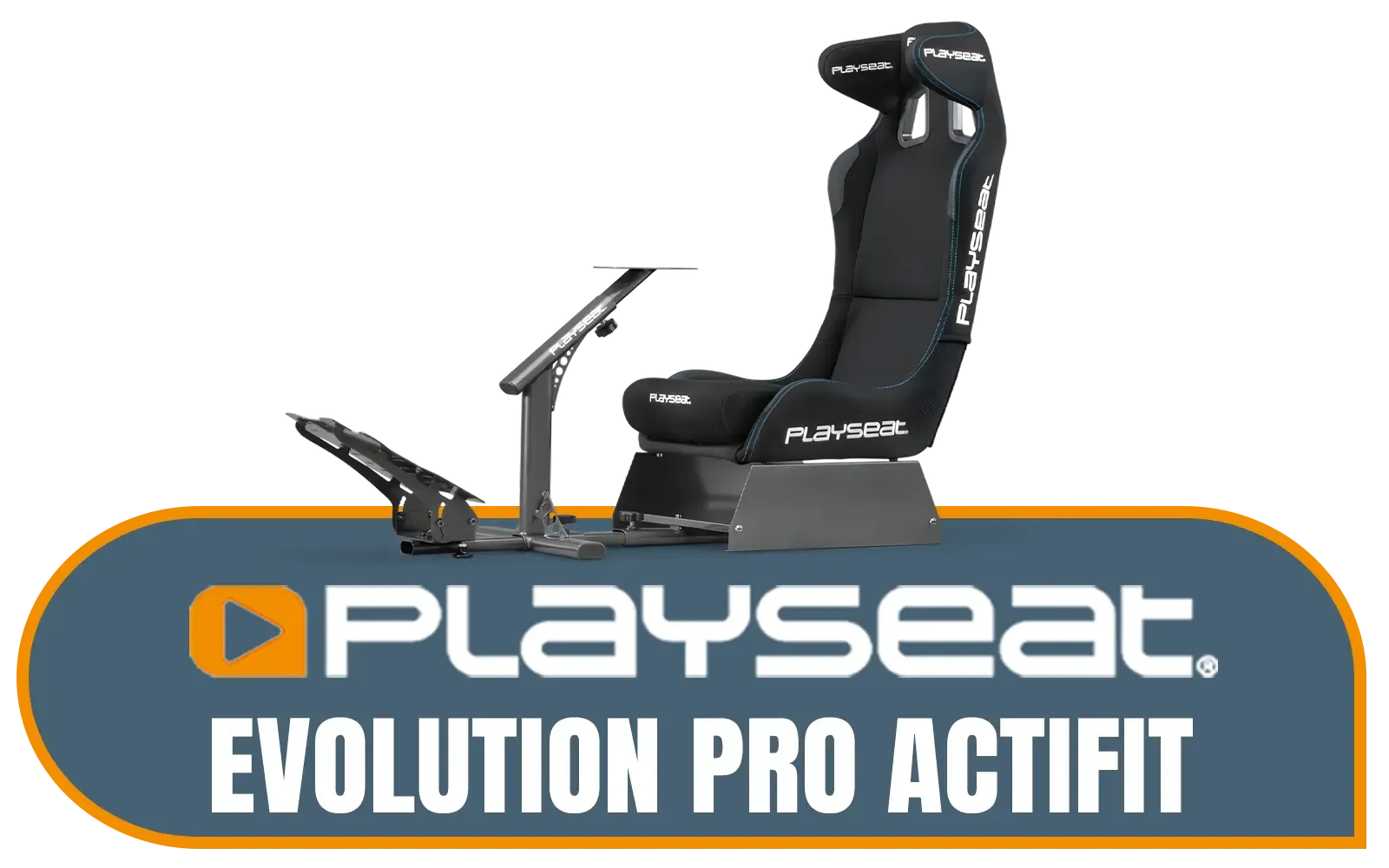
Playseat Evolution Pro Actifit Gaming Chair - Equipped with Head Stabilisers - Fully Adjustable for All Drivers - Customizable Steering and Pedal Plates - Compatible with All Steering Wheels / REP00262
R7599.00In Stock
[BLACK/PURPLE] Vertagear Racing Series S-Line SL3800 Gaming Chairs / 100KG Weight Limit / Easy Assembly / Adjustable Seat Height / VG-SL3800SE_MP
R3499.00In Stock
[Open Box] Thrustmaster TM Racing Clamp / PC, PS4, XBOX One, PlayStation 4 / Rock-solid Table Clamp / Robust Secure And Firm Attachment System / Adjustable For Many Different Setups / Designed For Desks/Tables / TM4060094
R1299.00In Stock
Your Cockpit is Just the Beginning
Think of your first sim racing cockpit as the foundation of your entire setup. It’s the central piece that everything else builds upon. Once you have a solid, flex-free base, you can start planning future upgrades like direct drive wheels, load cell pedals, shifters, and handbrakes without worrying if your rig can handle the forces. This is the ultimate upgrade path for any serious racer. 🏎️
Ready to Stop Playing and Start Racing? A dedicated cockpit is the cornerstone of a truly immersive racing experience. Ditch the wobbly desk and find the perfect foundation for your virtual motorsport career. Explore our complete Sim Racing collection and get on the grid today.
Related Products

MARVO GT-903 Onaga 30 Racing Wheel For Playstation / XBOX And PC / Built-in Dual Vibration Motor / Compatible with PC, PS3, PS4, XBOX-ONE / XBOX360 / Android / Switch Consoles / GT-903
R699.00In Stock
[Open Box] Thrustmaster TM Racing Clamp / PC, PS4, XBOX One, PlayStation 4 / Rock-solid Table Clamp / Robust Secure And Firm Attachment System / Adjustable For Many Different Setups / Designed For Desks/Tables / TM4060094
R1299.00In Stock
Logitech Gaming G29 Driving Force Racing Wheel / For Playstation 3 and Playstation 4 / Dual-Motor Force / Easy-Access Game Controls / 900° Steering / Easy-Access Game Controls / 941-000112
R6399.00In Stock

Playseats Gearshift Support / Compatible With Logitech G25, G27, G29, G920 And Thrustmaster Gear Shifters / RAC00168
R349.00In Stock
Thrustmaster TM Racing Clamp / PC, PS4, XBOX One, PlayStation 4 / Rock-solid Table Clamp / Robust Secure And Firm Attachment System / Adjustable For Many Different Setups / Designed For Desks/Tables / TM4060094
R1899.00In Stock
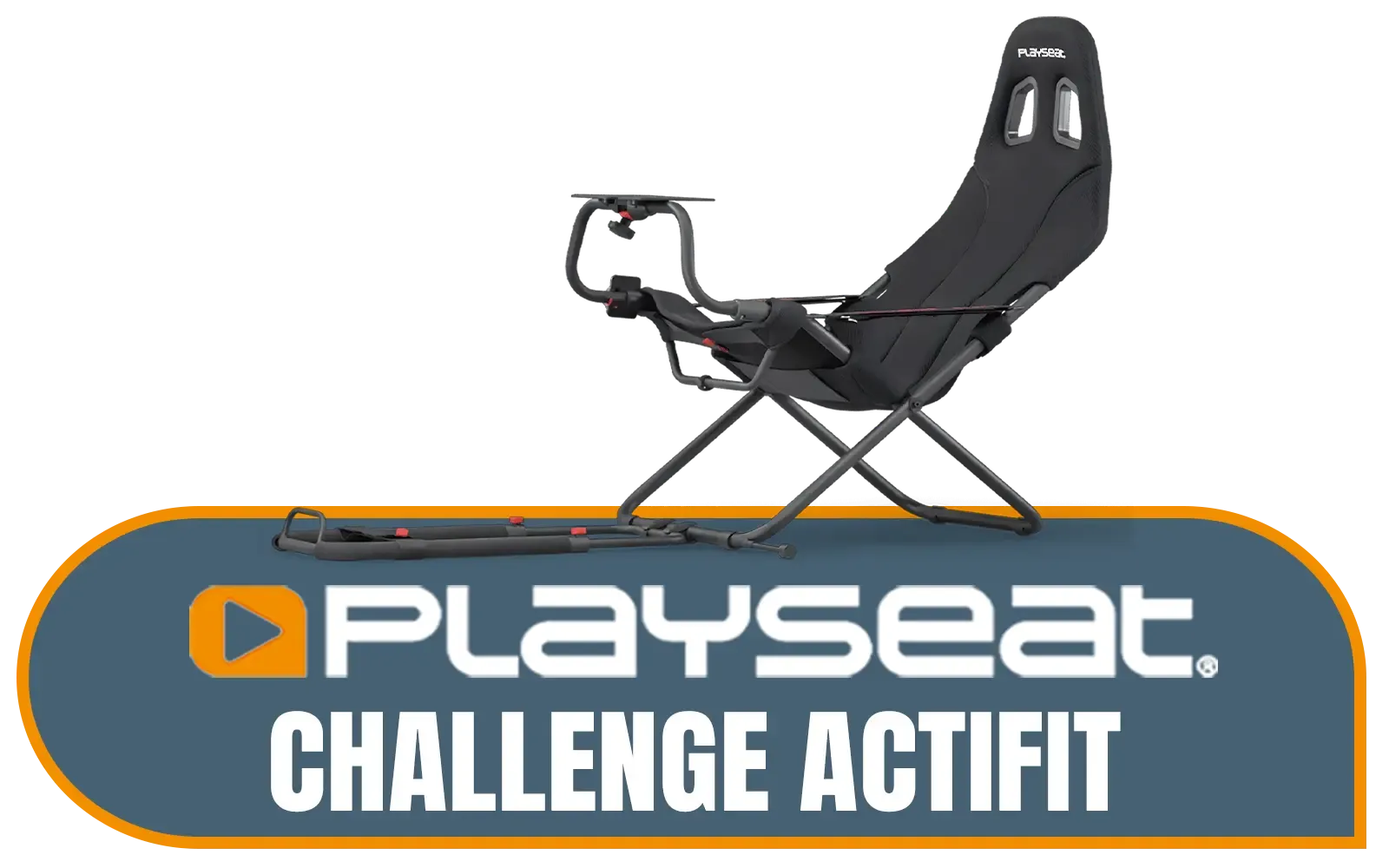
Playseat Challenge Actifit / Compatible With All Wheels, Pedals And All Consoles / Unique Foldable Design / It's Fully Adjustable / Multiple racing positions (GT, rally or F1) / RC.00312
R4599.00In Stock
Stability is crucial. A rigid frame ensures no flex during intense braking or steering, allowing you to feel force feedback accurately without wobble.
Yes, for upgradability. An aluminum profile rig offers superior modularity and rigidity, making it ideal for mounting accessories and handling strong wheelbases.
Comfort is vital for endurance. Look for a racing simulator seat with proper lumbar support and breathable material to prevent fatigue during long races.
It is risky. High-torque wheels need direct drive wheel compatibility in the chassis to prevent the frame from flexing or breaking under stress.
If space is limited, a foldable sim cockpit is a great entry point, though it may sacrifice some rigidity compared to permanent static rigs.
Look for pedal plate adjustability that allows for angle and distance changes. This ensures you can brake consistently without straining your ankles.