Used vs New PSU South Africa: Which is Safer for Your PC?
Considering a used vs new PSU in South Africa? A power supply is your PC's heart, and choosing wrong can be catastrophic. We break down the risks of second-hand units versus the safety and warranty of a new one, helping you protect your investment. ⚡️ Make the smart choice! 👍
|
Loading tags...
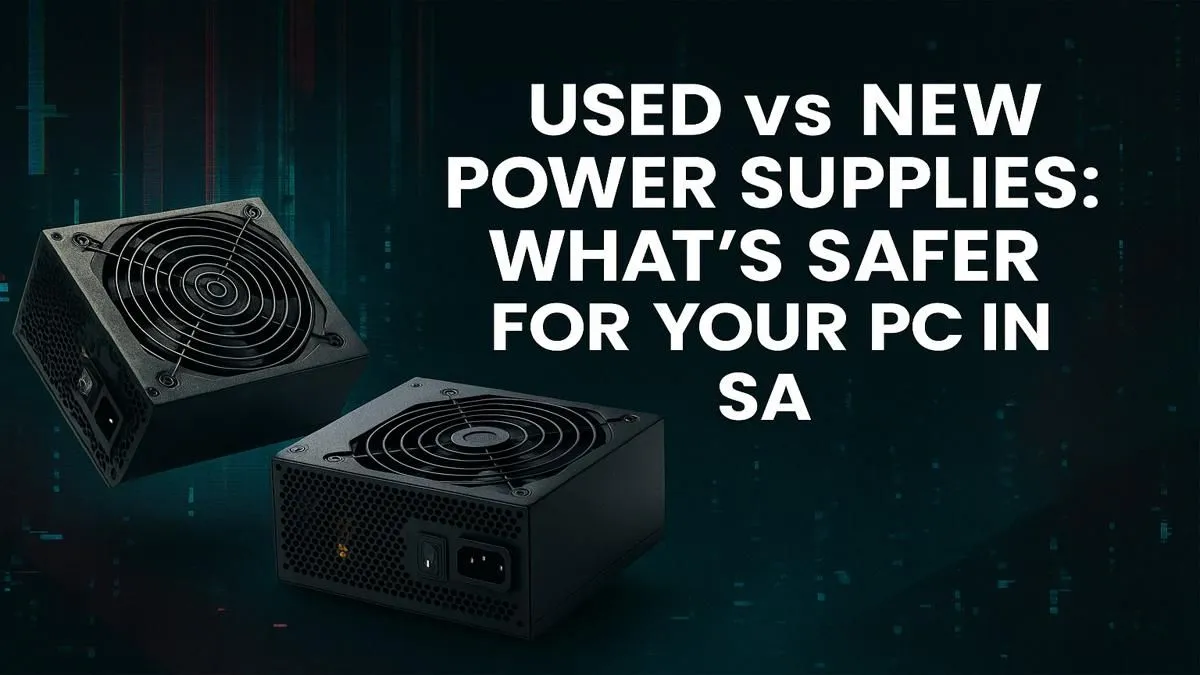
Building a new PC in South Africa is an exciting journey, but it’s easy to get fixated on the flashy parts. You find a sweet deal on a second-hand power supply unit (PSU) online… it seems like a clever way to save a few hundred ZAR for a better GPU. But hold on. That "bargain" could be a ticking time bomb for your entire system. This guide tackles the used vs new PSU South Africa debate head-on. ⚡
Intel Core Ultra 5 245K 5.2GHz RTX 5060 Ti 16GB DDR5 Gaming PC
R30449.00In Stock
Intel Core Ultra 7 265K 5.3GHz RTX 5070 12GB DDR5 Gaming PC
R30344.00In Stock
RYZEN 5 9600X 5.2GHz A400 4GB DDR5 Workstation PC
R18164.00In Stock
![[Pre Built] AMD RYZEN 7 9700X RX 9070 XT Gaming PC](https://img.evetech.co.za/repository/ProductImages/ryzen-7-9700-x-rx-9070-xt-gaming-pc-pbs-main-1600px-v2.png)
[Pre Built] AMD RYZEN 7 9700X RX 9070 XT Gaming PC
R39794.00In Stock
AMD RYZEN 7 5700 4.6GHz RX 9070 16GB Gaming PC
R28349.00In Stock
Intel Core Ultra 9 285K 5.7GHz RTX 5090 32GB DDR5 Gaming PC
R80114.00In Stock
The Heart of Your Rig: Why a PSU Matters More Than You Think
Think of your PSU as the heart of your PC. It doesn't just switch things on; it pumps clean, stable electricity to every single component. Your power-hungry graphics card needs consistent voltage for smooth frame rates, and your high-performance CPU processor requires precise power to avoid crashes during intense tasks.
A cheap or failing PSU can cause random shutdowns, blue screens, and performance issues that are a nightmare to diagnose. In the worst-case scenario, it can fail catastrophically, sending a surge of electricity through your delicate motherboard and destroying your components along with it. It’s the one part you truly shouldn't skimp on.
The Hidden Dangers of Second-Hand Power Supplies
When you consider buying a used PSU in South Africa, you're not just buying a piece of hardware; you're buying its entire, unknown history. Here are the major risks you’re taking on.
Unknown History and Component Wear 🛡️
You have no idea how the previous owner used it. Was it running 24/7 in a poorly ventilated computer case for crypto mining? Was it subjected to frequent power dips? The internal components, especially the capacitors, degrade over time with heat and use. These worn-out parts are the primary cause of PSU failure, and they can take your expensive gaming RAM modules with them when they go.
No Warranty, No Recourse
If that second-hand unit dies a month after you buy it, you're out of luck. You’ve lost the money you paid for the PSU, and you could be facing a much larger bill to replace other fried components. A manufacturer's warranty is your single most important safety net against defects and premature failure.
TIP FOR YOU
Check the Label 🕵️
Before even considering a used PSU, look for a sticker showing its manufacturing date. Capacitors have a typical lifespan of around 10 years under ideal conditions. If the unit is over 5 years old, it's already halfway through its expected life... it's much safer to just buy new.
Intel Core Ultra 7 265K 5.3GHz Quadro A1000 8GB DDR5 Workstation PC
R33389.00In Stock
Intel 14th Gen Core i3 14100F 4.7GHz ARC A380 6GB Gaming PC
R12599.00In Stock
![[Pre Built] AMD RYZEN 7 9700X RTX 5070 Gaming PC](https://img.evetech.co.za/repository/ProductImages/ryzen-7-9700-x-rtx-5070-gaming-pc-pbs-main-1600px-v1.webp)
[Pre Built] AMD RYZEN 7 9700X RTX 5070 Gaming PC
R35699.00In Stock
Intel Core Ultra 9 285K 5.7GHz RTX 5090 32GB DDR5 Gaming PC
R80114.00In Stock
![[Pre Built] Intel Core Ultra 7 265KF RX 9070 XT Gaming PC](https://img.evetech.co.za/repository/ProductImages/intel-core-ultra-7-265-kf-rx-9070-xt-gaming-pc-pbs-main-1600px-v1.webp)
[Pre Built] Intel Core Ultra 7 265KF RX 9070 XT Gaming PC
R42209.00In Stock
RYZEN 5 8500G 5.0GHz with Vega Graphics DDR5 PC
R11024.00In Stock
Outdated Standards and Missing Cables
Technology moves fast. An older PSU might lack the specific power connectors needed for modern hardware, or it might not be efficient enough, wasting electricity and generating excess heat. This extra heat puts more strain on your entire cooling setup, from your CPU cooler to your other thermal solutions.
Peace of Mind: The Clear Advantages of a New PSU
Investing in a new power supply is one of the smartest decisions you can make for the longevity and stability of your PC. The benefits far outweigh the initial cost savings of buying used.
A brand-new, quality PSU comes with a full manufacturer's warranty, often lasting from 5 to 12 years. This is a promise from the brand that their product will deliver reliable power. It ensures your sensitive components, like your solid-state drives, are protected. Furthermore, new units meet the latest 80 Plus efficiency ratings (like Bronze, Gold, or Platinum), meaning less electricity is wasted as heat, saving you money on your utility bill over time. 💪
The Verdict: Is Saving a Few Rand Worth the Gamble?
So, when it comes to the used vs new PSU South Africa question, the answer is crystal clear. While the temptation to save a few hundred Rand is understandable, the risk to your multi-thousand Rand investment is simply not worth it. A PSU failure is one of the few single-point-of-failure events that can create a domino effect of destruction in your PC.
RYZEN 5 8500G 5.0GHz with Vega Graphics DDR5 PC
R11024.00In Stock
AMD RYZEN 5 3600 RTX 3050 Budget Gaming PC
R11024.00In Stock
AMD RYZEN 9 9950X 5.7GHz Quadro RTX 5000 Ada 32GB DDR5 Workstation PC
R128834.00In Stock
AMD RYZEN 7 5700 4.6GHz A1000 8GB Workstation PC
R20159.00In Stock
AMD RYZEN 7 5700 RTX Pro 2000 Workstation PC
R26669.00In Stock

Intel Core Ultra 5 225F ARC A380 6GB Gaming PC
R14174.00In Stock
If you're on a tight budget, it's far safer to look for value in other areas, like opting for one of our Intel/AMD based bundle packs that combine a CPU and motherboard. For your power supply, always choose a new unit from a reputable brand. A reliable Corsair power supply, for example, provides the stable foundation your PC needs to perform at its best for years to come. Don't gamble with your PC's heart. 🇿🇦
Ready to Power Your Build Safely? A new power supply isn't just a component; it's insurance for your entire rig. Don't risk your expensive hardware on a used unit with an unknown past. Explore our massive range of new, warrantied PSUs and give your PC the stable, reliable power it deserves.
Related Products
RYZEN 5 9600X 5.2GHz ARC B580 12GB DDR5 Gaming PC
R21419.00In Stock
RYZEN 9 9900X 5.6GHz RTX PRO 6000 96GB DDR5 Next Gen Workstation PC
R210524.00In Stock
RYZEN 5 9600X 5.2GHz RX 9060 XT 16GB DDR5 Gaming PC
R22679.00In Stock
![[Pre Built] AMD Ryzen 7 9800X3D RX 9070 XT Gaming PC](https://img.evetech.co.za/repository/ProductImages/ryzen-7-9800-x-3-d-rx-9070-xt-gaming-pc-48-gb-main-1600px-v1.webp)
[Pre Built] AMD Ryzen 7 9800X3D RX 9070 XT Gaming PC
R67199.00In Stock
AMD RYZEN 5 8400F 4.7GHz RX 9060 XT 16GB DDR5 Budget Gaming PC
R19949.00In Stock
AMD RYZEN 7 5700 RTX Pro 2000 Workstation PC
R26669.00In Stock
It can be, but it's risky. A used PSU's capacitors may be degraded, reducing efficiency and stability. Always buy from a reputable source that tests units and offers a warranty.
The main risks of a used PSU include component degradation, unknown usage history, lack of warranty, and the potential to damage other PC components if it fails catastrophically.
A quality PC power supply typically lasts 5 to 10 years. However, its lifespan is affected by usage, load, and operating temperature. A used unit's remaining life is uncertain.
If a faulty used PSU damages your GPU or motherboard, the warranties for those components may be voided, as the damage was caused by an external, non-warrantied part.
Buying a new PSU offers a full manufacturer's warranty, guaranteed performance to spec, modern safety features, and peace of mind that your expensive components are protected.
Use a dedicated PSU tester to check voltages. For a more thorough test, use a multimeter under load, but this requires technical skill. A visual inspection for bulging capacitors is key.