Workstation vs Gaming PC for 3D Artists: Why Pros Switch
Discover the critical differences in Workstation vs Gaming PC for 3D artists. 🎨 While gaming rigs offer raw speed, workstations provide ECC RAM, massive VRAM, and ISV stability essential for complex rendering workflows. 🚀
|
Loading tags...
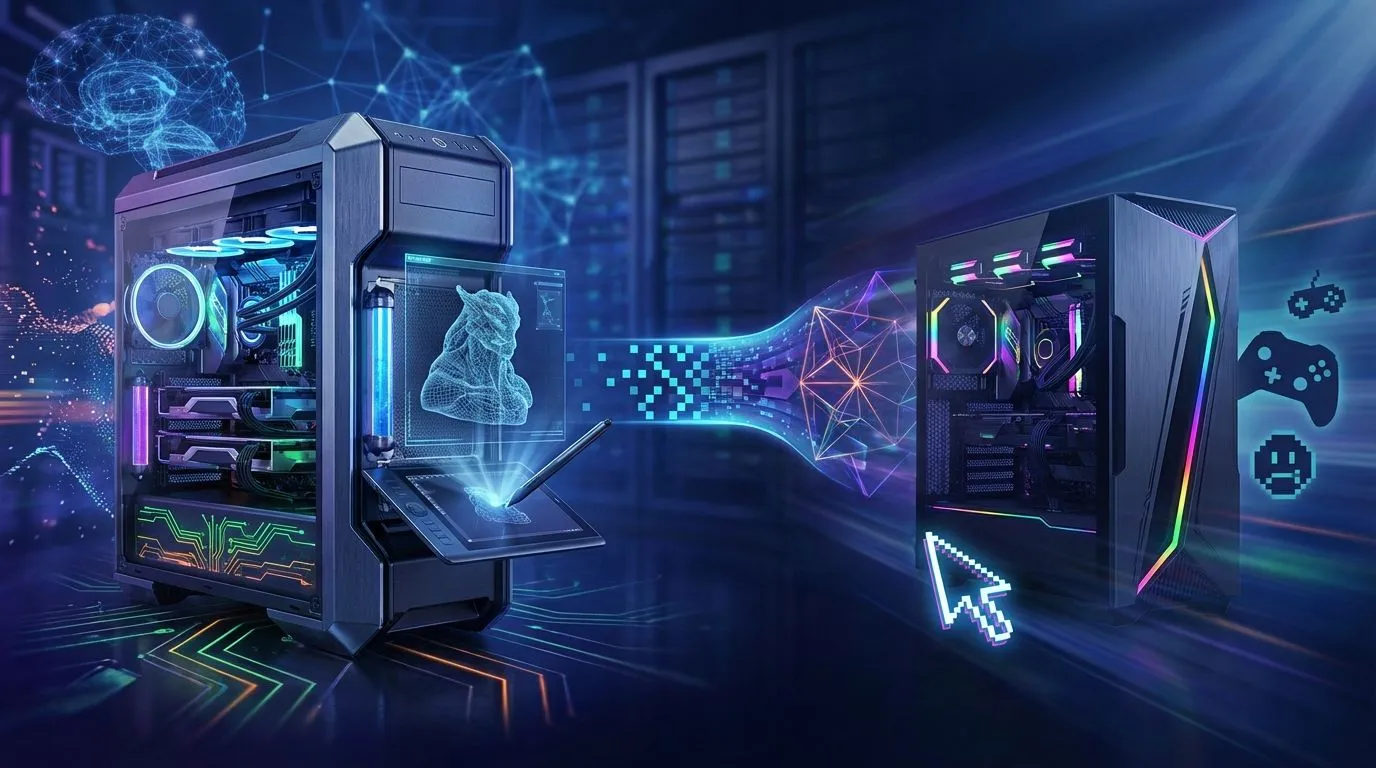
Staring at a render progress bar that barely moves… we’ve all been there. As a 3D artist in South Africa, your PC is your most vital tool. You started with a gaming rig, and it was great for a while. But now, client deadlines are looming, scenes are getting complex, and you’re wondering if there’s a better way. The "workstation vs gaming PC" debate isn't just about specs; it's about stability, reliability, and professional performance.
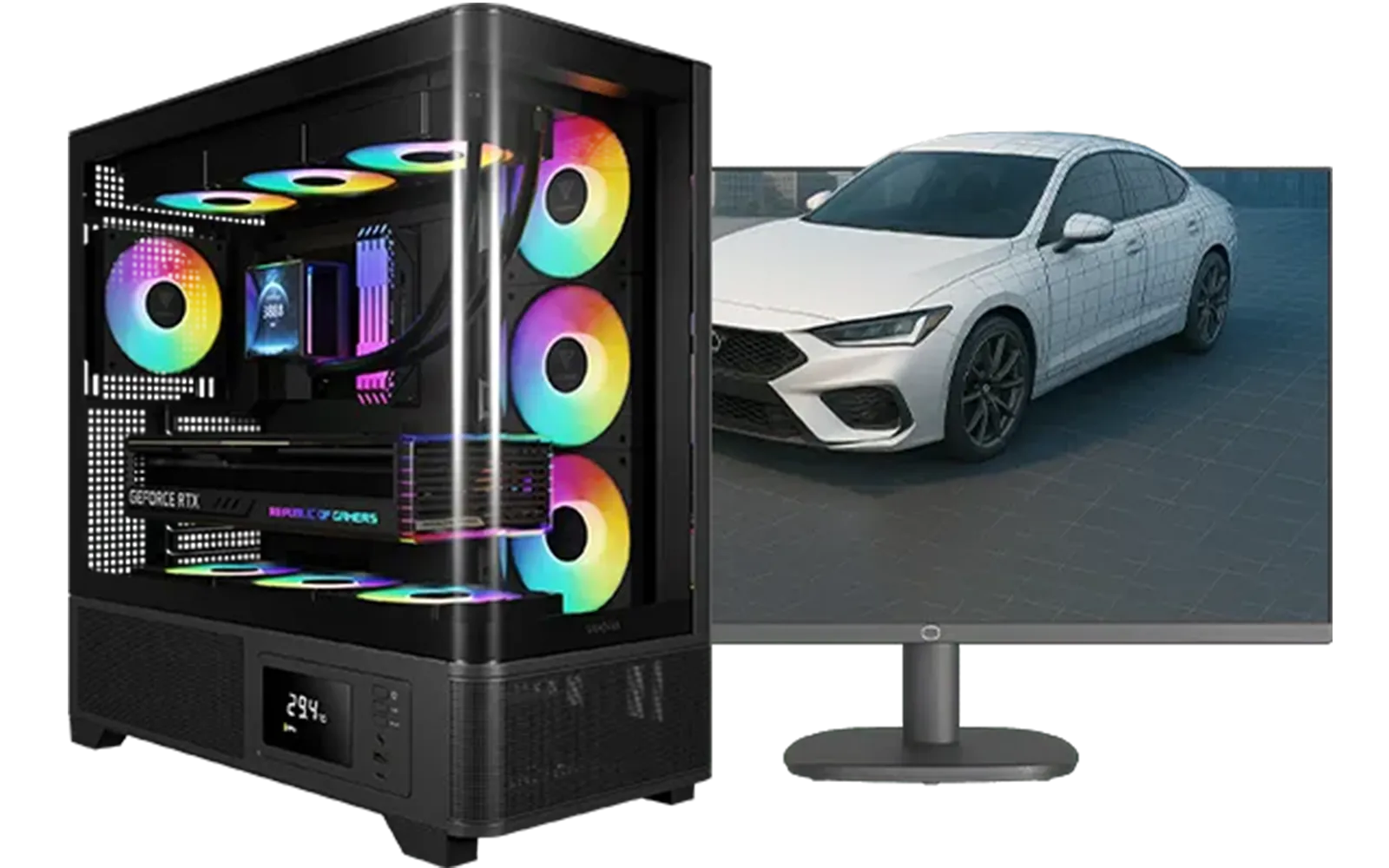
Intel Core Ultra 7 265K RTX Pro 4500 DDR5 Workstation PC
R77909.00In Stock
RYZEN 5 9600X 5.4GHz A1000 8GB DDR5 Workstation PC
R25199.00In Stock
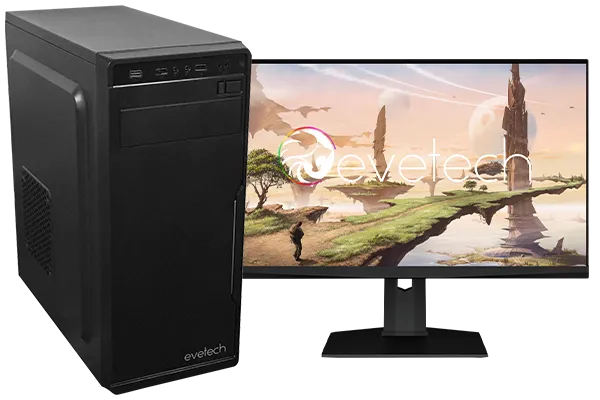
RYZEN 5 8400F 4.7GHz GT 710 2GB DDR5 Workstation PC
R10079.00In Stock
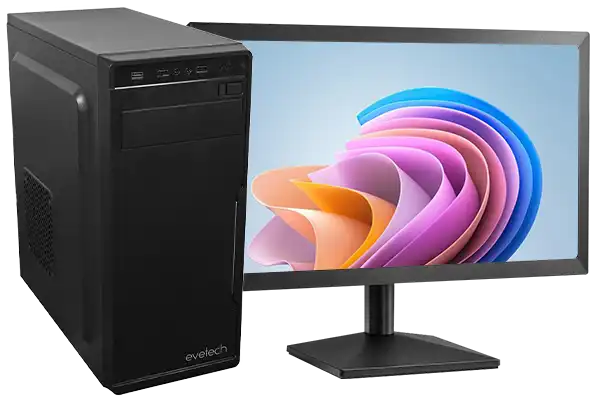
RYZEN 5 8500G 5.0GHz with Vega Graphics DDR5 PC
R11024.00In Stock
![[Pre Built] Intel Core Ultra 7 265K RTX 5070 Gaming PC](https://img.evetech.co.za/repository/ProductImages/intel-core-ultra-7-265-kf-rtx-5070-gaming-pc-pbs-main-1600px-v1.webp)
[Pre Built] Intel Core Ultra 7 265K RTX 5070 Gaming PC
R38114.00In Stock
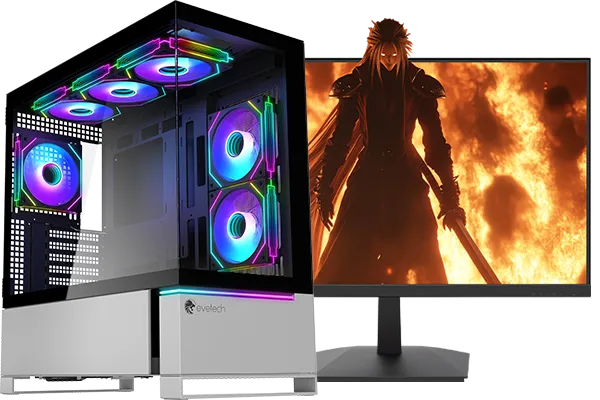
Intel Core Ultra 7 265K 5.5GHz RX 9070 XT 16GB DDR5 Gaming PC
R40109.00In Stock
The Real Difference: Workstation vs Gaming PC
At first glance, the components look similar. Both have a powerful CPU, a beefy graphics card, and lots of RAM. So, what’s the big deal? It’s about purpose. A gaming PC is a sprinter, optimised for short bursts of extreme performance to deliver high frame rates. A workstation, however, is a marathon runner 🏃. It’s engineered for stability and accuracy over long, demanding tasks like rendering, simulation, or complex CAD work.
While many artists start their journey with one of the best gaming PC deals available, professionals often find they need hardware specifically designed for their software.
Key Workstation Advantages for 3D Professionals
When your income depends on hitting deadlines, certain features become non-negotiable. This is where the argument for a workstation over a gaming PC gains serious ground.
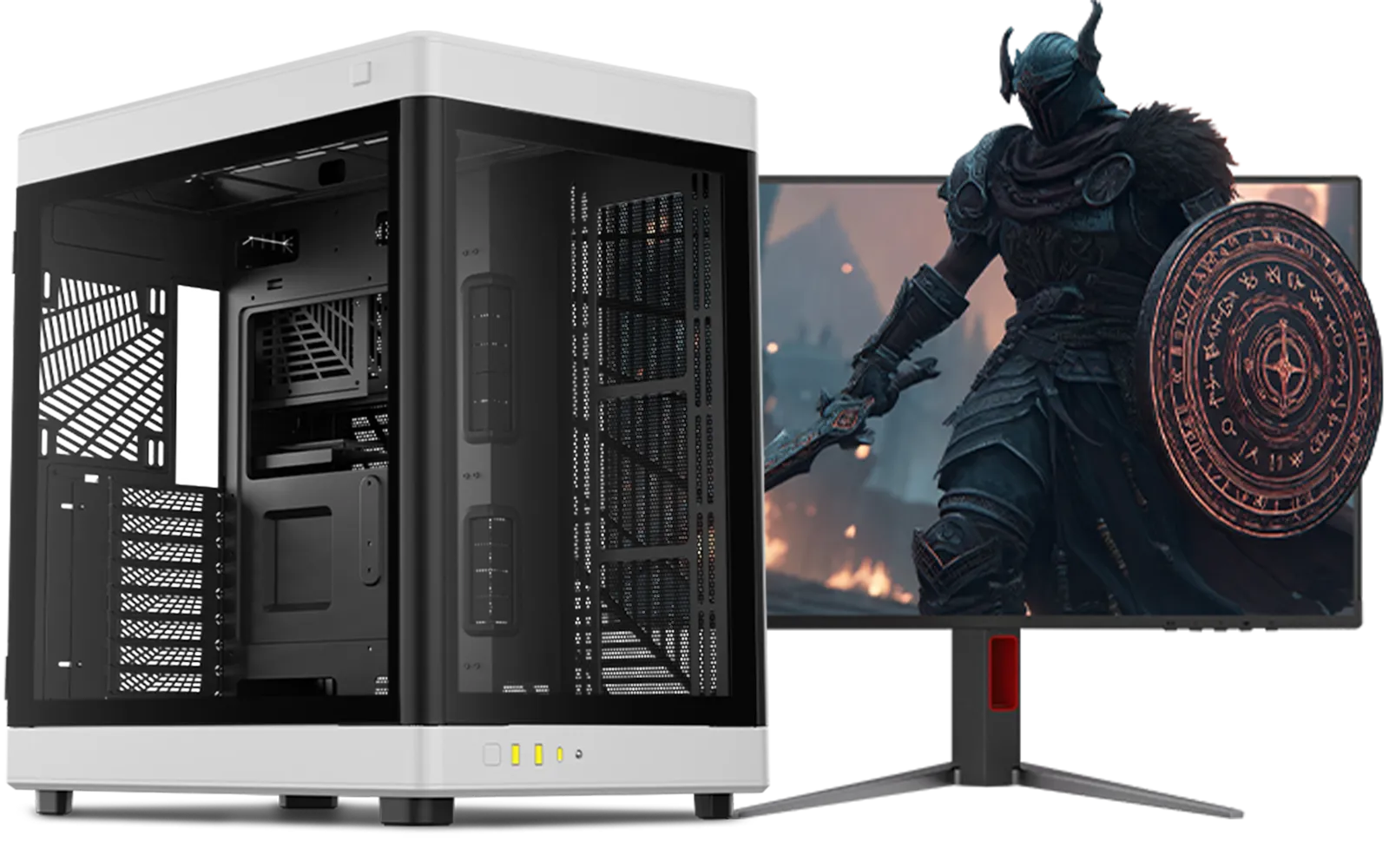
AMD RYZEN 9 9950X 5.7GHz Quadro RTX 5000 Ada 32GB DDR5 Workstation PC
R128834.00In Stock
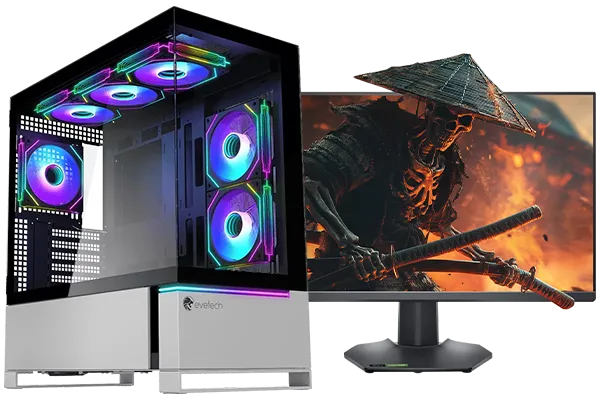
RYZEN 9 9950X 5.7GHz RTX 5090 32GB DDR5 Gaming PC
R78119.00In Stock
![[Pre Built] Intel Core Ultra 7 265KF RX 9070 XT Gaming PC](https://img.evetech.co.za/repository/ProductImages/intel-core-ultra-7-265-kf-rx-9070-xt-gaming-pc-pbs-main-1600px-v1.webp)
[Pre Built] Intel Core Ultra 7 265KF RX 9070 XT Gaming PC
R42209.00In Stock
AMD RYZEN 9 9900X 5.6GHz RTX 4000 Blackwell 24GB DDR5 Workstation PC
R56174.00In Stock

RYZEN 9 9900X 5.6GHz RTX 5070 Ti 16GB DDR5 Gaming PC
R41369.00In Stock
RYZEN 5 9600X 5.2GHz ARC B580 12GB DDR5 Gaming PC
R21419.00In Stock
Pro-Grade GPUs and Certified Drivers
Gaming GPUs like NVIDIA's GeForce series are incredible for raw power. But workstation cards, such as the NVIDIA RTX Ada Generation (formerly Quadro) or AMD Radeon Pro series, offer something different: certified drivers.
These drivers are rigorously tested and optimised for professional applications like Blender, Maya, 3ds Max, and Cinema 4D. This means fewer crashes, less graphical artifacting in the viewport, and predictable performance. For a professional, that stability is priceless. This level of hardware is common in high-performance PCs above R20k, where reliability is paramount.
ECC RAM: Your Project Safety Net
Ever had a 12-hour render fail at the last minute due to a random error? It might have been a memory glitch. Workstations often use Error-Correcting Code (ECC) RAM. This special type of memory can detect and correct single-bit memory errors on the fly. For massive, complex scenes where data integrity is critical, ECC RAM is your ultimate safety net, preventing corrupted frames and wasted hours.
[Pre Built] Intel Core Ultra 7 265KF RX 9070 XT Gaming PC
R42209.00In Stock
![[Pre Built] AMD RYZEN 9 9900X RX 9070 XT Gaming PC](https://img.evetech.co.za/repository/ProductImages/ryzen-9-9900-x-rx-9070-xt-gaming-pc-pbs-main-1600px-v1.webp)
[Pre Built] AMD RYZEN 9 9900X RX 9070 XT Gaming PC
R42524.00In Stock
Intel 14th Gen Core i3 14100F 4.7GHz GT 710 2GB PC
R9869.00In Stock
RYZEN 7 5700 4.6GHz RTX 5060 Ti 16GB Budget Gaming PC
R20264.00In Stock
RYZEN 5 9600X 5.4GHz A1000 8GB DDR5 Workstation PC
R25199.00In Stock

Intel Core Ultra 5 225F ARC A380 6GB Gaming PC
R14174.00In Stock
Can a High-End Gaming Rig Keep Up?
Absolutely… to a point. Let’s be realistic. For many freelancers and small studios in SA, a dedicated workstation is a huge investment. A well-configured gaming PC can be a powerhouse for 3D work. Modern GeForce RTX cards, for example, are fantastic for GPU rendering and can often outperform their workstation counterparts in raw speed for a fraction of the price.
Many excellent pre-built PC deals offer a fantastic price-to-performance ratio for artists on a budget. Even powerful PCs under R20k can handle modelling, texturing, and moderately complex renders with ease. The key is knowing the trade-offs.
TIP FOR YOU
Pro Tip for Gaming PCs ⚡
If you're using an NVIDIA GeForce card for creative work, switch from the 'Game Ready Driver' to the 'Studio Driver' in the GeForce Experience app. Studio Drivers are specifically tested for creative applications like Adobe Premiere Pro, Blender, and DaVinci Resolve, offering enhanced stability and performance for your projects.
The Verdict: When Should You Make the Switch?
So, in the workstation vs gaming PC showdown, who wins? It depends entirely on where you are in your career.
- For Students & Hobbyists: A gaming PC offers unbeatable value. It lets you learn, build your portfolio, and play the latest titles after a long day of modelling. A solid budget gaming PC is the perfect starting point.
- For Freelancers & Professionals: When your time is literally money and a single crash can cost you a client, it’s time to switch. The investment in a workstation pays for itself through reliability, certified performance, and peace of mind. ✨ You're not just buying hardware; you're buying insurance for your workflow.
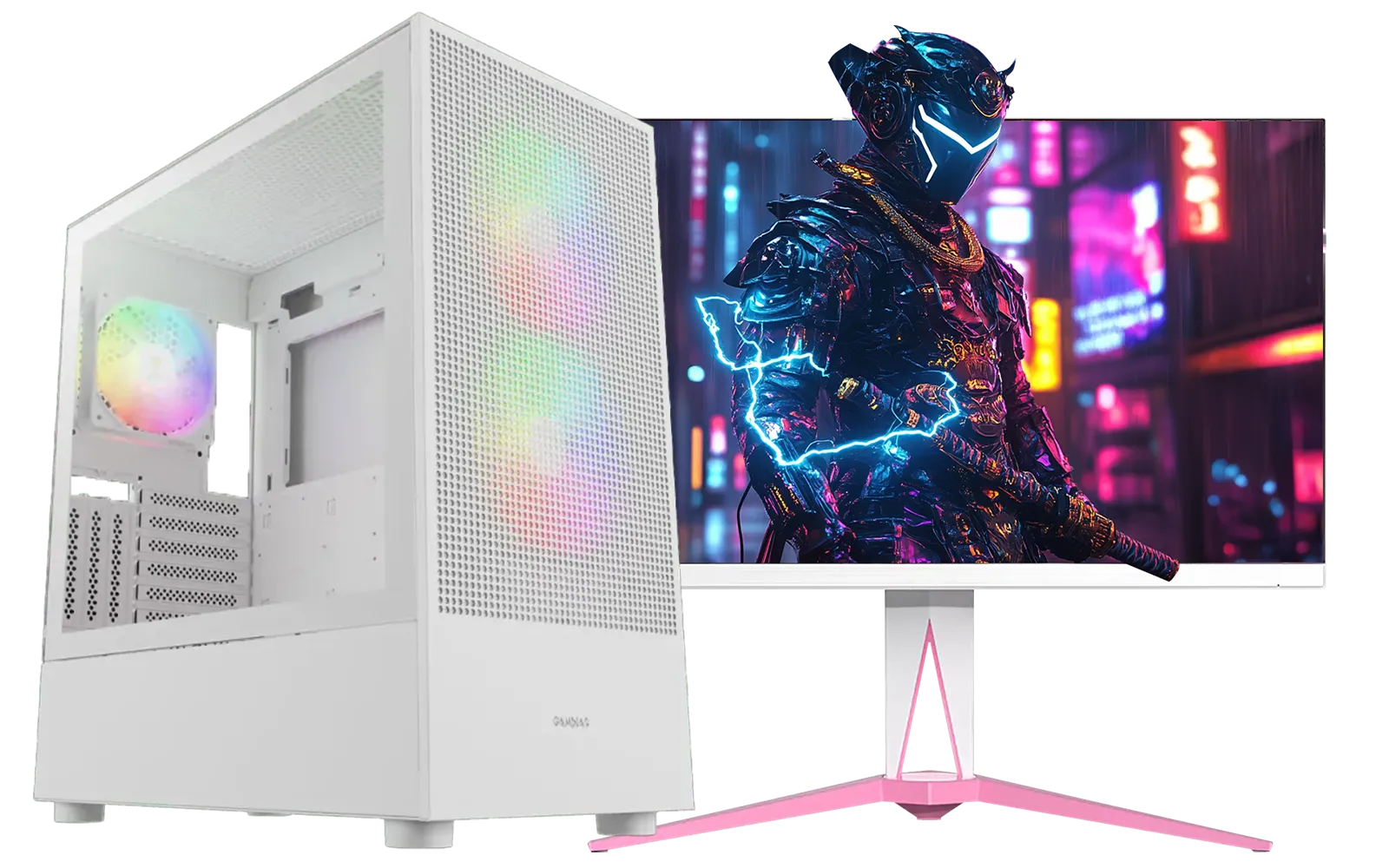
RYZEN 5 9600X 5.2GHz RX 9060 XT 16GB DDR5 Gaming PC
R22679.00In Stock
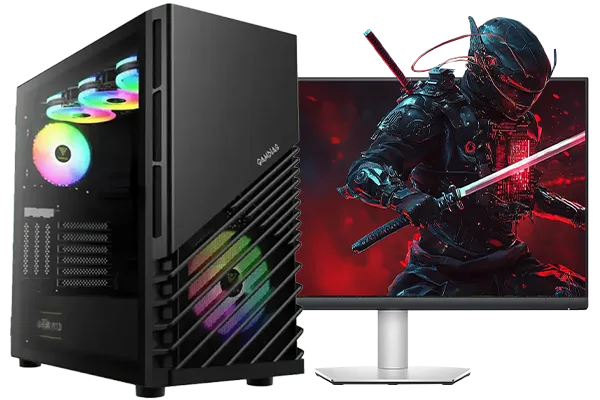
RYZEN 5 7500X3D RTX 5060 DDR5 Gaming PC
R21524.00In Stock
RYZEN 9 9950X 5.7GHz RTX 5090 32GB DDR5 Gaming PC
R78119.00In Stock
Intel Core Ultra 7 265K RTX Pro 4500 DDR5 Workstation PC
R77909.00In Stock
Intel Core Ultra 5 225F 4.9GHz A400 4GB DDR5 Workstation PC
R14174.00In Stock
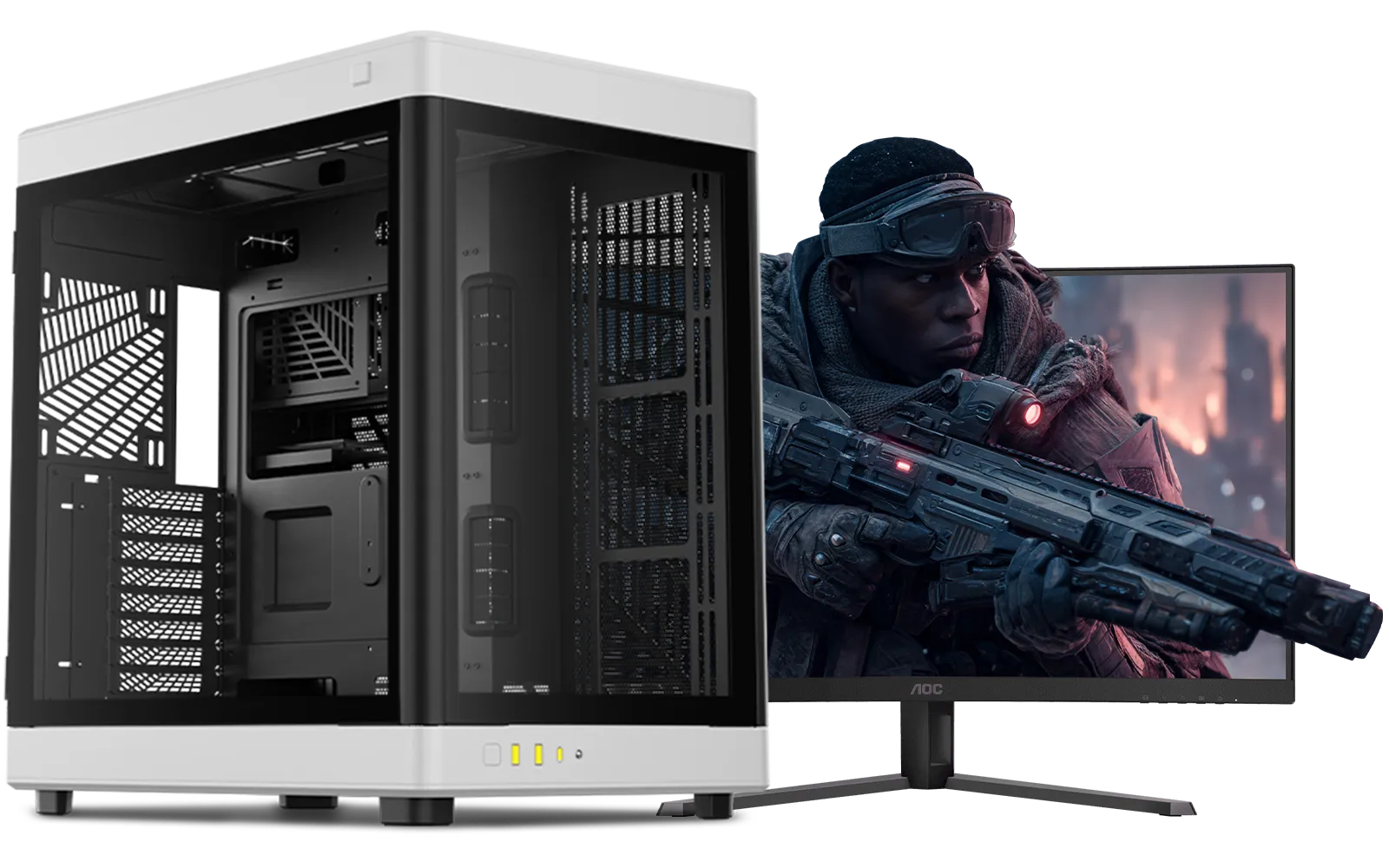
Intel Core Ultra 9 285K 5.7GHz RTX 5000 Ada 32GB DDR5 Workstation PC
R133349.00In Stock
Ultimately, the best PC is the one that empowers you to create without friction.
Ready to Build Your Creative Powerhouse? The workstation vs gaming PC debate comes down to your workflow and budget. Whether you need certified stability for client work or raw power for personal projects, the right machine is waiting. Explore our wide range of customisable PCs and configure the perfect rig for your art.
Related Products
RYZEN 9 9900X 5.6GHz RTX 5070 Ti 16GB DDR5 Gaming PC
R41369.00In Stock
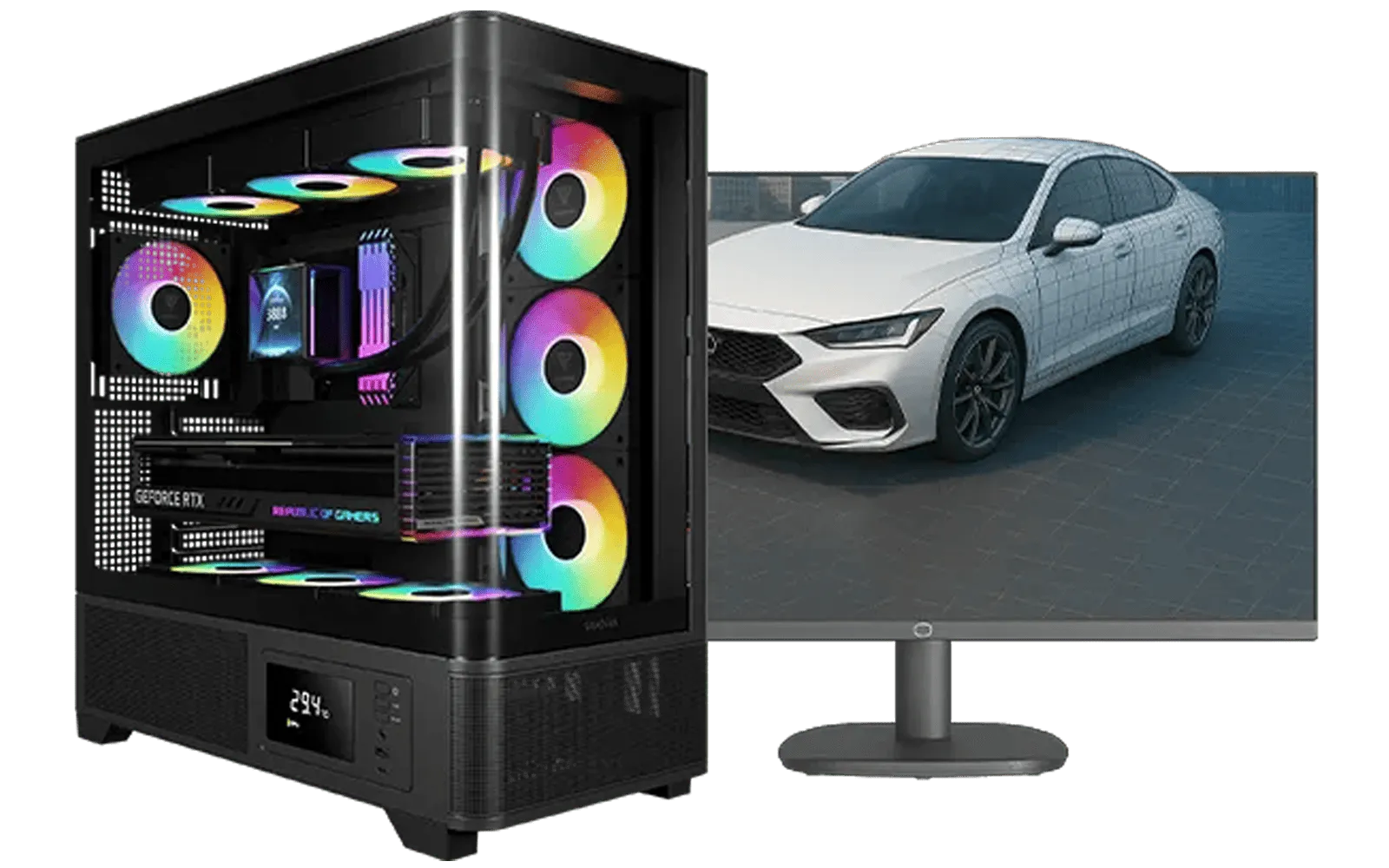
AMD RYZEN 7 5700 RTX Pro 2000 Workstation PC
R26669.00In Stock
AMD RYZEN 5 3400G 4.2GHz Radeon Vega PC
R5879.00In Stock
Intel Core Ultra 5 225F 4.9GHz RTX 3050 6GB DDR5 Gaming PC
R16274.00In Stock
![[Pre Built] AMD RYZEN 7 5700 RTX 5060 Gaming PC](https://img.evetech.co.za/repository/ProductImages/ryzen-7-5700-rtx-5060-gaming-pc-pbs-main-1600px-v1.webp)
[Pre Built] AMD RYZEN 7 5700 RTX 5060 Gaming PC
R19949.00In Stock

RYZEN 7 9700X 5.5GHz RX 9070 XT 16GB DDR5 Gaming PC
R37484.00In Stock
Workstations utilize ECC memory and ISV-certified drivers to prevent crashes during long renders, offering superior stability compared to gaming rigs.
Yes, but you risk data corruption and crashes due to the lack of Error Correction Code (ECC) RAM and optimization for professional software suites.
ECC memory automatically detects and fixes data corruption, which is critical for preventing render failures during complex, multi-hour 3D projects.
Professional cards often feature more VRAM and precision drivers tailored for stability in apps like Maya and Blender, whereas gaming cards prioritize frame rates.
Yes, workstations are built with server-grade components designed to operate at maximum performance 24/7 without thermal throttling or hardware failure.
Absolutely. The reduction in downtime, faster rendering speeds, and system reliability translates directly to increased billable hours and project security.