Choosing the Right Speed: 240Hz vs 144Hz Laptop Displays
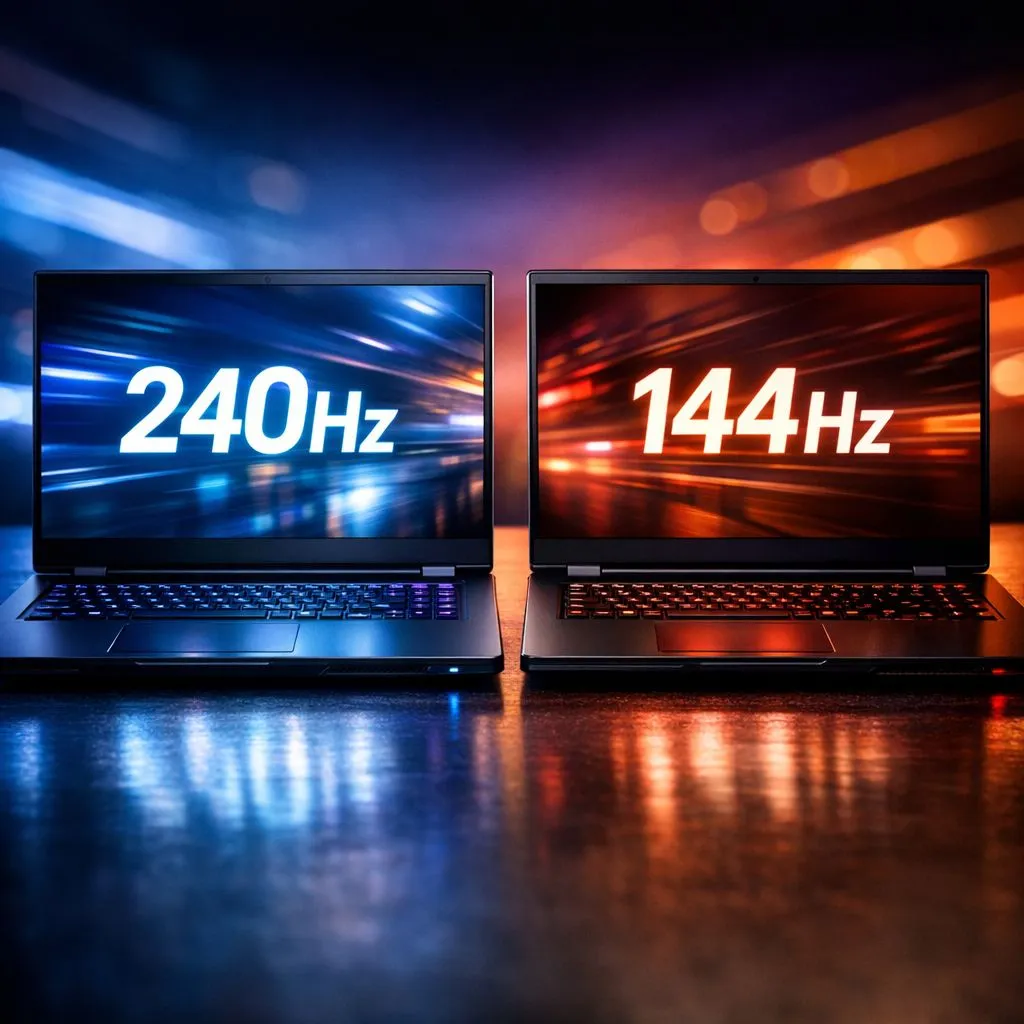
Choosing between 240Hz vs 144Hz laptop displays often feels like deciding between a fast GTI and a track-ready supercar. Both will get you across the finish line, but one offers a level of fluidity that competitive players crave. In the South African gaming scene, where every millisecond counts in a heated CS2 or Valorant match, understanding this hardware gap is the first step toward your next victory.
Understanding the Refresh Rate Gap
The refresh rate, measured in Hertz (Hz), tells you how many times per second your screen updates the image. A 144Hz panel updates 144 times every second... while a 240Hz panel pushes that to 240. If you are shopping for affordable gaming machines under R20,000, you will likely find 144Hz as the gold standard. It provides a massive leap over traditional 60Hz screens, making motion look fluid and reducing eye strain during long sessions.
However, the jump to 240Hz is about diminishing returns and elite performance. While the difference is less jarring than the move from 60Hz to 144Hz, it is certainly noticeable in fast-paced titles. Pushing frames for a 240Hz panel requires serious graphical muscle, which is why RTX-powered gaming laptops are often paired with these high-end screens to ensure the frame rate actually matches the display's potential. 🚀
Smoothness Check ⚡
To truly see the difference, ensure your Windows display settings actually match your hardware. Many gamers buy a high refresh rate laptop but forget to toggle the setting from 60Hz to 144Hz or 240Hz in the 'Advanced Display' menu. It is a simple fix that instantly justifies your purchase.
Hardware Requirements for High Refresh Gaming
A high refresh rate screen is only as good as the hardware pushing the pixels. To maintain those high frame rates, checking out the latest Intel laptop specials is a smart move for any competitive gamer. You need a processor that can handle the logic of 240 frames every second without breaking a sweat.
Similarly, many local gamers prefer the efficiency found in current Ryzen laptop deals to drive their esports titles. If your laptop can only produce 100 frames per second in your favourite game, a 240Hz screen won't look any different from a 144Hz one. You need to balance the "Hz" of your monitor with the "FPS" your internal components can generate. 🔧
Is the Upgrade Worth Your Rands?
For the casual gamer in South Africa, 144Hz is usually the "sweet spot" for value and performance. It handles AAA cinematic titles beautifully without requiring the most expensive hardware on the market. But for the aspiring pro or the enthusiast who wants the absolute smoothest experience, 240Hz is the clear winner. It reduces ghosting and provides the most "connected" feeling between your mouse movements and the action on screen. ✨
Ultimately, finding the best gaming laptop deals involves balancing your budget against the specific games you play most. If you live for competitive shooters, that extra investment in 240Hz might be the edge you need to climb the ranks.
Ready to Find Your Perfect Match? The 240Hz vs 144Hz debate comes down to your personal performance goals and budget. For maximum fluidity and a competitive edge in South Africa, our curated selection has you covered. Explore our massive range of laptop specials and find the perfect machine to conquer your world.