16GB GDDR7: What It Means for Gaming and Creative Workloads
16GB GDDR7 delivers higher bandwidth and efficiency for high‑FPS gaming, 4K editing, and AI-accelerated creative tools. Learn real gains, benchmarks, and upgrade tips ⚡🎨
|
Loading tags...

You’ve heard the whispers online, seen the spec leaks, and the hype is building. Another generation of graphics cards is on the horizon, promising a leap in performance. But beyond the marketing buzz, what does a term like 16GB GDDR7 actually mean for your gaming rig or creative workstation here in South Africa? Is it just a bigger number, or will this new memory standard truly unlock next-level experiences? Let's break it down.

Palit GeForce RTX 5070 Ti GameRock 16G / 16GB GDDR7 / 28Gbps Memory Speed / PCI Express® Gen 5 / NE7507T019T2-GB2030G
R17999.00In Stock

MSI GeForce RTX 5060 Ti 8G GAMING OC Graphics Card / 4608 Cuda Cores / 28Gbps Memory Speed / 8GB GDDR7 / 128-bit Memory Bus / 912-V536-026
R9499.00In Stock

MSI Geforce RTX 5070 Ventus 2X 12G OC Graphics Card / 12GB GDDR7 / 6144 Cuda Cores / 192-bit Memory Interface / Boost Clock : 2542 MHz / NVIDIA Blackwell & DLSS 4 / 28Gbps Memory Speed / PCI Express® Gen 5 / 912-V532-009
R13999.00In Stock
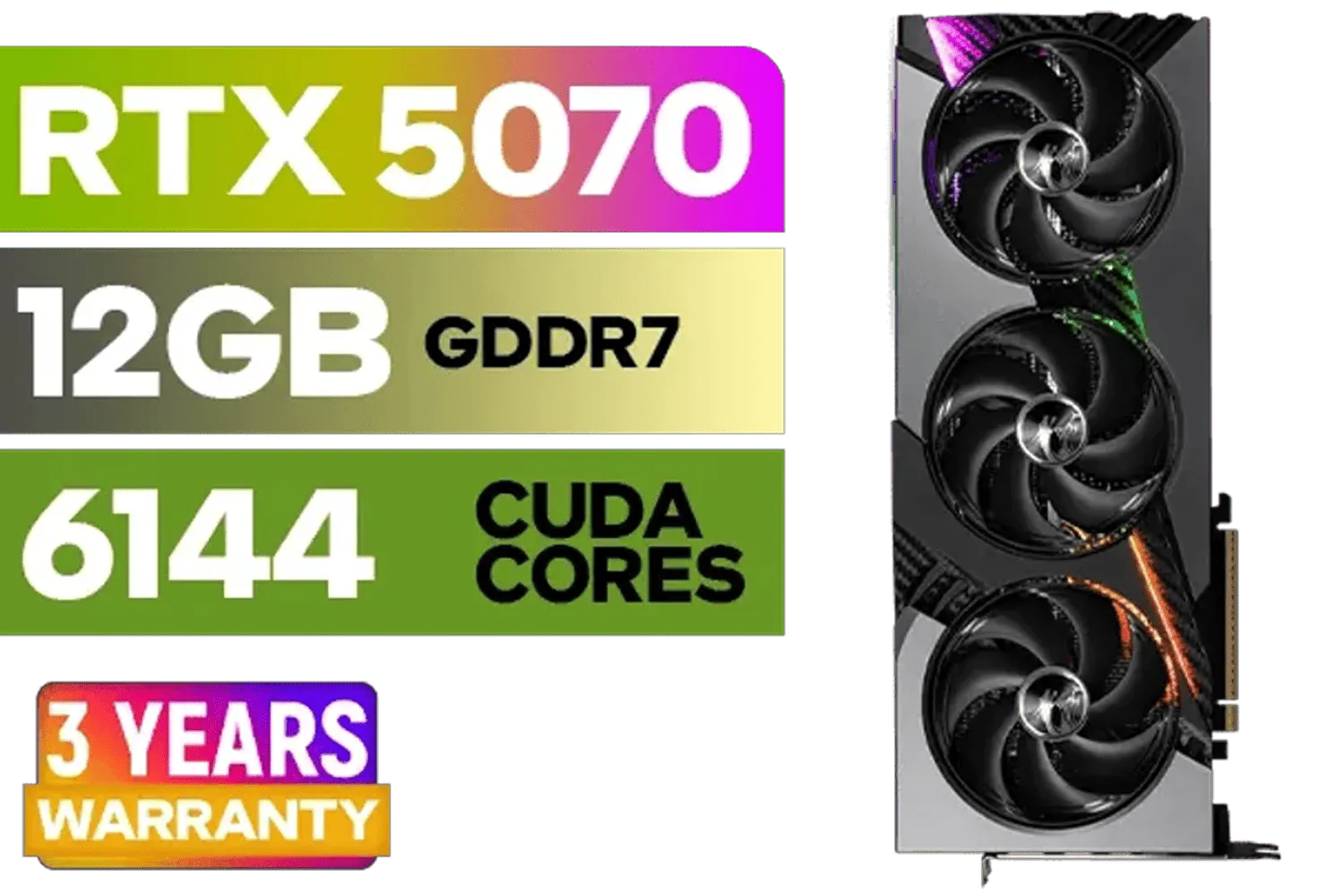
MSI GeForce RTX 5070 12GB VANGUARD SOC Launch Edition / 12GB GDDR7 / 6144 Cuda Cores / Boost: 2640 MHz / 28Gbps Memory Speed / PCI Express® Gen 5 / 912-V532-050
R15299.00In Stock

MSI Geforce RTX 5060 Ventus 2X 8G OC Graphics Card - White / 8GB GDDR7 / 3840 Cuda Cores / 128-bit Memory Interface / Boost Clock : 2527 MHz / PCI Express® Gen 5 / 912-V537-018
R7999.00In Stock
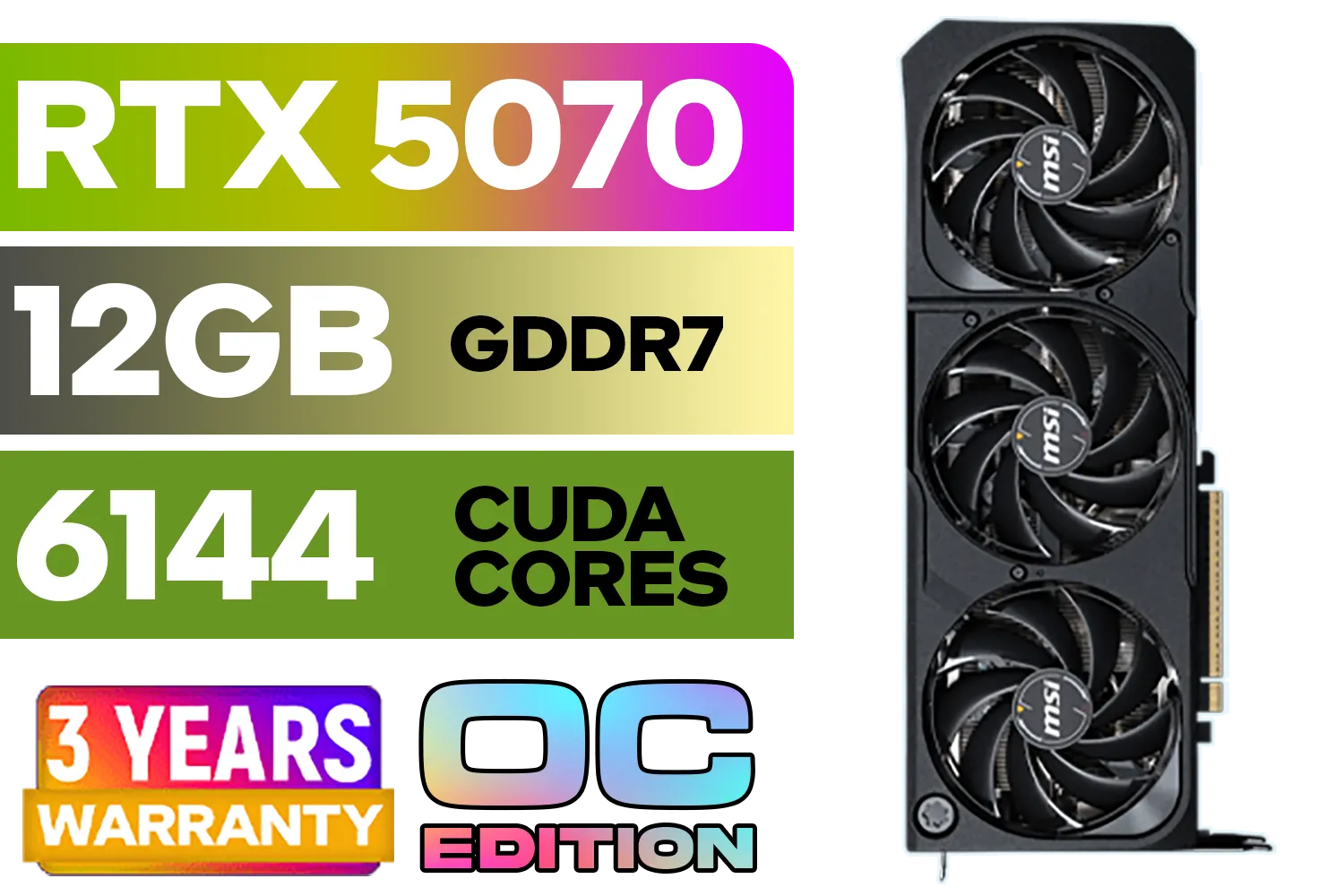
MSI GeForce RTX 5070 12GB SHADOW 3X OC / PCI Express Gen 5 / 6144 Cuda Cores / 12GB GDDR7 / DirectX 12 Ultimate / 912-V532-008
R13999.00In Stock
What is GDDR7 and Why Does It Matter?
Before we get into the performance, let's quickly demystify the tech. GDDR7 (Graphics Double Data Rate 7) is the next evolution of VRAM, the super-fast memory your graphics card uses to store and access game textures, frame data, and other crucial assets. Think of it as the highway between your GPU's brain (the processor) and the data it needs to work with.
GDDR7 dramatically widens this highway and increases the speed limit compared to the GDDR6 and GDDR6X found in today's top cards. This means more data can be moved, and faster. This jump in bandwidth is the key to unlocking higher performance, especially as games and applications become more demanding. It’s a natural and necessary step in the evolution of NVIDIA GeForce graphics cards and their competitors.
The Impact of 16GB GDDR7 on Gaming 🚀
For gamers, the combination of a large 16GB VRAM pool with the blistering speed of GDDR7 memory translates directly into tangible benefits. This isn't just about getting a few extra frames per second... it's about fundamentally changing how you can experience your favourite titles.
True 4K (and Beyond) Gaming
High-resolution textures are incredibly VRAM-hungry. With 16GB GDDR7, your GPU will have more than enough headroom to load the highest quality assets for crisp 4K gaming without stuttering. It also future-proofs your system for the eventual move to 8K, ensuring you're ready for the next frontier of visual fidelity.
No-Compromise Settings
Tired of turning down texture quality or shadow effects to maintain a stable framerate? The massive bandwidth of GDDR7 memory will help eliminate those bottlenecks. You'll be able to crank up ray tracing, enable ultra-quality textures, and enjoy your games exactly as the developers intended. Imagine what future cards, perhaps something like an MSI GeForce RTX 5060 Ti with 16GB, could achieve with this technology.

XFX Mercury AMD Radeon RX 9070 XT OC Magnetic Air Edition Graphics Card / 4096 Stream Processors / 256-bit Memory Interface / Boost Clock : 3100 MHz / AMD RDNA™ 4 Architecture / RX-97TMARGB9
R16299.00In Stock
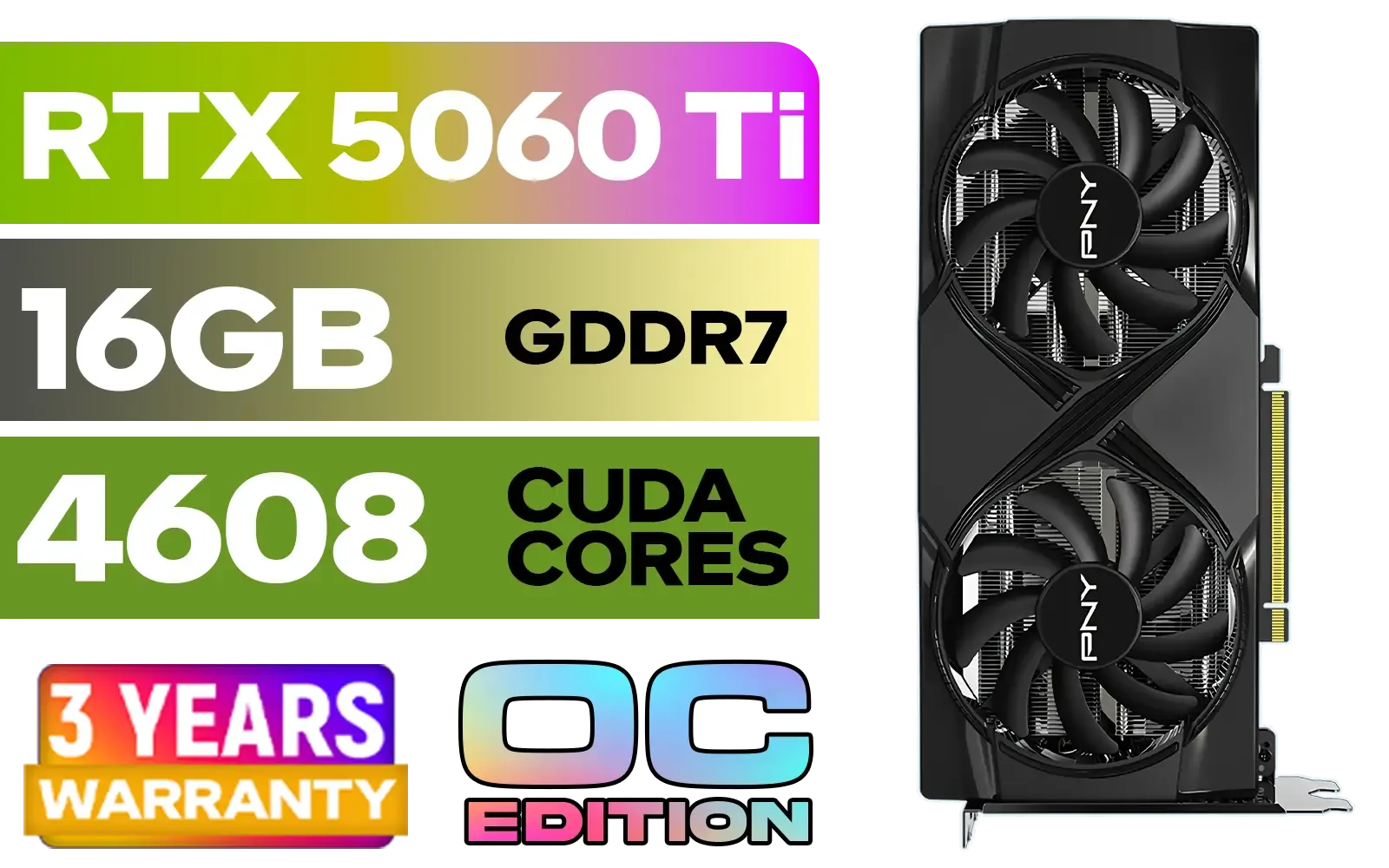
PNY GeForce RTX 5060 Ti 16GB OC Dual Fan Graphics Card / 16GB GDDR7 / 4608 CUDA Cores / 128-bit Memory Interface / Boost Clock: 2692 MHz / 28 Gbps Memory Speed / DisplayPort 2.1b (x3), HDMI® 2.1b / VCG5060T16DFXPB1-O
R10499.00In Stock

SAPPHIRE NITRO+ RX 9070 Gaming OC 16GB Graphics Card / 16GB GDDR6 Memory / 3584 Stream Processors / 256-bit Memory Interface / Boost Clock : 2700 MHz / AMD RDNA™ 4 Architecture / 56 Ray Accelerators / 11349-01-20G
R13599.00In Stock

MSI GeForce RTX 5060 8G Gaming Trio OC Graphics Card / 8GB GDDR7 / 3840 Cuda Cores / 128-bit Memory Interface / Boost Clock : 2625 MHz / PCI Express® Gen 5 / 912-V537-021
R8499.00In Stock

XFX Quicksilver AMD Radeon RX 9070 XT Graphics Card / 4096 Stream Processors / 256-bit Memory Interface / Boost Clock : 2970 MHz / AMD RDNA™ 4 Architecture / RX-97TQICKB9
R14999.00In Stock
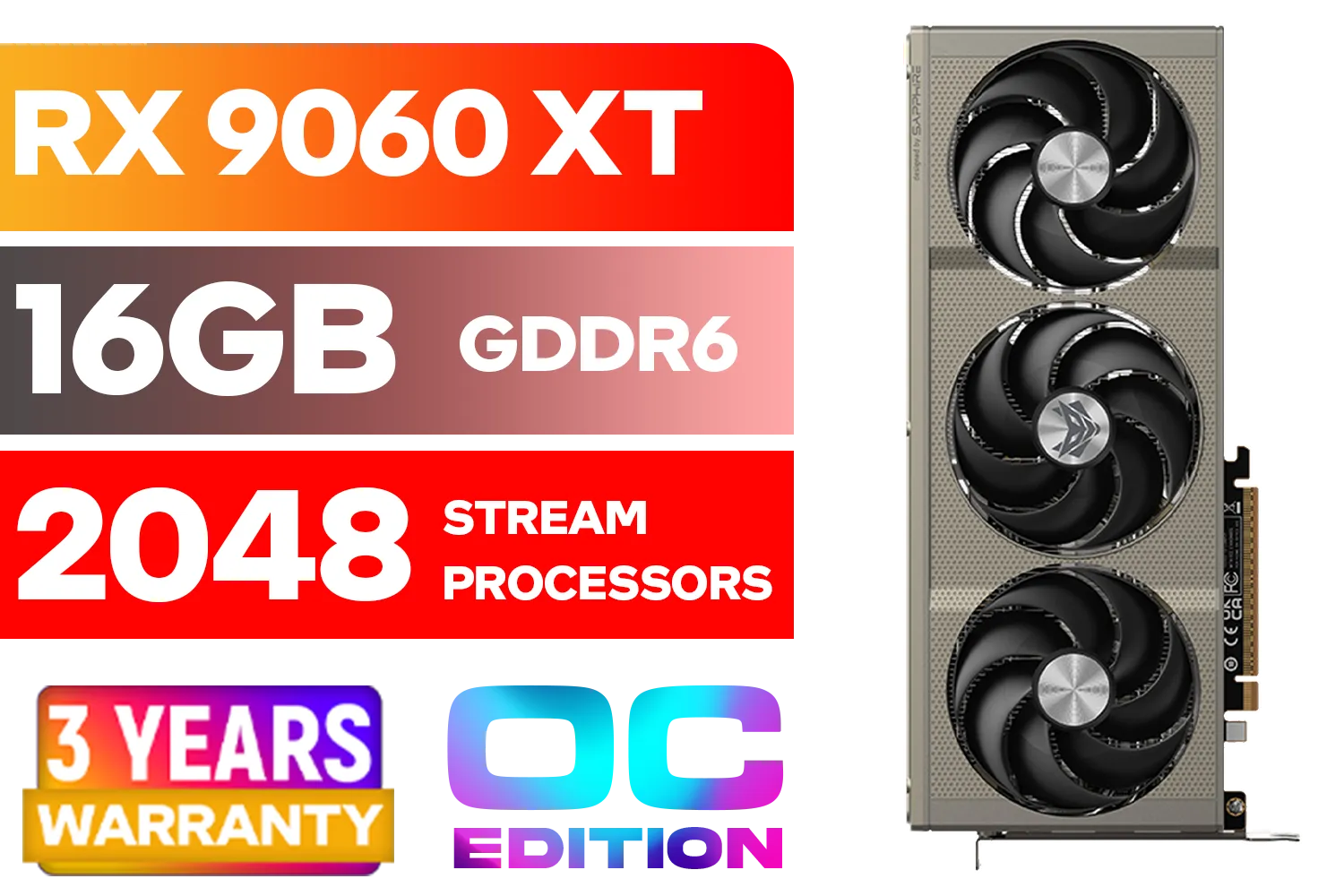
SAPPHIRE NITRO+ RX 9060 XT OC 16GB Graphics Card / 16GB GDDR6 Memory / 2048 Stream Processors / 128-bit Memory Interface / Boost Clock : 3320 MHz / AMD RDNA™ 4 Architecture / 32 Ray Accelerators / 11350-01-20G
R8899.00In Stock
A Massive Boost for Creative Workloads 🎨
The benefits of 16GB GDDR7 extend far beyond the virtual battlefield. For creative professionals, this new memory standard promises to significantly speed up workflows and remove frustrating performance walls.
Video editors working with 4K or 8K footage will experience smoother timeline scrubbing and dramatically faster render times. 3D artists and animators can build more complex scenes with higher-resolution assets without their viewport grinding to a halt. Even those working in AI and data science will see benefits, as the faster memory is crucial for processing the massive datasets required for machine learning models.
TIP FOR YOU
Creative Workflow Tip ⚡
When working with high-resolution video, use proxies! Most editing software (like Premiere Pro or DaVinci Resolve) can create low-resolution copies of your media for smoother editing. The software then automatically switches back to the full-quality source files for the final render. This saves your GPU's VRAM for effects and colour grading, not just basic playback.
Should You Plan Your Upgrade?
So, when can you get your hands on a GPU with 16GB GDDR7? While they aren't on the shelves just yet, their arrival is inevitable and signals an exciting new era for PC performance.
Does that mean you should wait? Not necessarily. The current generation of GPUs offers incredible power and value right now. While we eagerly await the arrival of the next big thing, there are amazing deals to be had on many of today's graphics cards that deliver fantastic performance for their price in ZAR. The key is to assess your current needs and decide if an immediate upgrade will serve you better than waiting.
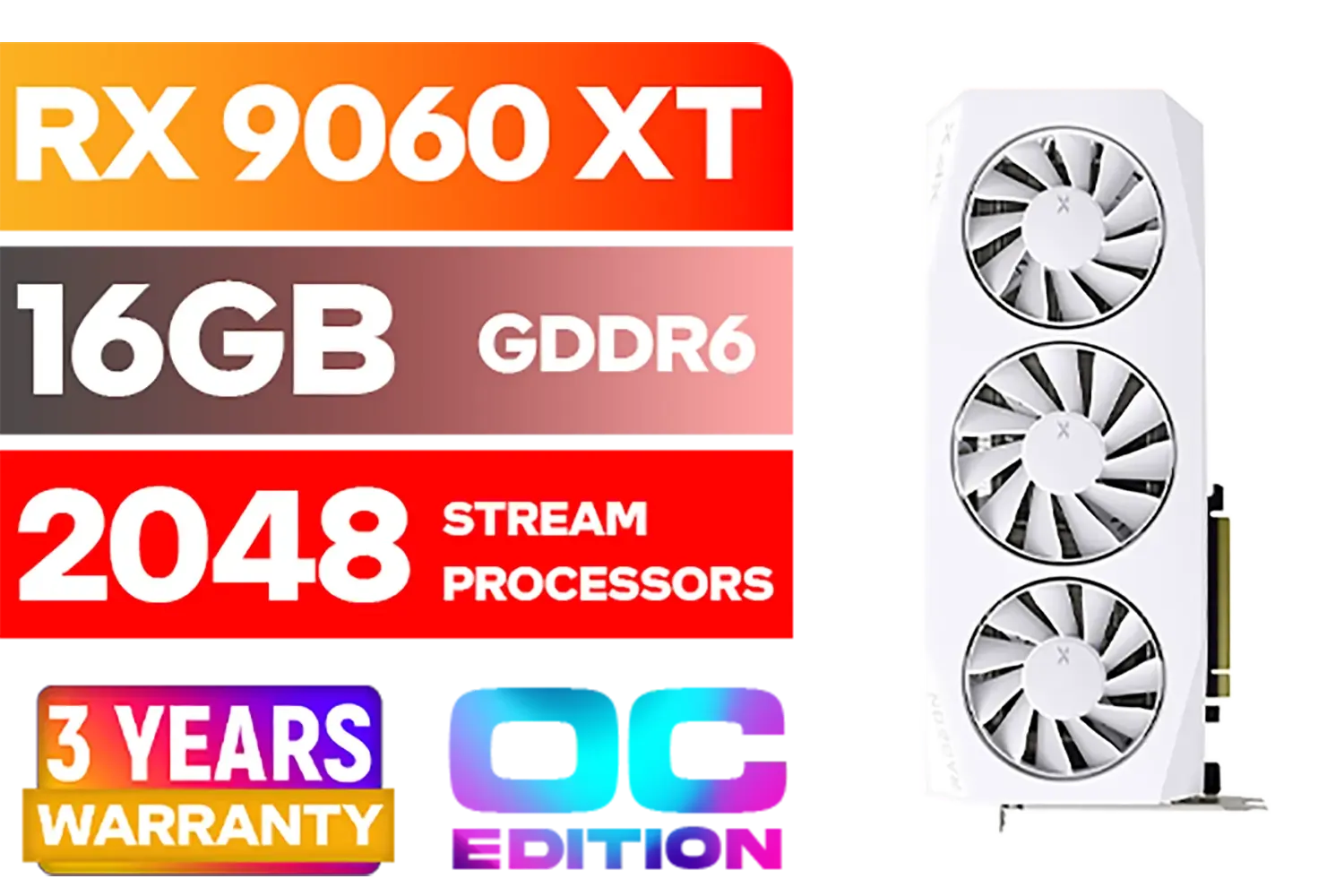
XFX Mercury AMD Radeon RX 9060XT OC White Gaming Edition with 16GB GDDR6 HDMI 2xDP, AMD RDNA 4 / RX-96TMERCW9
R9199.00In Stock
SAPPHIRE NITRO+ RX 9060 XT OC 16GB Graphics Card / 16GB GDDR6 Memory / 2048 Stream Processors / 128-bit Memory Interface / Boost Clock : 3320 MHz / AMD RDNA™ 4 Architecture / 32 Ray Accelerators / 11350-01-20G
R8899.00In Stock

XFX SWIFT AMD Radeon RX 9060 XT OC Triple Fan 16GB GDDR6 GPU - White / AMD RDNA 4 Architecture / 3rd Gen Radeon Raytracing Accelerators/ AMD Fidelity FX Super Resolution 4.0 Upscaling Technology / RX-96TS316W7
R8499.00In Stock

XFX SWIFT AMD Radeon RX 9060 XT OC 16GB Graphics Card - Black / 16GB GDDR6 / 2048 Stream Processors / 128-bit Memory Interface / Boost Clock : 3320 MHz / RX-96TSW16BQ
R7999.00In Stock
XFX Mercury AMD Radeon RX 9070 XT OC Magnetic Air Edition Graphics Card - White / 4096 Stream Processors / 256-bit Memory Interface / Boost Clock : 3100 MHz / AMD RDNA™ 4 Architecture / RX-97TMARGW9
R16299.00In Stock
XFX Quicksilver AMD Radeon RX 9070 XT Graphics Card / 4096 Stream Processors / 256-bit Memory Interface / Boost Clock : 2970 MHz / AMD RDNA™ 4 Architecture / RX-97TQICKB9
R14999.00In Stock
Ready for a Graphics Upgrade? The future with 16GB GDDR7 is bright, but you don't have to wait to experience incredible performance. Whether you're gearing up for the next generation or need a powerful upgrade today, Evetech has the perfect GPU for your rig and budget. Explore our massive range of graphics card deals and find the perfect card to conquer your world.
Related Products
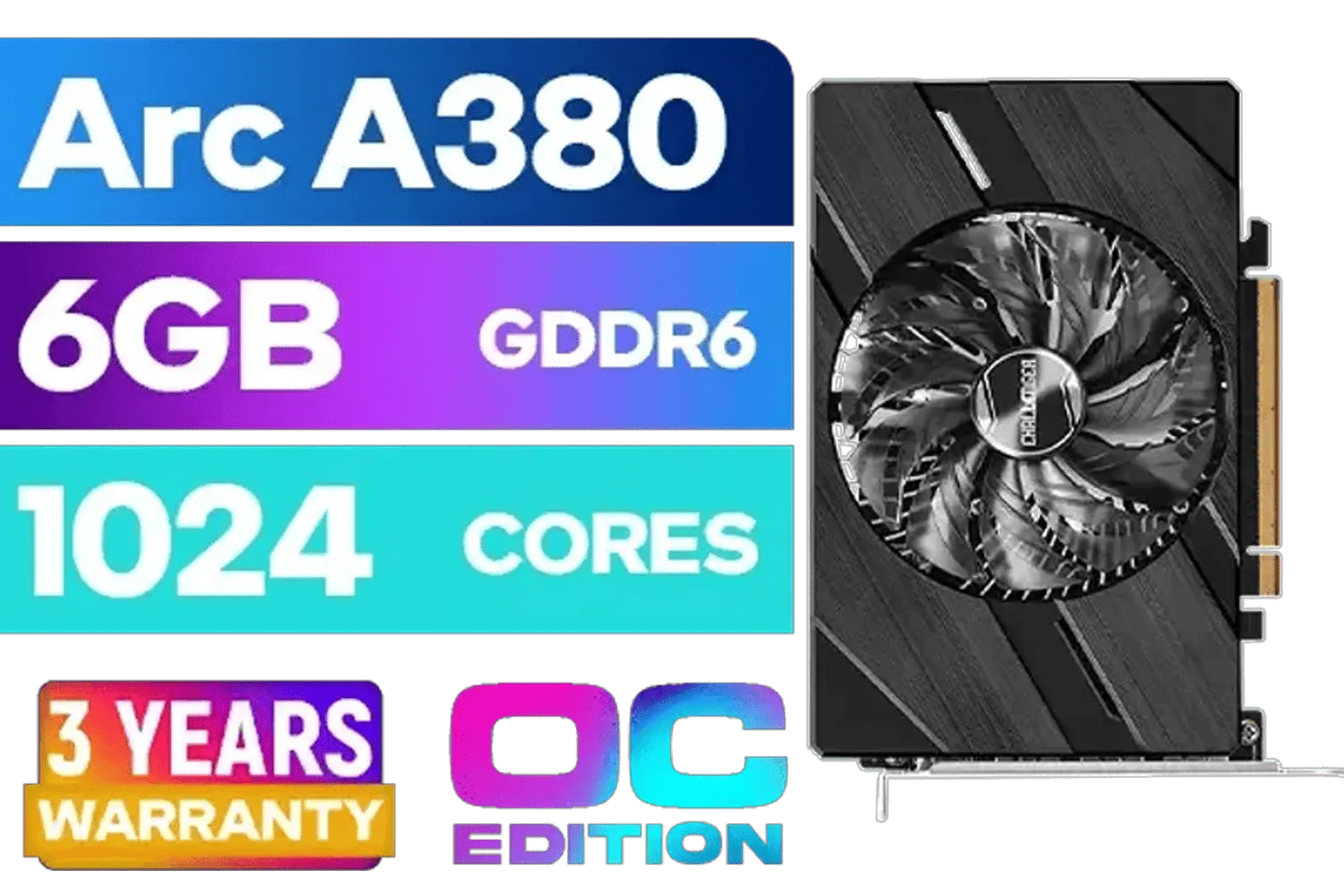
ASRock Intel Arc A380 Challenger ITX 6GB OC GDDR6 Graphics Card / 90-GA3KZZ-00UANF
R3199.00In Stock
XFX Mercury AMD Radeon RX 9060XT OC White Gaming Edition with 16GB GDDR6 HDMI 2xDP, AMD RDNA 4 / RX-96TMERCW9
R9199.00In Stock

Palit GeForce RTX 5090 GameRock 32GB GDDR7 512-Bit PCIe 5.0 Desktop Graphics Card / NE75090019R5-GB2020G
R47999.00In Stock

MSI GeForce RTX 5080 16G VENTUS 3X OC / PCI Express Gen 5 / 10752 Cuda Cores / 16GB GDDR7 / DirectX 12 Ultimate / 912-V531-262
R26999.00In Stock
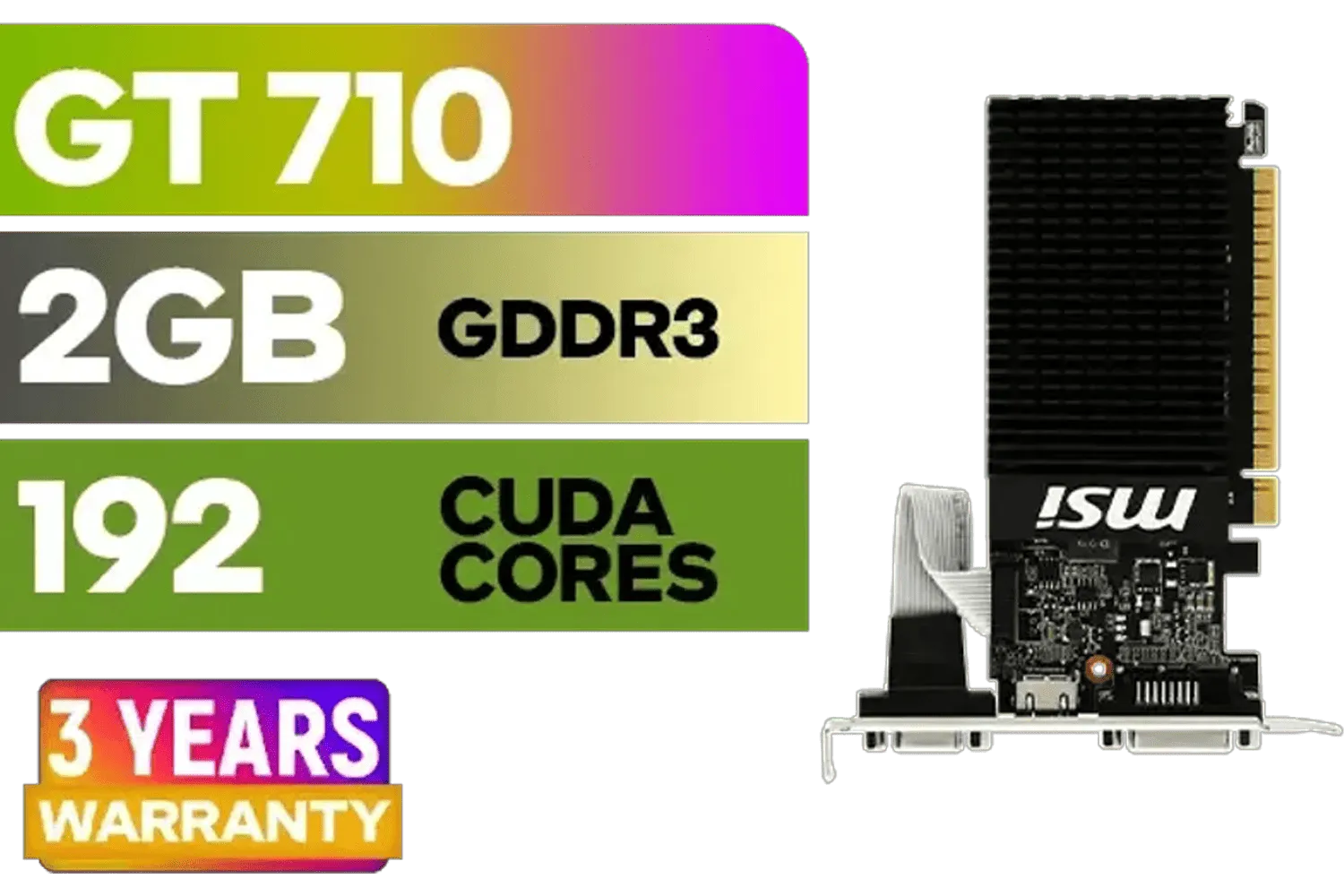
MSI GeForce GT 710 2GD3H LP 2GB DDR3 Graphics Card / 192 CUDA CORES / 64-bit Memory / 1x HDMI / 1x Dual-link DVI-D / 1x D-Sub / 912-V809-4217
R1099.00In Stock

XFX Swift AMD Radeon RX 9070 OC Graphics Card - White / 3584 Stream Processors / 256-bit Memory Interface / Boost Clock :2700 MHz / AMD RDNA™ 4 Architecture / RX-97SWFB3W9
R13499.00In Stock
16GB GDDR7 delivers higher bandwidth and lower latency, improving FPS at 1440p/4K, faster texture streaming, and smoother frame pacing in demanding titles.
Yes. 16GB GDDR7 speeds texture and frame buffering, reduces swapping, and accelerates GPU-bound effects for faster 4K editing and exports.
GDDR7 offers greater bandwidth and efficiency than GDDR6, yielding faster viewport performance and shorter render times for GPU-accelerated tools.
Yes—16GB GDDR7 gaming benchmarks show measurable FPS gains at high resolutions and improved render throughput in creative apps.
At 1440p and 4K many modern AAA games benefit from 16GB VRAM, especially with high-res textures and ray tracing enabled.
GDDR7 is more power efficient per GB than prior generations, but higher-performance GPUs still draw more power under load.
If you target 1440p/4K gaming, heavy VFX, or AI-assisted creative workflows, upgrading to 16GB GDDR7 offers clear performance and future-proofing benefits.