Best CPU for Ray Tracing 2025: Performance Guide
Wondering if you need the best CPU for ray tracing? While the GPU does the heavy lifting, a weak processor causes stutter. Unlock max FPS with our 2025 picks! 🚀🎮

So, you’ve cranked up the ray tracing settings in Alan Wake 2 and the world looks breathtakingly real… until your frame rate drops into the single digits. Ouch. While your GPU gets all the credit for rendering those glorious reflections and shadows, a sluggish CPU is often the real culprit behind performance bottlenecks. Finding the best CPU for ray tracing isn't just about raw power; it's about giving your graphics card the data it needs, instantly.
Why Your CPU is Critical for Ray Tracing Performance

AMD Ryzen 5 9600X 6-Core 12-Threads 3.9GHz (5.4GHz Max Boost) Socket AM5 65W Desktop Processor / Zen 5 Architecture / AMD Radeon™ Graphics / Cooler Not Included / 100-100001405WOF
R5199.00In Stock

Intel 11th Gen Core i7-11700K Rocket Lake up to 5.0GHz 16MB Cache LGA 1200 95W BX8070811700K Desktop Processor / Intel SpeedStep Technology / Intel Virtualization Technology (VT-x) / Intel® UHD Graphics 750 / Require 500 Series Chipset MB (Z590,B560,H570)
R7399.00In Stock

Intel Core Ultra 7 265K Processor / 20x (8P + 12E) Cores / 20x Threads / Up to 5.5GHz Turbo Boost / LGA 1851 Series Chipset 159W / Integrated Intel® Graphics / CPU Cooler Not Included / BX80768265K
R6999.00In Stock

AMD Ryzen 7 9800X3D 8-Core 16-Threads 4.7GHz (5.2GHz Max Boost) Socket AM5 120W Desktop Processor / Zen 5 Architecture / AMD Radeon™ Graphics / Cooler Not Included / 100-100001084WOF
R10499.00In Stock

AMD Ryzen 9 9900X3D Processor / 12-Core 24-Threads / 4.4GHz Base Clock (Up to 5.5GHz) / Socket AM5 / Zen 5 Architecture / 140MB Cache / Integrated AMD Radeon™ Graphics / 100-100001368WOF
R12999.00In Stock

Intel Core Ultra 9 285K Desktop Processor / 24x (8P + 16E) Cores / 24x Threads / Up to 5.7GHz Turbo Boost / LGA 1851 Series Chipset 250W / Integrated Intel® Graphics / CPU Cooler Not Included / BX80768285K
R12699.00In Stock
Think of your PC as a high-performance kitchen. Your GPU is the master chef, cooking up stunning visuals. Your CPU? It's the head of prep, gathering all the ingredients (game data, physics calculations, asset locations) and delivering them to the chef at lightning speed. ⚡
When you enable ray tracing, the number of "ingredients" skyrockets. The CPU has to manage complex Bounding Volume Hierarchy (BVH) structures that map out the entire scene for light rays to bounce around in. If your processor can't keep up, the chef... your GPU... is left waiting. This is a classic bottleneck, and it's what causes that frustrating stutter. A powerful, modern CPU processor is essential to ensure a smooth data pipeline for high-fidelity gaming.
The 2025 Contenders: Intel vs. AMD
Choosing the best CPU for ray tracing often comes down to the classic blue vs. red debate. Both teams bring incredible technology to the table in 2025, each with a unique approach to maximising gaming performance.
Intel's High-Frequency Heroes
Intel has long been a favourite for gamers, thanks to its focus on high single-core clock speeds and a robust architecture. Their modern processors use a hybrid design with Performance-cores (P-cores) for heavy lifting and Efficient-cores (E-cores) for background tasks. This allows your game to have dedicated access to the fastest cores, which is brilliant for ray tracing workloads. For those wanting the absolute peak of single-core speed, the Intel Core Ultra 9 series represents the top tier of their consumer lineup. Exploring the full range of Intel CPUs will reveal excellent options for nearly every budget.
AMD's Cache Kings 🚀
AMD's secret weapon, especially for gaming, is their 3D V-Cache technology. This innovative tech stacks a massive amount of L3 cache directly on top of the processor die. Games absolutely love cache, as it keeps critical data incredibly close to the cores, drastically reducing latency. This often gives Ryzen X3D chips a significant edge in gaming, even over more expensive CPUs. The flagship AMD Ryzen 9 lineup is a testament to this, frequently topping gaming benchmark charts. Whether you're a competitive esports player or a single-player enthusiast, the current generation of AMD CPUs offers fantastic performance for ray tracing.
TIP FOR YOU
Don't Forget Your Motherboard! 🔧
Before you buy a new CPU, double-check that it's compatible with your motherboard's socket (e.g., LGA 1700 for recent Intel, AM5 for modern AMD). You might also need a BIOS update to support a newer processor. You can usually download the latest BIOS from your motherboard manufacturer's website and flash it using a USB drive.
AMD Ryzen 5 9600X 6-Core 12-Threads 3.9GHz (5.4GHz Max Boost) Socket AM5 65W Desktop Processor / Zen 5 Architecture / AMD Radeon™ Graphics / Cooler Not Included / 100-100001405WOF
R5199.00In Stock
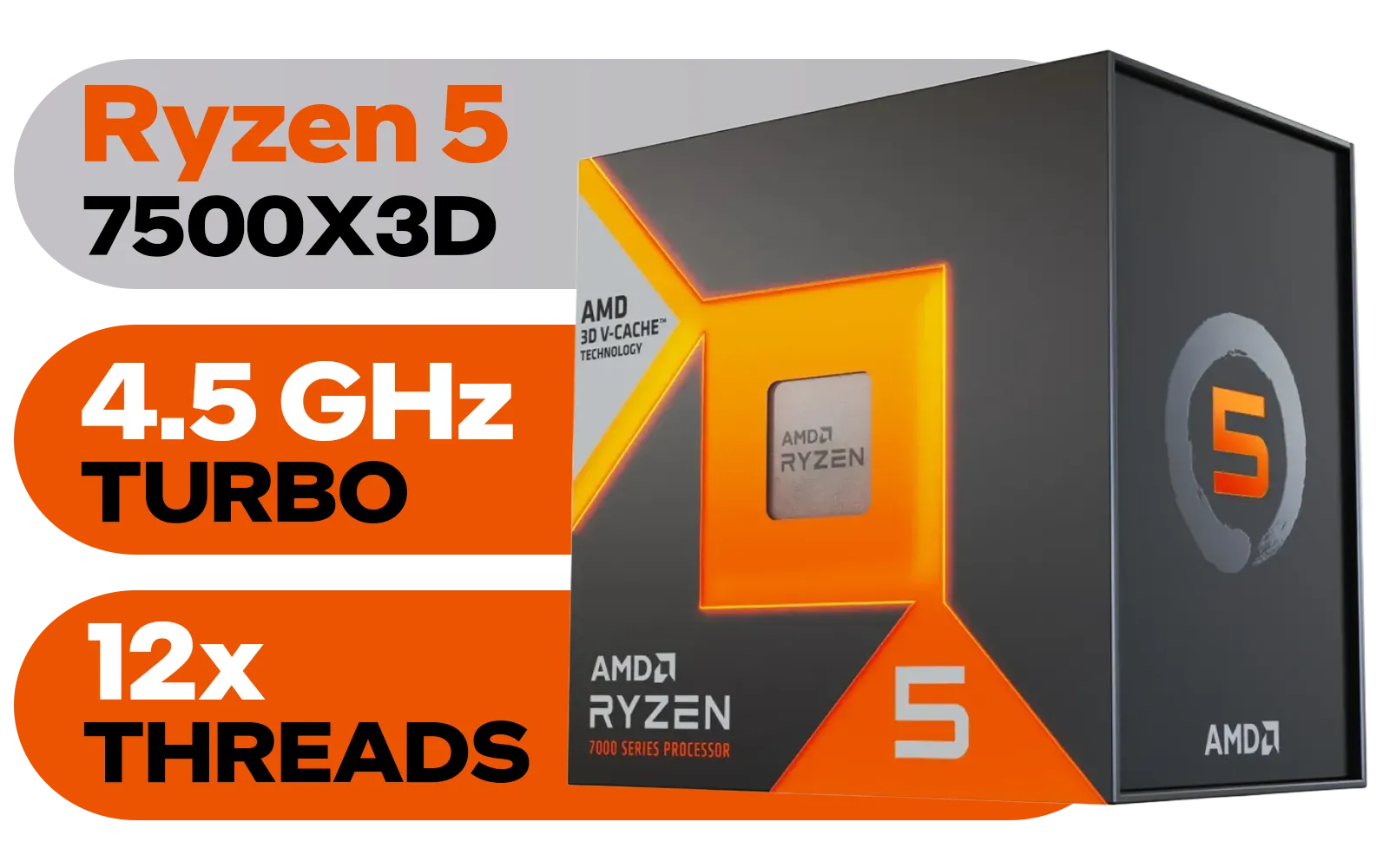
AMD Ryzen 5 7500X3D 6-Core 12-Threads 4.0GHz (4.5GHz Max Boost) Socket AM5 65W Desktop Processor / 102MB 3D V-Cache / AMD Ryzen 7000 Series Desktop Processor / No CPU Cooler Included / Integrated AMD Radeon Graphics / 100-100001904WOF
R6399.00In Stock
Intel 11th Gen Core i7-11700K Rocket Lake up to 5.0GHz 16MB Cache LGA 1200 95W BX8070811700K Desktop Processor / Intel SpeedStep Technology / Intel Virtualization Technology (VT-x) / Intel® UHD Graphics 750 / Require 500 Series Chipset MB (Z590,B560,H570)
R7399.00In Stock
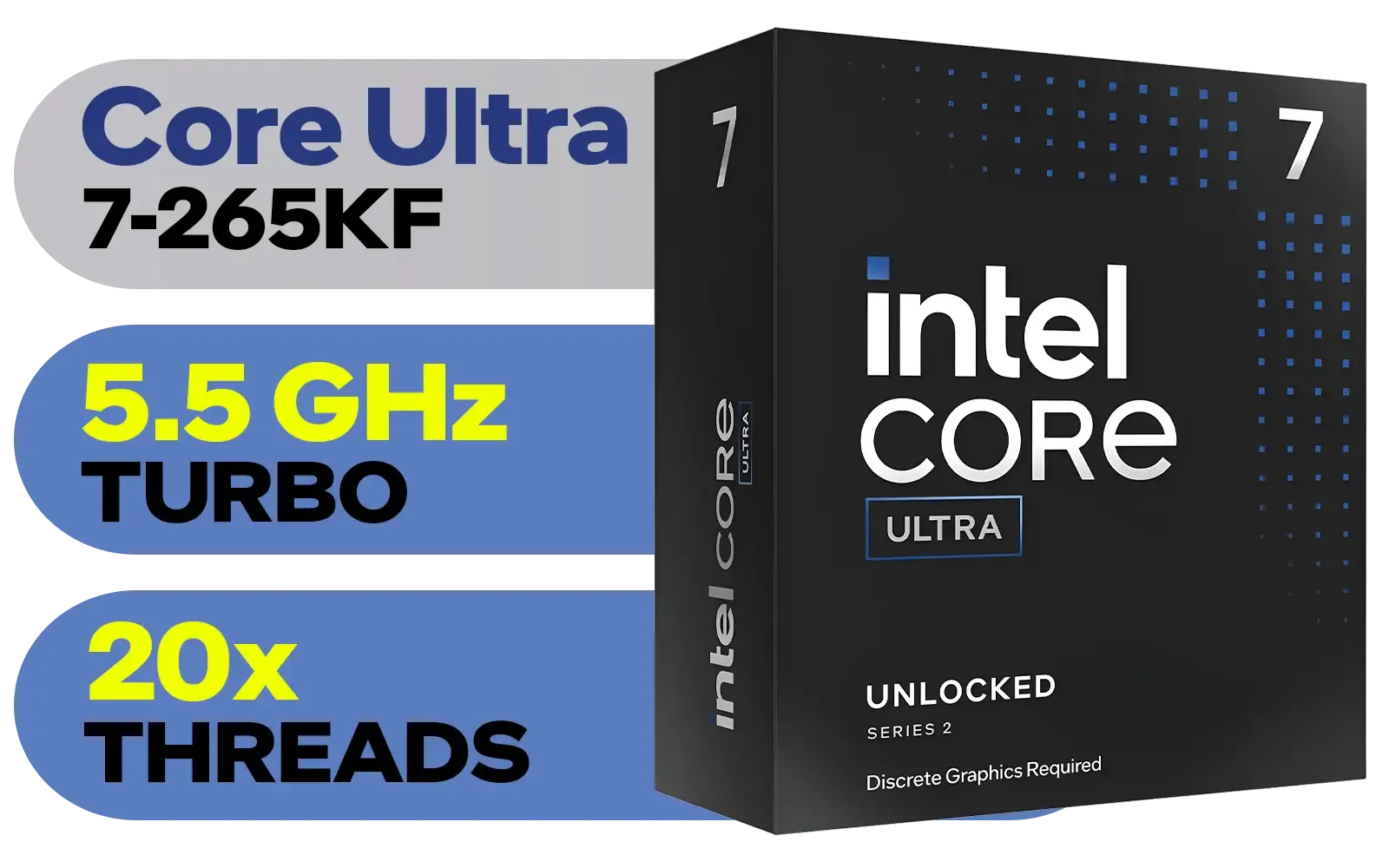
Intel Core Ultra 7 265KF Desktop Processor / 20x (8P + 12E) Cores / 20x Threads / Up to 5.5GHz Turbo Boost / LGA 1851 Series Chipset 159W / Discrete Graphics Required / CPU Cooler Not Included / BX80768265KF
R6899.00In Stock
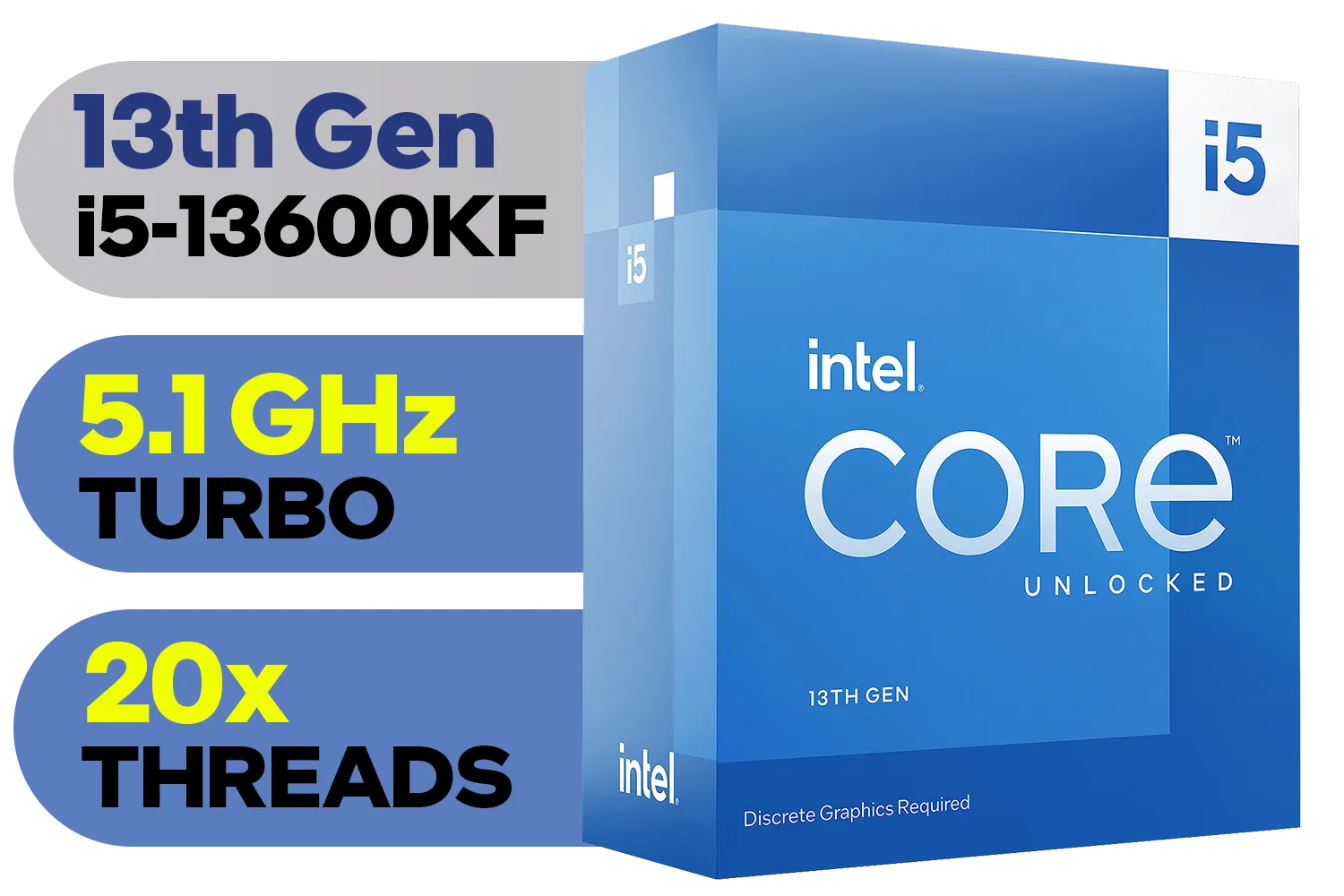
Intel 13th Gen Core i5-13600KF Desktop Processor 14 (6P+8E) Cores up to 5.10 GHz Unlocked LGA1700 Series Chipset 125W / <span style="color: red;" >Discrete Graphics Card Required</span> / BX8071513600KF
R6999.00In Stock
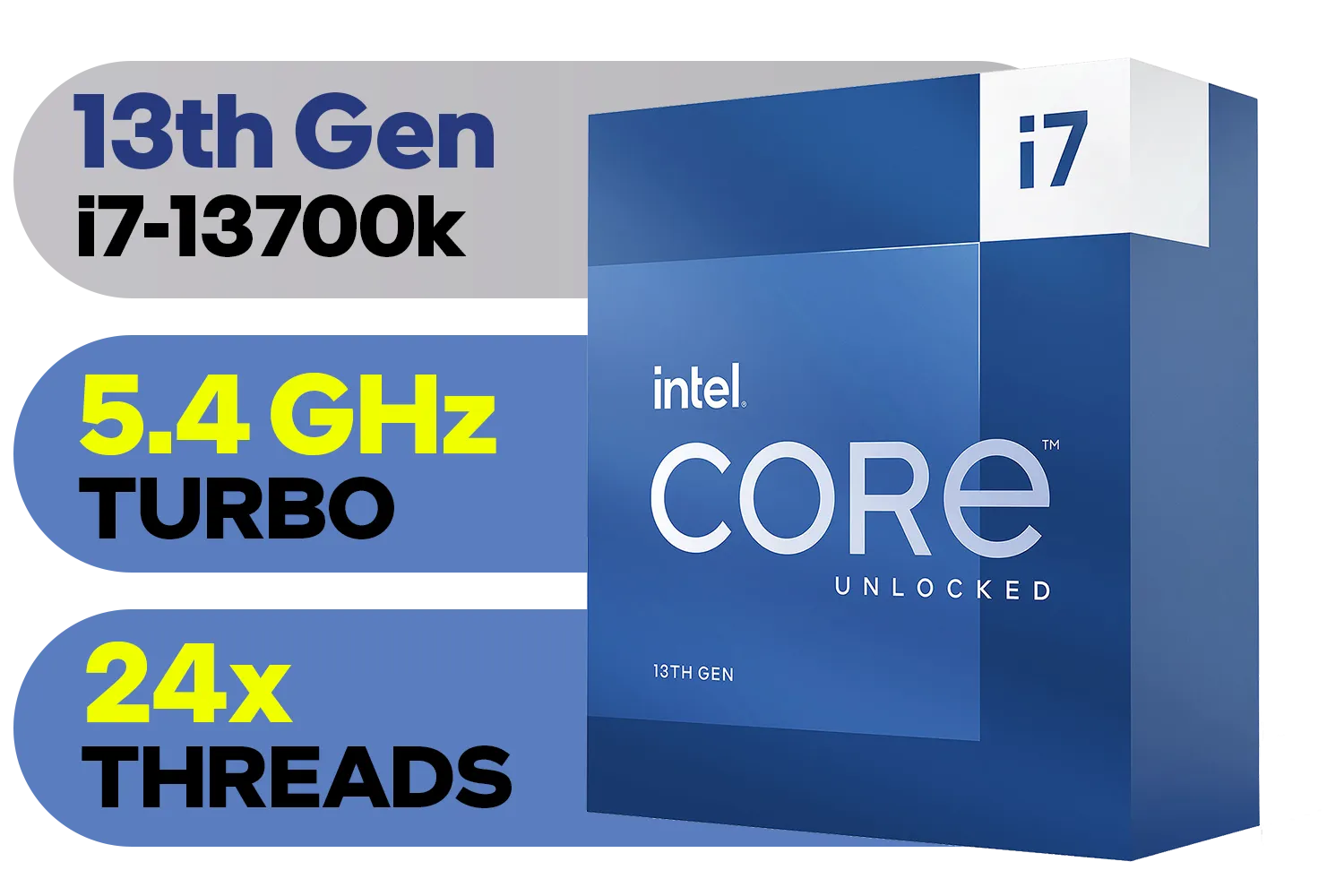
Intel 13th Gen Core i7 13700K Desktop Processor 16 (8P+8E) Cores up to 5.40 GHz Unlocked LGA1700 770 Series Chipset 125W / BX8071513700K
R9999.00In Stock
Balancing Your Build for the Best Experience
What's the absolute best CPU for ray tracing in South Africa? The one that's perfectly balanced with your GPU and your budget. There's no point pairing a R20,000 processor with a R7,000 graphics card; you'll be leaving a ton of GPU performance on the table.
Look for the sweet spot. A modern 6-core or 8-core CPU from either Intel's Core i5/i7 range or AMD's Ryzen 5/7 range often provides more than enough power to feed even high-end graphics cards like an RTX 4070 SUPER or RX 7800 XT. This balanced approach ensures you're spending your hard-earned Rands where it matters most for a smooth, visually stunning gaming experience. ✨
Ready to Unlock Flawless Ray Tracing? Choosing the right processor is the first step to a stutter-free, visually stunning gaming experience. Our team of experts has curated the best range of CPUs in South Africa. Find the perfect heart for your rig today!
Related Products
Intel 13th Gen Core i7 13700KF Desktop Processor 16 (8P+8E) Cores up to 5.40 GHz Unlocked LGA1700 Series Chipset 253W / <span style="color: red;" >Discrete Graphics Card Required</span> / BX8071513700KF
R9499.00In Stock

AMD Ryzen 9 9900X 12-Core 24-Threads 4.4GHz (5.6GHz Max Boost) Socket AM5 120W Desktop Processor / Zen 5 Architecture / AMD Radeon™ Graphics / Cooler Not Included / 100-100000662WOF
R9299.00In Stock
Intel 13th Gen Core i7 13700K Desktop Processor 16 (8P+8E) Cores up to 5.40 GHz Unlocked LGA1700 770 Series Chipset 125W / BX8071513700K
R9999.00In Stock
Intel Core Ultra 9 285K Desktop Processor / 24x (8P + 16E) Cores / 24x Threads / Up to 5.7GHz Turbo Boost / LGA 1851 Series Chipset 250W / Integrated Intel® Graphics / CPU Cooler Not Included / BX80768285K
R12699.00In Stock

AMD Ryzen 9 9950X3D 16-Core 32-Threads 4.3GHz (5.7GHz Max Boost) Socket AM5 170W Desktop Processor / Zen 5 Architecture / AMD Radeon™ Graphics / Cooler Not Included / 100-100000719WOF
R17299.00In Stock

Intel Core Ultra 5 245K Desktop Processor / 14x (6P + 8E) Cores / 14x Threads / Up to 5.2GHz Turbo Boost / LGA 1851 Series Chipset 159W / Integrated Intel® Graphics / CPU Cooler Not Included / BX80768245K
R7299.00In Stock
Yes. The CPU manages the Bounding Volume Hierarchy (BVH) structure and draw calls. A weak CPU creates a bottleneck, preventing the GPU from processing rays efficiently.
Top-tier chips like the AMD Ryzen 9 9950X3D or Intel Core Ultra 9 series offer the high clock speeds and core counts needed for heavy ray tracing workloads.
Generally, yes. Ray tracing adds overhead to the game engine's main thread and worker threads. An 8-core processor is currently the sweet spot for modern titles.
Absolutely. At 1080p or 1440p, powerful GPUs wait for the CPU to prepare frames. Without a high-end CPU, you won't see the full benefit of your graphics card.
Both offer excellent options. Intel often leads in raw clock speeds, while AMD's X3D chips with 3D V-Cache excel at reducing latency in gaming scenarios.
Yes. Enabling RT requires the CPU to calculate geometry updates for light interaction dynamically, significantly increasing the load compared to rasterization.