Contribute to Open-Source Hardware: A Practical Guide
Contribute to Open-Source Hardware with practical steps, tools, and collaboration tips to get your designs accepted fast. 🔧🤝 Learn skills, licensing, and submission workflow.
|
Loading tags...
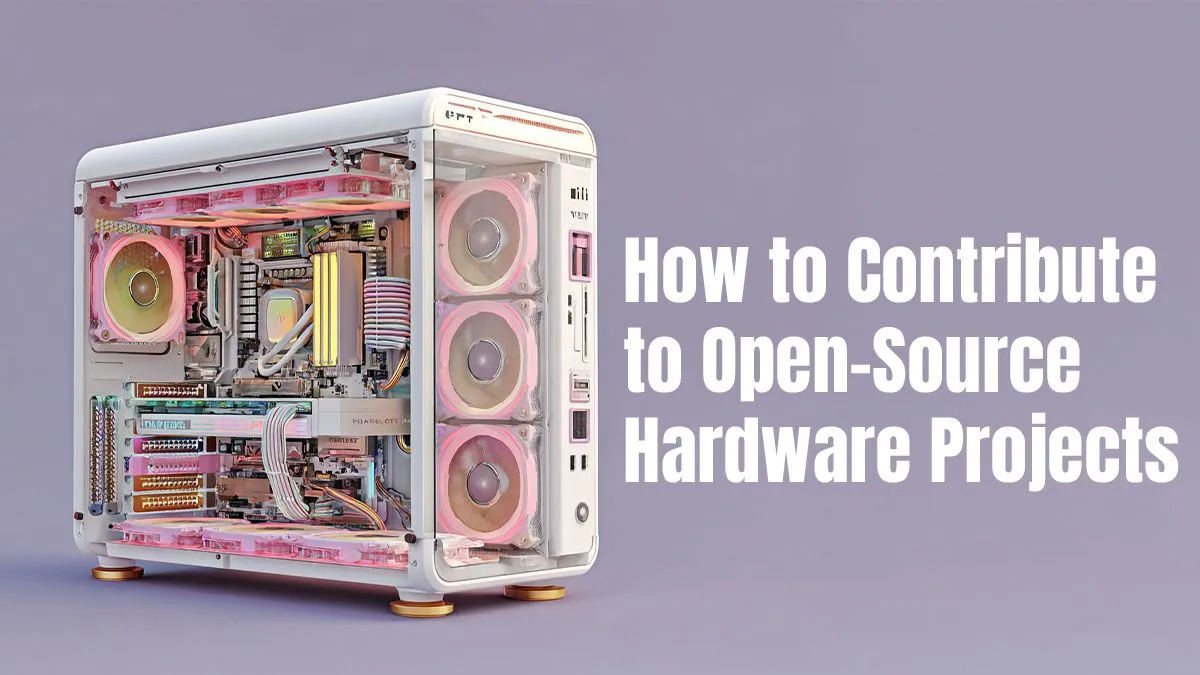
Howzit, fellow maker! You’ve felt the thrill of building your own PC, carefully slotting each component into place. But what if you could go deeper? What if, instead of just assembling parts, you could help design, improve, and share them with the world? That’s the electrifying core of the open-source hardware movement. This guide will show you exactly how you can contribute to open-source hardware, moving from a PC builder to a true tech creator. 🔧
Intel Core Ultra 7 265K 5.3GHz RTX 5070 12GB DDR5 Gaming PC
R37379.00In Stock
![[Pre Built] HP OMEN 35L B1ZR4EA Intel Core Ultra 7 265K RTX 4080 SUPER Gaming PC](https://img.evetech.co.za/repository/ProductImages/intel-core-ultra-7-265-k-rtx-4080-super-gaming-pc-pbs-main-1600px-v1.webp)
[Pre Built] HP OMEN 35L B1ZR4EA Intel Core Ultra 7 265K RTX 4080 SUPER Gaming PC
R49349.00In Stock
![[Pre Built] Intel Core Ultra 7 265KF RX 9070 XT Gaming PC](https://img.evetech.co.za/repository/ProductImages/intel-core-ultra-7-265-kf-rx-9070-xt-gaming-pc-pbs-main-1600px-v1.webp)
[Pre Built] Intel Core Ultra 7 265KF RX 9070 XT Gaming PC
R43049.00In Stock

Intel Core Ultra 5 225F ARC A380 6GB Gaming PC
R14699.00In Stock
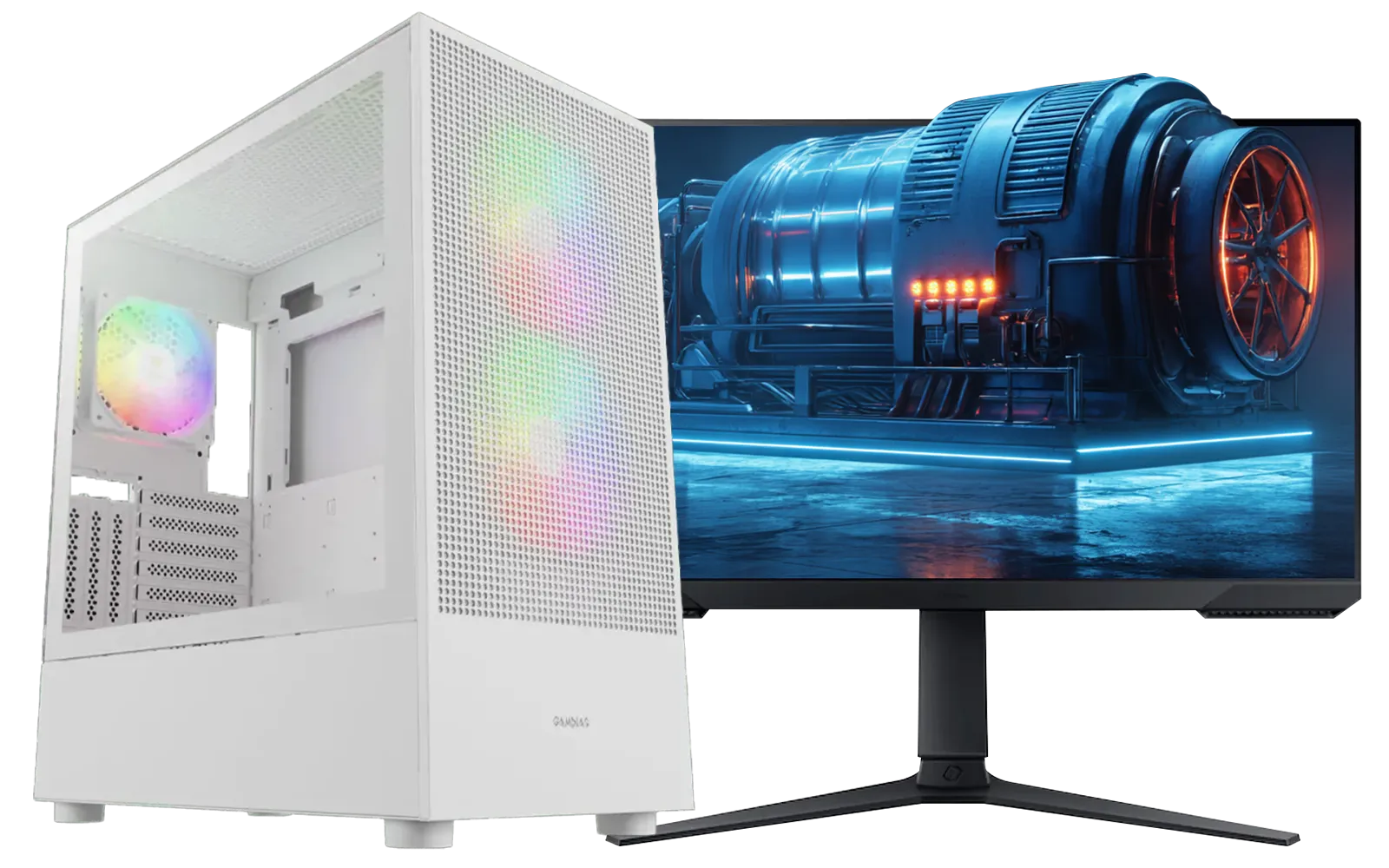
RYZEN 5 9600X 5.2GHz A400 4GB DDR5 Workstation PC
R18269.00In Stock
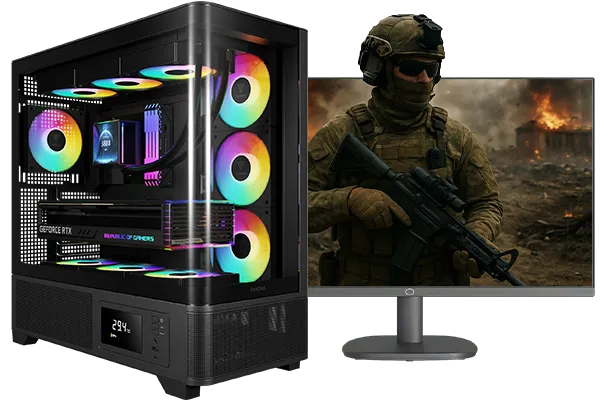
Intel Core Ultra 5 225F 4.9GHz RX 9060 XT 16GB DDR5 Gaming PC
R25409.00In Stock
Why You Should Contribute to Open-Source Hardware
Diving into open-source hardware isn't just a hobby; it's a powerful way to build real-world skills. You'll learn about electronics, 3D modelling, and collaborative design... skills that are incredibly valuable. More than that, you join a global community of innovators who believe in sharing knowledge. When you contribute to an open-source project, you're not just tinkering; you're helping to build the future of technology, one shared blueprint at a time. It’s your chance to make a tangible mark.
Your First Steps into Open Hardware Projects
Getting started is easier than you think. You don't need to be an engineering guru to make a meaningful impact. The key is to start small and build momentum.
Find a Project That Sparks Your Interest
The first step to contribute to open-source hardware is finding a project that excites you. Websites like GitHub, Hackaday.io, and the Open Source Hardware Association (OSHWA) are treasure troves of amazing projects. Look for projects with good documentation and an active community. It could be anything from a custom mechanical keyboard to a retro gaming console or even a 3D-printable drone.
AMD RYZEN 5 8400F 4.7GHz RTX 5060 8GB DDR5 Budget Gaming PC
R18794.00In Stock
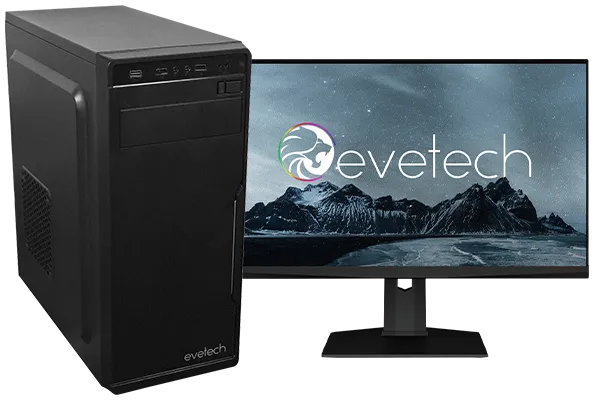
AMD RYZEN 5 3600 4.2GHz A400 4GB Workstation PC
R9764.00In Stock
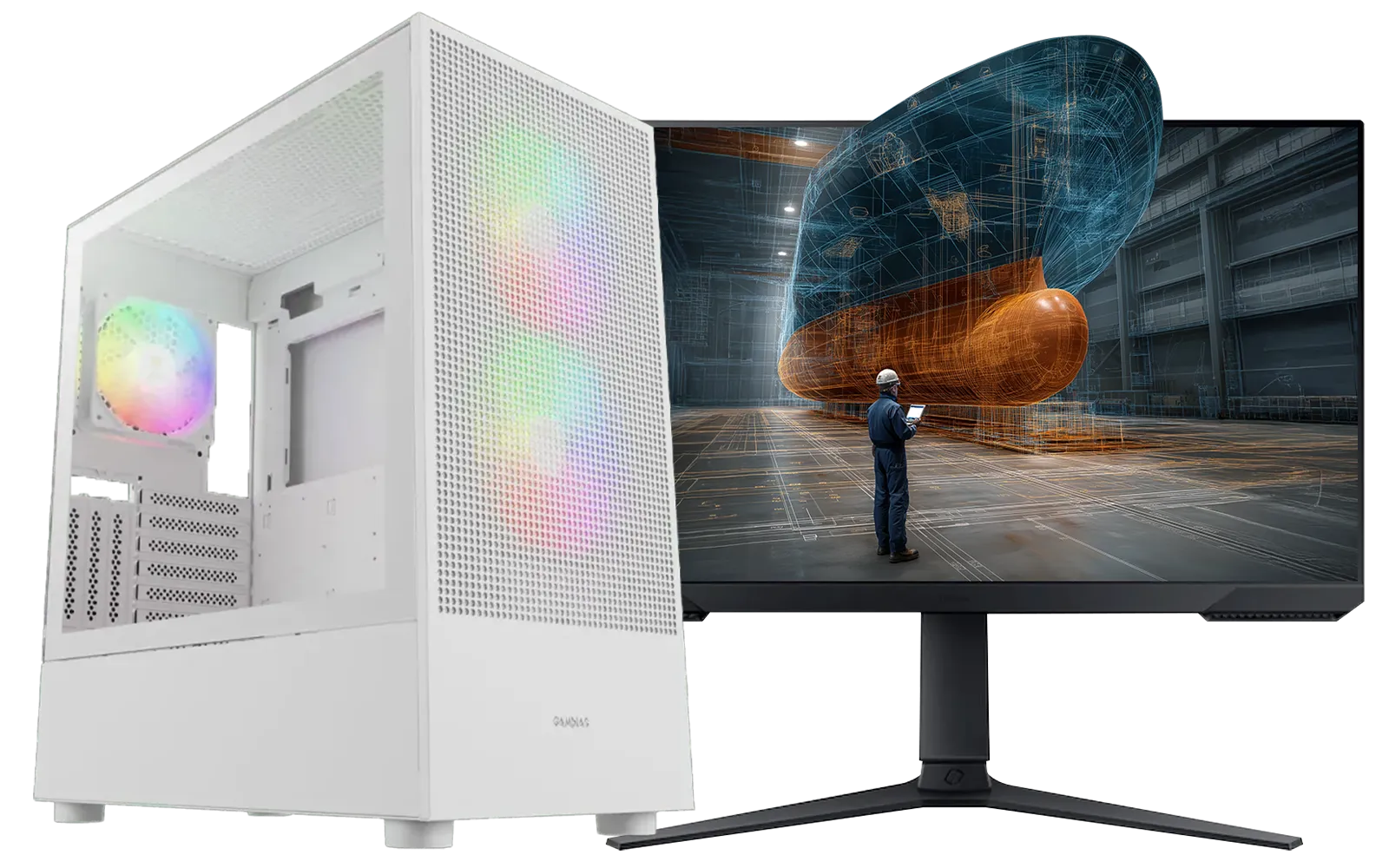
RYZEN 5 9600X 5.2GHz GT 710 2GB DDR5 PC
R15434.00In Stock

RYZEN 9 9900X 5.6GHz RTX 5070 Ti 16GB DDR5 Gaming PC
R41894.00In Stock
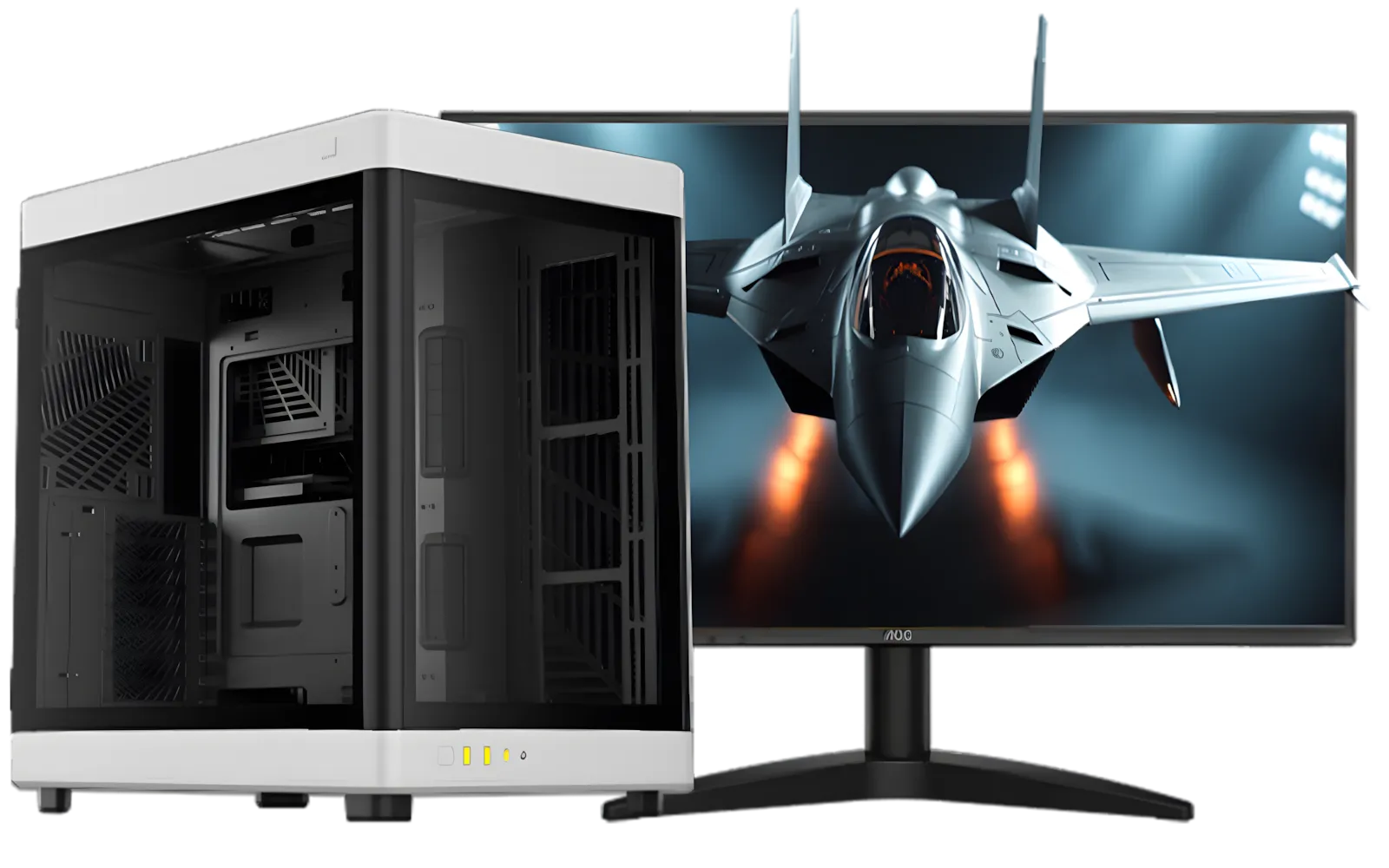
RYZEN 7 9700X RTX Pro 2000 DDR5 Workstation PC
R36749.00In Stock
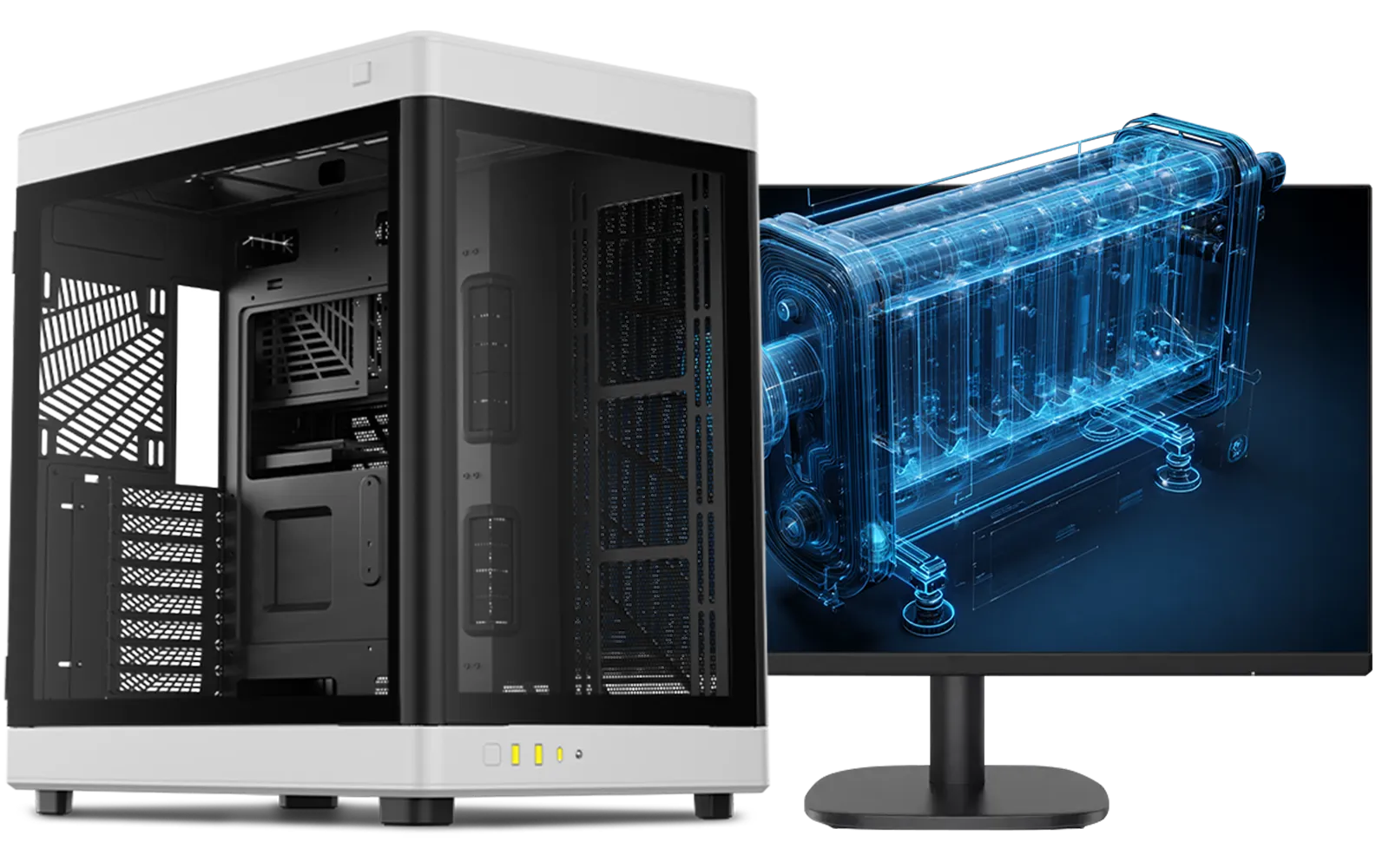
AMD RYZEN 9 9950X 5.7GHz Quadro RTX 5000 Ada 32GB DDR5 Workstation PC
R129779.00In Stock
Start with Simple Contributions
You don’t have to redesign a whole circuit board on day one. Here are some simple ways to get involved:
- Improve Documentation: Is a project's assembly guide confusing? Offer to rewrite it for clarity. This is a hugely valuable contribution.
- 3D Print and Test: Many projects involve 3D-printed parts. Print them, test the fit, and provide feedback. This is a fantastic way to experiment with custom mods for your computer case.
- Community Support: Join the project's Discord or forum and help answer questions from other newcomers.
TIP FOR YOU
Version Control for Hardware? Yes! 💡
Many open-source hardware projects use Git and GitHub to track changes to design files (like schematics and 3D models), just like software projects. Learning the basics of Git—like cloning a repository and submitting a 'pull request'—is a massive step up. It’s the standard language for collaboration in both the software and hardware worlds.
Building Your Prototyping Playground
As you get more involved, having a dedicated space for testing and building is essential. A simple test bench can be your best friend, allowing you to swap parts and test ideas quickly without dismantling your main gaming rig.
A solid foundation starts with a reliable motherboard, which acts as the central nervous system for your experiments. You'll also need clean, stable power, so never skimp on a quality Corsair power supply; it protects your components during testing. For many test benches, especially for retro or low-power projects, even affordable DDR3 RAM modules are perfectly sufficient.
If your project involves custom cooling solutions, having a spare CPU cooler to modify or a secondary graphics card for testing display outputs can be incredibly useful. This setup allows you to innovate without risking your primary machine. ✨
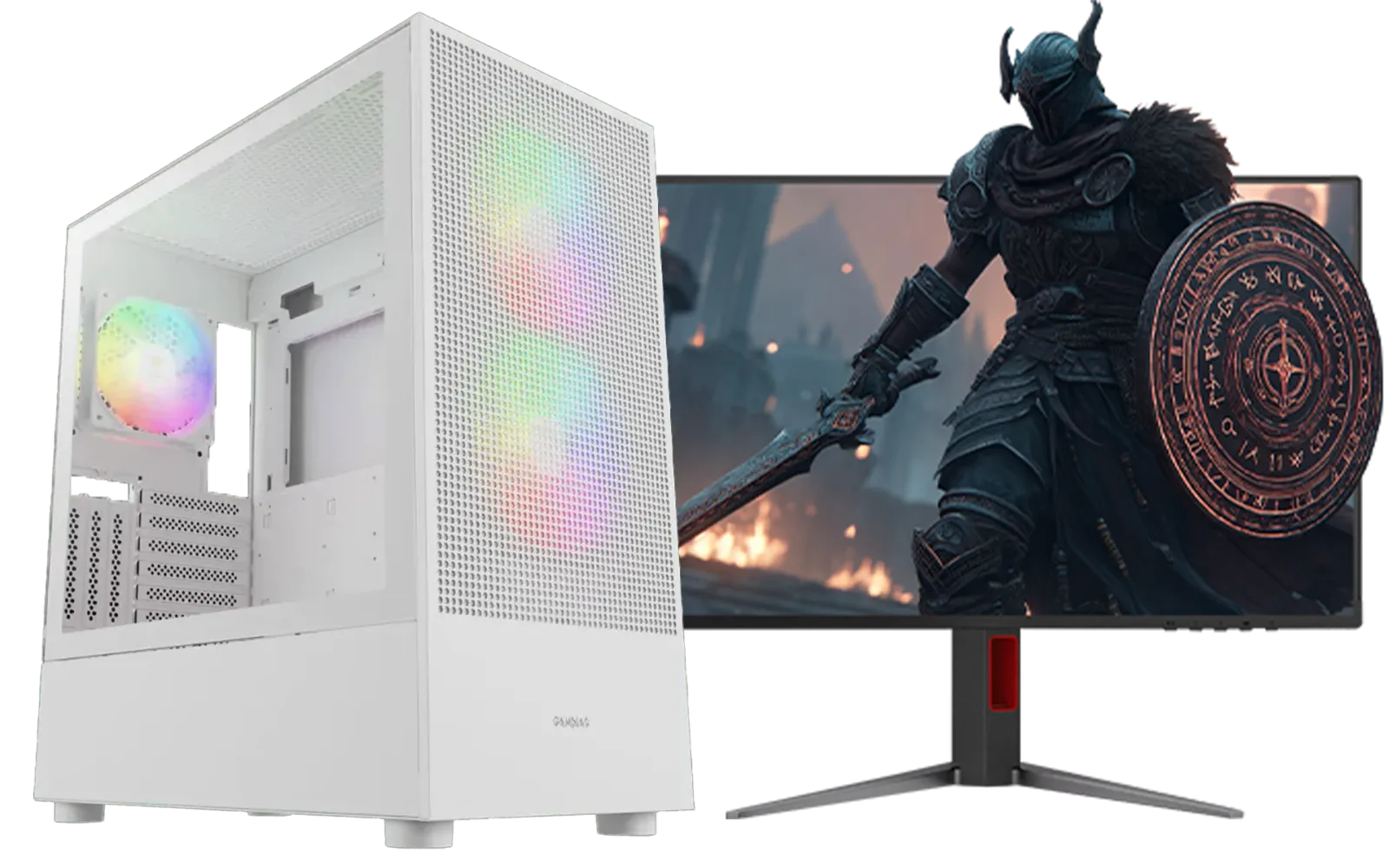
Intel Core Ultra 5 225F 4.9GHz RTX 3050 6GB DDR5 Gaming PC
R16799.00In Stock
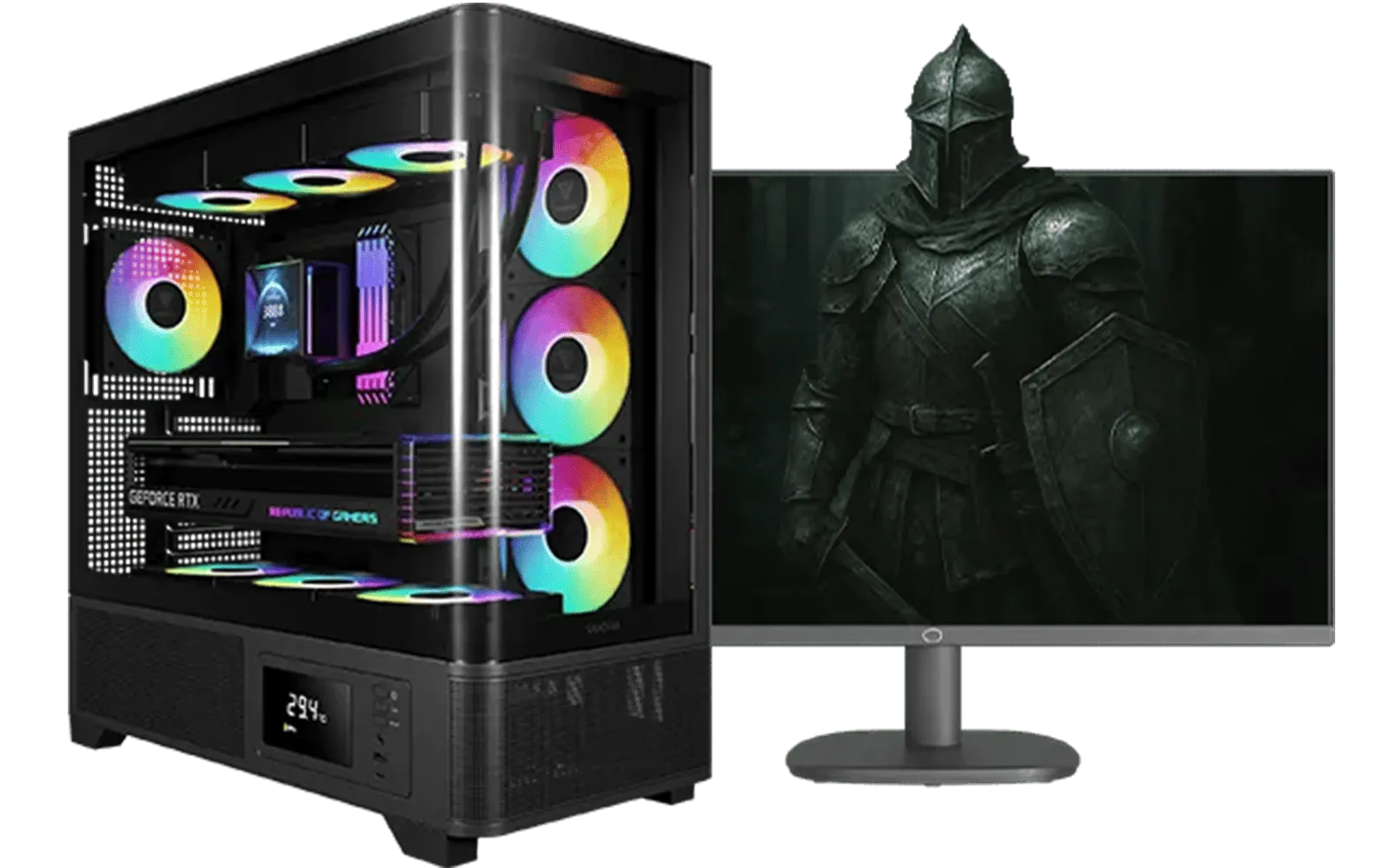
AMD RYZEN 5 3600 RTX 3050 Budget Gaming PC
R11234.00In Stock
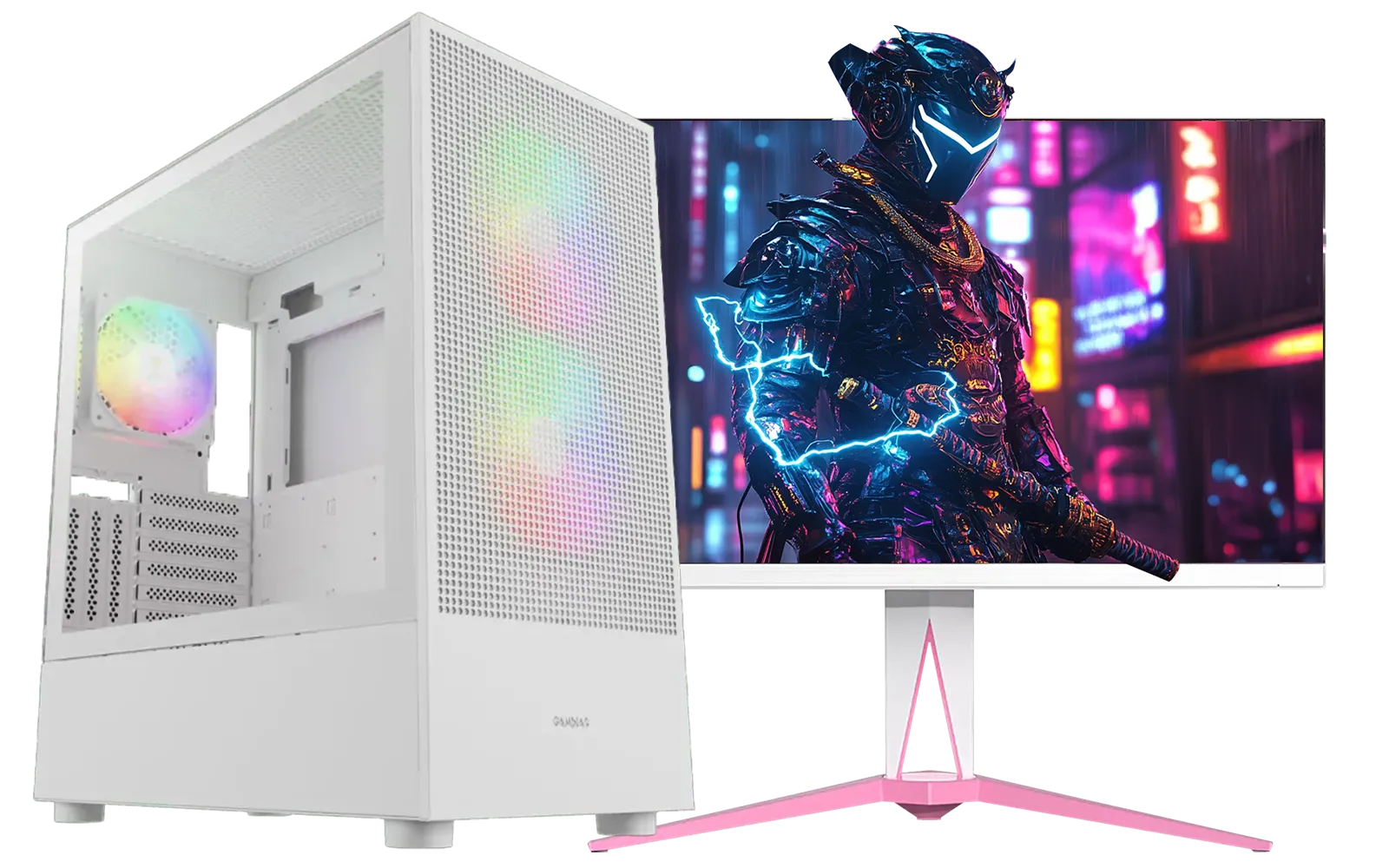
Intel 14th Gen Core i3 14100F 4.7GHz ARC A380 6GB Gaming PC
R13544.00In Stock
Intel Core Ultra 5 225F 4.9GHz RX 9060 XT 16GB DDR5 Gaming PC
R25409.00In Stock
Intel Core Ultra 7 265K RTX Pro 4500 DDR5 Workstation PC
R79169.00In Stock
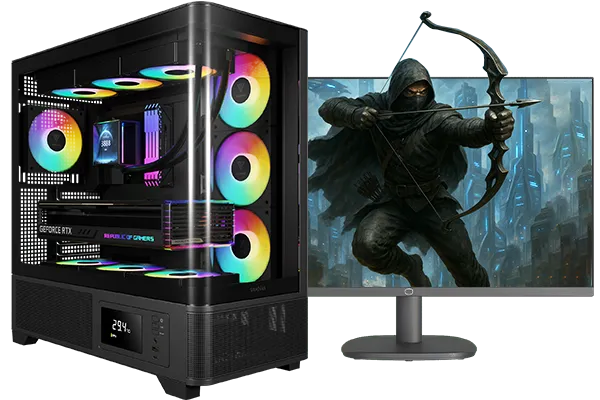
Intel Core Ultra 5 245K 5.2GHz RTX 5060 8GB DDR5 Gaming PC
R31499.00In Stock
From Contributor to Creator 🚀
Once you’ve got a few contributions under your belt, you might get the itch to start your own project. This is where the real magic happens. Taking an idea from a simple sketch to a fully functional, shared design is an amazing journey. The skills you learned while contributing to other projects will be your guide. For a powerful and cost-effective starting point, an Intel or AMD-based bundle pack gives you the core components you need, letting you focus on the custom and creative parts of your build.
The path to becoming an open-source hardware contributor is a rewarding one. You build skills, you join a community, and you create technology that others can learn from and build upon. So, what are you waiting for?
Ready to Build Your Masterpiece? Whether you're modifying an existing design or starting your own, having the right parts is crucial. Explore our huge range of PC components and find everything you need to bring your next big idea to life.
Related Products
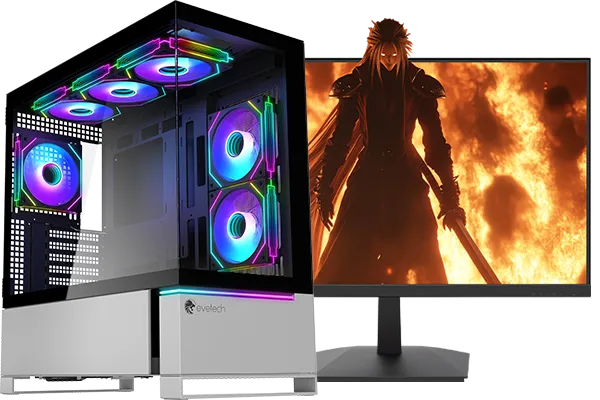
AMD RYZEN 7 5700 4.6GHz RX 9070 16GB Gaming PC
R29189.00In Stock
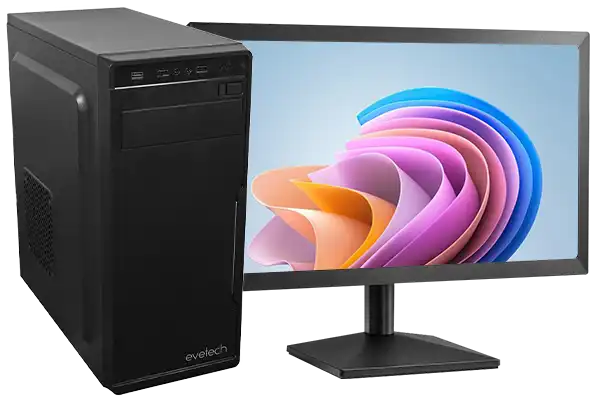
RYZEN 5 8500G 5.0GHz with Vega Graphics DDR5 PC
R11759.00In Stock
![[Pre Built] Intel Core Ultra 7 265K RTX 5070 Gaming PC](https://img.evetech.co.za/repository/ProductImages/intel-core-ultra-7-265-kf-rtx-5070-gaming-pc-pbs-main-1600px-v1.webp)
[Pre Built] Intel Core Ultra 7 265K RTX 5070 Gaming PC
R38849.00In Stock
AMD RYZEN 5 3600 RTX 3050 Budget Gaming PC
R11234.00In Stock
RYZEN 5 9600X 5.2GHz GT 710 2GB DDR5 PC
R15434.00In Stock
RYZEN 7 9700X RTX Pro 2000 DDR5 Workstation PC
R36749.00In Stock
Begin by joining an open hardware community, review contributor docs, pick a beginner-friendly issue, and follow the project's submission process.
Basic PCB layout, firmware debugging, and Git/GitHub skills help. Focus on one area like PCB contribution or firmware to get started quickly.
Use permissive or copyleft open hardware licenses listed by the project. Verify license terms before submitting designs or firmware.
Learn KiCad or Eagle for PCB design, Git for version control, and KiCad or hardware simulators for testing PCB contributions.
Fork the repo, follow contribution guidelines, attach clear design files and a changelog, then open a pull request for review.
Projects use issue trackers and PR reviews. Expect feedback on schematics, PCB footprints, documentation, and firmware patches.
Create prototypes, run unit tests for firmware, and use peer reviews in the open hardware community to validate PCB and design changes.