CPU Cores vs Clock Speed: How to Choose Your First Processor
Struggling with CPU cores vs clock speed? 🚀 Discover which matters more for gaming and productivity in 2025. We break down the specs to help you build the perfect PC without overspending! 💻
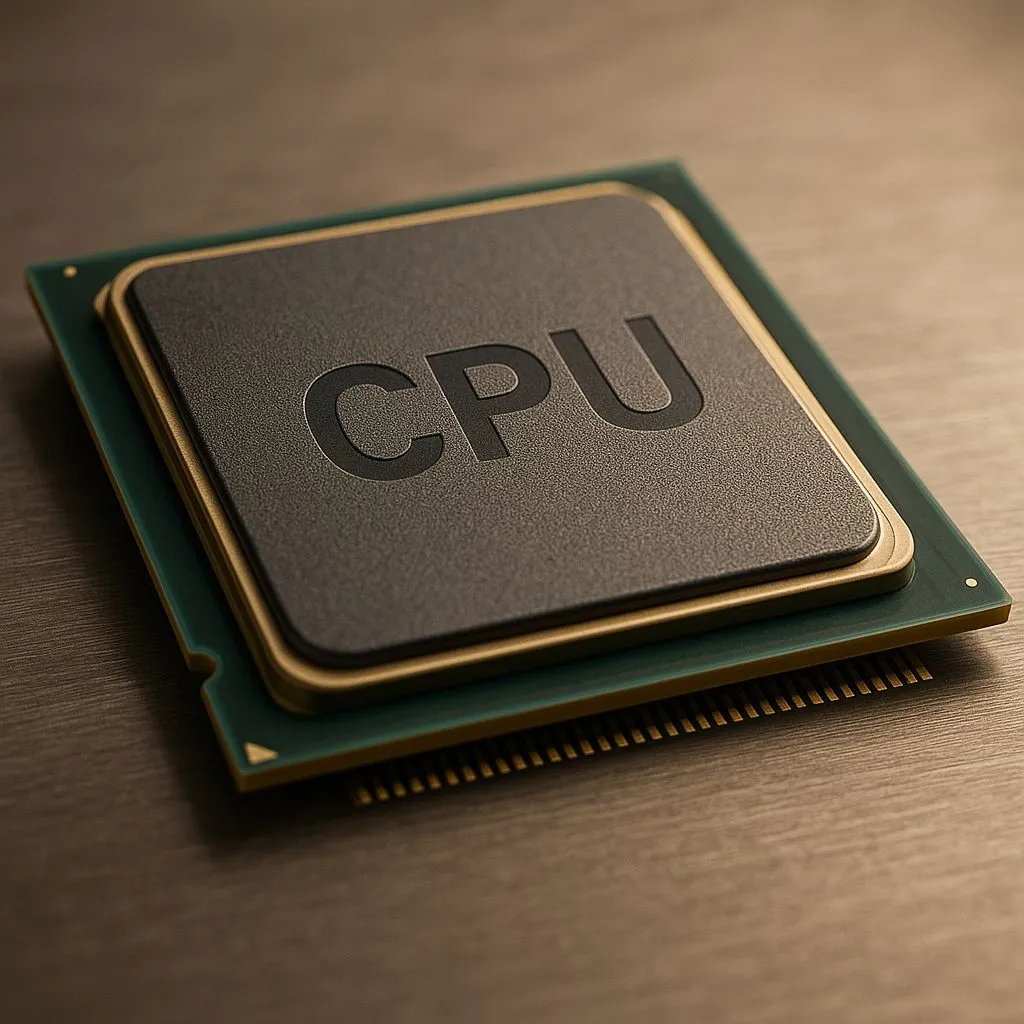
Building your first gaming PC in South Africa is an epic quest. You’ve picked your case, you’re dreaming of that GPU… and then you hit the CPU specs. Cores? Gigahertz? Suddenly, it feels like you need a degree in engineering just to get started. What’s the real story behind CPU cores vs clock speed, and which one matters more for getting those sweet, sweet frames per second? Don't stress, we’re here to break it down.
Demystifying the Specs: What Are Cores and Clock Speed?

Intel 14th Gen Core i3-14100F Desktop Processor 4(4P+0E) Cores up to 4.70GHz LGA1700 Series Chipset 58W / Discrete Graphics Card Required / BX8071514100F
R2049.00In Stock

AMD Ryzen 9 9900X3D Processor / 12-Core 24-Threads / 4.4GHz Base Clock (Up to 5.5GHz) / Socket AM5 / Zen 5 Architecture / 140MB Cache / Integrated AMD Radeon™ Graphics / 100-100001368WOF
R12999.00In Stock

Intel 11th Gen Core i7-11700K Rocket Lake up to 5.0GHz 16MB Cache LGA 1200 95W BX8070811700K Desktop Processor / Intel SpeedStep Technology / Intel Virtualization Technology (VT-x) / Intel® UHD Graphics 750 / Require 500 Series Chipset MB (Z590,B560,H570)
R7399.00In Stock

Intel Core Ultra 9 285K Desktop Processor / 24x (8P + 16E) Cores / 24x Threads / Up to 5.7GHz Turbo Boost / LGA 1851 Series Chipset 250W / Integrated Intel® Graphics / CPU Cooler Not Included / BX80768285K
R12699.00In Stock
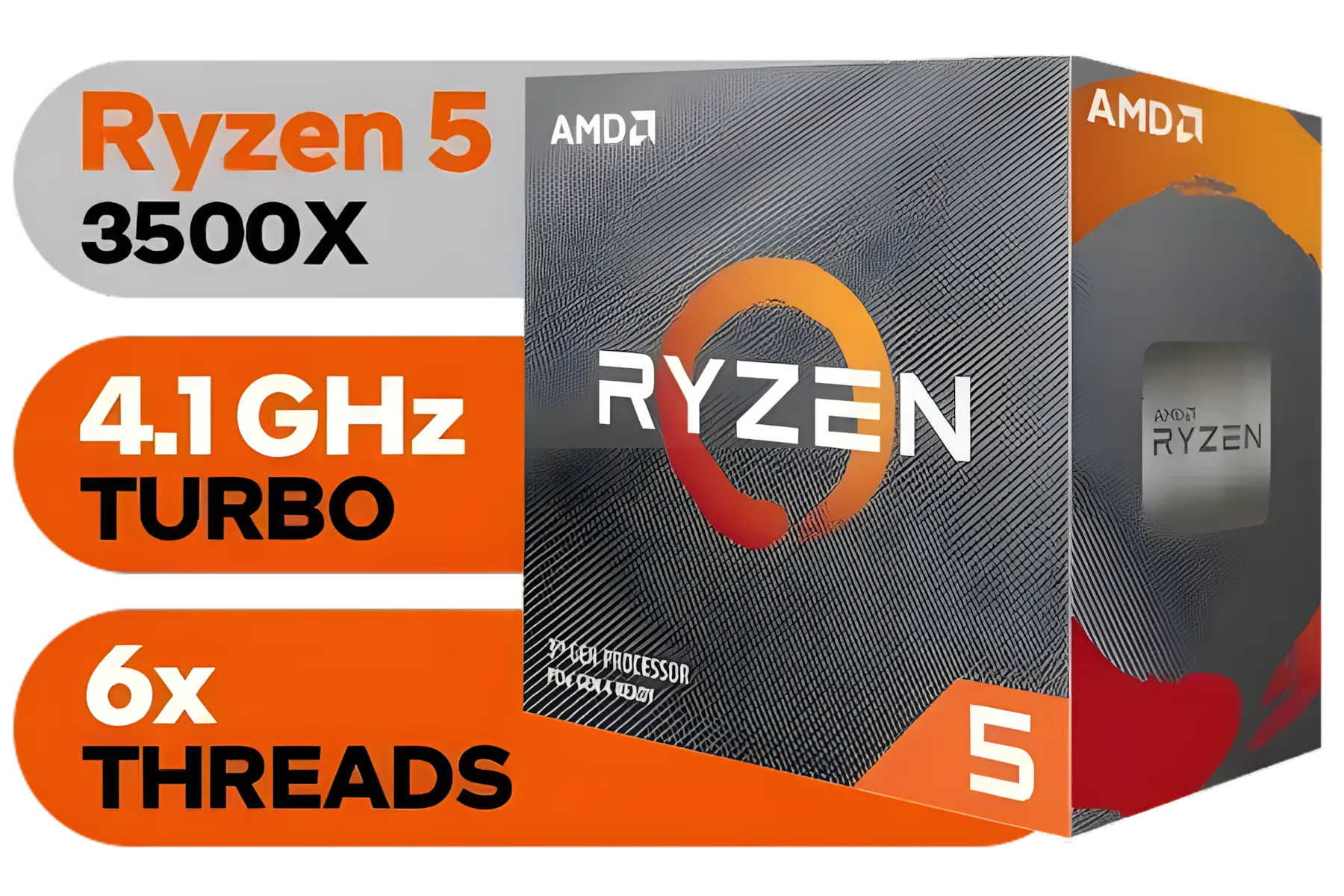
AMD Ryzen 5 3500X Boxed Processor / 6x Cores - 6x Threads / 3.60Ghz Base Clock / Up to 4.10GHz Max Boost Clock / AM4 Socket / 32MB L3 Cache / Discrete Graphics Card Required / 100-100000158BOX
R1699.00In Stock

Intel Core Ultra 5 245K Desktop Processor / 14x (6P + 8E) Cores / 14x Threads / Up to 5.2GHz Turbo Boost / LGA 1851 Series Chipset 159W / Integrated Intel® Graphics / CPU Cooler Not Included / BX80768245K
R7299.00In Stock
Think of your CPU (Central Processing Unit) as the brain of your PC. It handles all the instructions that make your games and apps run. The two most talked-about numbers, cores and clock speed, describe how this brain works. Getting the balance right is key to building a PC that smashes your expectations without smashing your budget.
CPU Cores: The Multitasking Muscle 🔧
Imagine your CPU is a workshop. Each core is a dedicated worker in that workshop.
- A single-core CPU is like having one worker trying to do everything.
- A quad-core CPU has four workers.
- An octa-core CPU has eight workers.
More workers (cores) mean your PC can handle more tasks at the same time. This is crucial for modern computing. While you’re gaming, your PC is also running Discord, your browser, and background system processes. More cores help juggle all these tasks smoothly, preventing stutters and lag.
Clock Speed (GHz): The Raw Pace ⚡
Clock speed, measured in gigahertz (GHz), is how fast each of those workers can complete a task. A 3.5 GHz CPU completes 3.5 billion cycles per second. A 5.0 GHz CPU completes 5 billion.
A higher clock speed generally means better performance in tasks that rely on a single core to do the heavy lifting. Many games, especially older titles or competitive esports games, still lean heavily on the performance of one or two cores to achieve maximum frame rates.
The Big Question: Cores vs Clock Speed for Gaming?
So, what’s the final answer for a gamer? Do you want more workers or faster workers? A few years ago, the answer was simple: faster was always better. But modern games have changed the rules.
Today, the debate of cores vs clock speed is all about balance. A CPU with 16 slow cores won’t give you a great gaming experience, and neither will a dual-core CPU with a lightning-fast clock speed. Modern AAA titles like Baldur's Gate 3 and Alan Wake 2 are designed to use multiple cores. For a smooth, high-fidelity experience, having at least six strong cores is the new standard. Finding the right balance in modern CPU processors is the secret to a powerful and future-proof rig.
TIP FOR YOU
Check Real-World Benchmarks 💡
Spec sheets only tell half the story. Before you buy, search on YouTube for your chosen CPU and the games you play (e.g., "Ryzen 5 7600X Apex Legends benchmark"). This shows you exactly how the processor performs in the real world, cutting through the marketing hype.
Intel Core Ultra 5 245K Desktop Processor / 14x (6P + 8E) Cores / 14x Threads / Up to 5.2GHz Turbo Boost / LGA 1851 Series Chipset 159W / Integrated Intel® Graphics / CPU Cooler Not Included / BX80768245K
R7299.00In Stock
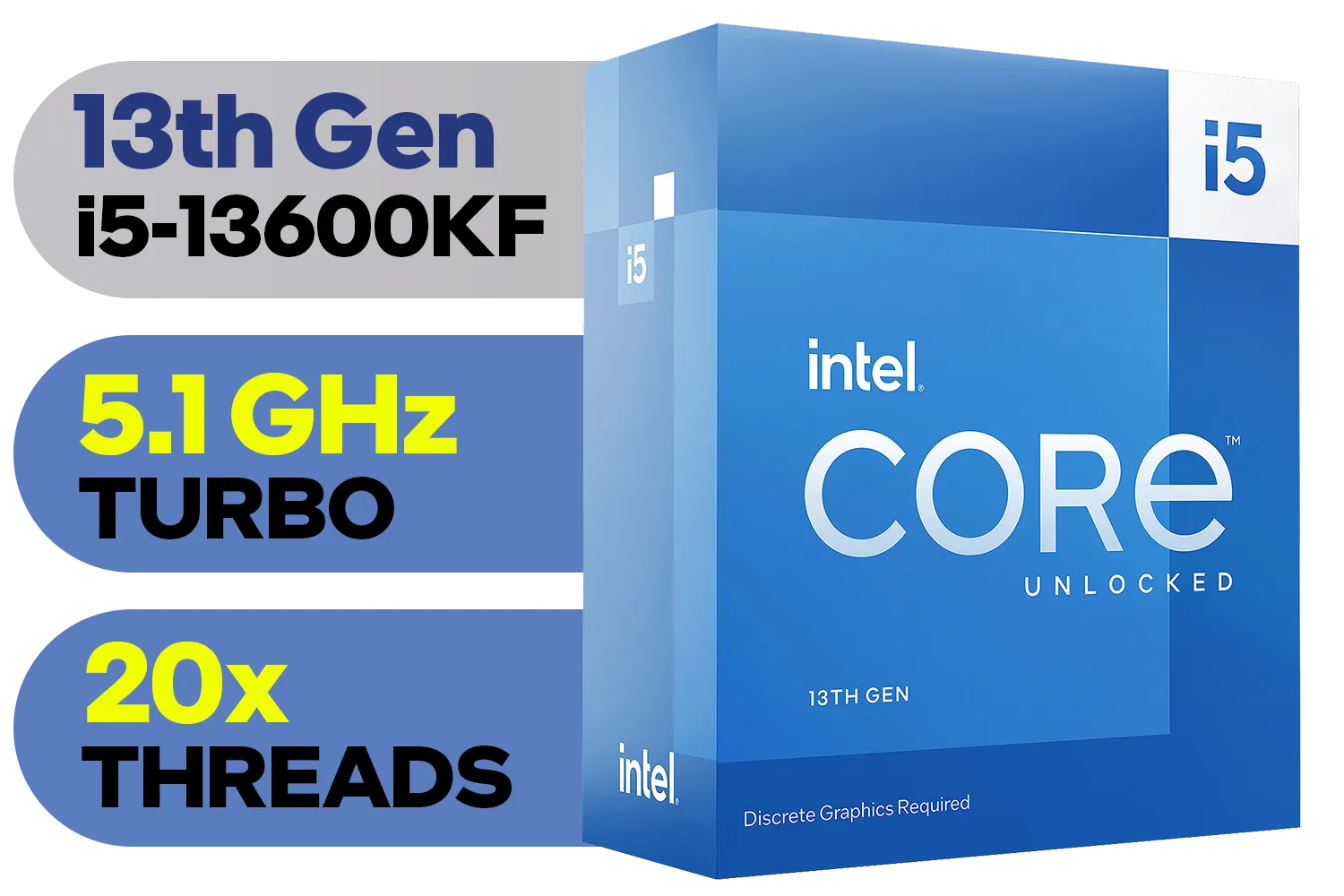
Intel 13th Gen Core i5-13600KF Desktop Processor 14 (6P+8E) Cores up to 5.10 GHz Unlocked LGA1700 Series Chipset 125W / <span style="color: red;" >Discrete Graphics Card Required</span> / BX8071513600KF
R6999.00In Stock
Intel 11th Gen Core i7-11700K Rocket Lake up to 5.0GHz 16MB Cache LGA 1200 95W BX8070811700K Desktop Processor / Intel SpeedStep Technology / Intel Virtualization Technology (VT-x) / Intel® UHD Graphics 750 / Require 500 Series Chipset MB (Z590,B560,H570)
R7399.00In Stock
Intel Core Ultra 9 285K Desktop Processor / 24x (8P + 16E) Cores / 24x Threads / Up to 5.7GHz Turbo Boost / LGA 1851 Series Chipset 250W / Integrated Intel® Graphics / CPU Cooler Not Included / BX80768285K
R12699.00In Stock

AMD Ryzen 5 3400G Processor with Radeon Vega 11 Graphics / 4x Cores - 8x Threads / 3.7GHz Base Clock - Up to 4.2GHz Max. Boost Clock / 6MB Game Cache / Wraith Spire Cooler Included / Socket AM4 / 65W / YD3400C5FHBOX
R1499.00In Stock
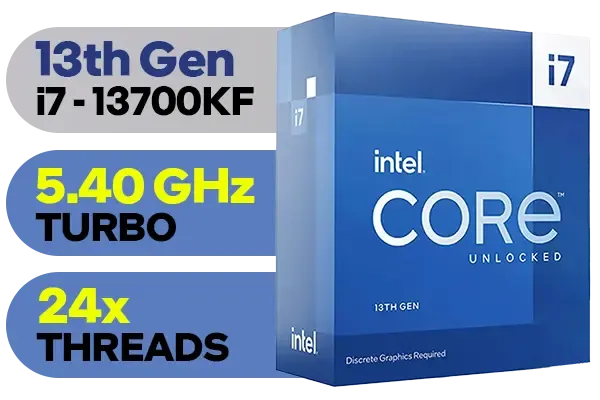
Intel 13th Gen Core i7 13700KF Desktop Processor 16 (8P+8E) Cores up to 5.40 GHz Unlocked LGA1700 Series Chipset 253W / <span style="color: red;" >Discrete Graphics Card Required</span> / BX8071513700KF
R9499.00In Stock
Matching Your Processor to Your Needs
The perfect CPU for you depends entirely on what you plan to do with your PC. Let's look at a couple of common South African gamer profiles.
The Pure Gamer
If your main goal is playing the latest games at high frame rates, you’re in the sweet spot. You don't need a monster 24-core CPU. Instead, look for a processor with 6 to 8 cores and the highest boost clock speed your budget allows. This combination provides fantastic gaming performance and is more than capable of handling everyday tasks. You can find excellent options among the latest Intel CPUs. Equally, it's worth checking out AMD's offerings, which often provide incredible performance-per-Rand.
The Gamer & Streamer (or Creator) 🚀
Do you want to stream your Warzone victories on Twitch or edit your gameplay clips for YouTube? This is where a higher core count becomes essential. Each extra task—streaming software, recording, video rendering—can be assigned to its own core, leaving other cores free to focus on running the game.
For this kind of heavy multitasking, stepping up to a CPU with 12 cores or more is a wise investment. A multi-threaded powerhouse like an AMD Ryzen 9 can handle this workload without breaking a sweat. Similarly, for top-tier creative work and gaming, a chip like an Intel Core Ultra 9 delivers incredible performance for the most demanding users.
The Final Verdict: How to Choose Your First Processor
Ultimately, there is no simple winner in the CPU cores vs clock speed showdown. The best choice is the one that fits your personal needs and budget.
- For most gamers: Prioritise a healthy balance. A modern 6 or 8-core CPU with a high boost clock speed is the perfect foundation for a killer gaming rig.
- For streamers and creators: Prioritise a higher core count to ensure smooth performance while juggling multiple demanding applications.
Armed with this knowledge, you can now look at a spec sheet and understand exactly what you’re getting for your money. Happy building!
Ready to Power Up Your Rig? The cores vs clock speed debate is easier to solve when you know what you need. Evetech makes it simple to find the perfect CPU for your budget and your dream build in South Africa. Explore our massive range of CPUs and find the brain for your new beast today.
Related Products
Intel 14th Gen Core i3-14100 Desktop Processor 4(4P+0E) Cores up to 4.70GHz Unlocked LGA1700 Series Chipset 60W / BX8071514100
R3449.00In Stock

Intel Core Ultra 7 265K Processor / 20x (8P + 12E) Cores / 20x Threads / Up to 5.5GHz Turbo Boost / LGA 1851 Series Chipset 159W / Integrated Intel® Graphics / CPU Cooler Not Included / BX80768265K
R6999.00In Stock
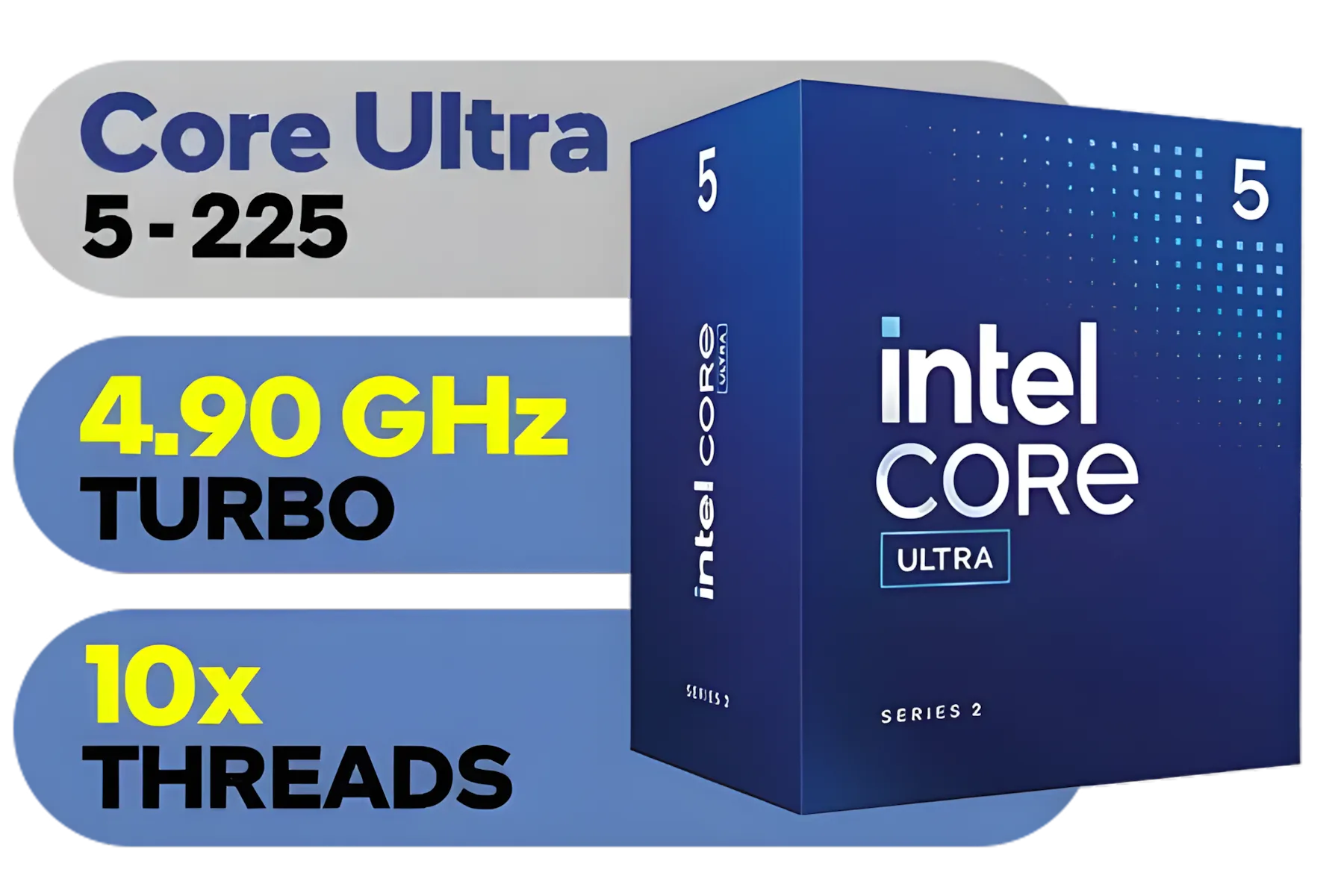
Intel Core Ultra 5 225 Processor / 10x (6P + 4E) Cores / 10x Threads / Up to 4.9GHz Turbo Boost / LGA 1851 Series Chipset 121W / AI Accelerator Technology / Integrated Graphics / BX80768225
R3999.00In Stock

AMD Ryzen 9 9900X 12-Core 24-Threads 4.4GHz (5.6GHz Max Boost) Socket AM5 120W Desktop Processor / Zen 5 Architecture / AMD Radeon™ Graphics / Cooler Not Included / 100-100000662WOF
R9299.00In Stock
AMD Ryzen 5 3400G Processor with Radeon Vega 11 Graphics / 4x Cores - 8x Threads / 3.7GHz Base Clock - Up to 4.2GHz Max. Boost Clock / 6MB Game Cache / Wraith Spire Cooler Included / Socket AM4 / 65W / YD3400C5FHBOX
R1499.00In Stock
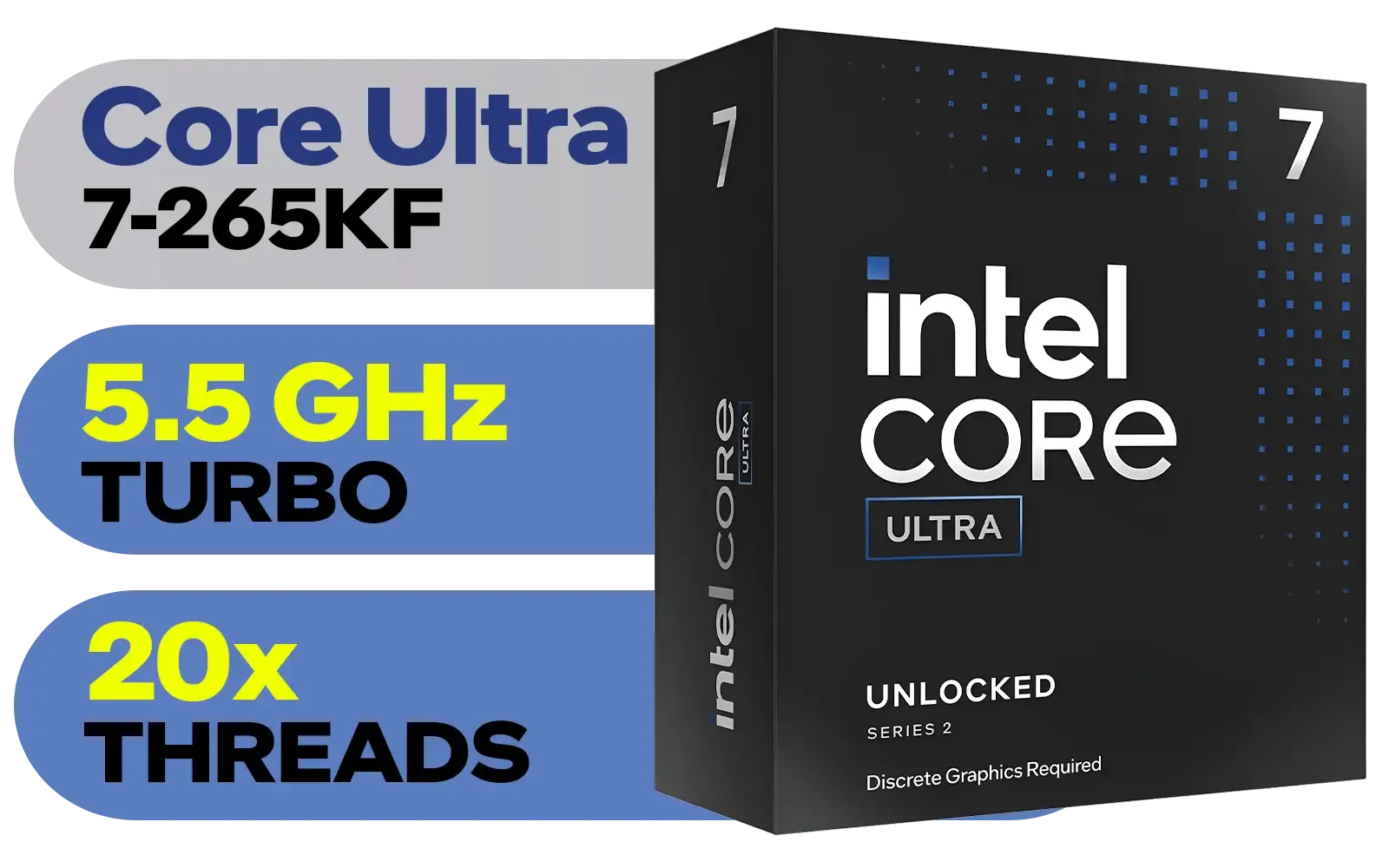
Intel Core Ultra 7 265KF Desktop Processor / 20x (8P + 12E) Cores / 20x Threads / Up to 5.5GHz Turbo Boost / LGA 1851 Series Chipset 159W / Discrete Graphics Required / CPU Cooler Not Included / BX80768265KF
R6899.00In Stock
For gaming, higher clock speed often wins. However, for video editing and multitasking, having more cores is generally superior for total performance.
Most modern AAA games require at least 6 cores. For optimal performance and streaming, an 8-core processor is the sweet spot for future-proofing your rig.
Yes, clock speed directly impacts FPS, especially in games that rely heavily on single-core performance. Higher GHz usually results in smoother gameplay.
A base clock speed of 3.5 GHz to 4.0 GHz is standard. Boost speeds exceeding 5.0 GHz offer top-tier performance for competitive gaming scenarios.
Cores are physical processing units, while threads are virtual components managing tasks. More threads allow better multitasking efficiency on your CPU.
If you primarily game, prioritize single-core performance and clock speed. Creative workloads like rendering benefit significantly more from multi-core capabilities.