Gaming Resolution Performance: How Resolution Impacts FPS
Gaming resolution performance shapes FPS, input lag, and GPU load — learn how 1080p, 1440p and 4K affect play and how to optimize settings. 🎮⚡
|
Loading tags...
So, you've got a killer gaming setup, but you're facing the classic dilemma every South African gamer knows... cranking up the graphics for those breathtaking visuals, only to see your frame rate plummet. What gives? The answer often lies in one crucial setting: resolution. Understanding gaming resolution performance is the secret to unlocking your PC's true potential. It’s all about how resolution impacts FPS, and finding that perfect balance can completely transform your gameplay from a stuttering mess to a buttery-smooth victory.
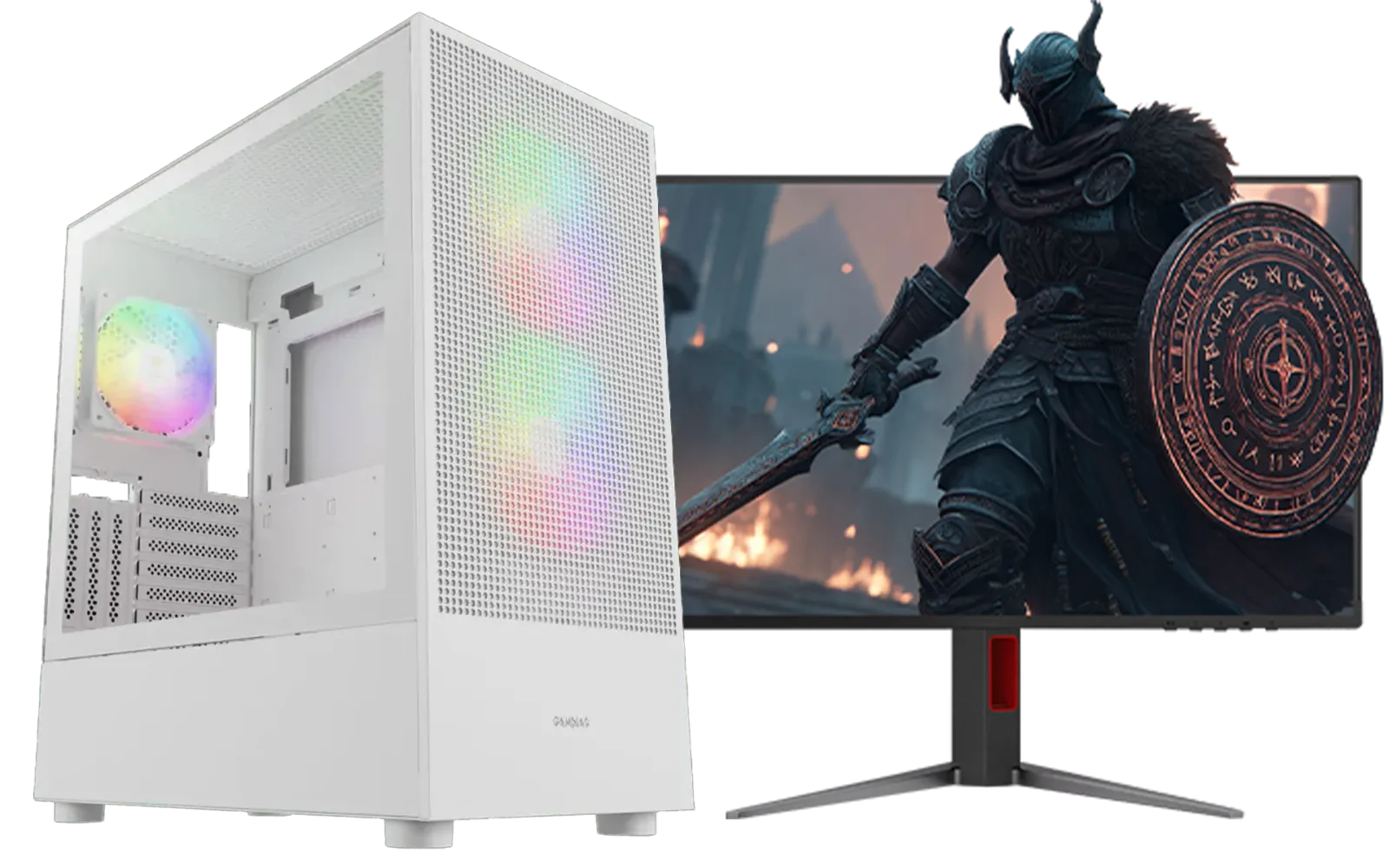
Intel Core Ultra 5 225F 4.9GHz RTX 3050 6GB DDR5 Gaming PC
R16274.00In Stock
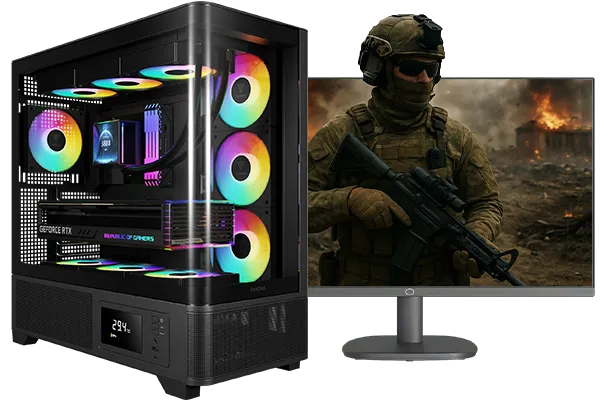
AMD RYZEN 5 8400F 4.7GHz RTX 5060 8GB DDR5 Budget Gaming PC
R17534.00In Stock
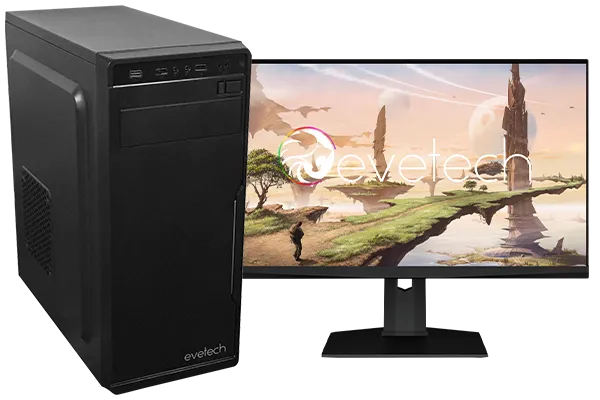
AMD RYZEN 5 3400G 4.2GHz Radeon Vega PC
R5879.00In Stock
![[Pre Built] AMD Ryzen 7 9800X3D RX 9070 XT Gaming PC](https://img.evetech.co.za/repository/ProductImages/ryzen-7-9800-x-3-d-rx-9070-xt-gaming-pc-48-gb-main-1600px-v1.webp)
[Pre Built] AMD Ryzen 7 9800X3D RX 9070 XT Gaming PC
R67199.00In Stock

Intel Core Ultra 5 225F ARC A380 6GB Gaming PC
R14174.00In Stock
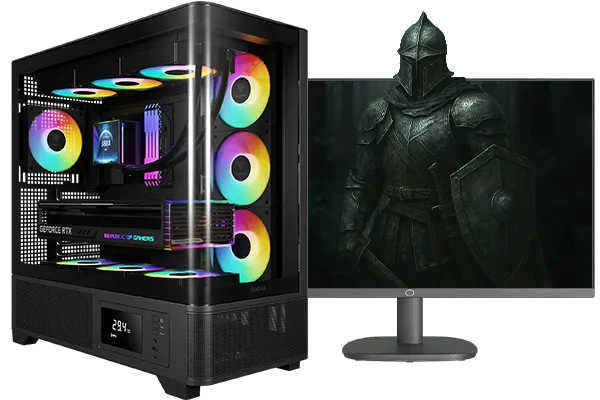
Intel Core Ultra 5 245K 5.2GHz RTX 5060 Ti 16GB DDR5 Gaming PC
R30449.00In Stock
The Pixel Problem: Why Resolution Tanks Your FPS
At its core, resolution is simple: it’s the number of pixels your screen displays, measured as width by height (e.g., 1920x1080). Think of your graphics card (GPU) as an artist. At 1080p, it has to paint just over 2 million pixels for every single frame.
Jump to 1440p, and that number leaps to 3.6 million pixels. At 4K? A staggering 8.3 million pixels. 🤯
Each pixel requires processing power to calculate its colour, lighting, and effects. The more pixels you have, the harder your GPU has to work for every frame it renders. This direct relationship is the cornerstone of gaming resolution performance: higher resolution means more work, which often leads to lower Frames Per Second (FPS).
Finding the Sweet Spot: Resolution vs Performance Tiers
Choosing the right resolution isn't about picking the highest number; it's about matching your hardware to your expectations.
1080p (1920x1080): The Performance King
For competitive gamers, 1080p is still the undisputed champion. It's less demanding on your GPU, allowing you to push for incredibly high frame rates (144+ FPS), which is a massive advantage in fast-paced titles like Valorant or Apex Legends. This resolution is the prime target for budget gaming PCs, delivering a smooth and responsive experience without needing a top-of-the-line graphics card.
1440p (2560x1440): The Modern Sweet Spot ✨
This is where things get interesting. 1440p, or QHD, offers a significant leap in visual clarity and sharpness over 1080p without the punishing performance cost of 4K. For many gamers, this is the perfect middle ground, providing gorgeous visuals in AAA titles like Cyberpunk 2077 or Baldur's Gate 3 while maintaining a smooth 60+ FPS. Many of our most popular pre-built PC deals are optimised for this fantastic resolution.
Ryzen 5 9600X 5.4GHz RTX 5060 8GB DDR5 Budget Gaming PC
R21524.00In Stock
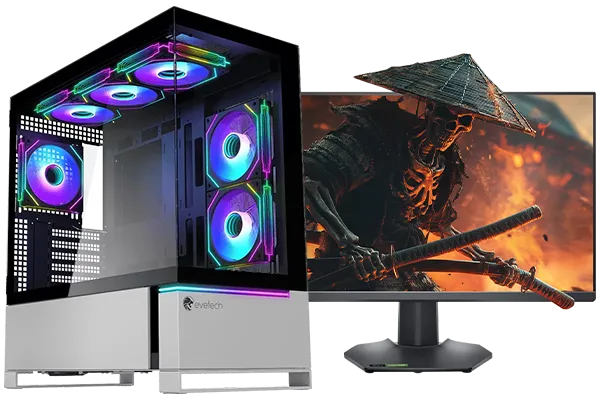
RYZEN 7 9700X 5.5GHz RTX 5070 12GB DDR5 Gaming PC
R34334.00In Stock
![[Pre Built] HP OMEN 35L B1ZR4EA Intel Core Ultra 7 265K RTX 4080 SUPER Gaming PC](https://img.evetech.co.za/repository/ProductImages/intel-core-ultra-7-265-k-rtx-4080-super-gaming-pc-pbs-main-1600px-v1.webp)
[Pre Built] HP OMEN 35L B1ZR4EA Intel Core Ultra 7 265K RTX 4080 SUPER Gaming PC
R49349.00In Stock
RYZEN 5 9600X 5.2GHz A400 4GB DDR5 Workstation PC
R18164.00In Stock
Intel Core Ultra 5 225F ARC A380 6GB Gaming PC
R14174.00In Stock
Intel Core Ultra 7 265K 5.5GHz RX 9070 XT 16GB DDR5 Gaming PC
R40109.00In Stock
4K (3840x2160): The Cinematic Powerhouse
4K is all about visual fidelity. The level of detail is simply unmatched, making single-player, story-driven games feel incredibly immersive. However, this cinematic experience comes at a steep price. To achieve playable frame rates at 4K with high settings, you’ll need a seriously powerful GPU. This is the domain of high-end rigs, typically found in builds above the R20k mark, where performance can finally catch up to the pixel count.
TIP FOR YOU
Performance Pro Tip 🚀
graphics cards from NVIDIA (DLSS) and AMD (FSR) have a secret weapon: upscaling technology. This renders your game at a lower internal resolution and then uses AI to intelligently upscale it to your target resolution (like 1440p or 4K). The result? You get a massive FPS boost with minimal loss in visual quality. Always enable it in your game settings for the best of both worlds!
Optimising Your Gaming Resolution Performance
Ultimately, the best gaming resolution performance for you depends on a few things:
- Your Monitor: There's no point running a game at 4K if your monitor is only 1080p. Match your resolution to your display's native capabilities.
- Your GPU: Be realistic about what your graphics card can handle. A mid-range card will shine at 1080p or 1440p but will struggle at 4K.
- Your Games: Are you playing competitive shooters where every frame counts? Stick to 1080p. Prefer immersive RPGs? Aim for 1440p or 4K if your rig is up to it.
![[Pre Built] AMD RYZEN 9 9900X RX 9070 XT Gaming PC](https://img.evetech.co.za/repository/ProductImages/ryzen-9-9900-x-rx-9070-xt-gaming-pc-pbs-main-1600px-v1.webp)
[Pre Built] AMD RYZEN 9 9900X RX 9070 XT Gaming PC
R42524.00In Stock
AMD RYZEN 7 5700 RTX Pro 2000 Workstation PC
R26669.00In Stock
![[Pre Built] AMD RYZEN 9 9900X RTX 5070 Ti Gaming PC](https://img.evetech.co.za/repository/ProductImages/ryzen-9-9900-x-rtx-5070-ti-gaming-pc-pbs-main-1600px-v1.webp)
[Pre Built] AMD RYZEN 9 9900X RTX 5070 Ti Gaming PC
R44729.00In Stock
Ryzen 7 9700X 5.5GHz RTX 5060 Ti 16GB DDR5 Gaming PC
R29399.00In Stock
Intel 14th Gen Core i3 14100F 4.7GHz GT 710 2GB PC
R9869.00In Stock
RYZEN 5 9600X 5.2GHz ARC B580 12GB DDR5 Gaming PC
R21419.00In Stock
Finding the right balance is a personal journey, but it always starts with the right hardware. Even if you're working with a specific budget, a well-configured PC under R20k can be a 1080p monster. For those looking to get the absolute most out of their setup, exploring the best gaming PC deals is the first step towards achieving that perfect blend of beauty and speed.
Ready to Boost Your FPS? The struggle between resolution and performance is real, but the right hardware makes all the difference. Stop compromising and start conquering. Explore our incredible range of custom-built Gaming PCs and find the perfect machine for your playstyle.
Related Products

RYZEN 9 9900X 5.6GHz RTX 5070 Ti 16GB DDR5 Gaming PC
R41369.00In Stock
Intel Core Ultra 7 265K RTX Pro 2000 DDR5 Workstation PC
R39689.00In Stock
Intel Core Ultra 5 225F ARC A380 6GB Gaming PC
R14174.00In Stock
Intel Core Ultra 7 265K 5.3GHz RTX 5070 12GB DDR5 Gaming PC
R30344.00In Stock
[Pre Built] HP OMEN 35L B1ZR4EA Intel Core Ultra 7 265K RTX 4080 SUPER Gaming PC
R49349.00In Stock
AMD RYZEN 7 9800X3D RTX Pro 4500 DDR5 Workstation PC
R78644.00In Stock
Higher resolution increases GPU workload and can lower FPS; comparing 1080p vs 1440p gaming performance shows typical frame drops.
Yes. Lowering resolution reduces pixel rendering load and often boosts FPS—use resolution scaling or target 1080p for smoother play.
4K gives superior visuals but demands a powerful GPU; expect lower FPS versus 1440p or 1080p unless you use DLSS or FSR upscaling.
Higher resolution raises GPU utilization, increasing temperature and power draw; better cooling or lower resolution reduces thermal strain.
For competitive play prioritize frame rate; for immersive single-player prioritize resolution. Balance with settings and upscaling tech.
Yes. DLSS and FSR boost gaming resolution performance by rendering at lower resolution and upscaling with minimal quality loss.
Monitor resolution sets target pixels to render; a 4K display forces the GPU to render more pixels than 1080p, lowering FPS.
Run tests at 1080p, 1440p, and 4K, record FPS and GPU usage, and test DLSS/FSR to measure resolution scaling performance.