PC Specs for Local AI: Hardware Guide for LLMs & Deep Learning
Wondering about the best **PC specs for local AI**? We break down the critical GPU VRAM, RAM, and storage speed needed to run Llama 3, Stable Diffusion, and deep learning models at home. 🤖 detailed hardware breakdown inside! 🚀
|
Loading tags...
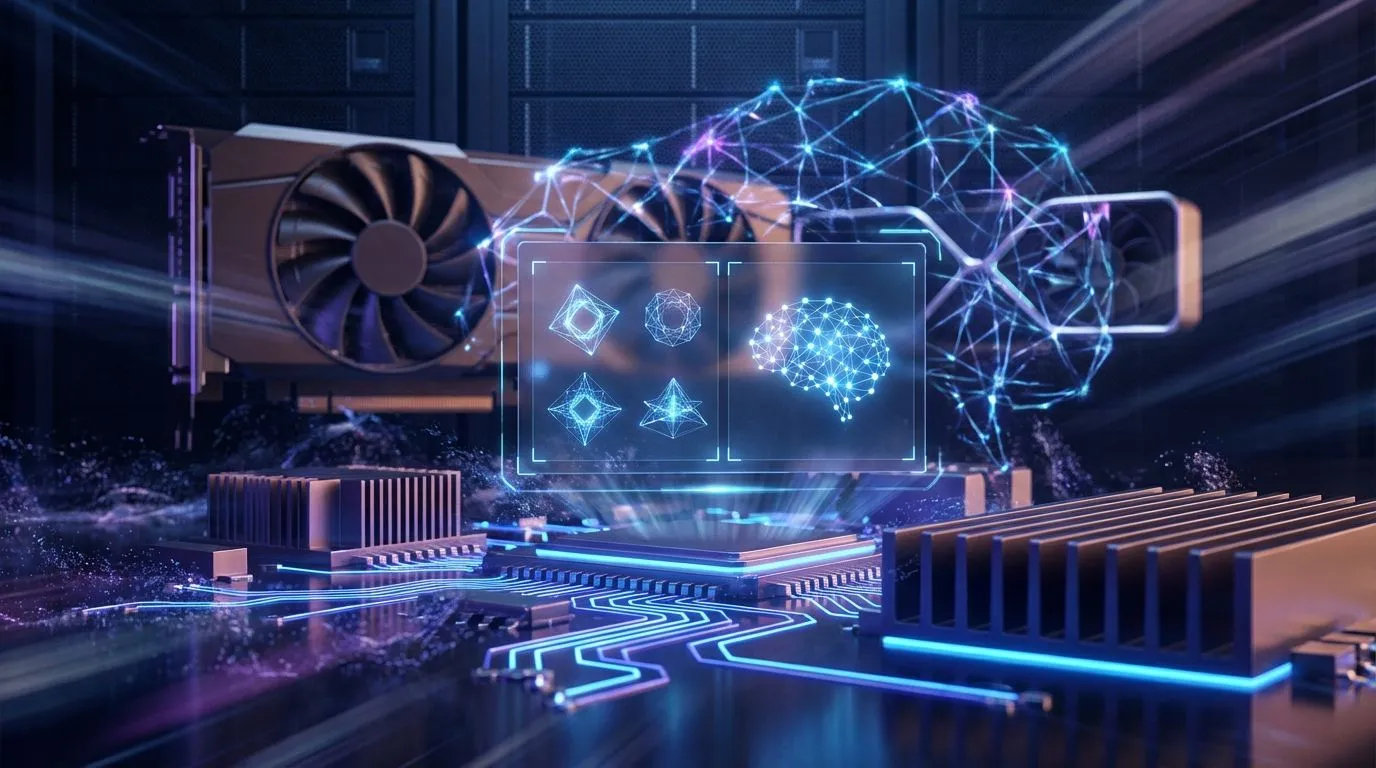
You’ve seen the headlines. AI is writing code, creating unbelievable art, and changing how we work. But what if you could harness that power on your own machine, right here in South Africa? Running models like Stable Diffusion or a local LLM offers privacy and control cloud services can’t match. This hardware guide breaks down the essential PC specs for local AI, ensuring you get the right gear without overspending. Let's get you started.
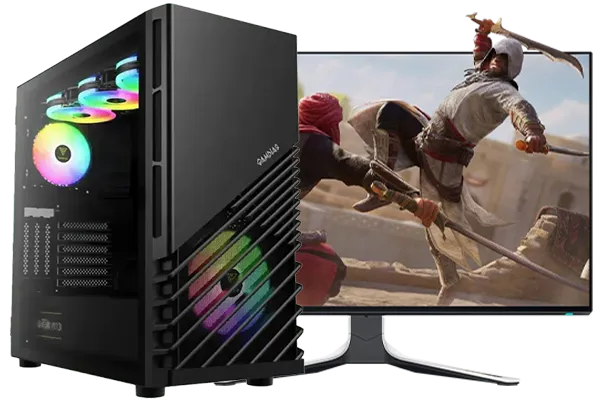
Intel Core Ultra 7 265K 5.3GHz RTX 5060 8GB DDR5 Gaming PC
R30764.00In Stock
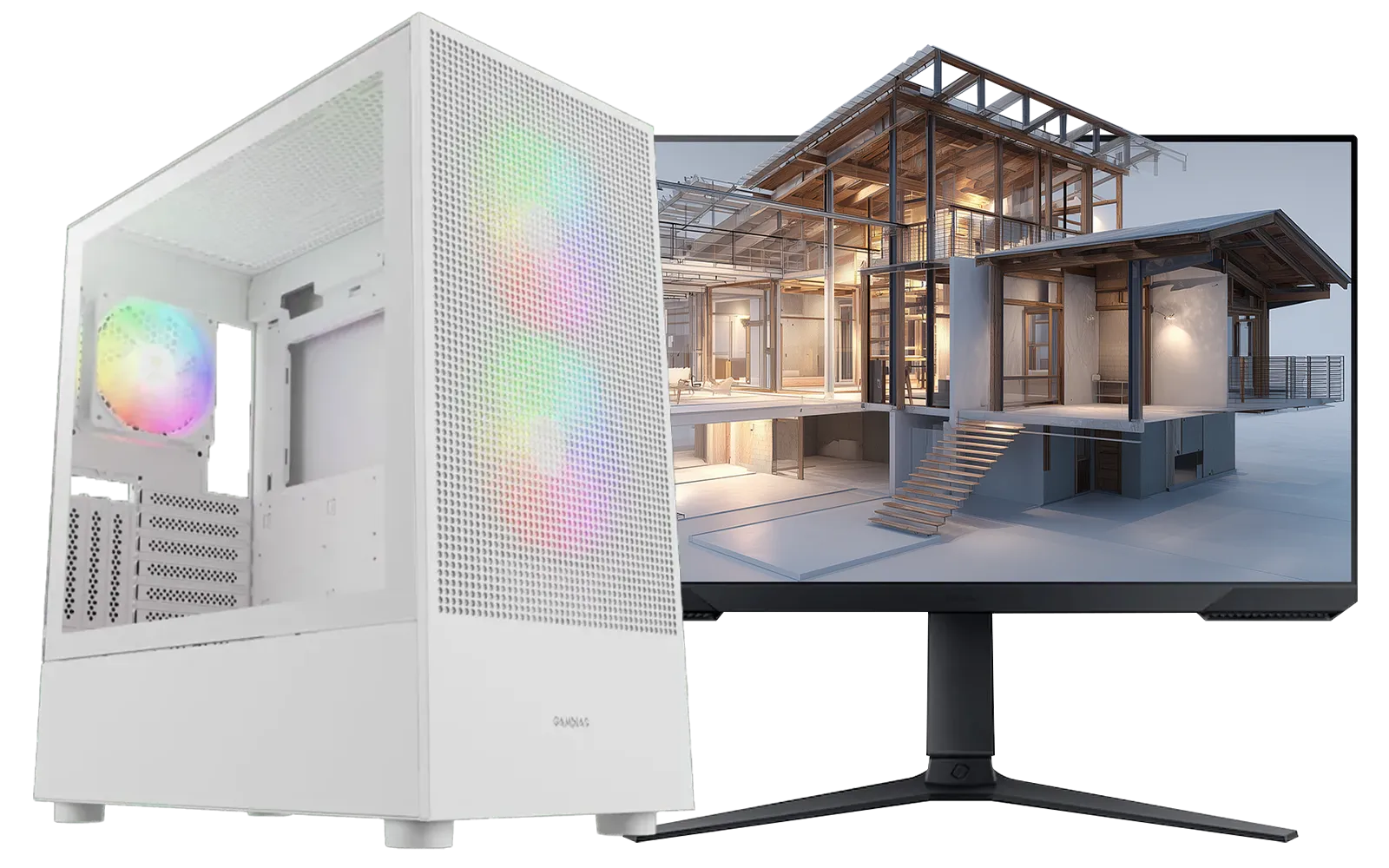
AMD RYZEN 7 5700 4.6GHz A1000 Workstation PC
R18899.00In Stock
![[Pre Built] AMD RYZEN 9 9900X RX 9070 XT Gaming PC](https://img.evetech.co.za/repository/ProductImages/ryzen-9-9900-x-rx-9070-xt-gaming-pc-pbs-main-1600px-v1.webp)
[Pre Built] AMD RYZEN 9 9900X RX 9070 XT Gaming PC
R43574.00In Stock
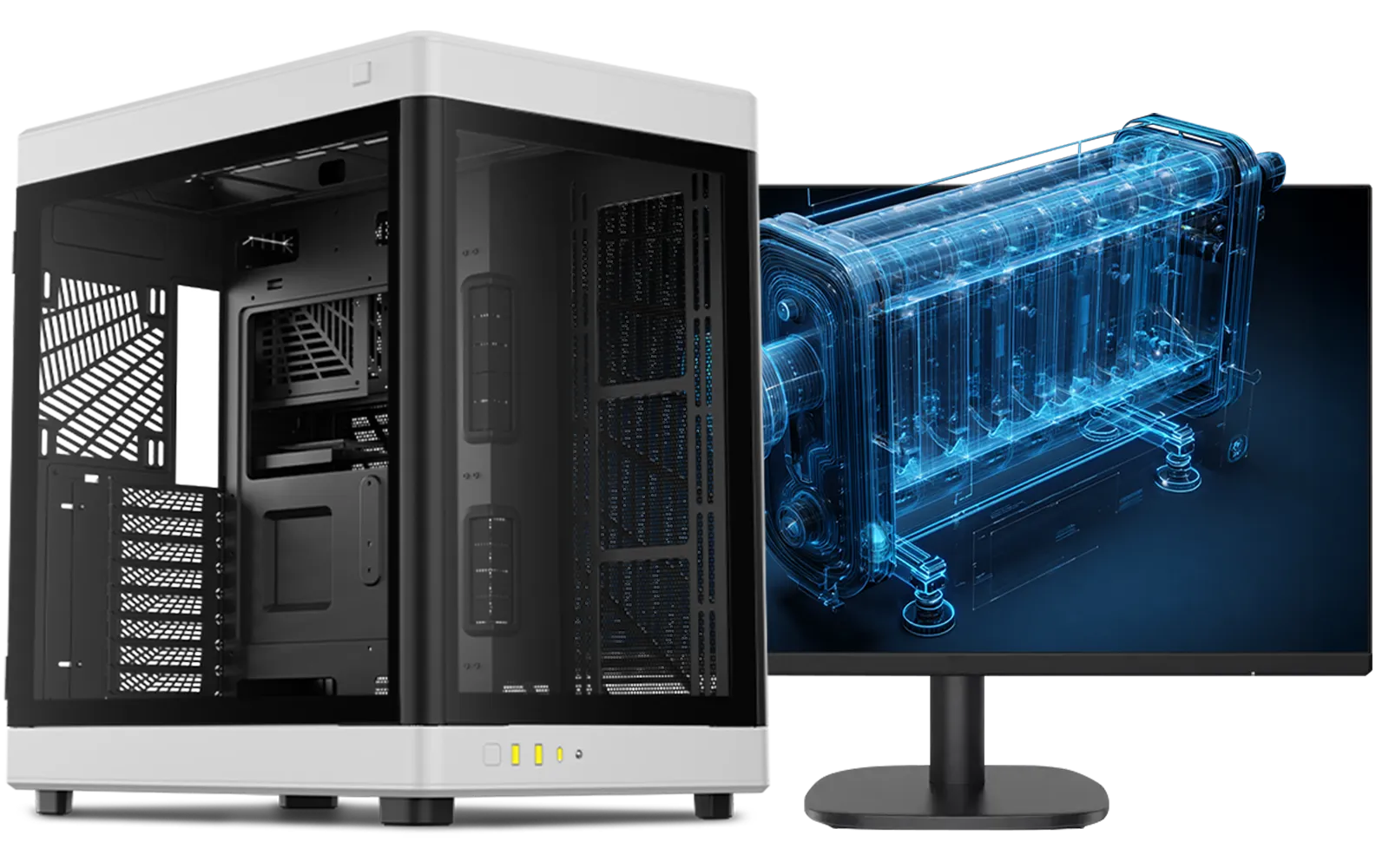
AMD RYZEN 9 9950X 5.7GHz Quadro RTX 5000 Ada 32GB DDR5 Workstation PC
R129779.00In Stock
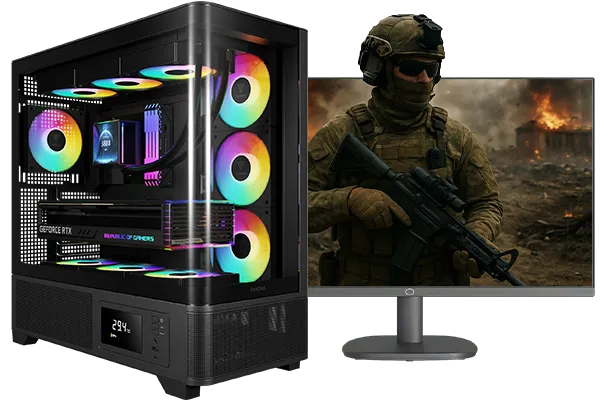
Ryzen 5 9600X 5.4GHz RTX 5060 8GB DDR5 Budget Gaming PC
R22574.00In Stock
![[Pre Built] HP OMEN 35L B1ZR4EA Intel Core Ultra 7 265K RTX 4080 SUPER Gaming PC](https://img.evetech.co.za/repository/ProductImages/intel-core-ultra-7-265-k-rtx-4080-super-gaming-pc-pbs-main-1600px-v1.webp)
[Pre Built] HP OMEN 35L B1ZR4EA Intel Core Ultra 7 265K RTX 4080 SUPER Gaming PC
R49349.00In Stock
The GPU: Your AI Engine 🚀
When it comes to deep learning and running LLMs, your Graphics Processing Unit (GPU) does almost all the heavy lifting. Forget clockspeeds for a moment; the single most important metric is VRAM (Video RAM). Think of VRAM as the GPU's dedicated workspace. If a model is 10GB, you need more than 10GB of VRAM to load and run it effectively.
For this reason, NVIDIA GPUs with their CUDA core architecture are the undisputed champions in the AI space. While AMD is improving, the vast majority of AI software is optimised for CUDA.
- Entry-Level AI: An NVIDIA GeForce RTX 3060 with 12GB of VRAM is a fantastic starting point. It offers enough memory for many popular models without breaking the bank.
- Serious Hobbyist: The RTX 4060 Ti (16GB) or RTX 4070 series provide a significant boost in performance and VRAM, letting you tackle more complex tasks. Many of the best gaming PC deals feature these powerful cards, making them excellent dual-purpose machines.
RYZEN 5 8500G 5.0GHz with Vega Graphics DDR5 PC
R11759.00In Stock
![[Pre Built] AMD Ryzen 7 9800X3D RX 9070 XT Gaming PC](https://img.evetech.co.za/repository/ProductImages/ryzen-7-9800-x-3-d-rx-9070-xt-gaming-pc-48-gb-2-tb-nvme-main-1600px-v1.webp)
[Pre Built] AMD Ryzen 7 9800X3D RX 9070 XT Gaming PC
R71399.00In Stock
AMD RYZEN 7 5700 RTX Pro 2000 Workstation PC
R24884.00In Stock
Intel Core Ultra 7 265K 5.5GHz RX 9070 XT 16GB DDR5 Gaming PC
R40949.00In Stock
Intel Core Ultra 7 265K RTX Pro 4500 DDR5 Workstation PC
R79169.00In Stock
RYZEN 5 9600X 5.2GHz GT 710 2GB DDR5 PC
R15434.00In Stock
System RAM: The Unsung Hero
While the GPU's VRAM holds the AI model, your system RAM is crucial for everything else. It juggles the operating system, the application you're using, and the data you're feeding the model. For AI work, 16GB is the absolute minimum, but 32GB is the realistic sweet spot. It prevents system bottlenecks, ensuring your powerful GPU isn't left waiting for data. If you're serious about this, exploring PCs over R20,000 will typically land you in that comfortable 32GB+ territory.
TIP FOR YOU
VRAM Check Before You Buy 🧠
Before choosing a GPU, check the hardware requirements for the AI models you want to run. Websites like Hugging Face often list the VRAM needed for different model sizes (e.g., 7B, 13B models). This simple check ensures your chosen hardware for LLMs is up to the task from day one.
CPU and Storage: The Support Crew 🔧
Your Central Processing Unit (CPU) and storage might not be the stars of the show, but they play vital supporting roles.
RYZEN 5 9600X 5.4GHz A1000 8GB DDR5 Workstation PC
R25199.00In Stock
Intel 14th Gen Core i3 14100F 4.7GHz ARC A380 6GB Gaming PC
R11549.00In Stock
RYZEN 5 9600X 5.2GHz GT 710 2GB DDR5 PC
R15434.00In Stock
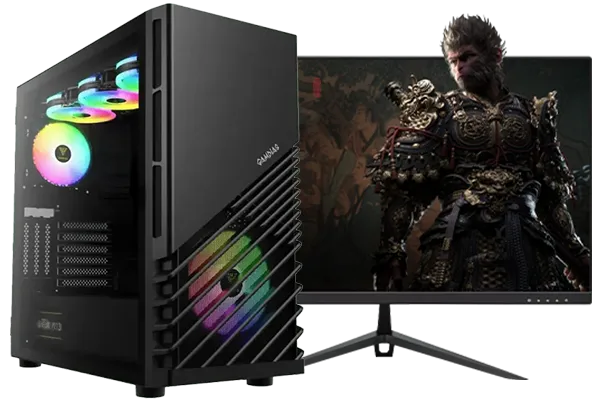
RYZEN 5 9600X 5.2GHz ARC B580 12GB DDR5 Gaming PC
R22259.00In Stock
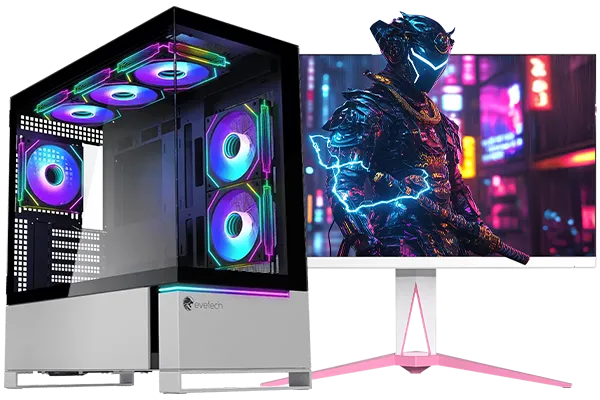
RYZEN 7 7800X3D 5.0GHz RTX 5060 Ti 16GB DDR5 Gaming PC
R27299.00In Stock
[Pre Built] AMD Ryzen 7 9800X3D RX 9070 XT Gaming PC
R71399.00In Stock
CPU (Processor)
The CPU isn't doing the core AI calculations, but it handles data preparation, loading tasks, and overall system responsiveness. You don't need a top-of-the-line processor. A modern 6-core CPU like an AMD Ryzen 5 or Intel Core i5 is more than enough to keep your AI workflow running smoothly.
Storage
Speed is everything. Models and datasets can be massive, and loading them from a slow hard drive is painful. A fast NVMe SSD is non-negotiable. It drastically cuts down load times, getting you from idea to result much faster. Aim for at least a 1TB NVMe drive to start. Many of our well-balanced pre-built PC deals come standard with fast NVMe storage.
![[Pre Built] AMD Ryzen 7 9800X3D RTX 5070 Ti Gaming PC](https://img.evetech.co.za/repository/ProductImages/amd-ryzen-7-9800-x-3-d-rtx-5070-ti-gaming-pc-pbs-main-1600px-v1.webp)
[Pre Built] AMD Ryzen 7 9800X3D RTX 5070 Ti Gaming PC
R51134.00In Stock
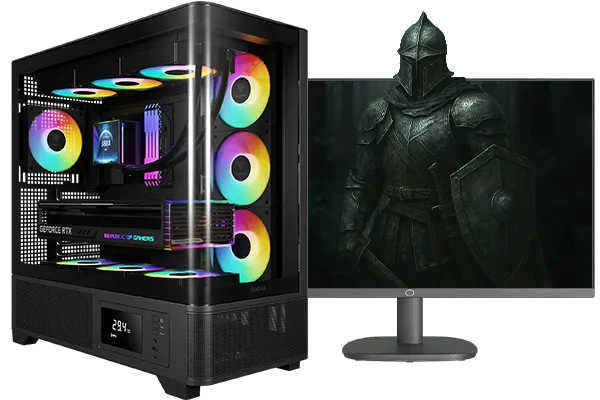
Intel Core Ultra 5 245K 5.2GHz RTX 5060 Ti 16GB DDR5 Gaming PC
R30659.00In Stock
AMD RYZEN 7 5700 RTX Pro 2000 Workstation PC
R24884.00In Stock
AMD RYZEN 9 9950X 5.7GHz Quadro RTX 5000 Ada 32GB DDR5 Workstation PC
R129779.00In Stock
![[Pre Built] AMD RYZEN 7 9700X RX 9070 XT Gaming PC](https://img.evetech.co.za/repository/ProductImages/ryzen-7-9700-x-rx-9070-xt-gaming-pc-pbs-main-1600px-v2.png)
[Pre Built] AMD RYZEN 7 9700X RX 9070 XT Gaming PC
R40739.00In Stock
Intel 14th Gen Core i3 14100F 4.7GHz ARC A380 6GB Gaming PC
R11549.00In Stock
Building on a Budget: Your Local AI Starting Point
Getting the right PC specs for local AI doesn't have to cost a fortune. The key is smart allocation. Prioritise your budget on the component that matters most: the GPU with the highest VRAM you can afford. You can often find excellent value in budget gaming PCs, which balance a capable GPU with cost-effective components elsewhere. Even with a tighter budget, exploring powerful PCs under R20k can get you a machine that’s ready for your first steps into the exciting world of local AI.
Ready to Build Your AI Powerhouse? Diving into local AI is one of the most exciting frontiers in tech. With the right hardware, you're not just a user... you're a creator. Explore our massive range of custom and pre-built PCs and find the perfect machine to bring your AI ambitions to life.
Related Products
AMD RYZEN 9 9900X 5.6GHz RTX 4000 Blackwell 24GB DDR5 Workstation PC
R57119.00In Stock

RYZEN 9 9900X 5.6GHz RTX 5070 Ti 16GB DDR5 Gaming PC
R41894.00In Stock
Intel Core Ultra 7 265K 5.3GHz RTX 5060 8GB DDR5 Gaming PC
R30764.00In Stock
RYZEN 7 9800X3D 5.2GHz RTX 5080 16GB DDR5 Gaming PC
R52814.00In Stock
AMD RYZEN 9 9950X 5.7GHz Quadro RTX 5000 Ada 32GB DDR5 Workstation PC
R129779.00In Stock
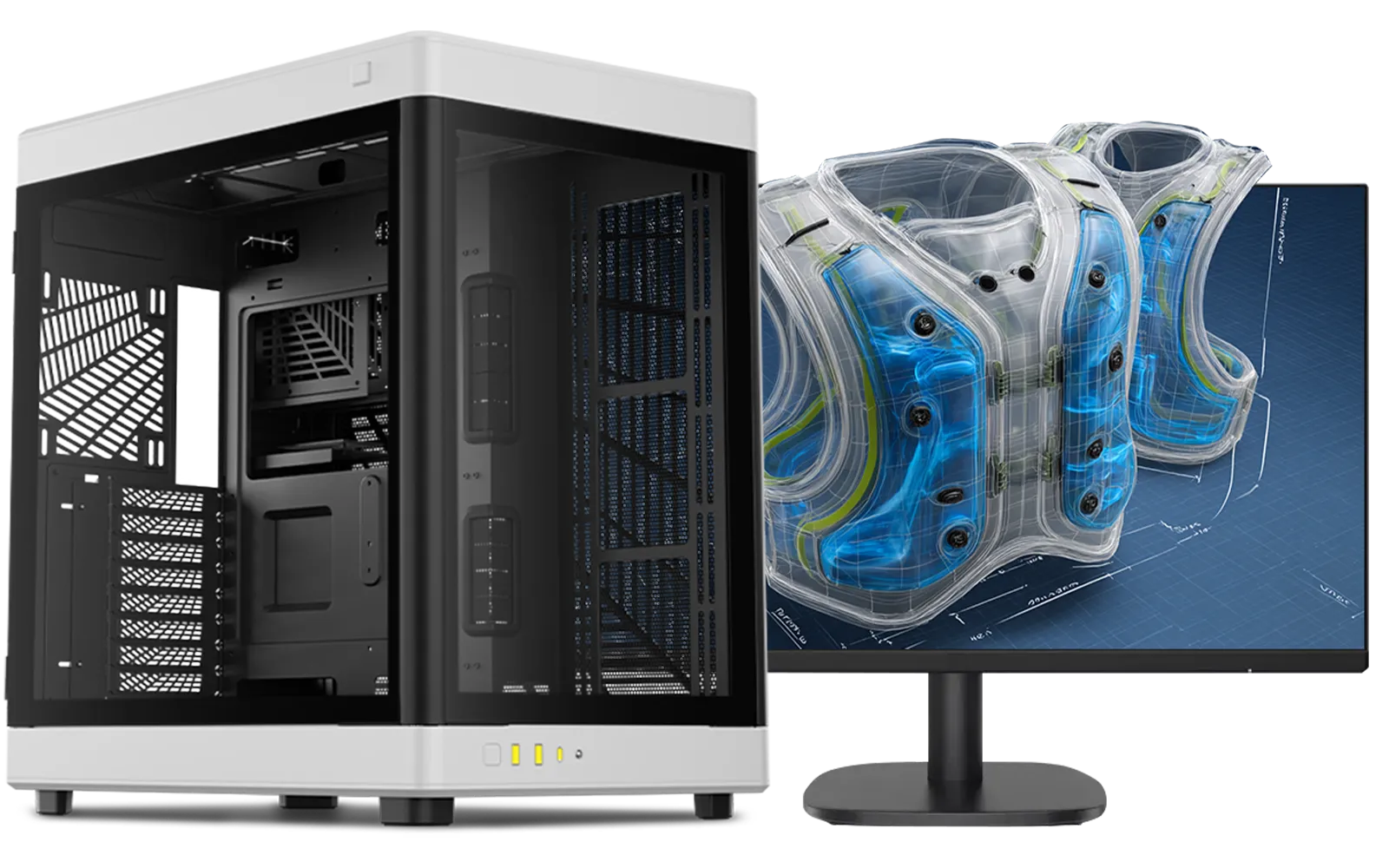
Intel Core Ultra 9 285K 5.7GHz RTX 5000 Ada 32GB DDR5 Workstation PC
R134399.00In Stock
For 8B parameter models, 8GB is the minimum. For larger models like Llama 3 70B, you need 24GB+ VRAM or dual GPUs to load the model efficiently without quantization.
The GPU is critical. Parallel processing and CUDA cores handle tensor operations much faster than CPUs. Always prioritize a powerful NVIDIA GPU for AI tasks.
Aim for at least 32GB DDR5. If you offload model layers to the CPU, 64GB or 128GB is recommended to prevent severe bottlenecks during inference.
Yes, via ROCm, but NVIDIA GPUs with CUDA currently offer significantly better compatibility, optimization, and performance for most open-source AI tools.
The RTX 3060 12GB is a top budget choice due to its high VRAM capacity relative to cost, allowing you to run decent-sized models locally.
Not strictly. While NPUs in newer CPUs help with power efficiency for light tasks, a dedicated GPU with high VRAM is still superior for heavy LLMs and training.