Run DeepSeek Locally in South Africa: PC Success Stories
Curious how to run DeepSeek locally in South Africa? Discover real-world success stories from users who unlocked the power of this advanced AI on their Evetech PCs. Learn about the hardware you need, performance benchmarks, and the benefits of private, offline AI. 🚀 Get started!
|
Loading tags...

Tired of slow, censored, and subscription-based AI? What if you could harness the incredible power of models like DeepSeek right on your own PC, with zero internet lag and total privacy? For tech enthusiasts and gamers across Mzansi, the dream is now a reality. You can run DeepSeek locally in South Africa, turning your gaming rig into a private AI powerhouse. Let's explore the hardware that makes this possible and see some real-world PC success stories. 🚀

AMD RYZEN 5 3600 4.2GHz ARC A380 6GB Gaming PC
R9974.00In Stock
AMD RYZEN 9 9900X 5.6GHz RTX 4000 Blackwell 24GB DDR5 Workstation PC
R57119.00In Stock
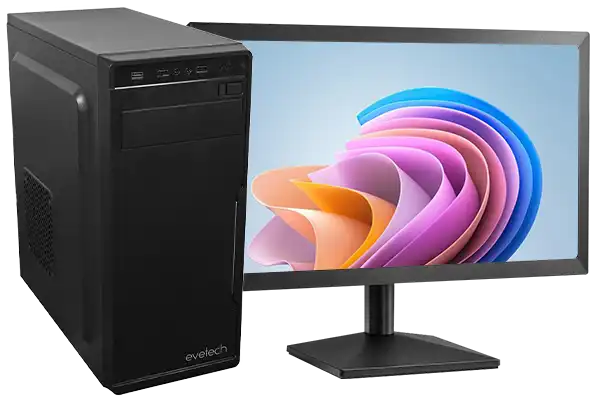
Intel Core Ultra 5 225F 4.9GHz A400 4GB DDR5 Workstation PC
R14699.00In Stock

RYZEN 7 9700X 5.5GHz RX 9070 XT 16GB DDR5 Gaming PC
R38114.00In Stock

RYZEN 9 9900X 5.6GHz RTX 5070 Ti 16GB DDR5 Gaming PC
R41894.00In Stock
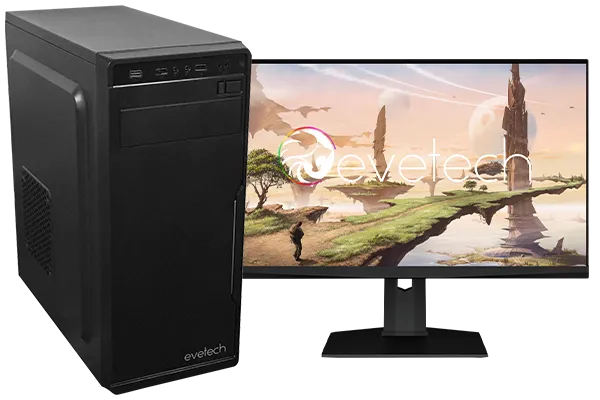
RYZEN 5 8400F 4.7GHz GT 710 2GB DDR5 Workstation PC
R11234.00In Stock
Why Run DeepSeek Locally in South Africa Anyway?
The appeal of running a large language model (LLM) on your own machine goes beyond just bragging rights. It's about control, speed, and privacy. When you run DeepSeek locally, your data never leaves your computer. There are no content filters you don't set yourself, and your prompts aren't used to train some mega-corp's next model.
Imagine a developer in Cape Town fine-tuning a coding model on a proprietary codebase without fear of leaks. Or a writer in Durban generating creative drafts instantly, without waiting for a server halfway across the world to respond. This is the freedom that a local DeepSeek setup provides. It's a significant step up, and surprisingly, even some of our budget-friendly gaming PCs can get you started on smaller models.
![[Pre Built] HP OMEN 35L B1ZR4EA Intel Core Ultra 7 265K RTX 4080 SUPER Gaming PC](https://img.evetech.co.za/repository/ProductImages/intel-core-ultra-7-265-k-rtx-4080-super-gaming-pc-pbs-main-1600px-v1.webp)
[Pre Built] HP OMEN 35L B1ZR4EA Intel Core Ultra 7 265K RTX 4080 SUPER Gaming PC
R49349.00In Stock
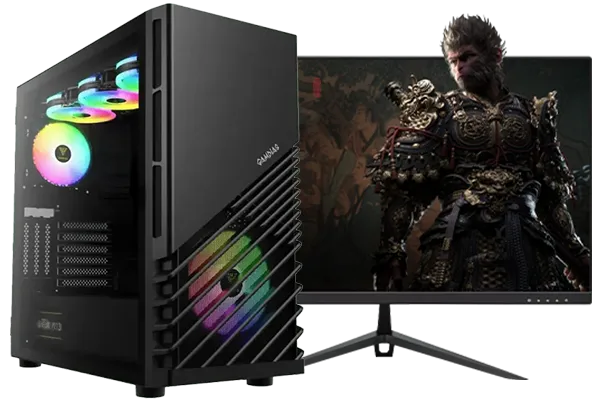
RYZEN 5 9600X 5.2GHz ARC B580 12GB DDR5 Gaming PC
R22259.00In Stock
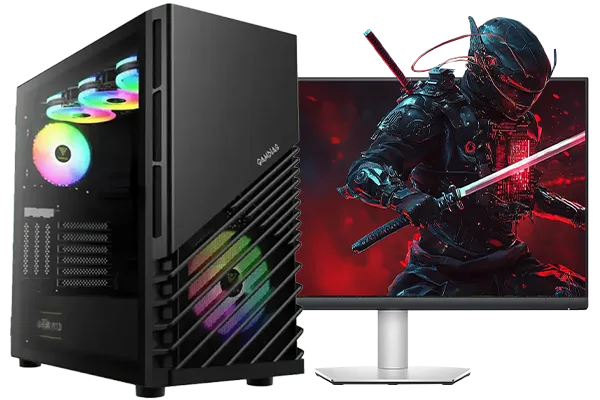
RYZEN 5 7500X3D RTX 5060 DDR5 Gaming PC
R22049.00In Stock
Intel Core Ultra 5 225F ARC A380 6GB Gaming PC
R14699.00In Stock
RYZEN 5 9600X 5.4GHz A1000 8GB DDR5 Workstation PC
R25199.00In Stock
![[Pre Built] Intel Core Ultra 9 285K RTX 5080 Gaming PC](https://img.evetech.co.za/repository/ProductImages/intel-core-ultra-9-285-k-rtx-5080-gaming-pc-48-gb-main-1600px-v1.webp)
[Pre Built] Intel Core Ultra 9 285K RTX 5080 Gaming PC
R78749.00In Stock
The Hardware You Need for Local DeepSeek Success
While the software side is becoming more user-friendly with tools like Ollama and LM Studio, the non-negotiable part is the hardware. Your PC's components, especially the graphics card, will determine which models you can run and how fast they'll perform.
The GPU: Your AI Powerhouse ⚡
The single most important component for running LLMs is your Graphics Processing Unit (GPU) and, more specifically, its Video RAM (VRAM). The model's parameters are loaded into VRAM, so more is always better.
For a model like DeepSeek Coder V2 Lite, you'll want at least 16GB of VRAM for a smooth experience. This is where modern graphics cards truly shine. The current market of NVIDIA GeForce gaming PCs offers excellent options like the RTX 4060 Ti 16GB or the more powerful RTX 4080 SUPER. While NVIDIA's CUDA technology has historically dominated the AI space, don't count out the competition. High-VRAM options from AMD Radeon gaming PCs are becoming increasingly viable, and even the latest Intel Arc gaming PCs offer compelling performance for their price point.
[Pre Built] Intel Core Ultra 9 285K RTX 5080 Gaming PC
R78749.00In Stock
AMD RYZEN 7 5700 4.6GHz A1000 Workstation PC
R18899.00In Stock
RYZEN 5 8400F 4.7GHz GT 710 2GB DDR5 Workstation PC
R11234.00In Stock
RYZEN 9 9900X 5.6GHz RTX 5070 Ti 16GB DDR5 Gaming PC
R41894.00In Stock
AMD RYZEN 7 9800X3D RTX Pro 4500 DDR5 Workstation PC
R79589.00In Stock
Intel Core Ultra 7 265K RTX Pro 2000 DDR5 Workstation PC
R40634.00In Stock
CPU & RAM: The Supporting Cast
While the GPU does the heavy lifting, a powerful CPU and sufficient system RAM are essential for a bottleneck-free operation. A modern multi-core processor ensures the system remains responsive while the GPU is under load. We've seen fantastic results from builds using both our powerful Intel PCs and those featured in our latest AMD Ryzen deals.
For system memory, 32GB of RAM should be your baseline. This gives the operating system and any other applications enough breathing room while the AI model occupies your VRAM.
TIP FOR YOU
VRAM Pro Tip 🔧
Don't have 16GB+ of VRAM? Look for 'quantized' versions of models, often with GGUF or AWQ in their names. Quantization is a process that cleverly shrinks the model's size, allowing it to fit into less VRAM with a minimal performance trade-off. This can be the key to running impressive models on more modest hardware!
PC Success Stories: What Rigs Are Working?
The theory is great, but what does it take in practice? Here in South Africa, we're seeing enthusiasts achieve incredible things. A common success story involves a user with a mid-range gaming PC, often one of our best gaming PC deals, who starts by running smaller, quantized models and gets hooked.
Intel Core Ultra 7 265K 5.5GHz RX 9070 XT 16GB DDR5 Gaming PC
R40949.00In Stock
RYZEN 9 9900X 5.6GHz RTX PRO 6000 96GB DDR5 Next Gen Workstation PC
R211574.00In Stock
RYZEN 5 8500G 5.0GHz with Vega Graphics DDR5 PC
R11759.00In Stock
AMD RYZEN 7 5700 4.6GHz A1000 Workstation PC
R18899.00In Stock
RYZEN 5 8400F 4.7GHz GT 710 2GB DDR5 Workstation PC
R11234.00In Stock
RYZEN 5 7500X3D RTX 5060 DDR5 Gaming PC
R22049.00In Stock
For those serious about development or running the largest open-source models available, the jump to high-end hardware is worth it. We've helped professionals configure dedicated workstation PCs with 64GB of RAM and an NVIDIA RTX 4090 with 24GB of VRAM. This kind of setup can handle almost any publicly available model you throw at it, making it a true local AI supercomputer. Taking the guesswork out of component matching with our pre-built PC deals is often the smartest first step into this exciting world. ✨
Running DeepSeek locally is no longer a futuristic dream... it's a practical and powerful way to leverage AI on your own terms. With the right PC, you can unlock a new level of productivity and creativity, right from your desk in SA.
Ready to Build Your AI Powerhouse? Running AI locally is the next frontier for PC enthusiasts. Whether you're coding, creating, or just exploring, the right hardware is key. Explore our best gaming PC deals and find the perfect machine to run DeepSeek locally in South Africa.
Related Products
![[Pre Built] AMD RYZEN 7 5700 RTX 5060 Gaming PC](https://img.evetech.co.za/repository/ProductImages/ryzen-7-5700-rtx-5060-8gb-gaming-pc-pbs-1600px-v1.webp)
[Pre Built] AMD RYZEN 7 5700 RTX 5060 Gaming PC
R18479.00In Stock
RYZEN 9 9900X 5.6GHz RTX 5070 Ti 16GB DDR5 Gaming PC
R41894.00In Stock
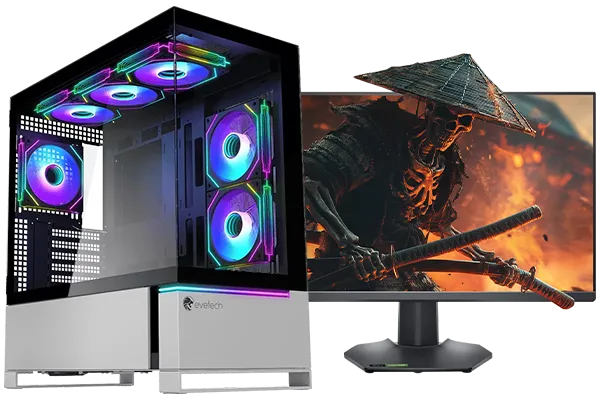
RYZEN 7 9700X 5.5GHz RTX 5070 12GB DDR5 Gaming PC
R34334.00In Stock
RYZEN 5 8400F 4.7GHz GT 710 2GB DDR5 Workstation PC
R11234.00In Stock
Intel Core Ultra 7 265K RTX Pro 4500 DDR5 Workstation PC
R79169.00In Stock
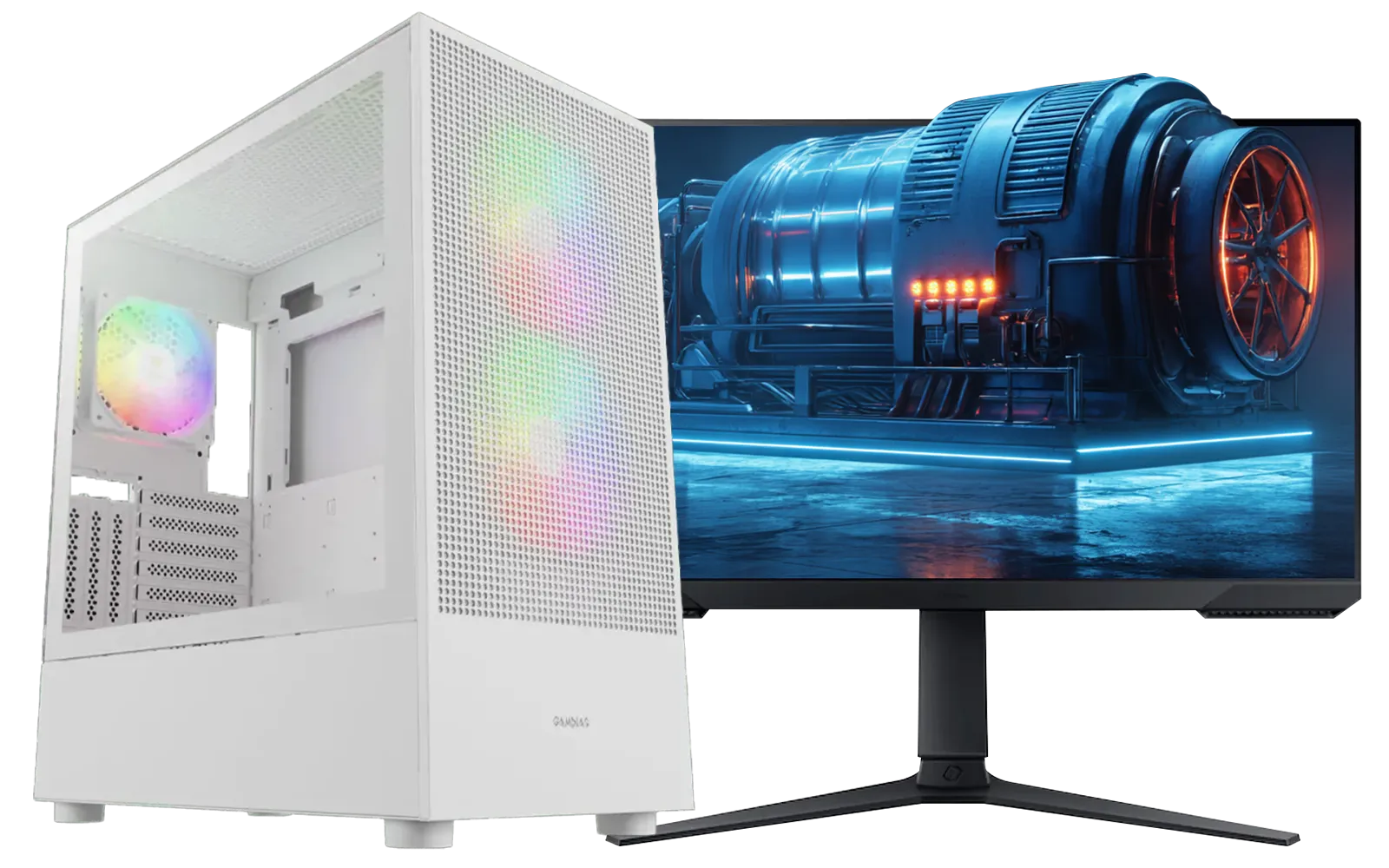
Intel Core Ultra 7 265K 5.3GHz Quadro A1000 8GB DDR5 Workstation PC
R33809.00In Stock
To run DeepSeek models effectively, you'll need a modern PC with a powerful NVIDIA GPU (like an RTX 30 or 40 series) with at least 12GB of VRAM, 32GB of RAM, and a fast NVMe SSD.
Absolutely. Running DeepSeek on your own PC means it works completely offline, ensuring total data privacy and no reliance on internet connectivity once the model is downloaded.
Running AI locally offers significant benefits like complete data privacy, no subscription fees, and instant response times, making it ideal for developers and users with sensitive data.
For running models like DeepSeek, the best GPUs available in South Africa are the NVIDIA RTX 4070 SUPER, 4080 SUPER, and 4090, due to their large VRAM and Tensor Core performance.
Installation is easy with tools like Ollama or LM Studio. Simply download the application, select the DeepSeek model from their library, and the software handles the complete setup.
The main benefits of running AI locally are complete data privacy, zero latency, no API costs or rate limits, and the ability to customize models for specific tasks on your own hardware.