Sim Racing Pedal Stability: Mastering Trail Braking Consistency
Improving sim racing pedal stability is the secret to shaving seconds off your lap times. Discover how rig rigidity impacts trail braking consistency and how to eliminate flex for precision control. 🏎️ Secure your setup for better braking today! 🏁
|
Loading tags...

Ever been on a hot lap around a digital Kyalami, only for your brake pedal to shift just as you dive into the final corner? That tiny slip costs you everything. For serious sim racers in South Africa, mastering techniques like trail braking isn't just about skill… it's about having gear that won’t let you down. True sim racing pedal stability is the unsung hero of consistent, race-winning performance. Let's lock it down. 🚀

Logitech Gaming G29 Driving Force Racing Wheel / For Playstation 3 and Playstation 4 / Dual-Motor Force / Easy-Access Game Controls / 900° Steering / Easy-Access Game Controls / 941-000112
R6299.00In Stock
![[BLACK/PURPLE] Vertagear Racing Series P-Line PL4800 Gaming Chairs / 163KG Weight Limit / Easy Assembly / Adjustable Seat Height / VG-PL4800SE_MP](https://img.evetech.co.za/repository/ProductImages/vertagear-pl4800-gaming-chair-black-purple-1800px-v2.webp)
[BLACK/PURPLE] Vertagear Racing Series P-Line PL4800 Gaming Chairs / 163KG Weight Limit / Easy Assembly / Adjustable Seat Height / VG-PL4800SE_MP
R8199.00In Stock

Logitech G923 TRUEFORCE Sim Racing Wheel for Playstation AND PC. Features next gen force feedback, launch assist control, premium build, RPM indicator, on-wheel controls, progressive brake pedal / 941-000149
R8499.00In Stock
![[BLACK/BLUE] Vertagear Racing Series S-Line SL5800 Gaming Chairs / 113KG Weight Limit / Easy Assembly / Adjustable Seat Height / VG-SL5800SE_MB](https://img.evetech.co.za/repository/ProductImages/vertagear-sl5800-gaming-chair-black-blue-1800px-v002.webp)
[BLACK/BLUE] Vertagear Racing Series S-Line SL5800 Gaming Chairs / 113KG Weight Limit / Easy Assembly / Adjustable Seat Height / VG-SL5800SE_MB
R6999.00In Stock
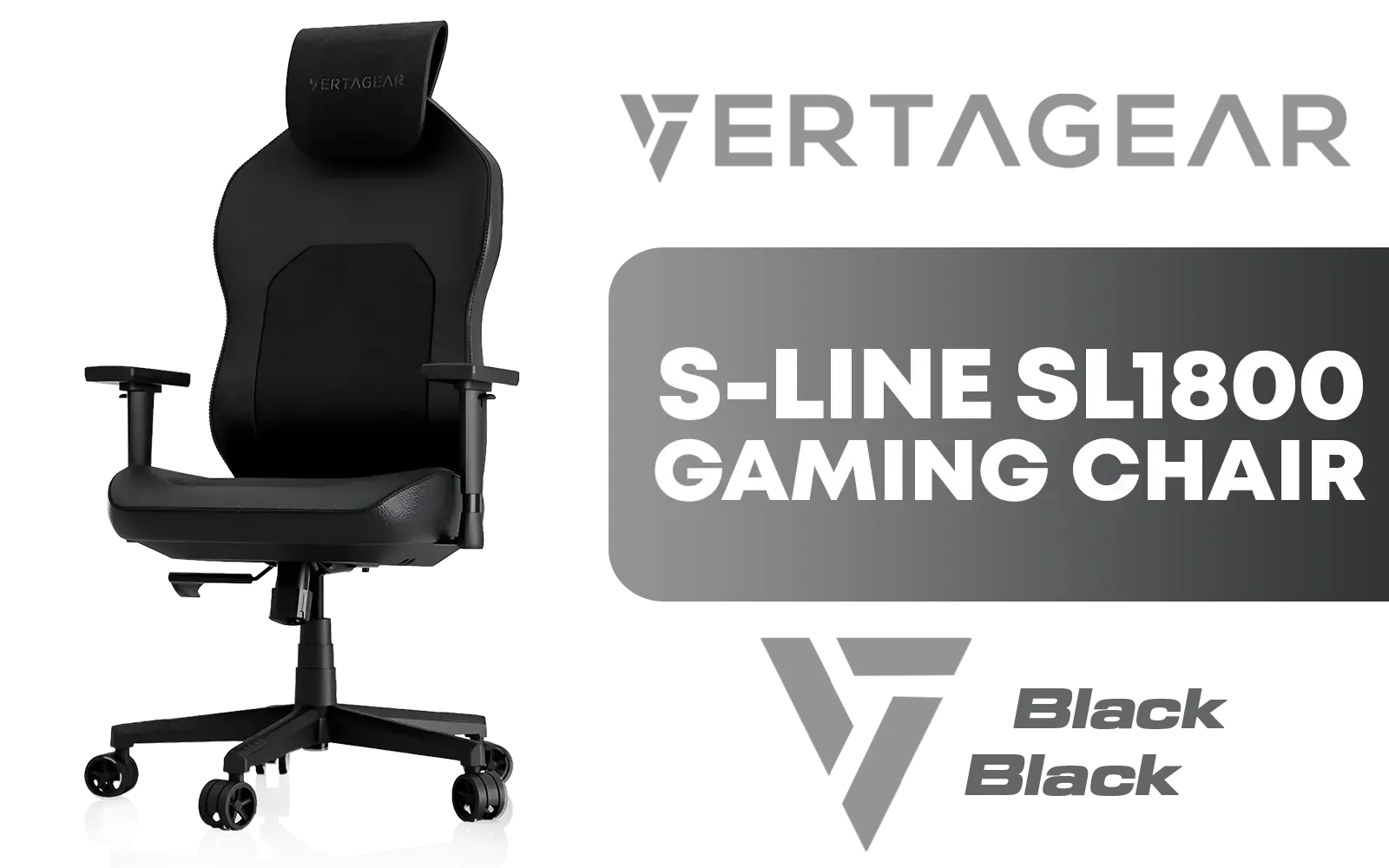
Vertagear Racing Series S-Line SL1800 Office Gaming Chair - Black / VG-SL1800_BK
R4499.00In Stock

Playseat Tv Stand - PRO 3s
R5799.00In Stock
The Bedrock of Your Lap Times: Pedal Stability
Why do pro sim racers obsess over rock-solid setups? It's all about muscle memory. When your pedals are in a slightly different position every time you brake, your brain can't build the precise, subconscious reactions needed for peak performance. You're constantly second-guessing your inputs.
Achieving excellent sim racing pedal stability means every press is predictable. This allows you to modulate the brake with pinpoint accuracy, shaving tenths off your time lap after lap. It's the foundation upon which all advanced driving techniques are built, turning frustrating inconsistencies into reliable speed. A solid base is the first step in any serious sim racing gear journey.
Nailing Down Your Setup: From DIY Fixes to Full Rigs
Before you blame your technique, check your foundation. A wandering pedal set is the most common culprit for inconsistent braking. Fortunately, there are solutions for every budget.
Taming the Floor-Dwelling Pedal Set
If your pedals sit directly on the floor, you've probably experienced the dreaded "pedal creep," especially under heavy braking. Placing them against a wall helps, but it’s not a perfect fix. For carpeted floors, the grippy side of a few Velcro strips can work wonders. On tiles or wood, a simple non-slip rubber mat can drastically improve the situation, giving you a much more stable platform to work with.

Logitech G923 TRUEFORCE Racing Wheel for XBOX AND PC. Features next gen force feedback, launch assist control, premium build, RPM indicator, on-wheel controls, progressive brake pedall / 941-000158
R8999.00In Stock

Playseat Trophy - Logitech G Edition / High-Carbon Steel Frame / Actifit Material / Ultimate Flexibility / G00320
R14599.00In Stock
Logitech G923 TRUEFORCE Sim Racing Wheel for Playstation AND PC. Features next gen force feedback, launch assist control, premium build, RPM indicator, on-wheel controls, progressive brake pedal / 941-000149
R8499.00In Stock
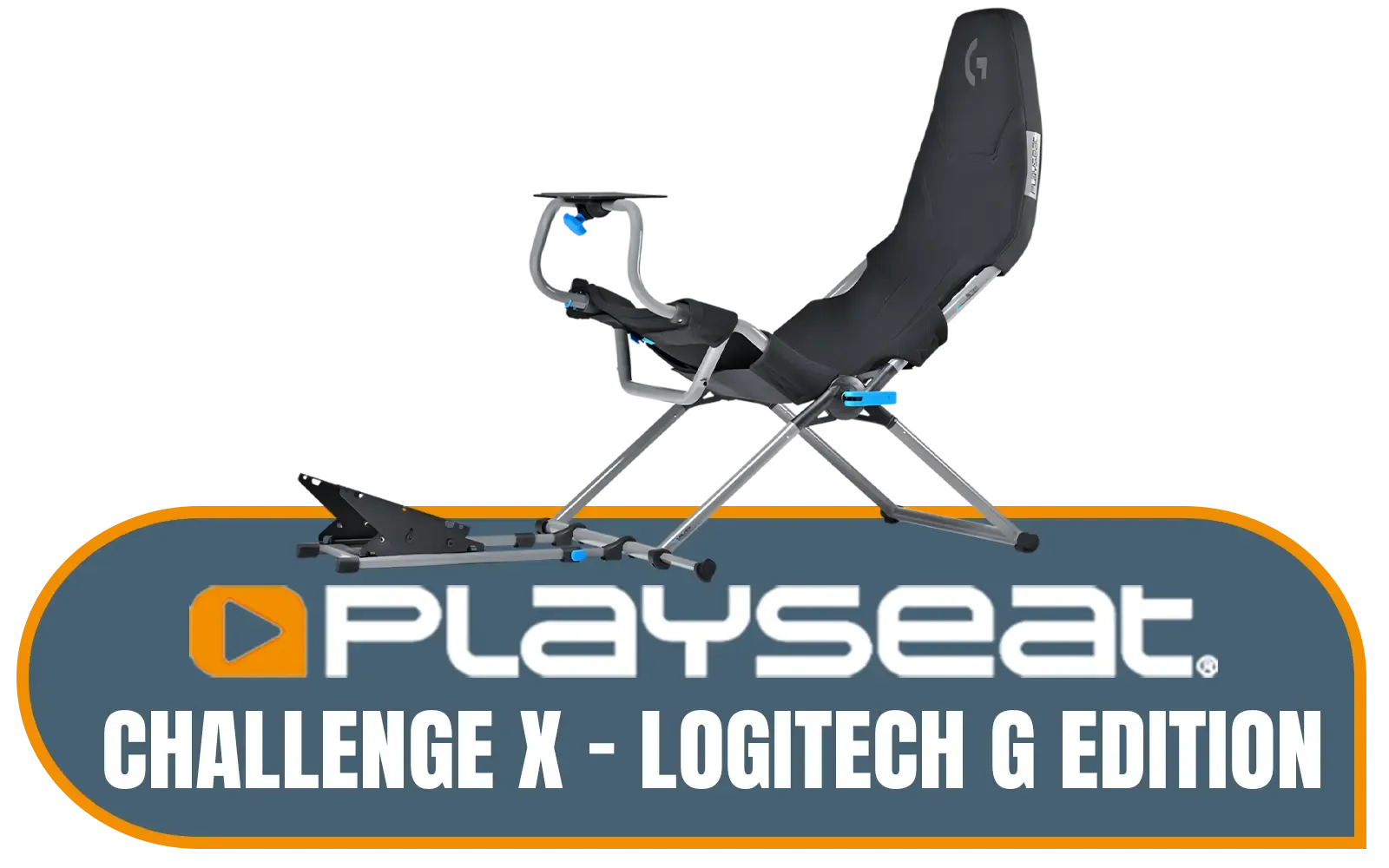
Playseat Challenge X - Logitech G Edition - Adjustable Straps for Seat Firmness - Breathable ActiFit™ Material for Comfort - Compatible with All Steering Wheels - Suitable for Children and Adults / G00248
R6499.00In Stock
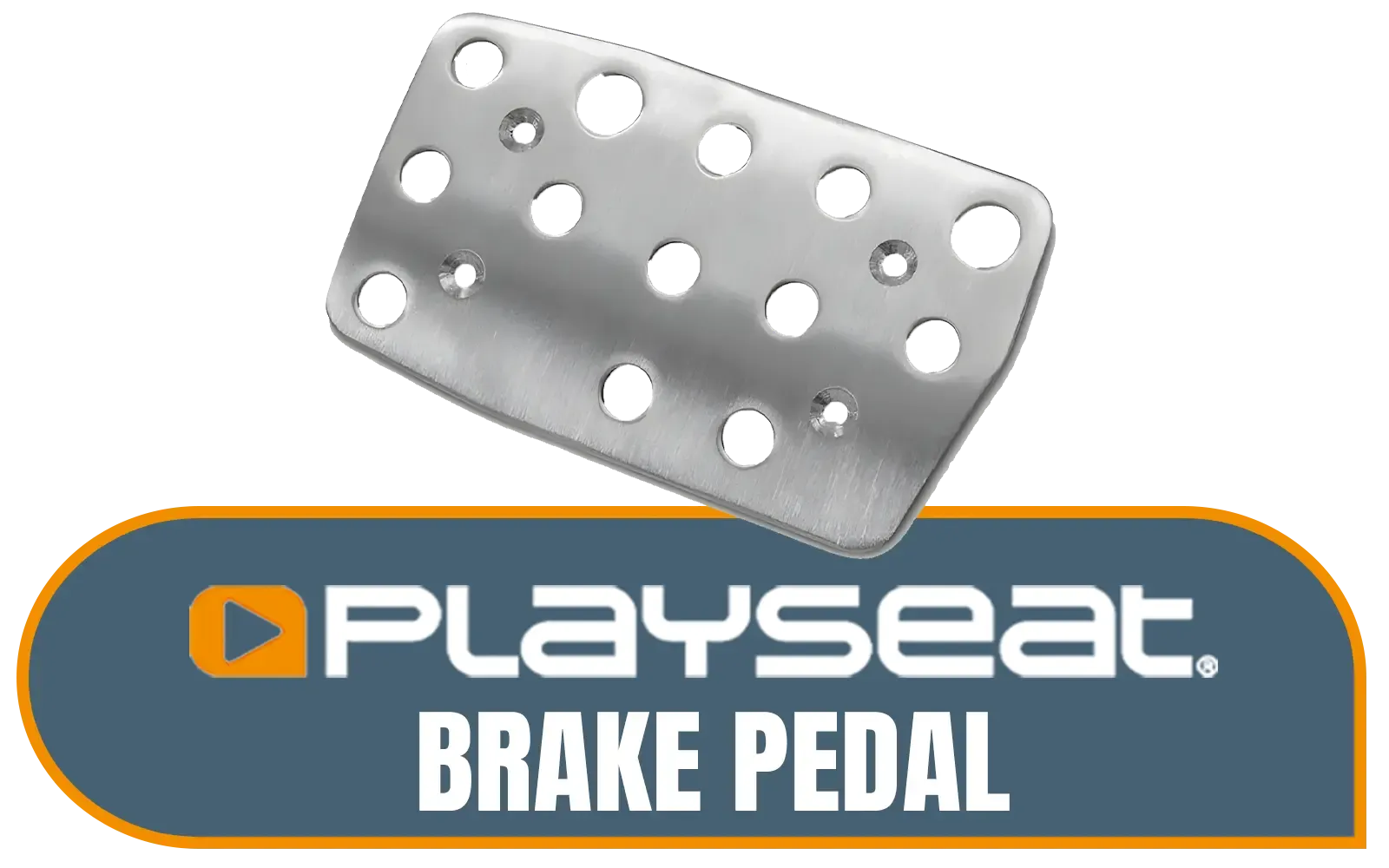
Playseat Brake Pedal / Enhanced Braking Control / Larger Brake Pedal Surface / Compatible with G25, G27, G29, G920 & G923 / Durable Stainless Steel Build / Easy Installation / RAC00166
R799.00In Stock
![[Open Box] [BLACK/RED] Vertagear Racing Series S-Line SL3800 Gaming Chairs / 100KG Weight Limit / Easy Assembly / Adjustable Seat Height / VG-SL3800SE_BR](https://img.evetech.co.za/repository/ProductImages/vertagear-sl3800-gaming-chair-black-red-1800px-v3.webp)
[Open Box] [BLACK/RED] Vertagear Racing Series S-Line SL3800 Gaming Chairs / 100KG Weight Limit / Easy Assembly / Adjustable Seat Height / VG-SL3800SE_BR
R5599.00In Stock
The Ultimate Anchor: Sim Racing Cockpits
For the ultimate solution, nothing beats a dedicated cockpit. By hard-mounting your pedals directly to a metal frame, you eliminate all unwanted movement. This creates a single, rigid unit connecting you, your seat, and your controls. The difference is night and day. A sturdy Playseat cockpit provides the perfect, unyielding base needed to handle the immense forces of a load-cell brake pedal and ensures your setup never falters.
TIP FOR YOU
Quick Grip Tip 🔧
For a budget-friendly fix, place a piece of non-slip router or shelf mat under your pedals. It costs next to nothing from your local hardware store in SA and provides a surprising amount of grip on hardwood or tiled floors, drastically improving your sim racing pedal stability for those heavy braking zones.
How High-End Pedals Demand Better Stability
As you upgrade your equipment, the need for stability becomes even more critical. Entry-level pedals use potentiometers, which measure the distance the pedal travels. More advanced sets, however, often use load cells, which measure pressure.
To get the most out of a load cell, you need to apply significant force—sometimes over 50kg! If your pedals aren't bolted down, all that force will just push your chair backwards or lift the pedal base. This makes investing in high-quality hardware from brands that offer complete ecosystems essential. Exploring powerful Thrustmaster components often means pairing them with a setup that can handle their performance capabilities.
Playseat Trophy - Logitech G Edition / High-Carbon Steel Frame / Actifit Material / Ultimate Flexibility / G00320
R14599.00In Stock
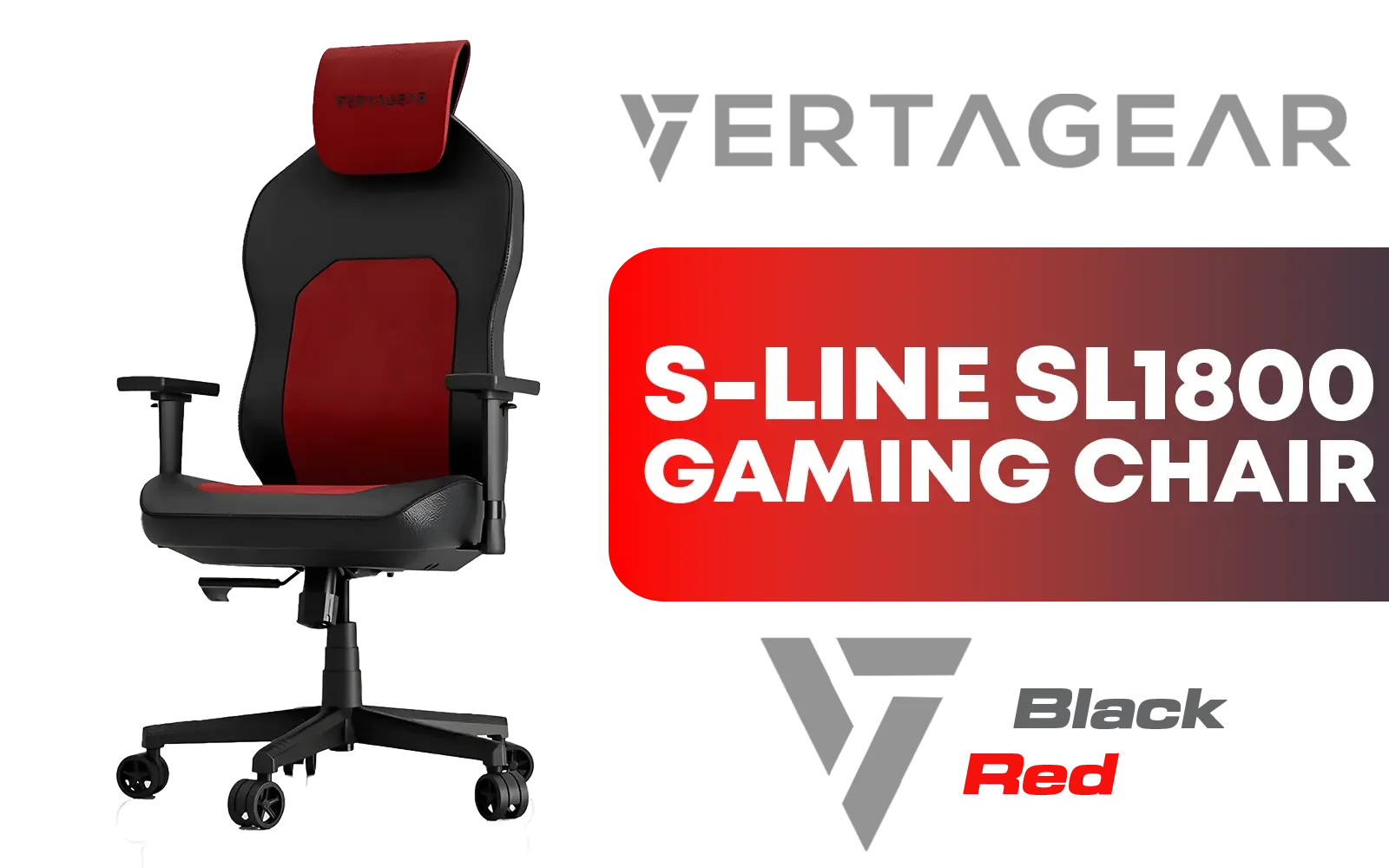
Vertagear Racing Series S-Line SL1800 Office Gaming Chair - Black/Red / VG-SL1800_BR
R3699.00In Stock
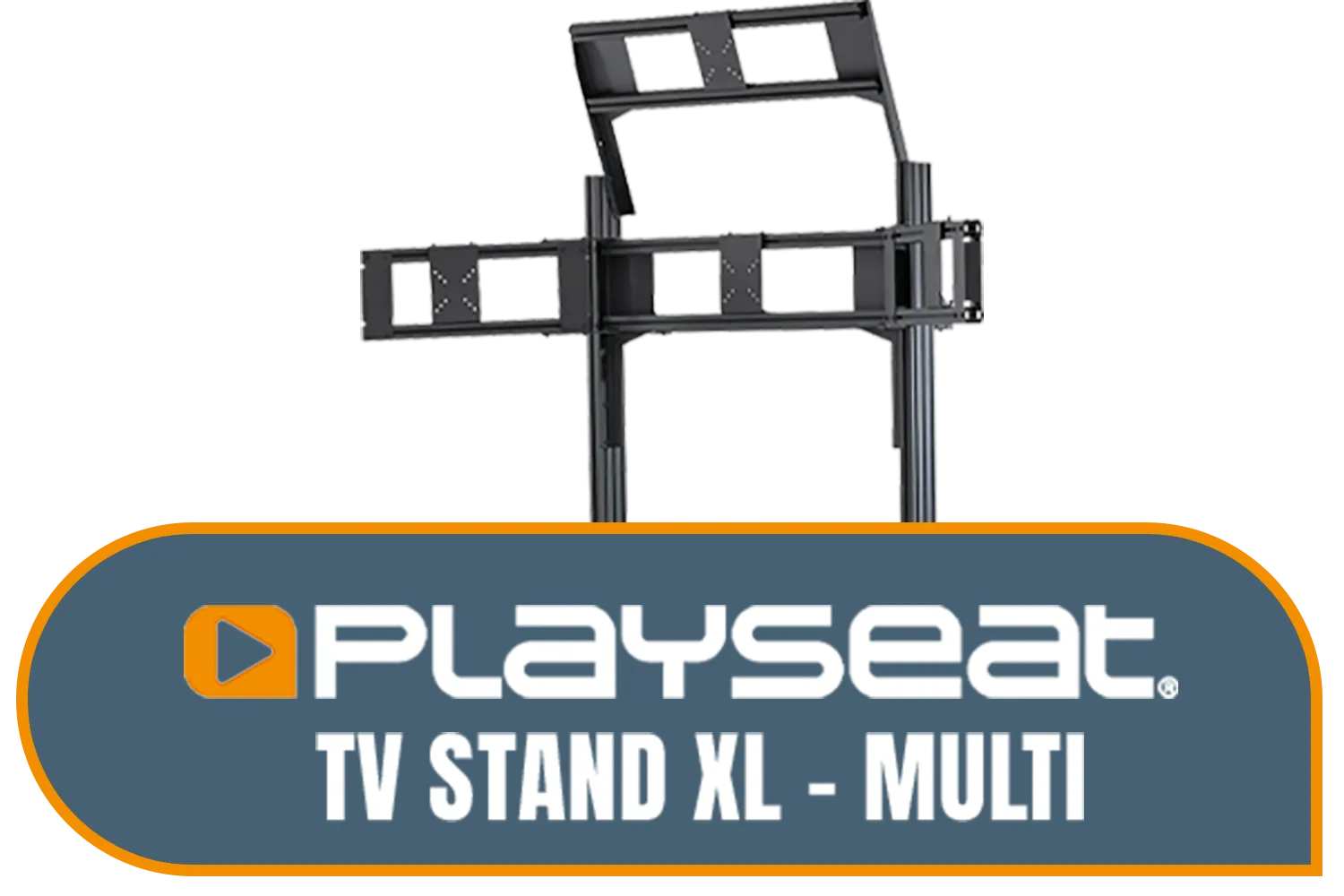
Playseat TV Stand XL - Multi / Steel Frame / RAC00258
R9499.00In Stock
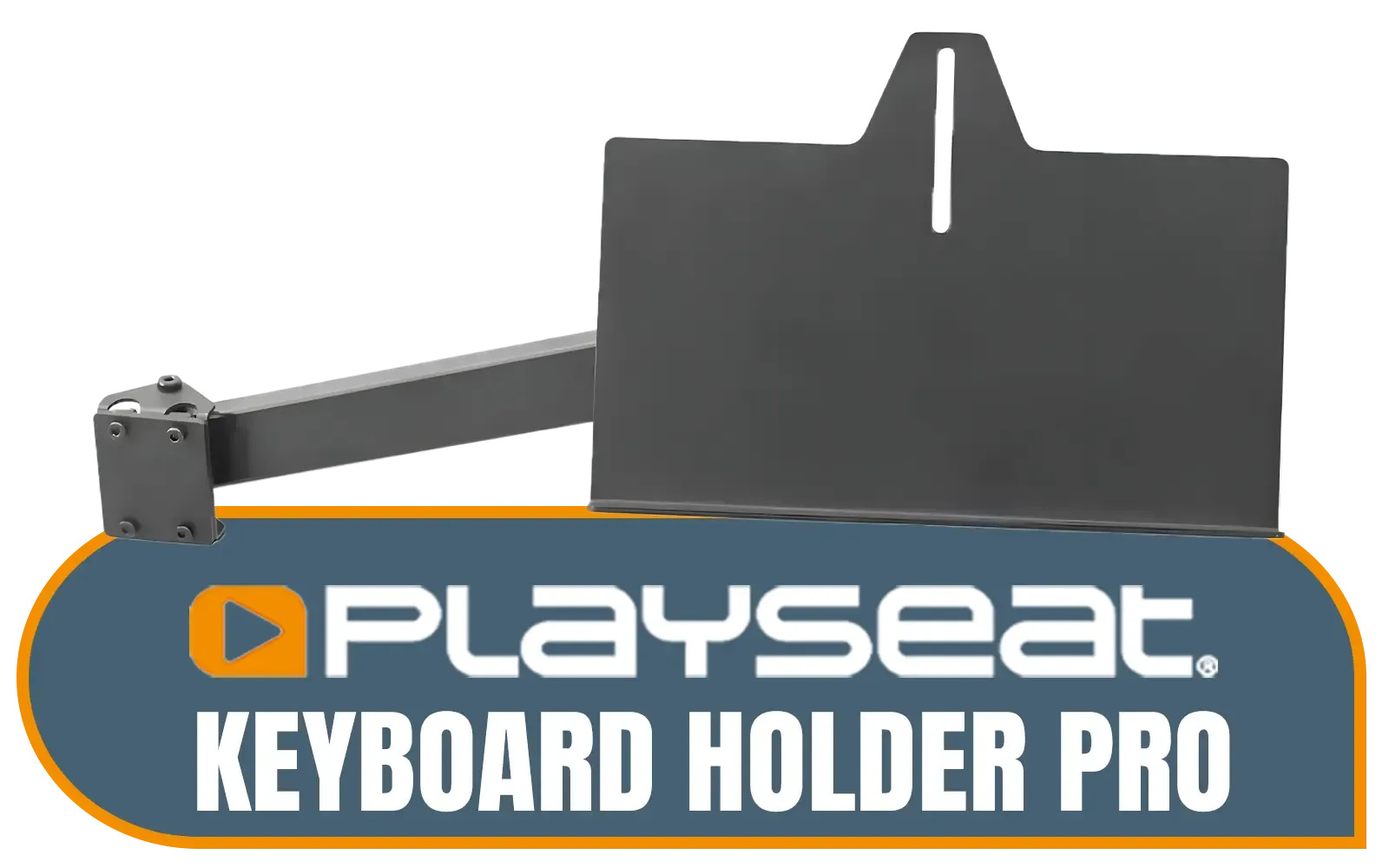
Playseat Keyboard Holder Pro - Secure Keyboard Mounting - Adjustable for Comfort / RAC00226
R999.00In Stock
![[Open Box] Thrustmaster TM Racing Clamp / PC, PS4, XBOX One, PlayStation 4 / Rock-solid Table Clamp / Robust Secure And Firm Attachment System / Adjustable For Many Different Setups / Designed For Desks/Tables / TM4060094](https://img.evetech.co.za/repository/ProductImages/thrustmaster-tm-racing-clamp-openbox-1800px-v01.webp)
[Open Box] Thrustmaster TM Racing Clamp / PC, PS4, XBOX One, PlayStation 4 / Rock-solid Table Clamp / Robust Secure And Firm Attachment System / Adjustable For Many Different Setups / Designed For Desks/Tables / TM4060094
R1299.00In Stock

Playseat® Trophy Pro Racing Seat - Developed with Race Drivers and Esports Athletes - Supports All Consoles and PC - Compatible with Direct Drive Wheels - Pedal Plate Optimized for Braking Force - Playseat® ActiFit™ Material for Breathability — Black / RAP00304
R14299.00In Stock
Connecting Stability to Trail Braking Mastery ✨
So, how does this all connect to trail braking? Trail braking is the art of easing off the brake pedal as you turn into a corner, maintaining optimal grip. It requires incredibly subtle and precise inputs.
If your pedal set is moving even a millimetre, that fine control is lost. You can't delicately release pressure when the entire unit is unstable. A rock-solid setup gives you the confidence to brake later and harder, then smoothly transition that braking force into cornering grip. This is where you find real speed. Mastering trail braking consistency is impossible without first mastering your pedal stability.
Ready to Lock In Your Lap Times? Inconsistent pedals are the biggest barrier between you and the podium. For ultimate sim racing pedal stability and control, a solid setup is non-negotiable. Explore our complete range of sim racing hardware and build the rig that will leave your competition in the dust.
Related Products
![[BLACK/GREEN] Vertagear Racing Series P-Line PL6800 Gaming Chairs / 181KG Weight Limit / Easy Assembly / Adjustable Seat Height / VG-PL6800SE_MG](https://img.evetech.co.za/repository/ProductImages/vertagear-pl6800-gaming-chair-black-green-1800px-v2.webp)
[BLACK/GREEN] Vertagear Racing Series P-Line PL6800 Gaming Chairs / 181KG Weight Limit / Easy Assembly / Adjustable Seat Height / VG-PL6800SE_MG
R7799.00In Stock

Playseats Gearshift Support / Compatible With Logitech G25, G27, G29, G920 And Thrustmaster Gear Shifters / RAC00168
R349.00In Stock
![[BLACK/BLUE] Vertagear Racing Series S-Line SL3800 Gaming Chairs / 100KG Weight Limit / Easy Assembly / Adjustable Seat Height / VG-SL3800SE_MB](https://img.evetech.co.za/repository/ProductImages/vertagear-sl3800-gaming-chair-black-blue-1800px-v002.webp)
[BLACK/BLUE] Vertagear Racing Series S-Line SL3800 Gaming Chairs / 100KG Weight Limit / Easy Assembly / Adjustable Seat Height / VG-SL3800SE_MB
R5499.00In Stock
Vertagear Racing Series S-Line SL1800 Office Gaming Chair - Black / VG-SL1800_BK
R4499.00In Stock
Logitech Gaming G29 Driving Force Racing Wheel / For Playstation 3 and Playstation 4 / Dual-Motor Force / Easy-Access Game Controls / 900° Steering / Easy-Access Game Controls / 941-000112
R6299.00In Stock
[BLACK/PURPLE] Vertagear Racing Series P-Line PL4800 Gaming Chairs / 163KG Weight Limit / Easy Assembly / Adjustable Seat Height / VG-PL4800SE_MP
R8199.00In Stock
Pedal stability ensures consistent muscle memory. Any flex or sliding changes the required force, making trail braking consistency nearly impossible to master.
Rig flex absorbs force meant for the load cell, causing inconsistent brake pressure readings and making it harder to hit threshold braking points accurately.
Trail braking involves gradually releasing brake pressure while turning into a corner. It requires precise modulation that demands solid sim racing pedal stability.
Yes, load cell pedals require high force. Without a rigid cockpit, you risk pedal slide or flex, which destroys braking precision and consistency.
Secure them to a dedicated wheel stand or cockpit. Using a non-slip mat or wall brace is a temporary fix, but hard mounting offers the best pedal stability.
Stiff pedals allow for better modulation via muscle memory rather than travel distance, significantly improving consistency in braking zones.