Sim Racing Seat Head Stabilizers: Immersion vs Comfort
Are sim racing seat head stabilizers essential for your rig? 🏎️ We explore how halo seats boost immersion while analyzing their impact on long-term comfort. 🎮 Find out if this pro-level upgrade fits your setup.
|
Loading tags...
You're deep into a qualifying lap at a virtual Kyalami, braking hard for the Crowthorne corner. Your direct-drive wheel is fighting you, the force feedback rattling your bones. As you wrestle the car through the apex, you feel it… that familiar ache in your neck. It’s a small distraction, but enough to break your focus. This is where the debate around sim racing seat head stabilizers begins. Are they the ultimate immersion tool or a comfort-focused upgrade? Let's find out.

Playseat Sensation Pro - Sim Platform - Right / Works With The Playseat® Sensation Pro / Easy to Mount / Fully Adjustable / rac00250
R4699.00In Stock
![[Open Box] Thrustmaster TM Racing Clamp / PC, PS4, XBOX One, PlayStation 4 / Rock-solid Table Clamp / Robust Secure And Firm Attachment System / Adjustable For Many Different Setups / Designed For Desks/Tables / TM4060094](https://img.evetech.co.za/repository/ProductImages/thrustmaster-tm-racing-clamp-openbox-1800px-v01.webp)
[Open Box] Thrustmaster TM Racing Clamp / PC, PS4, XBOX One, PlayStation 4 / Rock-solid Table Clamp / Robust Secure And Firm Attachment System / Adjustable For Many Different Setups / Designed For Desks/Tables / TM4060094
R1299.00In Stock
![[OPEN BOX] Playseat TV Stand Pro / Compatible With All Playseat Racing Chairs / Can Mount 1 Screen / Suitable For 15" To 65" Screens (Curved TV maximum is 48") / Suitable For TV And Monitors / Sturdy And Stable Frame / RAC00088](https://img.evetech.co.za/repository/ProductImages/playseat-tv-stand-pro-1500px-v1.webp)
[OPEN BOX] Playseat TV Stand Pro / Compatible With All Playseat Racing Chairs / Can Mount 1 Screen / Suitable For 15" To 65" Screens (Curved TV maximum is 48") / Suitable For TV And Monitors / Sturdy And Stable Frame / RAC00088
R4399.00In Stock
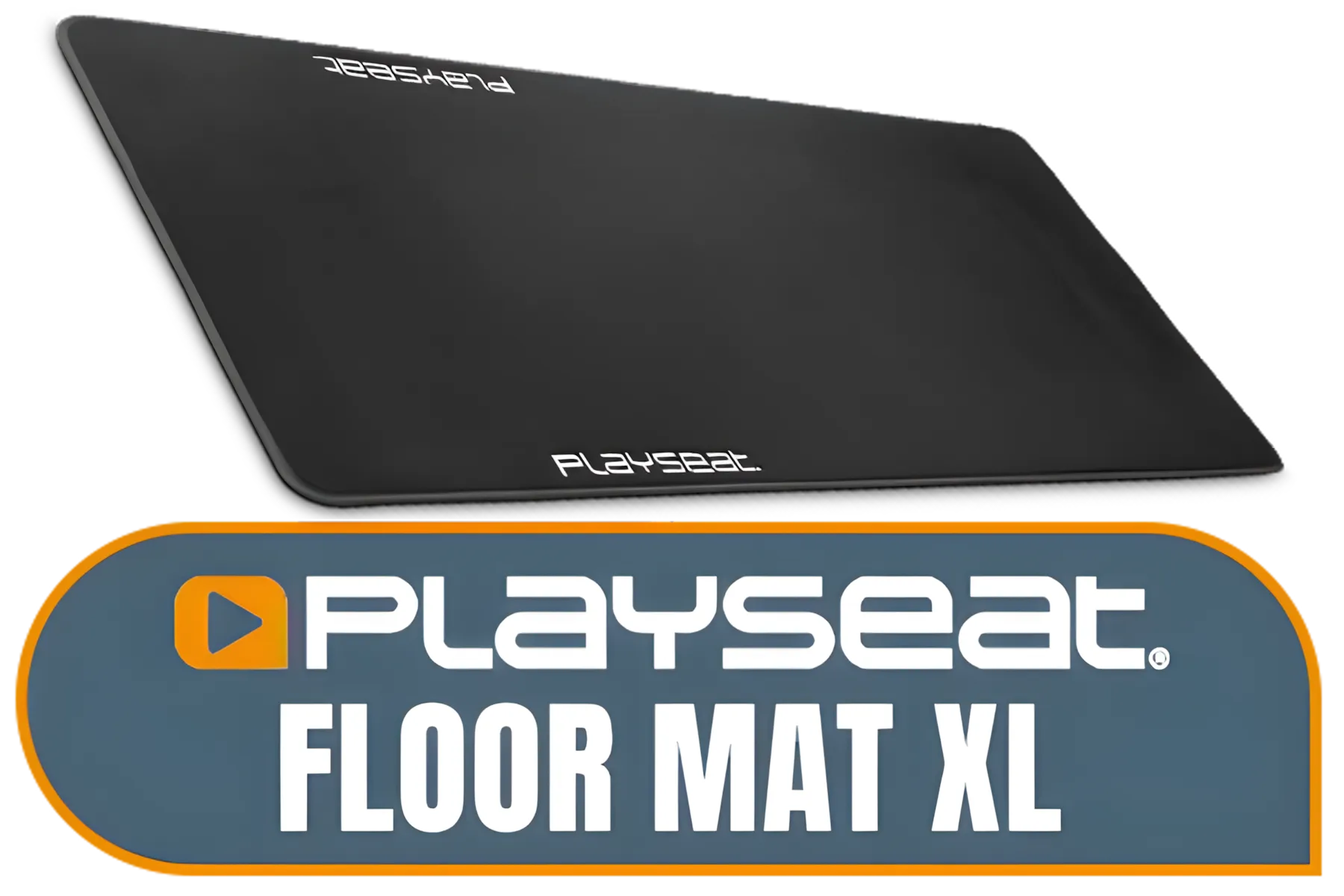
Playseat Floor Mat XL / Anti-slip Layer Underneath / Protects all Types of Floors / Easy To keep Clean and Tidy / Soft Cloth Fabric Coating on Top / Features Official Playseat Logos / Dimensions (LxW): 156,5x68 cm / RAC00178
R1699.00In Stock
![[BLACK/BLUE] Vertagear Racing Series S-Line SL5800 Gaming Chairs / 113KG Weight Limit / Easy Assembly / Adjustable Seat Height / VG-SL5800SE_MB](https://img.evetech.co.za/repository/ProductImages/vertagear-sl5800-gaming-chair-black-blue-1800px-v002.webp)
[BLACK/BLUE] Vertagear Racing Series S-Line SL5800 Gaming Chairs / 113KG Weight Limit / Easy Assembly / Adjustable Seat Height / VG-SL5800SE_MB
R6999.00In Stock
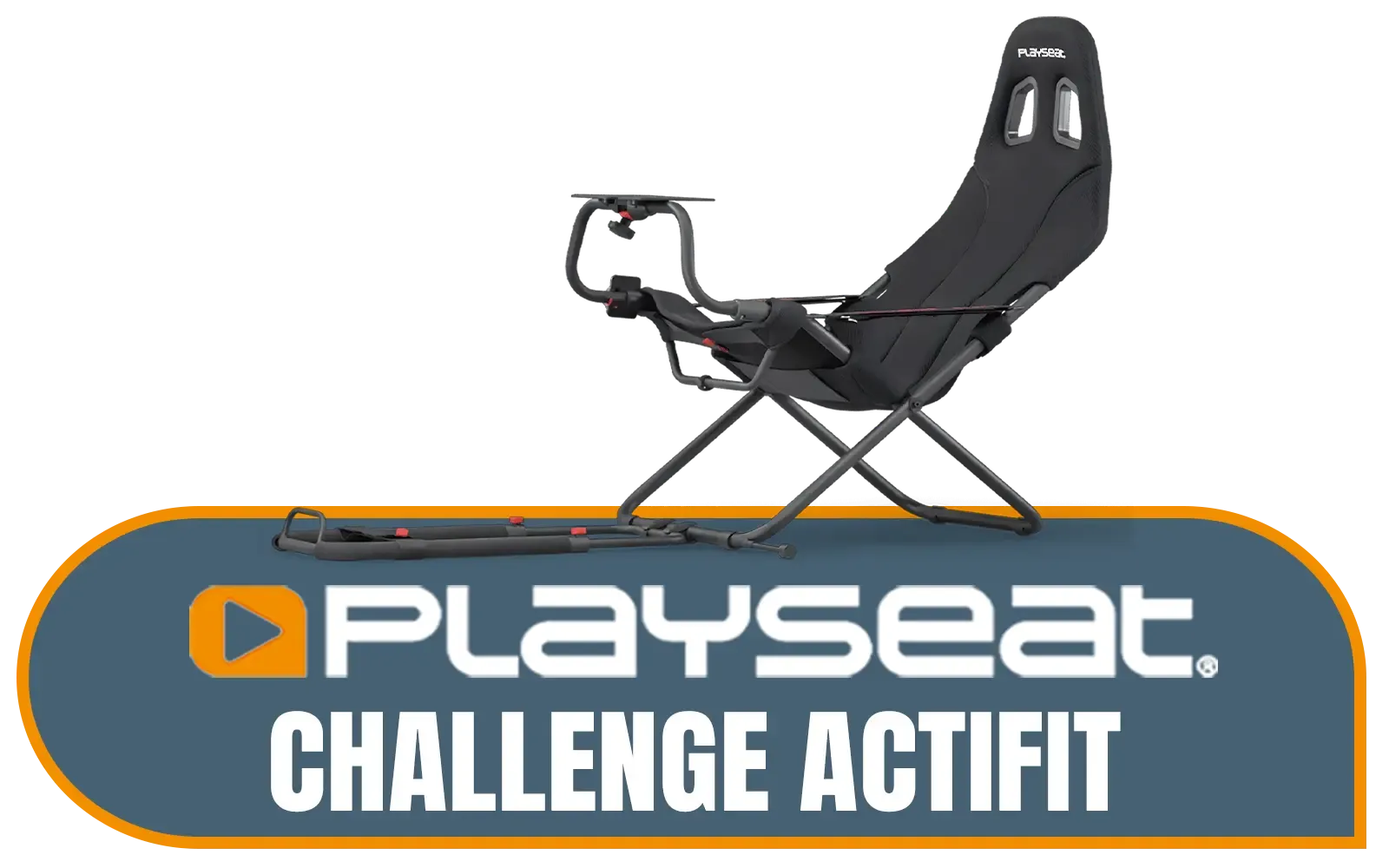
Playseat Challenge Actifit / Compatible With All Wheels, Pedals And All Consoles / Unique Foldable Design / It's Fully Adjustable / Multiple racing positions (GT, rally or F1) / RC.00312
R4599.00In Stock
What Are Sim Racing Head Stabilizers?
Simply put, sim racing seat head stabilizers are cushioned supports that attach to the sides of a bucket-style racing seat, cradling your helmet or head. They’re designed to mimic the head and neck support systems used in real-world motorsport. Their goal is twofold: to reduce side-to-side head movement caused by intense force feedback and to enhance the feeling of being strapped into a genuine race car cockpit. 🔧
These accessories aren't a universal fit. They are typically designed for specific high-backed bucket seats, often requiring pre-drilled mounting points. Before you even consider them, you need a solid foundation, which starts with the right chair. Many high-quality Playseat chairs provide the perfect base for building a truly immersive rig.
The Case for Immersion: Feeling Locked In 🚀
For many sim racers, the quest for realism is endless. You’ve got the wheel, the pedals, maybe even a motion platform. A head stabilizer adds another crucial sensory layer. By limiting lateral head movement, it tricks your brain into feeling the G-forces more intensely. When your virtual car slides, and the wheel snaps back, the physical resistance against your head makes the experience feel dramatically more authentic.
This effect is magnified when paired with powerful direct-drive wheels. High-end hardware from brands like Thrustmaster can generate forces strong enough to genuinely shake you in your seat. A sim racing head support system channels that raw feedback, ensuring the forces are felt through your entire body, just as a real driver would experience them.

Playseat Seat Slider Accessory for Game Chair / Designed for Playseats Racing Seats / Users Adjust Racing Chair to Accommodate / Double-Locking Adjustable Sliding Handle / Compatible with Playseat Evolution, GT, and Flightseat Models / Assemble with just 4 Mounting Screws / RAC00072
R999.00In Stock
Playseat Challenge Actifit / Compatible With All Wheels, Pedals And All Consoles / Unique Foldable Design / It's Fully Adjustable / Multiple racing positions (GT, rally or F1) / RC.00312
R4599.00In Stock

Logitech G923 TRUEFORCE Sim Racing Wheel for Playstation AND PC. Features next gen force feedback, launch assist control, premium build, RPM indicator, on-wheel controls, progressive brake pedal / 941-000149
R8499.00In Stock
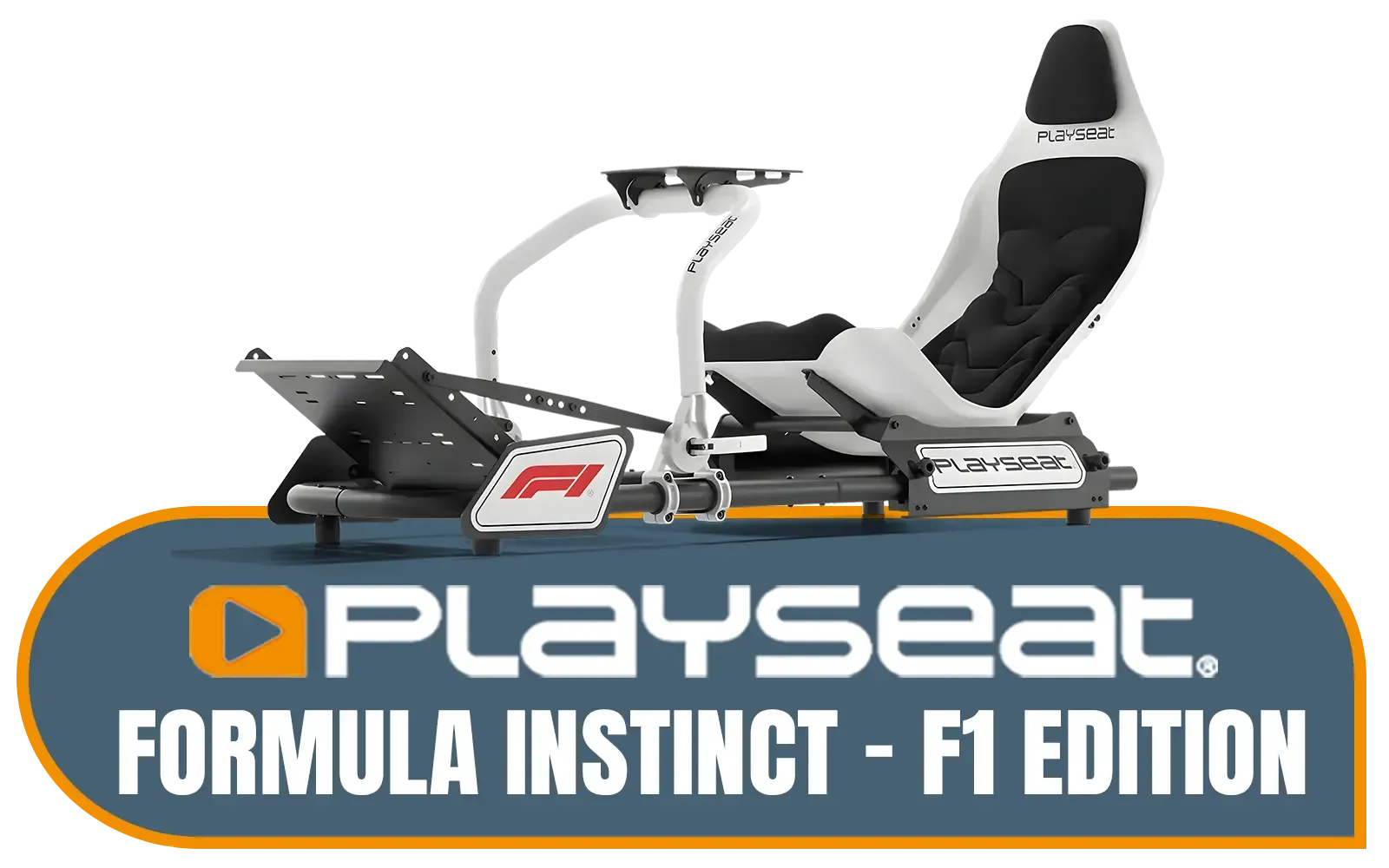
PlaySeat Formula Instinct Racing Chair - F1 Edition / Authentic F1® Racing Position Design / Officially Licensed F1® Livery / Adjustable Pedal Mounting for Precision / Patented Quick-Release Steering Wheel System / FO-00334
R14699.00In Stock
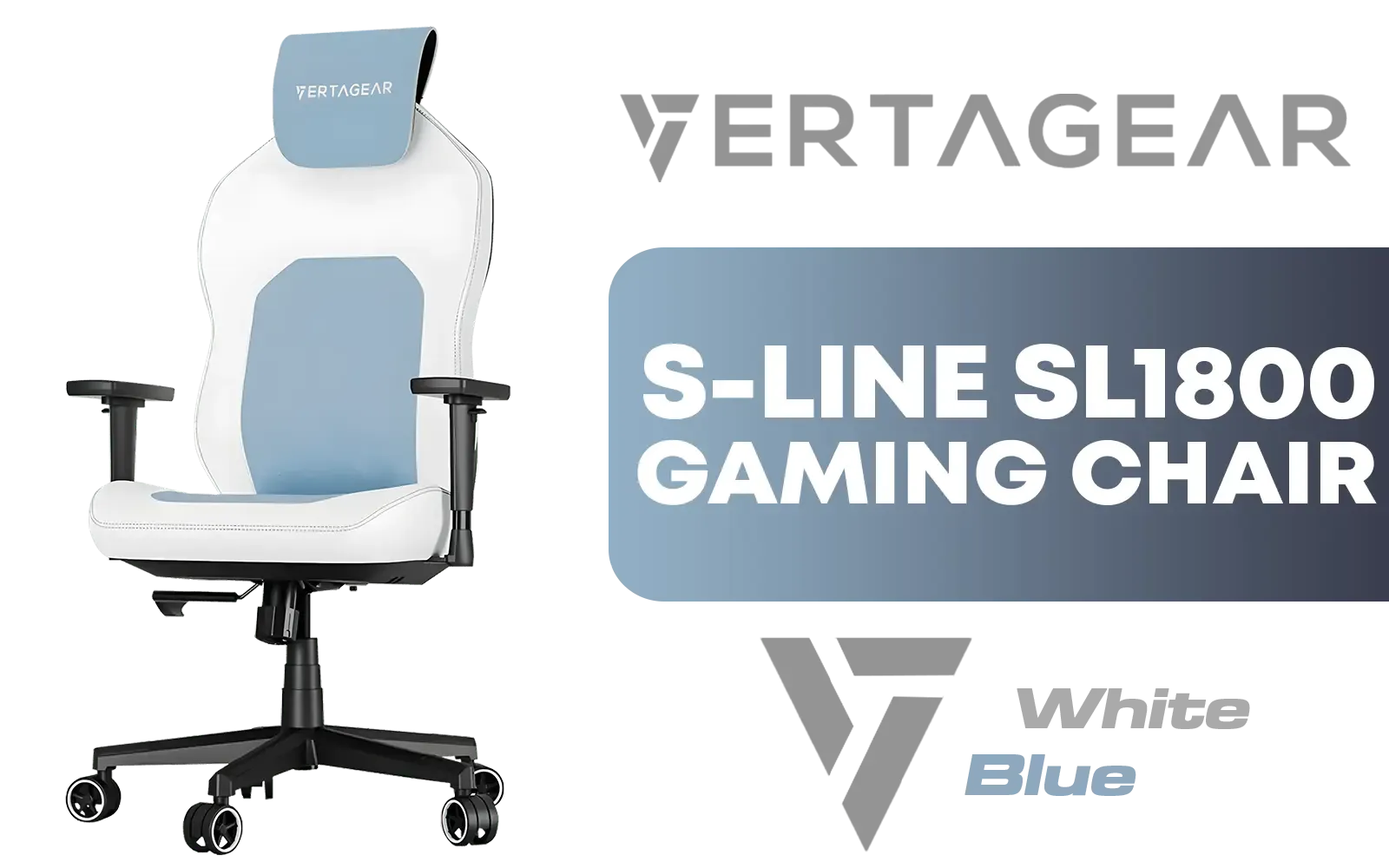
Vertagear Racing Series S-Line SL1800 Office Gaming Chair - White/Blue / VG-SL1800_BL
R4599.00In Stock

Logitech Gaming G920 Driving Force Racing Wheel / Works with XBOX one and PC / Dual-Motor Force / Easy-Access Game Controls / 900° Steering / Easy-Access Game Controls / 941-000123
R6399.00In Stock
The Argument for Comfort: Conquering Endurance Races
Now, let's talk practicality. Immersion is fantastic, but comfort is king during a long race. Picture this: you're three hours into a virtual 9-hour endurance event. Your eyes are strained, your shoulders are tight, and your neck muscles are screaming. This is where a sim racing seat head stabilizer shines not as an immersion toy, but as a vital ergonomic tool.
By providing a resting place for your head during high-G corners and long straights, it significantly reduces muscle fatigue. This allows you to stay focused on your race strategy and lap times, not on your growing discomfort. For endurance specialists or any sim racer who enjoys sessions longer than an hour, this accessory can be the difference between a podium finish and quitting early from exhaustion.
TIP FOR YOU
Dialling In Your Fit ✨
When you first install a head stabilizer, don't just bolt it on and go. Spend a full practice session adjusting the width. It should be close enough to support your head under load but not so tight that it restricts your natural movement when looking towards an apex. A gap of about 1-2 cm on each side is a great starting point.
So, Do You Really Need Them for Your Rig?
Ultimately, the decision comes down to your specific needs and goals. Ask yourself these questions:
- Do you race in long endurance events? If you regularly spend more than 90 minutes in the seat, the comfort benefits are undeniable.
- Do you own a powerful direct-drive wheel? The stronger the force feedback, the more physical support you'll need to combat fatigue.
- Are you chasing the last 5% of realism? If your goal is to replicate the real-world racing experience as closely as possible, a head stabilizer is a logical next step.
- Do you suffer from neck or shoulder strain? For some, this is less a luxury and more an essential ergonomic upgrade.
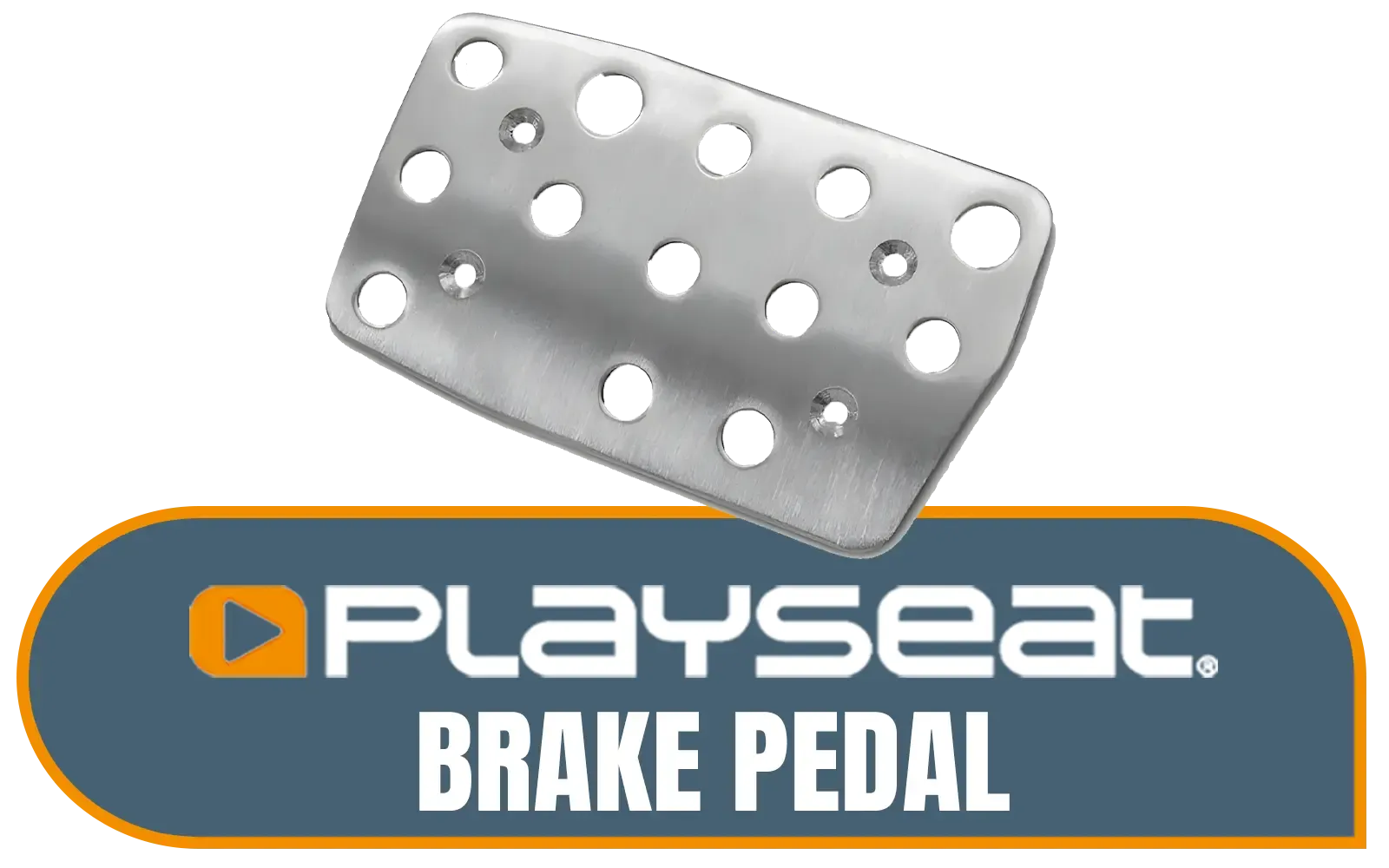
Playseat Brake Pedal / Enhanced Braking Control / Larger Brake Pedal Surface / Compatible with G25, G27, G29, G920 & G923 / Durable Stainless Steel Build / Easy Installation / RAC00166
R799.00In Stock
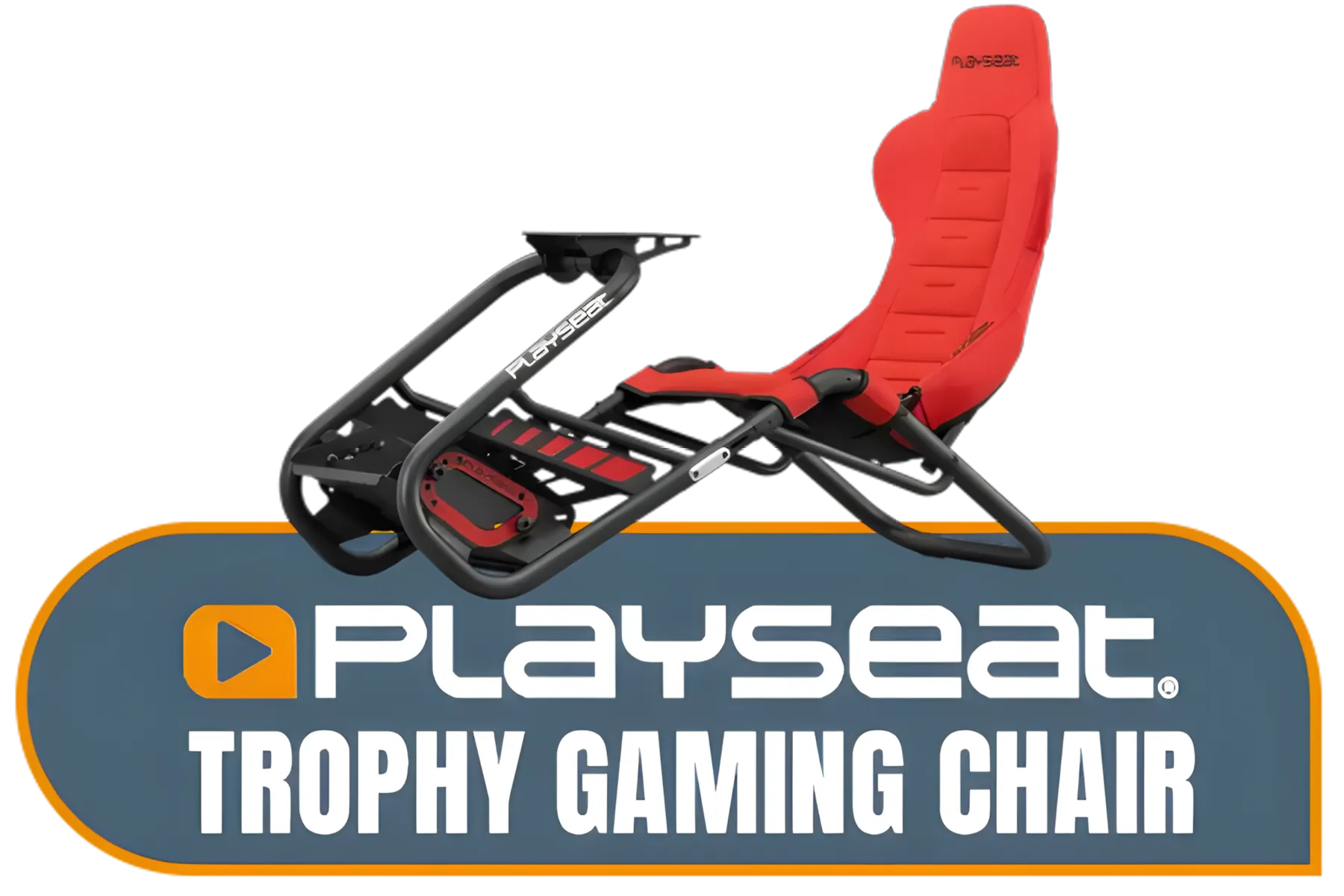
Playseat® Trophy Gaming Chair - Playseat Trophy Gaming Chair - Pedal Plate Optimized for Braking Force - Works with All Consoles and PC - Supports All Steering Wheels and Pedals - Gaming - Compatible with Direct Drive Wheels - Fully Adjustable for Ideal Fit — Red / RAP00314
R13999.00In Stock

Playseat Direct Drive Adapter / RAC00260
R4899.00In Stock

Playseat® Trophy Pro Racing Seat - Developed with Race Drivers and Esports Athletes - Supports All Consoles and PC - Compatible with Direct Drive Wheels - Pedal Plate Optimized for Braking Force - Playseat® ActiFit™ Material for Breathability — Black / RAP00304
R14299.00In Stock

Playseat TV Stand XL - Single / Stainless Steel Frame / VESA 50, 75 and 100 compatible / RAC00264
R5999.00In Stock
Logitech Gaming G920 Driving Force Racing Wheel / Works with XBOX one and PC / Dual-Motor Force / Easy-Access Game Controls / 900° Steering / Easy-Access Game Controls / 941-000123
R6399.00In Stock
If you answered "yes" to one or more of these, then a head stabilizer is a worthy investment for your setup. It's a specialist piece of kit that elevates a good rig into a great one, refining both performance and feel. It's the kind of detail that completes a complete sim racing setup and shows you're serious about your virtual motorsport.
Ready to Lock In Your Performance? Whether you're chasing ultimate immersion or long-haul comfort, the right gear makes all the difference. A head stabilizer might be the final piece of your puzzle. Explore our massive range of sim racing gear and find the perfect components to build your dream rig in South Africa.
Related Products
![[BLACK/WHITE] Vertagear Racing Series P-Line PL4800 Gaming Chairs / 163KG Weight Limit / Easy Assembly / Adjustable Seat Height / VG-PL4800SE_WT](https://img.evetech.co.za/repository/ProductImages/vertagear-pl4800-gaming-chair-black-white-1800px-v002.webp)
[BLACK/WHITE] Vertagear Racing Series P-Line PL4800 Gaming Chairs / 163KG Weight Limit / Easy Assembly / Adjustable Seat Height / VG-PL4800SE_WT
R8199.00In Stock

Playseat Trophy - Logitech G Edition / High-Carbon Steel Frame / Actifit Material / Ultimate Flexibility / G00320
R14599.00In Stock
Playseat® Trophy Pro Racing Seat - Developed with Race Drivers and Esports Athletes - Supports All Consoles and PC - Compatible with Direct Drive Wheels - Pedal Plate Optimized for Braking Force - Playseat® ActiFit™ Material for Breathability — Black / RAP00304
R14299.00In Stock

Playseat Gearshift Holder Pro / Compatible with Most Gearshifters / Suitable for Left or Right Mounting / Height Adjustment up to 1.2" / For Evolution, Revolution, & WRC Models / RAC00064
R1199.00In Stock

Playseats Gearshift Support / Compatible With Logitech G25, G27, G29, G920 And Thrustmaster Gear Shifters / RAC00168
R349.00In Stock
[OPEN BOX] Playseat TV Stand Pro / Compatible With All Playseat Racing Chairs / Can Mount 1 Screen / Suitable For 15" To 65" Screens (Curved TV maximum is 48") / Suitable For TV And Monitors / Sturdy And Stable Frame / RAC00088
R4399.00In Stock
In real motorsport, a head stabilizer or halo limits lateral head movement during crashes. In sim racing, it primarily serves to enhance immersion and aesthetic appeal.
They don't directly improve lap times, but the added sense of enclosure can heighten focus and immersion, potentially leading to a more consistent racing mindset.
They can be restrictive. The side wings may block peripheral vision or make wearing VR headsets and headphones difficult compared to standard bucket seats.
It depends on the seat's width. Some tight head containment seats may bump against bulky VR headsets, restricting head movement and breaking immersion.
Yes, they are beneficial on motion rigs. The stabilizers provide a place to rest your head against high G-forces or sudden jerks, reducing neck strain.
A standard bucket seat offers body holding, while a halo seat includes upper wings for head containment, offering a more claustrophobic but authentic race car feel.