Wireless Charging Battery Life: Debunking Myths & Maximizing Health
Curious about wireless charging battery life? We're cutting through the noise to reveal the truth. Discover how wireless charging *really* affects your device's battery health, debunk common myths, and learn simple tips to maximize longevity. Get the facts and charge smarter! 🔋⚡
|
Loading tags...
You drop your phone on its wireless charging pad after a long day. It’s effortless, clean, and… a little worrying? We’ve all heard the whispers in online forums and from that one "tech expert" friend: wireless charging is slowly killing your battery. But how much truth is there to this claim? Let's cut through the noise, debunk the myths surrounding wireless charging battery life, and give you the real story on keeping your battery healthy for longer. 🔋
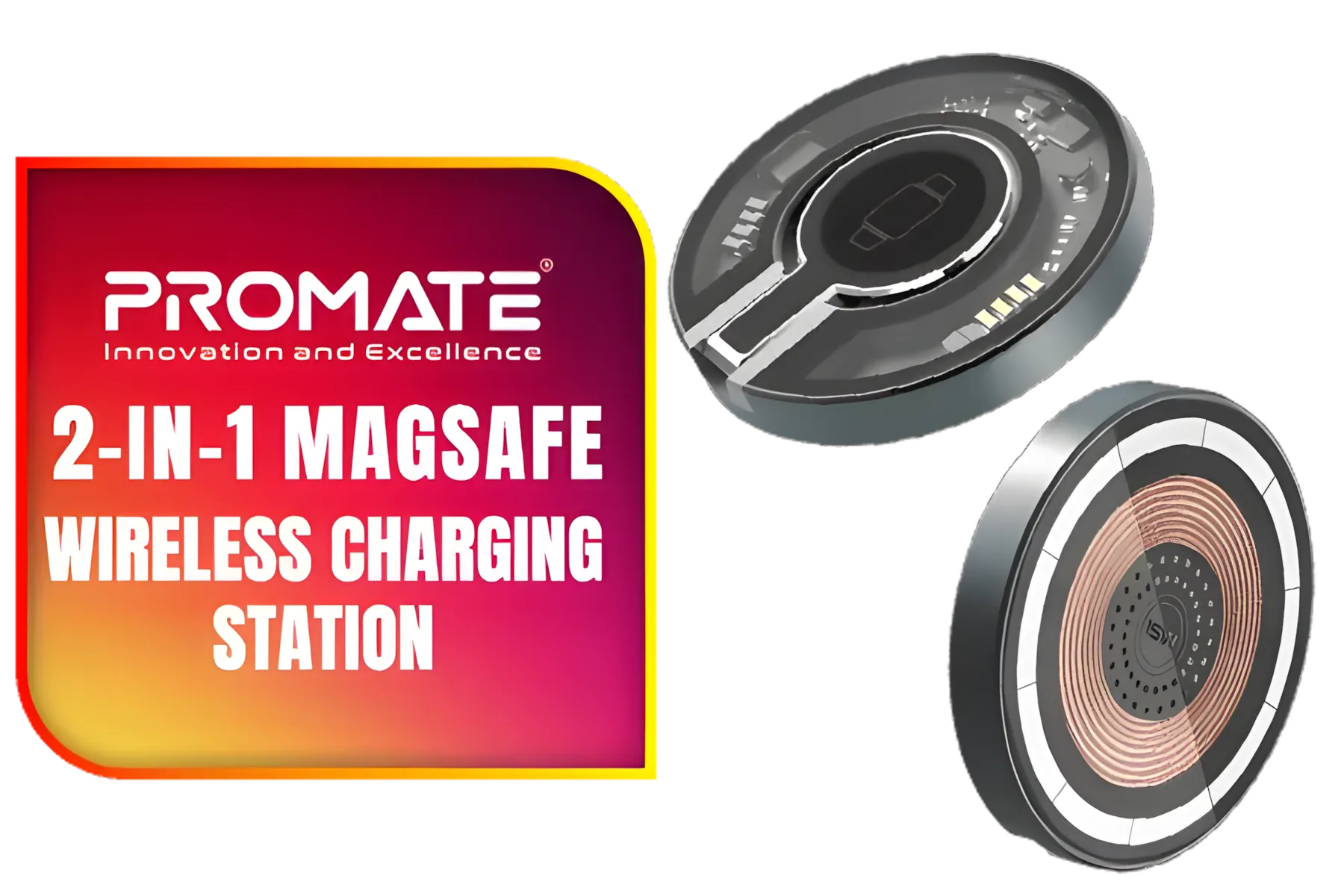
Promate 2-in-1 Transparent Pocket-Sized MagSafe Wireless Charging Station / 15W MagSafe Compatible Charger / 3W Apple Watch Charger / Foldable Watch Charger converts to a Kicksta / MAGRING
R599.00In Stock
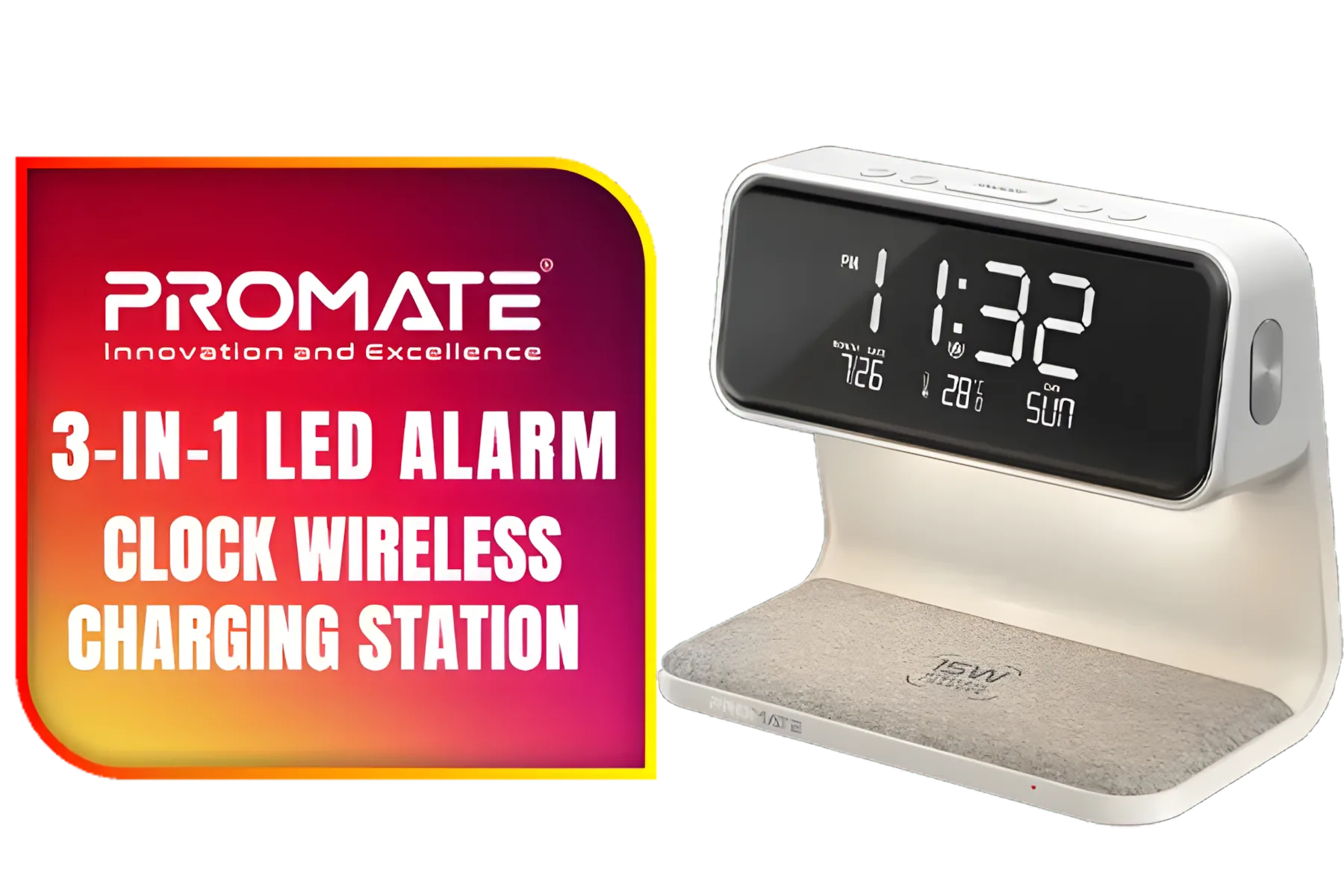
Promate 3-in-1 LED Alarm Clock with 15W Wireless Charger / 10.7lm Night Light with 3 Brightness Modes / Dual Alarm with Snooze Function / 15W Wireless Charger / 12Hr/24Hr Time Format / LUMIX-15W
R649.00In Stock

GIZZU Wall Charger Dual USB Port 3.4A - White - GWC2U34W
R199.00In Stock

Promate 4 in 1 MagSafe Wireless Charging Station / 15W MagSafe Compatible Charger / 3.5W Apple Watch Charger / 10W Wireless Charger / 45W USB-C & 18W USB-A Output Ports / Foldable Design / Rubix-65W.Black.EU
R799.00In Stock
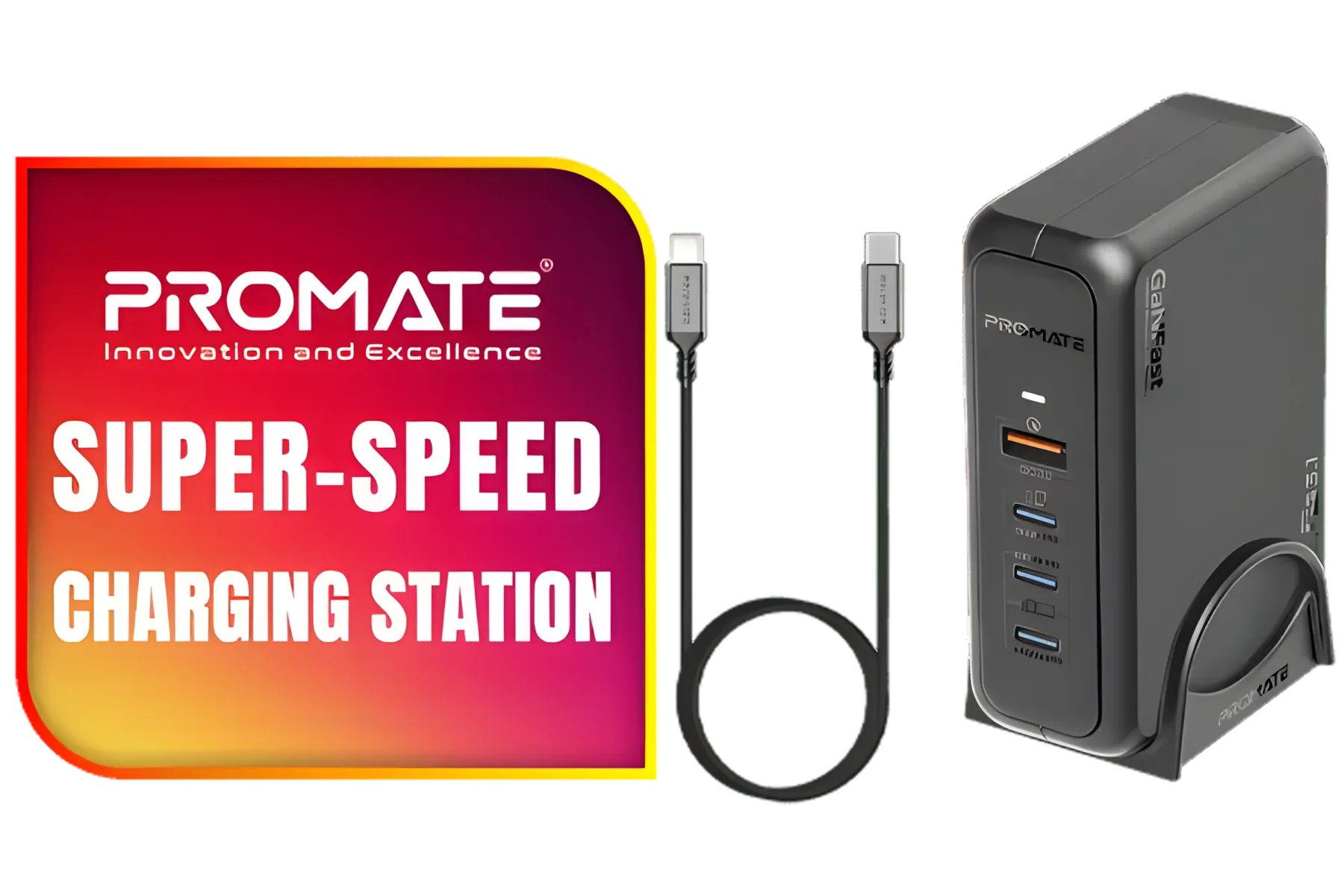
Promate Super-Speed Charging Station with Power Delivery 3.1 & Quick Charge 3.0 / 140W USB-C PD 3.1 / 100W & 30W USB-C PD Ports / 18W QC 3.0 Port / 1.8 Meter 240W PD Cable included / GANPORT-140W.EU
R1099.00In Stock
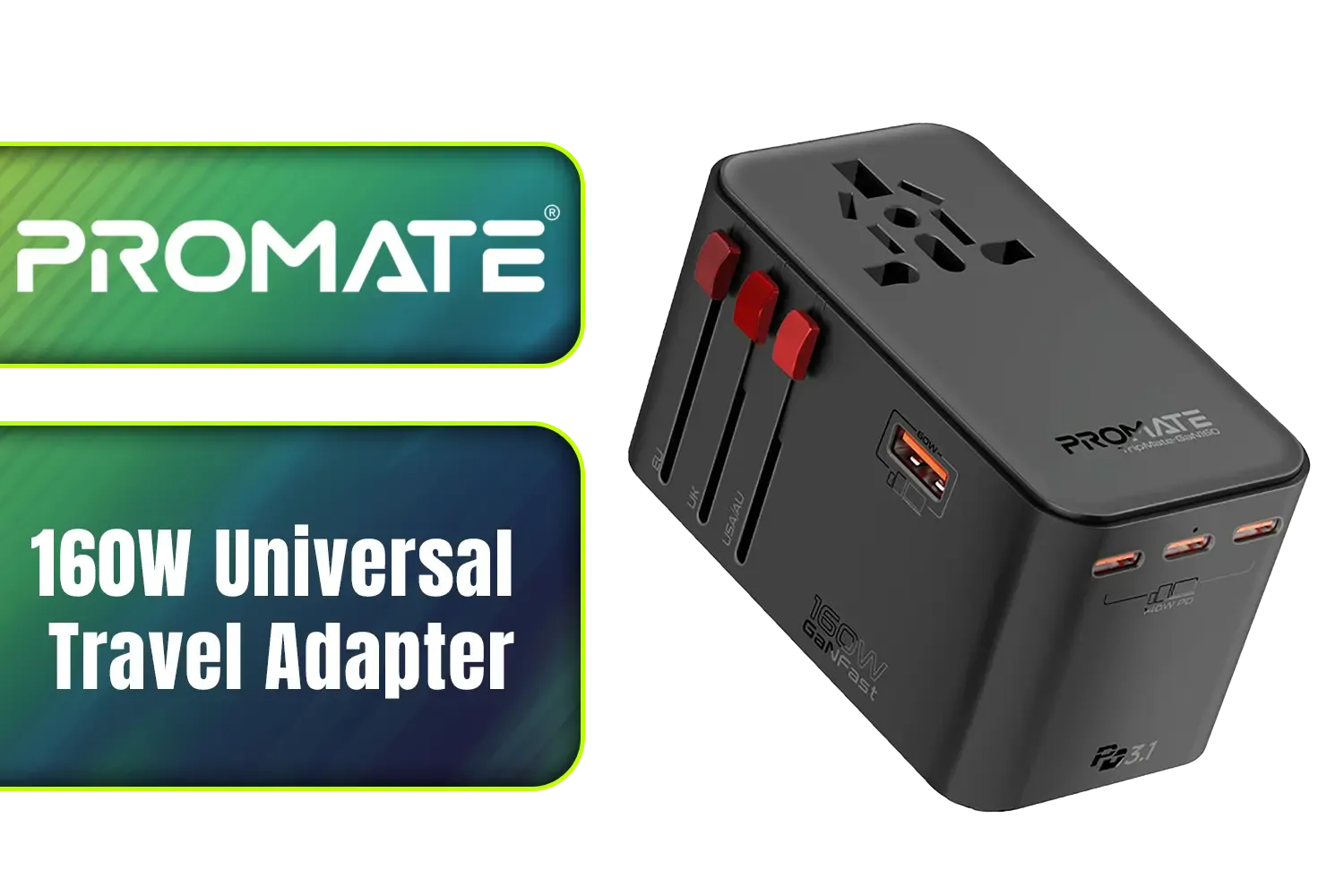
Promate 160W Universal Travel Adapter / 60W USB-A fast charging / Fast, cool charging with GaNFast™ / Triple 140W USB-C PD ports / Built-in 10A safety fuse / TripMate-GaN160
R1199.00In Stock
Understanding Wireless Charging and Battery Health
First, let's get one thing straight: wireless charging itself isn't the villain. The technology, known as inductive charging, uses magnetic fields to transfer energy. It's a safe and well-established science. The real culprit behind almost all battery degradation is heat. Excessive heat forces the lithium-ion battery in your phone to work harder, causing it to lose capacity over time.
The good news? Modern smartphones and certified Qi wireless chargers are incredibly smart. They communicate with each other to manage charging speed and temperature. Once your phone is fully charged, a quality charger will trickle charge or stop completely, preventing overcharging and excess heat. This makes choosing from a wide range of quality chargers the first step to peace of mind.
The True Factors Affecting Your Battery's Lifespan
Blaming wireless charging for poor battery life is like blaming the road for a flat tyre... it's only part of the story. The way you use your device daily has a much bigger impact. Here are the real enemies of your battery's longevity:
- High Temperatures: Leaving your phone on the dashboard of your car in the South African sun is far more damaging than a night on a charging pad. The same goes for intense gaming sessions while plugged in.
- Charging Cycles: Every battery has a finite number of full charge cycles (from 0% to 100%). While you can't stop this, you can slow it down.
- Voltage Stress: Keeping your battery pinned at 100% or letting it die completely puts stress on the cells. The sweet spot for long-term health is generally keeping it between 20% and 80%.
Reputable brands like Promate build their chargers with safety features that help manage these factors, ensuring a more stable and cooler charge.
Pro Tips for Healthy Wireless Charging Habits
So, how do you enjoy the convenience of wireless charging while maximising your device's battery life? It’s all about building smart habits. 💡
Use Quality, Certified Gear
This is the most important rule. Cheap, uncertified chargers from the flea market might save you a few hundred Rand upfront, but they often lack essential safety features like temperature control. This can lead to overheating and damage. Investing in a quality Promate charger ensures you get the safety and efficiency your expensive tech deserves.
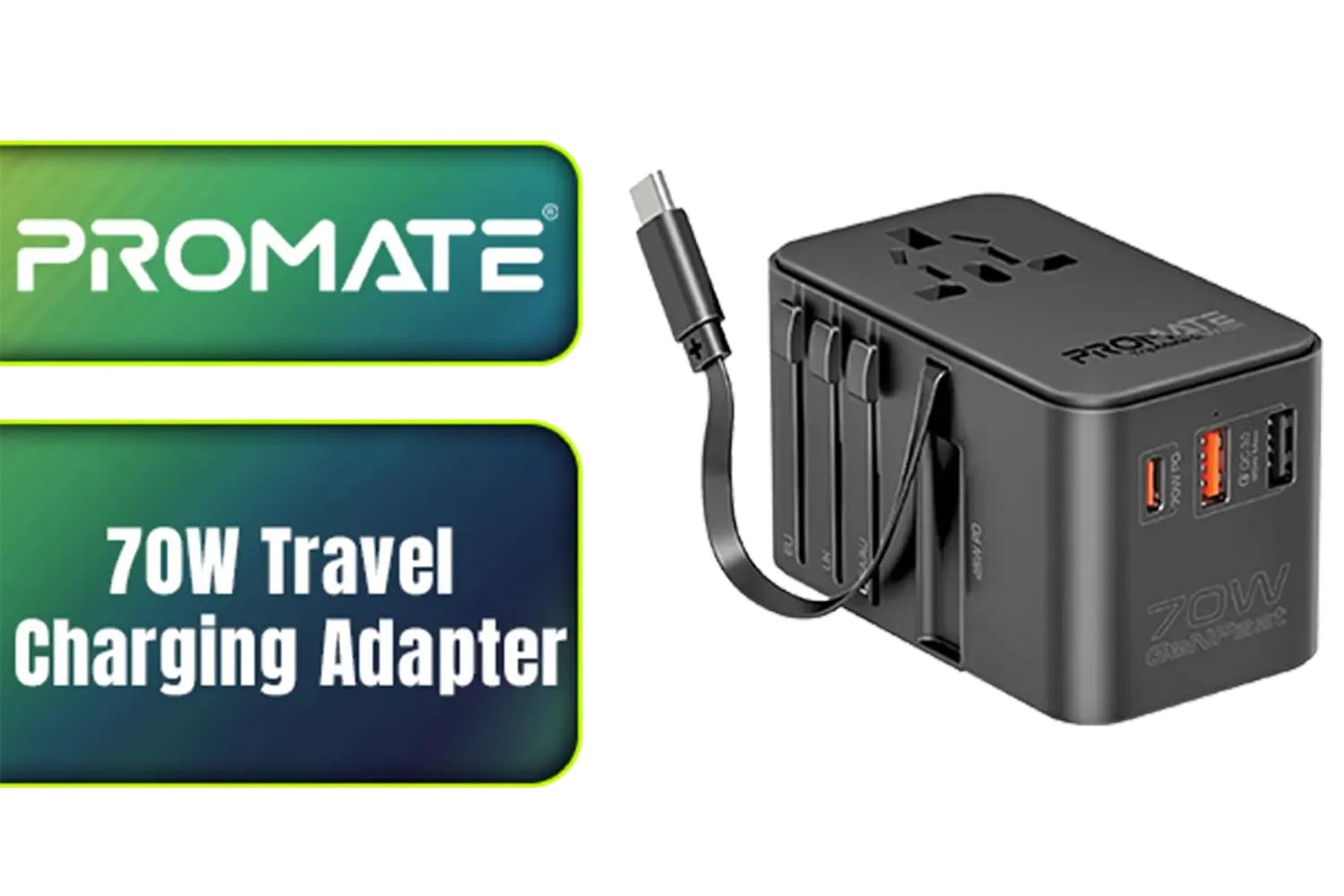
Promate 70W Travel Charging Adapter with Retractable Built-in USB-C Cable / Efficient GaN technology for cooler charging / 30W USB-A Quick Charge 3.0 / Built-in 10A surge protection / TripMate-GaN70R
R799.00In Stock
Promate 160W Universal Travel Adapter / 60W USB-A fast charging / Fast, cool charging with GaNFast™ / Triple 140W USB-C PD ports / Built-in 10A safety fuse / TripMate-GaN160
R1199.00In Stock
Promate Super-Speed Charging Station with Power Delivery 3.1 & Quick Charge 3.0 / 140W USB-C PD 3.1 / 100W & 30W USB-C PD Ports / 18W QC 3.0 Port / 1.8 Meter 240W PD Cable included / GANPORT-140W.EU
R1099.00In Stock
GIZZU Wall Charger Dual USB Port 3.4A - White - GWC2U34W
R199.00In Stock
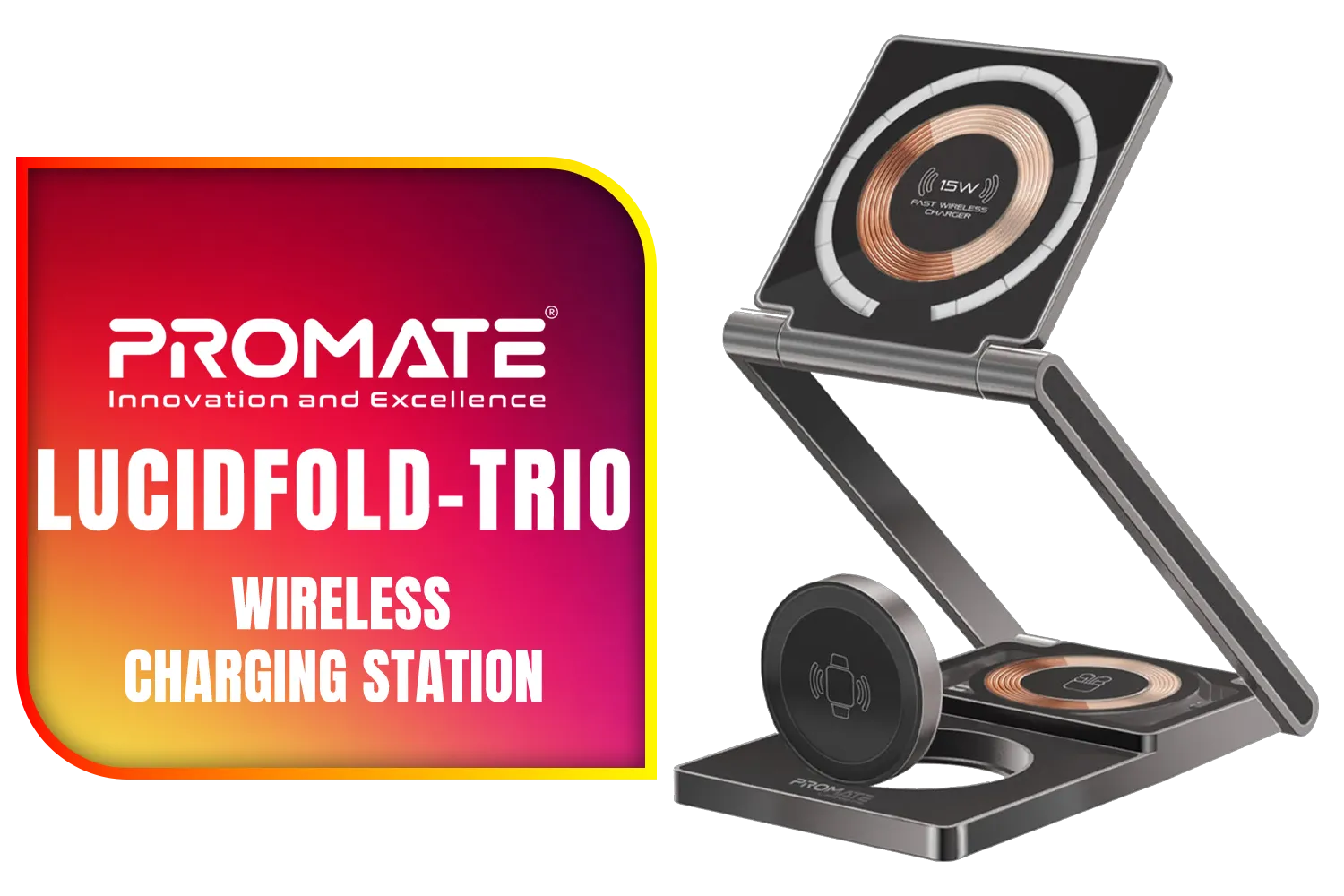
Promate LucidFold-Trio Wireless Charging Station / 3-in-1 Charging Station / 15W - Phone Charger / 5W - AirPods Charger / 3W - Apple Watch Charger / 1.2m Cable / LucidFold-Trio
R799.00In Stock
Promate 3-in-1 LED Alarm Clock with 15W Wireless Charger / 10.7lm Night Light with 3 Brightness Modes / Dual Alarm with Snooze Function / 15W Wireless Charger / 12Hr/24Hr Time Format / LUMIX-15W
R649.00In Stock
Mind the Gap (and the Case)
For the best results, make sure your phone is properly aligned on the charging coil. A poor connection makes the charger work harder, generating more heat. Similarly, very thick or metal cases can interfere with charging and trap heat. If your phone feels hot to the touch, try removing the case.
TIP FOR YOU
Activate Smart Charging ⚡
Your phone probably has a built-in feature to protect its battery. On iPhones, it's called "Optimised Battery Charging" (under Settings > Battery > Battery Health). On many Android devices, it's "Adaptive Charging." These features learn your daily routine and delay charging past 80% until just before you need it, reducing the time your battery spends at full charge.
Finding the Right Charger for Your Setup
Your tech ecosystem is more than just your phone. You've got a headset, a smartwatch, maybe a gaming mouse... and they all need power. Instead of a mess of cables, a multi-device charging station or a powerful wireless pad can streamline your desk. For gamers, managing power for all your gear is crucial. That's where dedicated charging accessories for gaming come in handy, ensuring everything is ready for your next session.
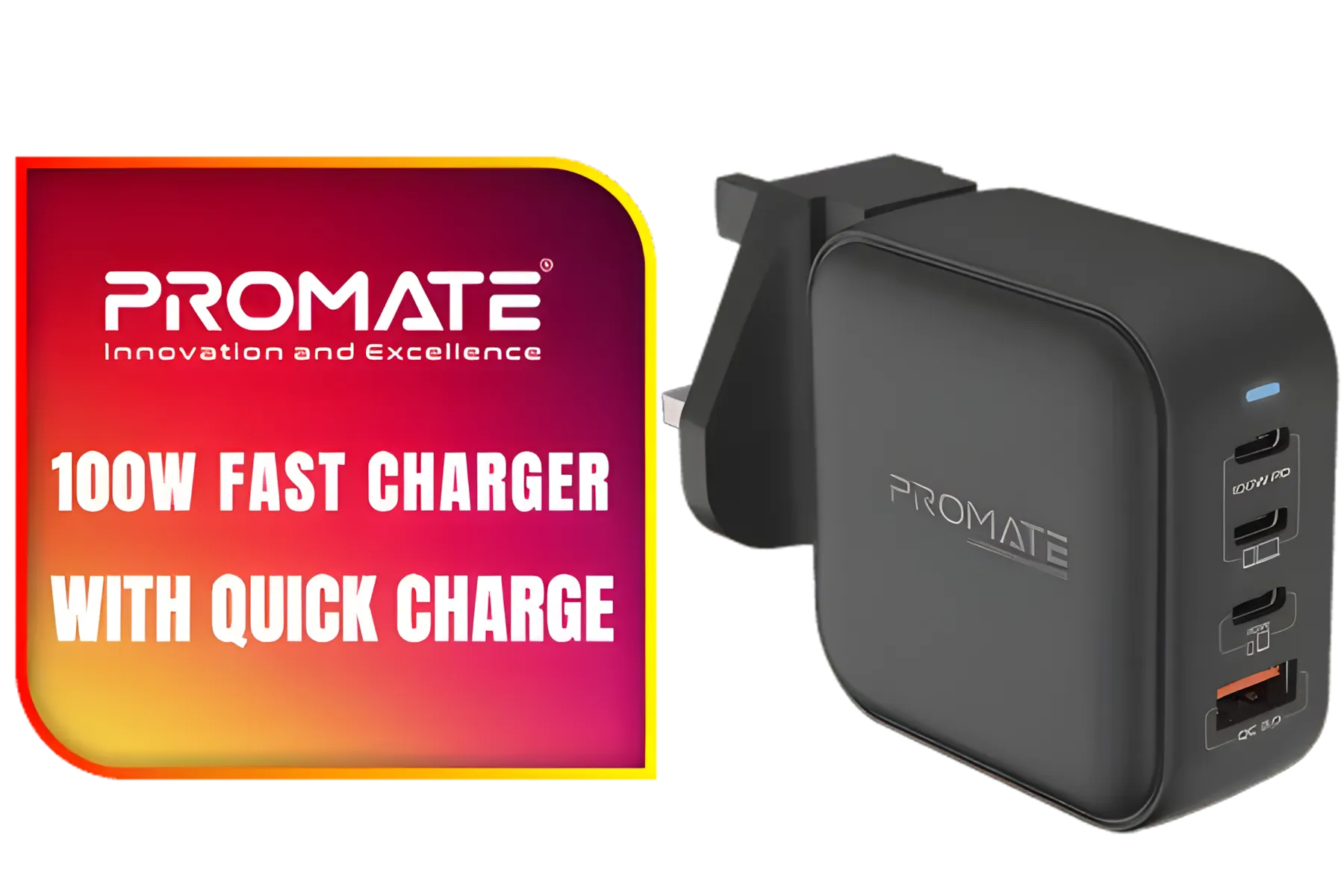
Promate 100W Charger with Quick Charge 3.0 / 100W Power Delivery / Qualcomm Quick Charge 3.0 / 4 Devices Simultaneous Charging / US/UK/EU/AU Plug / GANPORT4-100PD
R899.00In Stock
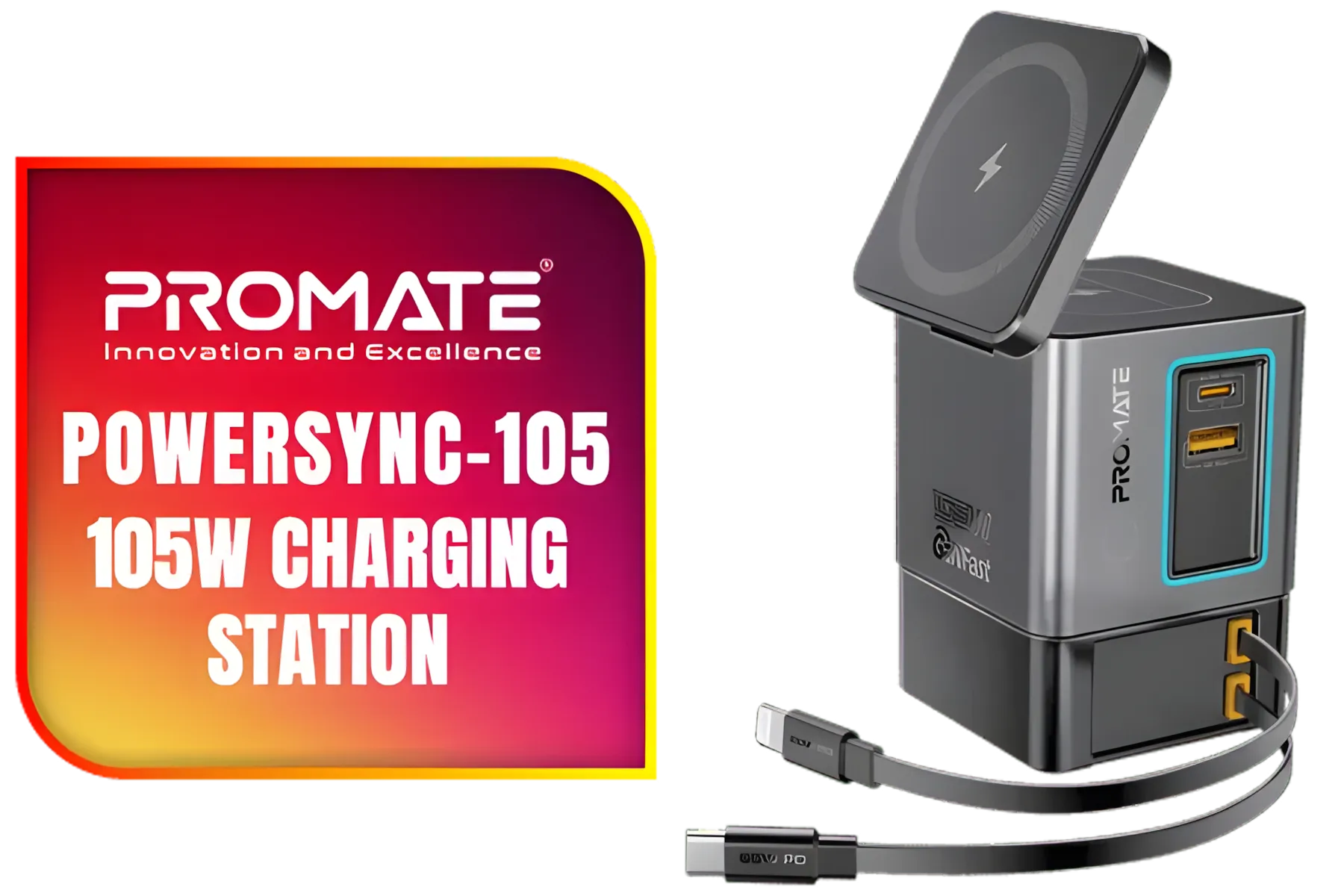
Promate PowerSync-105 105W Charging Station with Dual Retractable Cables / 15W MagSafe Compatible Wireless Charger / 65WPD USB-C Cable & 20W Lightning Cable / 5W Wireless Charger / RGB / PowerSync-105.EU
R1049.00In Stock
Promate 160W Universal Travel Adapter / 60W USB-A fast charging / Fast, cool charging with GaNFast™ / Triple 140W USB-C PD ports / Built-in 10A safety fuse / TripMate-GaN160
R1199.00In Stock

Promate 45W Power Delivery Charging Adapter - Black / 2 x 45W USB-C PD Ports / 22.5W QC 3.0 Ports • Surge Protection / Automatic Voltage Regulator / POWERPORT-45.BLACK.EU
R399.00In Stock
Promate Super-Speed Charging Station with Power Delivery 3.1 & Quick Charge 3.0 / 140W USB-C PD 3.1 / 100W & 30W USB-C PD Ports / 18W QC 3.0 Port / 1.8 Meter 240W PD Cable included / GANPORT-140W.EU
R1099.00In Stock
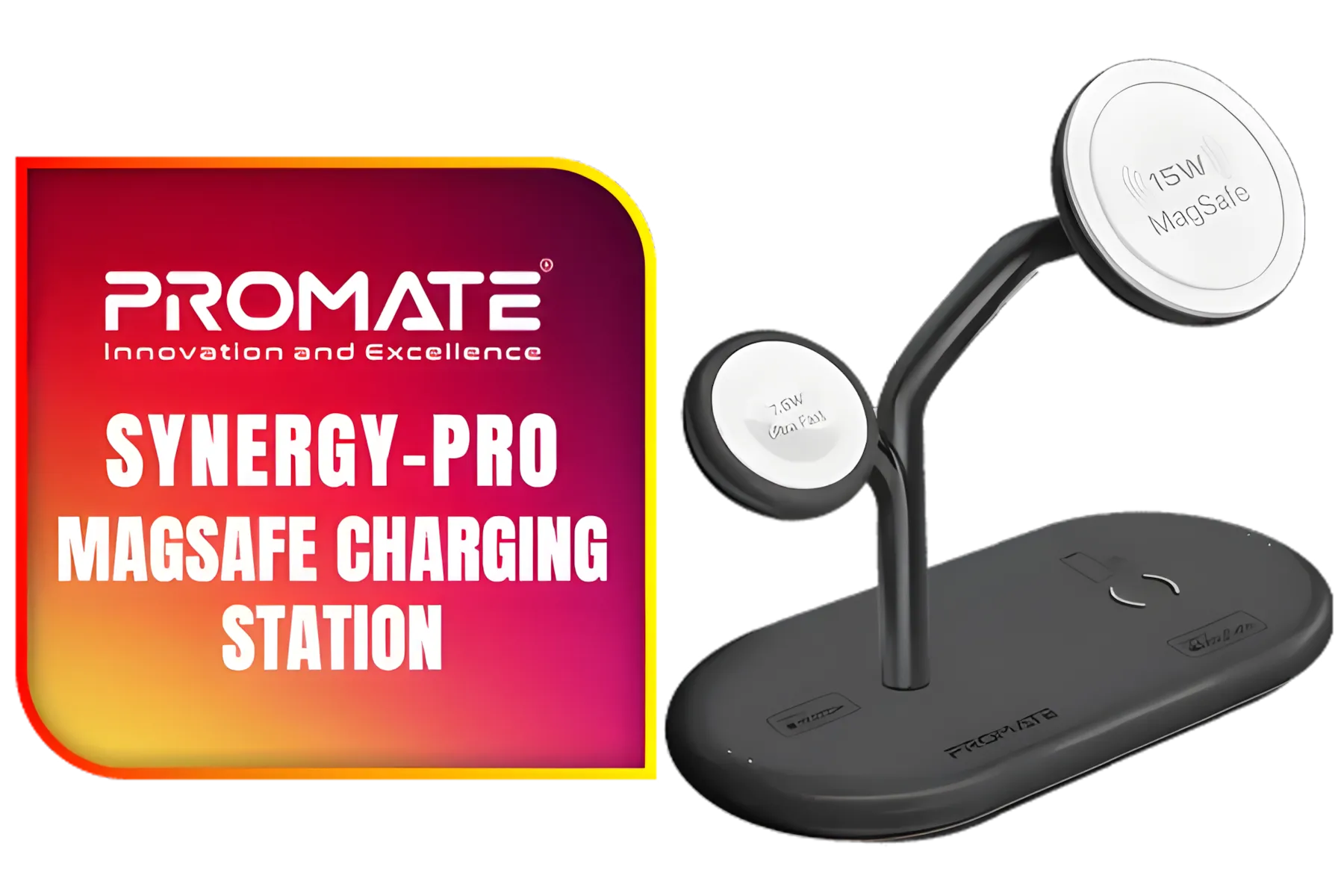
Promate Synergy-Pro MagSafe Charging Station - Black / MFi Certified 57W / 15W MagSafe Charger / 7.5W Apple Watch Charger / 10W Qi Charger / 24W USB-C Power Delivery / Qi Certifie / SYNERGY-PRO.BLACK
R899.00In Stock
The bottom line? The debate over wireless charging battery life is mostly settled. When you use certified equipment and follow best practices, it's just as safe as—and far more convenient than—plugging in a cable. So go ahead, enjoy the wire-free future without the battery anxiety.
Ready to Power Up Smarter? The myth that wireless charging kills your battery is just that... a myth. With the right gear and smart habits, you can enjoy the convenience without compromise. Don't let a dodgy charger ruin your expensive smartphone. Explore our full range of charging solutions and give your devices the power they deserve.
Related Products
GIZZU Wall Charger Dual USB Port 3.4A - White - GWC2U34W
R199.00In Stock
Promate LucidFold-Trio Wireless Charging Station / 3-in-1 Charging Station / 15W - Phone Charger / 5W - AirPods Charger / 3W - Apple Watch Charger / 1.2m Cable / LucidFold-Trio
R799.00In Stock
Promate 70W Travel Charging Adapter with Retractable Built-in USB-C Cable / Efficient GaN technology for cooler charging / 30W USB-A Quick Charge 3.0 / Built-in 10A surge protection / TripMate-GaN70R
R799.00In Stock
Promate Super-Speed Charging Station with Power Delivery 3.1 & Quick Charge 3.0 / 140W USB-C PD 3.1 / 100W & 30W USB-C PD Ports / 18W QC 3.0 Port / 1.8 Meter 240W PD Cable included / GANPORT-140W.EU
R1099.00In Stock
Promate 45W Power Delivery Charging Adapter - Black / 2 x 45W USB-C PD Ports / 22.5W QC 3.0 Ports • Surge Protection / Automatic Voltage Regulator / POWERPORT-45.BLACK.EU
R399.00In Stock
Promate 3-in-1 LED Alarm Clock with 15W Wireless Charger / 10.7lm Night Light with 3 Brightness Modes / Dual Alarm with Snooze Function / 15W Wireless Charger / 12Hr/24Hr Time Format / LUMIX-15W
R649.00In Stock
Not necessarily. While it can generate more heat, a key factor in battery degradation, modern chargers and phones have safeguards. The difference is often minimal with proper use.
Most modern phones stop charging at 100% and use optimized charging to protect the battery. It's generally safe, but avoiding constant full charges can help long-term health.
Wireless charging uses inductive coils, and this energy transfer isn't 100% efficient, creating waste heat. Proper alignment and using a quality charger minimizes this.
A common myth is that it drastically ruins your battery. The impact is small if you use certified Qi chargers. Another is that it's completely inefficient or unsafe.
Ensure your phone is aligned correctly on the pad, remove thick cases, avoid charging in direct sunlight, and use certified chargers to minimize heat and maximize efficiency.
Faster charging generates more heat, which can slightly accelerate battery degradation over time compared to slower charging. The impact is often minor for the average user.