

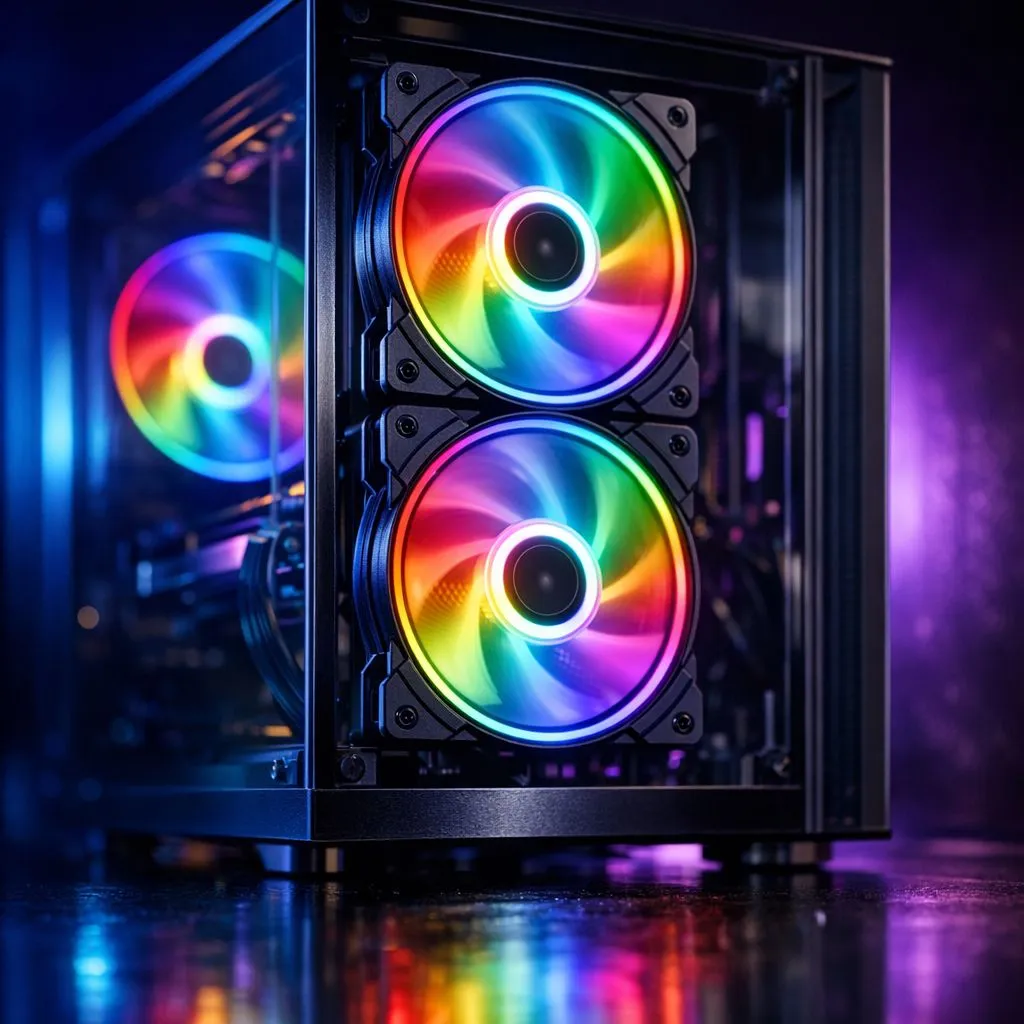
Building a custom PC in South Africa is an art form. You have spent hours picking the perfect GPU and CPU... now it is time to make it glow. Achieving the ARGB fans setup: best visual effect in tempered glass cases requires more than just plugging things in. It is about light diffusion, airflow balance, and choosing the right chassis to showcase your hard work. 🚀
Choosing the Right Foundation for Your Build
To get the most out of your lighting, you need the right foundation. High-quality computer cases act as a stage for your components. Tempered glass panels are essential here... they offer better clarity and scratch resistance than acrylic. This ensures your lighting remains crisp and vibrant for years to come. When selecting a case, consider how the glass is mounted. Seamless glass-to-glass joins provide a panoramic view of your ARGB fans without bulky pillars blocking the view.
Mastering the ARGB Aesthetic
Unlike standard RGB, Addressable RGB (ARGB) allows you to control each individual LED. This creates fluid transitions and complex patterns. If you are looking for premium aesthetics, Fractal Design PC cases often feature tinted glass that softens the glow... giving your build a sophisticated, "stealth" look. This prevents the LEDs from being too harsh on the eyes during late-night gaming sessions in the dark.
Lighting Pro Tip ⚡
When setting up your ARGB fans, try to sync them using a single software suite like ASUS Aura Sync or MSI Mystic Light. This ensures that your colour transitions move in perfect harmony across your fans, RAM, and motherboard. Avoid using different brands of controllers if possible... it keeps your cable management much cleaner.
Balancing Budget and Style in South Africa
You do not need to break the bank to get a stunning look. Many Gamdias gaming cases come pre-installed with ARGB fans. This saves you the hassle of buying and installing them separately. For those on a strict budget, exploring affordable cases under R1500 can still net you a tempered glass side panel and decent lighting options. ✨ These entry-level cases often include a built-in controller... making it easy to change colours with a single button on the front I/O.
Positioning Fans for Maximum Impact
Always place your brightest fans at the front and top. Use a "pull" configuration at the front to draw air in... while the rear and top fans act as exhaust. This creates a tunnel of light that illuminates your RAM and motherboard. If your case has a vertical GPU mount, the light reflecting off the GPU shroud can add another layer of depth to your ARGB fans setup: best visual effect in tempered glass cases. 🔧
Ready to Light Up Your Setup? The right case makes all the difference when building a showstopper PC. For the best selection and value in South Africa, our Build Lab experts recommend checking out our latest arrivals. Explore our massive range of computer cases and find the perfect chassis to showcase your ARGB masterpiece.











