Nothing kills the vibe faster than your PC crashing mid-game. One moment you’re about to clutch a round, the next you’re staring at a frozen screen or the dreaded Blue Screen of Death. It’s enough to make any South African gamer want to rage-quit for real. But before you throw your mouse, take a breath. Most PC problems are fixable. This free guide to gaming PC troubleshooting will walk you through the essential steps to get you back in the game. 🔧
Start with the Simple Stuff: Your First Troubleshooting Steps
Before you start tearing your rig apart, let's cover the basics. It sounds silly, but you'd be surprised how often the simplest solution works. This initial phase of PC troubleshooting is all about checking the obvious.
First, the universal fix: turn it off and on again. A full shutdown and reboot can clear temporary glitches in your system's memory. If the problem persists, check your physical connections. Is the power cable firmly plugged into both the wall and your PSU? Is your HDMI or DisplayPort cable secure at both ends? Sometimes a loose cable is all it takes to cause a black screen, especially for demanding titles like a fully modded Cyberpunk 2077 experience.
Diving into Software: Drivers and Game Settings
If the hardware connections are solid, the next culprit is usually software. Outdated drivers are one of the most common causes of crashes, stuttering, and graphical glitches. Your graphics card is the heart of your gaming experience, so keeping its drivers updated is non-negotiable.
- NVIDIA: Head to the GeForce Experience app or their website.
- AMD: Use the Adrenalin Software suite.
Always opt for a "clean installation" if the option is available. This removes old driver files that could cause conflicts. Beyond drivers, check for Windows updates and verify the integrity of your game files through Steam, Epic Games, or whichever launcher you use. This simple step can fix corrupted files that cause crashes in specific games, ensuring you have the edge in fast-paced shooters like Counter-Strike 2. Sometimes, in-game settings or overlays (like Discord or ShadowPlay) can cause instability, so try disabling them to see if it solves your issues.
Pro Driver Tip ⚡
For persistent graphics issues, a standard driver update might not be enough. Use a free tool called Display Driver Uninstaller (DDU) to completely wipe every trace of your old graphics drivers in Safe Mode. This ensures a truly fresh start and can solve stubborn conflicts that a normal installation won't fix.
Is Your PC Overheating? A Common Culprit
Modern gaming components generate a lot of heat. If your PC can't get rid of that heat effectively, it will protect itself by "thermal throttling"—slowing down performance to cool off. This often feels like sudden, severe lag or stuttering.
Download a free monitoring tool like HWMonitor or MSI Afterburner to check your CPU and GPU temperatures while gaming. If your components are consistently hitting 90°C or higher, you likely have a cooling problem.
The fix can be simple:
- Clean your PC: Dust is the enemy of airflow. Use compressed air to clean out dust from fans, heatsinks, and case filters.
- Check your fans: Make sure all your case fans and component fans are spinning correctly.
- Improve airflow: Ensure your PC has space to breathe and isn't crammed in a tight cabinet.
Proper cooling is vital, as overheating can cause stuttering in intense firefights in Call of Duty: Warzone 2.0 or even when just cruising through the massive world of GTA V.
Hardware Fault Finding: The Next Level of PC Troubleshooting
If software and temps are fine, it’s time to suspect a hardware component. This part of gaming PC troubleshooting requires a bit more confidence, but it's manageable. Always unplug your PC from the wall before opening the case.
Start with your RAM. A faulty stick of memory can cause random crashes and blue screens. Try removing all but one stick of RAM and see if the system is stable. Test each stick individually in the primary slot. Sometimes, just taking them out and putting them back in (reseating) can fix a poor connection.
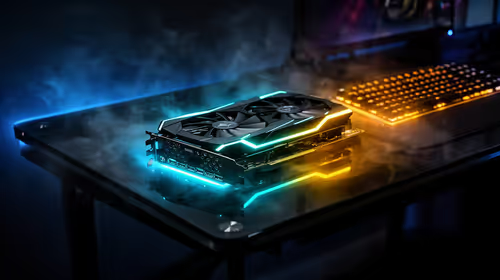
Next, check your GPU. Ensure it's fully seated in the PCIe slot and that its power connectors are clicked in securely. These checks are crucial whether you're building intricate worlds in Minecraft, fighting for that chicken dinner in PUBG, or getting lost in the creative chaos of Fortnite.
Knowing When It's Time for an Upgrade
Troubleshooting can fix a lot, but it can't fix old hardware that's simply out of its depth. If your PC is several years old and struggling with modern titles, no amount of tweaking will magically make it faster. If your rig struggles to even load complex simulations like Microsoft Flight Simulator, it might be a sign.
Sometimes, the best solution to ongoing issues is a strategic upgrade. A new GPU, more RAM, or a faster SSD can breathe new life into an aging machine. And if you're tired of the constant battle, a brand-new, professionally built PC offers peace of mind and epic performance right out of the box. After all, you want to spend your time gaming, not fixing. ✨ That's where a reliable machine built for today's top titles, from Overwatch 2 to the next big release, makes all the difference.
Ready for a Hassle-Free Gaming Experience?
This gaming PC troubleshooting guide can solve many problems, but sometimes the best fix is a fresh start. If you're tired of chasing issues, a modern, reliable rig is the ultimate upgrade. Explore our range of powerful, pre-built gaming PCs and get back to what matters... winning.