

Understanding Static Pressure vs Airflow for Radiator Fans in PC Builds
Building a high-end rig in South Africa means battling our unique climate, where ambient temperatures can climb quickly during a summer heatwave. If you are planning a custom loop or an AIO setup, choosing the right fans is just as critical as picking the best CPU. Many builders get confused between static pressure and airflow, often leading to thermal throttling that ruins your frame rates. 🔧
Why Static Pressure Matters for Radiators
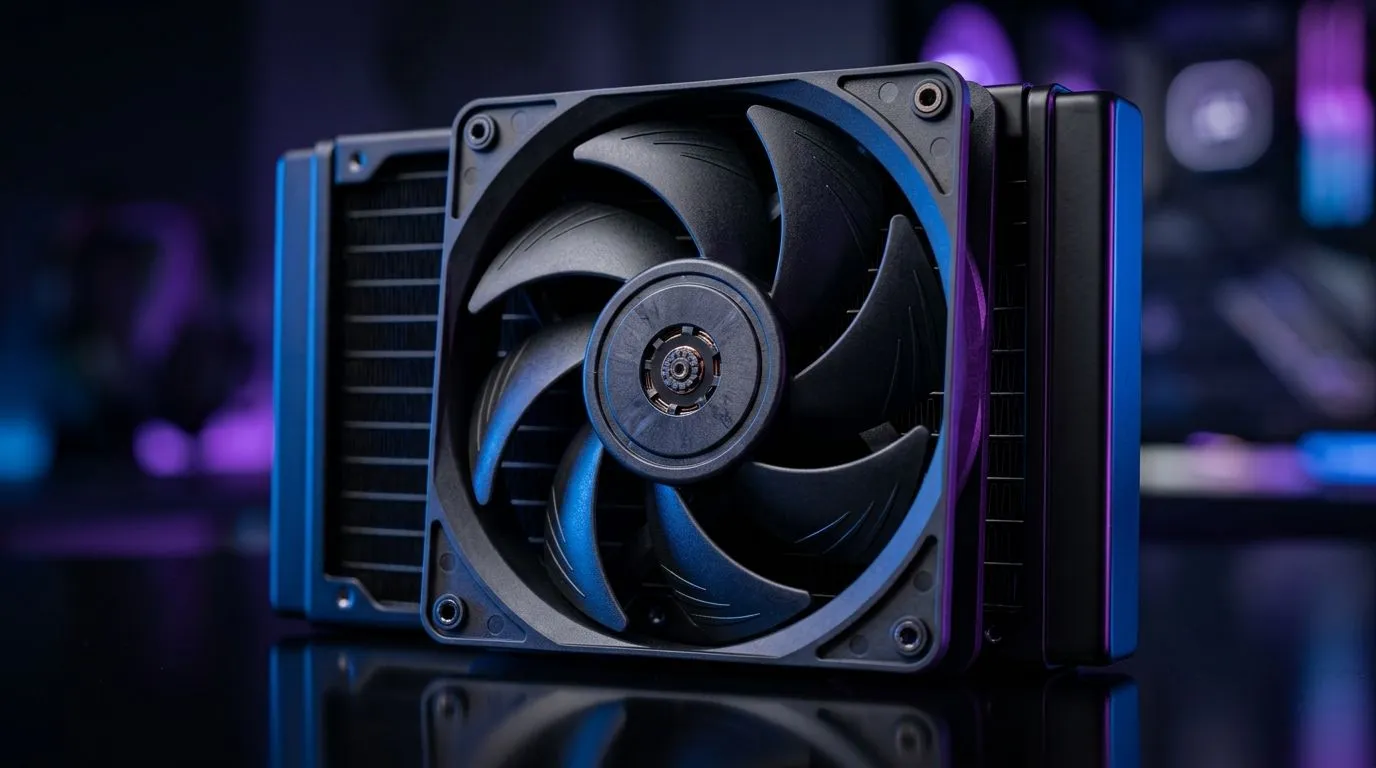
When you look at a radiator, it is essentially a dense wall of metal fins. Air cannot simply pass through it; it needs to be "pushed" through. This is where static pressure fans excel. They are designed to overcome the resistance of the radiator core, ensuring cool air reaches every part of the heat exchanger. If you are browsing our CPU coolers category, always check the fan specifications for high static pressure ratings.
Balancing Airflow in Your Chassis
While radiators need pressure, your case needs airflow. High-airflow fans are designed to move large volumes of air through open spaces, perfect for intake or exhaust duties. For those investing in a liquid cooler (AIO), it is often a balancing act. Premium brands like Corsair offer fans specifically tuned for these high-resistance environments, ensuring your processor stays frosty under heavy load.
Cooling Efficiency Pro Tip ⚡
When mounting fans to a radiator, ensure you use the rubber gaskets provided. This prevents air leakage around the edges of the fan frame, forcing all that concentrated air directly through the radiator fins instead of letting it escape sideways.
Choosing the Right Size for Your Build
The size of your radiator also dictates your fan configuration. A larger 360mm radiator provides more surface area, allowing for slower fan speeds and quieter operation. Alternatively, a 240mm radiator is often perfect for mid-tower builds where space is at a premium. If you prefer a distinct aesthetic and reliable performance, Deepcool options remain a favourite among local enthusiasts for their excellent price-to-performance ratio. 🚀
Mastering the static pressure vs airflow for radiator fans debate will keep your system running cooler for longer. By matching your fan type to its specific task, you avoid unnecessary noise and heat buildup. ✨
Ready to Find Your Perfect Match? Cooling is the heart of a stable PC. Whether you are building from scratch or upgrading your current rig, our experts are here to help. Explore our massive range of CPU cooling solutions and keep your temperatures in check today.











