


Headset Stock Levels in Bloemfontein: January 2026 Report
Headset Stock Levels in Bloemfontein: January. Current stock data & price tracking for SA buyers. See what is available and where prices are heading.
Read moreCooler Backplate: Compatibility Check. Compatibility matrix for SA buyers. Avoid mismatched parts and buy the right combination first time.
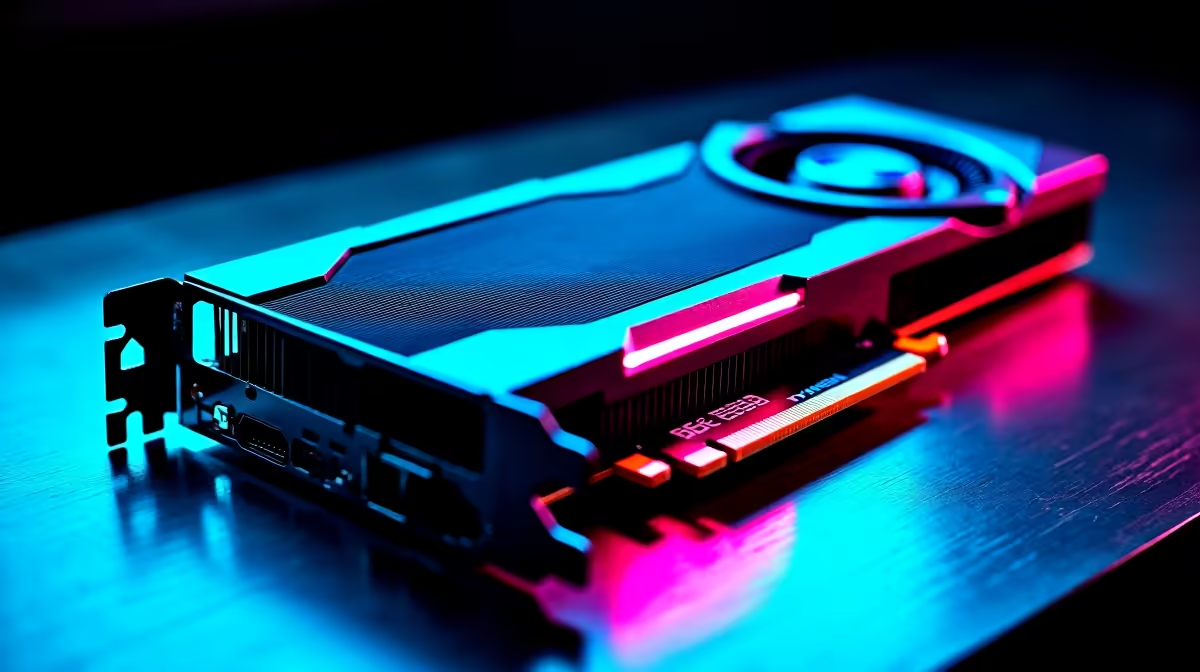
When installing an aftermarket CPU cooler in South Africa, the backplate is one of the first things that can go wrong - and it's one of the most overlooked compatibility factors. Getting your cooler's backplate wrong means either a cooler that doesn't mount correctly or a CPU socket that gets damaged in the process.
CPU cooler backplate compatibility depends on your CPU socket (Intel LGA 1700, LGA 1851, AMD AM4, AM5) and whether your motherboard has a pre-installed backplate or requires the one supplied with the cooler. Always verify the cooler's socket compatibility list before purchasing, and check if your motherboard's stock backplate needs to be removed.
Every CPU socket has a specific mounting standard. Intel's LGA 1700 and the newer LGA 1851 use different hole spacing from AMD's AM4 and AM5 sockets. Most quality aftermarket coolers include multiple backplate configurations in the box - typically one for AMD AM4/AM5 and separate hardware for Intel LGA 1700/1851. Before installing, identify your CPU socket (check your CPU box or motherboard manual), then locate the matching backplate set in your cooler's packaging. Using the wrong backplate will leave the mounting screws misaligned, which means the cooler won't make proper contact with the CPU - and your temperatures will spike. Pair a properly mounted cooler with a quality CPU for the best thermal performance.
Some motherboards - particularly high-end Z-series and X-series boards - come with a pre-installed metal backplate that may conflict with aftermarket cooler backplates. Check whether your motherboard has a pre-installed backplate on the rear of the PCB before installing your cooler's supplied one. If it does, you'll typically need to remove it first, though some coolers (especially Noctua's SecuFirm system) are designed to work with pre-installed backplates. Also check the clearance around your CPU socket for capacitors or VRM heatsinks that might block the backplate's mounting posts - this is especially relevant on Mini-ITX and Micro-ATX builds. Shop CPU coolers at Evetech and use the socket filter to narrow down compatible options.
Before purchasing any aftermarket cooler, run through this checklist: confirm your CPU socket type, check the cooler's supported socket list (available on the manufacturer's page), verify the cooler's TDP rating exceeds your CPU's rated TDP, check that the cooler height fits inside your PC case, and confirm whether you'll need to remove the stock motherboard backplate. Most reputable cooler manufacturers list socket compatibility prominently - if it's not listed, assume it's not supported.
Q: Can I use an AM4 backplate on an AM5 motherboard? A: In many cases yes - AMD maintained the same mounting hole spacing between AM4 and AM5, so many coolers designed for AM4 are physically compatible with AM5 boards. However, always verify with the cooler manufacturer.
Q: What happens if I use the wrong backplate? A: The cooler won't mount at the correct pressure, leading to poor thermal contact, high CPU temperatures, and potentially damaged mounting hardware or the motherboard PCB.
Q: Do all aftermarket coolers include a backplate? A: Most do, but budget coolers sometimes only include hardware for one platform. Check the box contents carefully before buying, especially if you're on a less common socket like LGA 1851.
Evetech stocks Graphics Card Deals and Evetech Best Sellers — shop online with fast delivery across South Africa.
Ready to Find Your Perfect Match? Find the right CPU cooler for your socket at Evetech with full compatibility listings.
Cooler Backplate: Compatibility Check available at Evetech.co.za with local warranty and fast delivery.
Cooler Backplate: Compatibility Check - check Evetech for latest stock and SA pricing.
Depends on your use case. Cooler Backplate: Compatibilit offers good value at current Rand pricing.
Headset Stock Levels in Bloemfontein: January. Current stock data & price tracking for SA buyers. See what is available and where prices are heading.
Read more
iMac for Medical Practice: Patient Management. SA-focused analysis with local pricing data, real-world insights & actionable buying advice.
Read more
RTX 5060 Fortnite Ultra Settings at 1080p: FPS. Real-world benchmark data, FPS numbers & performance analysis. What SA gamers can actually expect.
Read more
Headset Stock Levels in Cape Town: August Report. Current stock data & price tracking for SA buyers. See what is available and where prices are heading.
Read more
Eskom Load Shedding During Video Call: Solutions. SA-focused analysis with local pricing data, real-world insights & actionable buying advice.
Read more
LoL Performance on Extreme Gaming PC. Real-world benchmark data, FPS numbers & performance analysis. What SA gamers can actually expect.
Read more
Is a Ultra Short Throw Projector Good for Gaming?. Diagnosis steps, proven fixes & when to seek professional help. SA-specific support info included.

Is a Short Throw Projector Good for Gaming? Input. Diagnosis steps, proven fixes & when to seek professional help. SA-specific support info included.

Top Mouse Settings for Competitive FPS: Sensitivity picks evaluated on performance, value & SA availability with current Rand pricing from Evetech.

Top Speakers for MacBook Desk Setup picks evaluated on performance, value & SA availability with current Rand pricing from Evetech.

Is a Ergonomic Chair Better Than a Standard Office Chair for Gaming Detailed answer with SA data, expert analysis & practical recommendations for local buyers.

Use Spotlight Search Like a Pro on macOS. Step-by-step instructions with SA-specific tips, common pitfalls to avoid & expert recommendations.

wireless keyboard Fan Noise Too Loud: Quiet. Everything you need to know with SA pricing, step-by-step instructions & expert recommendations.

Connection Timeout: Troubleshooting Guide #2. Diagnosis steps, proven fixes & when to seek professional help. SA-specific support info included.
Headset Stock Levels in Bloemfontein: January. Current stock data & price tracking for SA buyers. See what is available and where prices are heading.
iMac for Medical Practice: Patient Management. SA-focused analysis with local pricing data, real-world insights & actionable buying advice.
RTX 5060 Fortnite Ultra Settings at 1080p: FPS. Real-world benchmark data, FPS numbers & performance analysis. What SA gamers can actually expect.
Headset Stock Levels in Cape Town: August Report. Current stock data & price tracking for SA buyers. See what is available and where prices are heading.