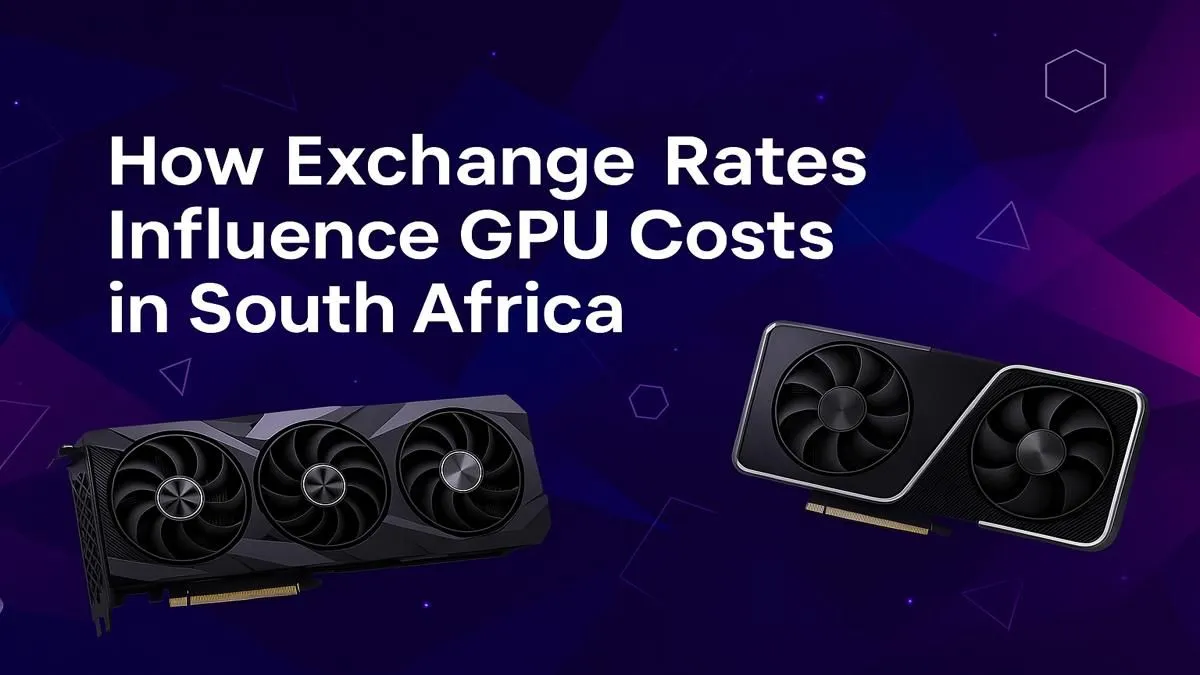
Ever watched a new GPU launch, seen the US dollar price, and then felt the sting when the Rand price lands? You're not alone. The journey from the factory to your PC case is a wild ride, and the biggest factor influencing GPU prices in South Africa isn't just new tech... it's the volatile ZAR/USD exchange rate 💹. Let's break down why that shiny new graphics card costs what it does, and how you can be a smarter buyer.
The Dollar Dilemma: Why the Exchange Rate is King
At its core, the issue is simple: all major tech components, including graphics cards, are priced internationally in US Dollars. When a local retailer like Evetech imports stock, we pay our suppliers in dollars. This means the final Rand price you see is directly tied to the strength of our currency at that moment.
If the Rand weakens against the Dollar, the cost to bring in the exact same hardware goes up. This fluctuation is the primary reason why GPU prices in South Africa can change, sometimes seemingly overnight, even if the international price hasn't moved. This affects every single brand, from the most popular NVIDIA and AMD graphics cards to the latest market entries.
More Than Just the Rate: The GPU's Journey to SA 🚢
The exchange rate is the biggest piece of the puzzle, but it's not the only one. Several other costs are baked into the final price before a GPU even hits our shelves. Understanding these helps paint a clearer picture of the final cost.
Shipping, Insurance, and Duties
Getting thousands of high-value, fragile electronics from Asia or North America to South Africa is a complex logistical exercise. The final price includes:
- International Shipping: Air freight is fast but expensive.
- Insurance: To protect against damage or loss in transit.
- Import Duties & Taxes: SARS levies taxes on imported electronics, which adds a significant percentage to the base cost.
These unavoidable costs apply to every component, whether you're eyeing the latest from Team Green's powerful GeForce lineup or a high-value card from the AMD Radeon family.
Local Distribution and Support
Once the graphics cards land in South Africa 🇿🇦, there are local costs to consider. This includes secure warehousing, local distribution to our branches, and the cost of providing world-class customer service and warranty support. This entire chain ensures you get a genuine product with a reliable local warranty.
Pro Buyer Tip 💡
Keep an eye on the ZAR USD exchange rate. If you notice the Rand strengthening for a few consecutive days, it might be a good time to check for price updates. While not instant, a stronger Rand often leads to better pricing on new stock shipments. Patience can literally save you hundreds of Rands.
How to Navigate Fluctuating GPU Prices in South Africa
So, how can you make the best purchasing decision? The key is to stay informed and be strategic. The market forces impact every card, from budget-friendly options like Intel's Arc series to the ultra-specialised workstation graphics cards used by creative professionals.
Your budget and performance needs are unique. Instead of waiting indefinitely for a "perfect" price that may never come, focus on the value a new GPU provides to you right now. Also, remember to budget for any potential upgrades your new card might need, such as power adapters or support brackets, which you can find in our graphics card accessories section.
Ready to Find Your Perfect Match? Understanding GPU prices in South Africa is the first step. The next is finding the right card at the right price. Explore our best graphics card deals and equip your rig with the power it deserves.