


Headset Stock Levels in Bloemfontein: January 2026 Report
Headset Stock Levels in Bloemfontein: January. Current stock data & price tracking for SA buyers. See what is available and where prices are heading.
Read moreHeadset Technology: Before 2020 Evolution in. Technology trajectory, what it means for SA buyers & how to future-proof your next purchase.
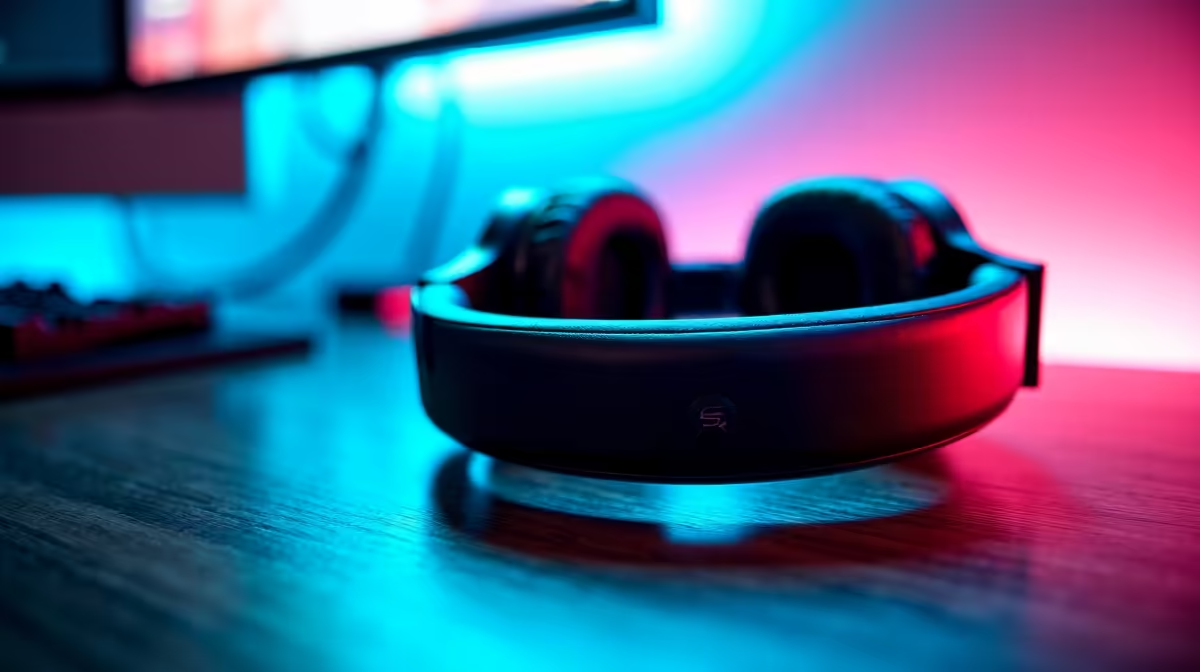
Headset technology before 2020 in South Africa evolved through three key phases: stereo analogue headsets, the shift to USB and digital audio processing, and the rise of wireless with early Bluetooth and proprietary 2.4GHz connections. Each phase improved audio quality, comfort, and functionality for SA gamers.
The gaming headset you use today is the product of decades of incremental engineering decisions. Understanding where headset technology stood before 2020 provides useful context for appreciating how far the category has come - and why certain design choices persist in modern headsets. Here is a look at the evolution of gaming headsets up to the end of the 2010s.
For most of the 2000s and into the early 2010s, gaming headsets in South Africa and globally were defined by the 3.5mm analogue connection. Dual-jack headsets - one plug for audio output, one for the microphone - were the standard for PC gaming, while single TRRS jacks served the console and mobile market. Audio processing happened in the sound card, which meant the quality of your headset experience was heavily influenced by whether your PC had a dedicated sound card or relied on onboard audio. In the South African market, affordability was a major driver: locally available headsets at accessible price points prioritised durability and acceptable audio quality over premium acoustic engineering. Brands that made their names in this era built sturdy wired headsets designed to survive the rough treatment of LAN events and shared gaming setups.
The introduction of USB headsets with onboard digital-to-analogue converters and dedicated DSP chips changed the equation significantly. By bypassing the PC''s sound card entirely and doing audio processing within the headset''s own hardware, USB headsets delivered more consistent audio quality regardless of the host PC''s internal components. This era also saw the introduction of 7.1 virtual surround sound processing - a feature that became a significant marketing battleground across the industry. For competitive gaming, virtual surround helped players locate in-game audio cues like footsteps more precisely, which had genuine gameplay implications. Headset manufacturers also began investing more seriously in microphone quality during this period, moving from basic omnidirectional capsules toward directional and noise-cancelling designs better suited to voice chat in noisy LAN environments.
The late 2010s brought viable wireless gaming headsets to a wider audience. Early Bluetooth gaming headsets suffered from latency that was noticeable during fast-paced gameplay, but proprietary 2.4GHz wireless implementations - which prioritised low latency over range - largely solved this problem for PC and console use. By 2018–2019, wireless headsets had become genuinely competitive with their wired counterparts for all but the most demanding competitive players. Battery life improved significantly across the category, with many flagship headsets offering 15–20 hours of wireless playback on a charge. For South African gamers, wireless headsets introduced a useful consideration around load-shedding: a wireless headset with a well-charged battery can keep gaming sessions going through outages in a way that USB-powered wired alternatives sometimes cannot.
Q: When did wireless gaming headsets become viable before 2020? A: Proprietary 2.4GHz wireless headsets became genuinely low-latency and reliable around 2016–2018, with flagship wireless models offering performance comparable to wired headsets by 2018–2019.
Q: Were gaming headsets in SA affordable before 2020? A: The SA market had a wide range of price points before 2020. Budget wired headsets were accessible at entry-level prices, while flagship wireless models carried significant premiums reflecting import and currency costs of the local market.
Q: Did virtual surround sound in headsets before 2020 actually help gaming? A: Virtual 7.1 surround processing provided a meaningful advantage for positional audio in games that implemented audio well, particularly for locating footsteps and environmental sounds. Its effectiveness varied by game and personal preference.
Ready to Find Your Perfect Match? Shop gaming headsets at Evetech - South Africa''s leading gaming and tech retailer.
Headset Technology: Before 2020 Evolutio available at Evetech.co.za with local warranty and fast delivery.
Headset Technology: Before 2020 Evolutio - check Evetech for latest stock and SA pricing.
Depends on your use case. Headset Technology: Before 202 offers good value at current Rand pricing.
Headset Stock Levels in Bloemfontein: January. Current stock data & price tracking for SA buyers. See what is available and where prices are heading.
Read more
iMac for Medical Practice: Patient Management. SA-focused analysis with local pricing data, real-world insights & actionable buying advice.
Read more
RTX 5060 Fortnite Ultra Settings at 1080p: FPS. Real-world benchmark data, FPS numbers & performance analysis. What SA gamers can actually expect.
Read more
Headset Stock Levels in Cape Town: August Report. Current stock data & price tracking for SA buyers. See what is available and where prices are heading.
Read more
Eskom Load Shedding During Video Call: Solutions. SA-focused analysis with local pricing data, real-world insights & actionable buying advice.
Read more
LoL Performance on Extreme Gaming PC. Real-world benchmark data, FPS numbers & performance analysis. What SA gamers can actually expect.
Read more
Is a Ultra Short Throw Projector Good for Gaming?. Diagnosis steps, proven fixes & when to seek professional help. SA-specific support info included.

Is a Short Throw Projector Good for Gaming? Input. Diagnosis steps, proven fixes & when to seek professional help. SA-specific support info included.

Top Mouse Settings for Competitive FPS: Sensitivity picks evaluated on performance, value & SA availability with current Rand pricing from Evetech.

Top Speakers for MacBook Desk Setup picks evaluated on performance, value & SA availability with current Rand pricing from Evetech.

Is a Ergonomic Chair Better Than a Standard Office Chair for Gaming Detailed answer with SA data, expert analysis & practical recommendations for local buyers.

Use Spotlight Search Like a Pro on macOS. Step-by-step instructions with SA-specific tips, common pitfalls to avoid & expert recommendations.

wireless keyboard Fan Noise Too Loud: Quiet. Everything you need to know with SA pricing, step-by-step instructions & expert recommendations.

Connection Timeout: Troubleshooting Guide #2. Diagnosis steps, proven fixes & when to seek professional help. SA-specific support info included.
Headset Stock Levels in Bloemfontein: January. Current stock data & price tracking for SA buyers. See what is available and where prices are heading.
iMac for Medical Practice: Patient Management. SA-focused analysis with local pricing data, real-world insights & actionable buying advice.
RTX 5060 Fortnite Ultra Settings at 1080p: FPS. Real-world benchmark data, FPS numbers & performance analysis. What SA gamers can actually expect.
Headset Stock Levels in Cape Town: August Report. Current stock data & price tracking for SA buyers. See what is available and where prices are heading.