


Headset Stock Levels in Bloemfontein: January 2026 Report
Headset Stock Levels in Bloemfontein: January. Current stock data & price tracking for SA buyers. See what is available and where prices are heading.
Read moreMonitor Energy Efficiency: Gaming Impact. SA-focused analysis with local pricing data, real-world insights & actionable buying advice.
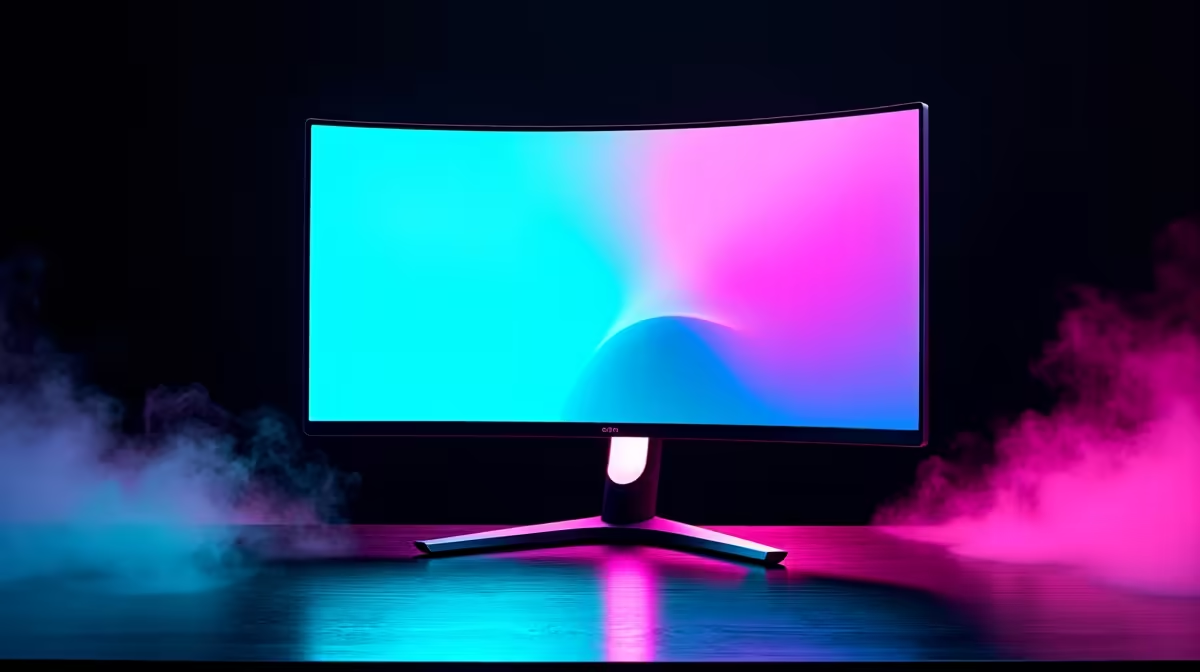
Modern SA gaming monitors draw between 18W and 65W depending on size, panel tech and brightness. A typical 27-inch 1440p IPS used 8 hours a day costs roughly R20 to R45 per month at current Eskom and municipal tariffs, while loadshedding-friendly OLEDs trim that further at lower brightness. UPS sizing also depends directly on this number.
At around R3.50 per kWh in most SA metros for 2026, a 30W monitor used 8 hours a day works out to roughly R25 a month. A power-hungry 38-inch ultrawide pulling 60W tips that closer to R50. OLEDs are surprisingly efficient at moderate brightness because pixels switch off entirely on dark scenes, so a 27-inch QD-OLED running at 50% brightness can sit closer to 25W during gaming. Mini-LED panels with full local dimming pull more, often 45 to 80W, due to thousands of backlight zones running hard during HDR scenes.
Brightness is the single biggest variable. Cranking your monitor from 30% to 100% can almost double power draw. SA gamers playing in well-lit lounges often run at 60 to 70%, which is the sweet spot for both eye comfort and electricity. HDR mode kicks in higher peak brightness and also raises consumption. Higher refresh rates only add a small amount of draw, so going from 60Hz to 240Hz on the same panel typically adds just a few watts. Always disable HDR on the desktop and only flip it on for content that supports it, otherwise you're paying for brightness you don't see.
When Stage 4 loadshedding hits, your UPS keeps the rig running, and a smaller monitor draw stretches that runtime. Pair a 1,500VA UPS with a 30W monitor, mid-range PC pulling 250W under gaming load, and you'll get roughly 25 to 35 minutes of uptime, plenty to finish a Valorant round and shut down cleanly. Drop to a 65W mini-LED and that runtime shrinks. If loadshedding hits hard in your area, prioritise efficient IPS or efficient OLED panels and you'll save both rand and runtime.
Not really. Going from 60Hz to 165Hz on an IPS panel typically adds just 2 to 5W. Brightness, panel tech and HDR mode are far bigger contributors than refresh rate.
Yes. OLEDs run cooler and use less power on average gaming and desktop content compared to mini-LED, because dark pixels draw zero power. Just keep brightness reasonable to extend panel lifespan and your wallet.
A cheap inline power meter from any SA hardware shop costs around R250 to R400 and clamps between your wall socket and the monitor. Plug it in, run gaming, desktop and HDR content, and you'll see real-world numbers within minutes.
Ready to Find Your Perfect Match? Upgrade to an efficient SA-ready gaming monitor today. Browse gaming monitors at Evetech
Monitor Energy Efficiency: SA Gaming Imp available at Evetech.co.za with local warranty and fast delivery.
Monitor Energy Efficiency: SA Gaming Imp - check Evetech for latest stock and SA pricing.
Depends on your use case. Monitor Energy Efficiency: SA offers good value at current Rand pricing.
Headset Stock Levels in Bloemfontein: January. Current stock data & price tracking for SA buyers. See what is available and where prices are heading.
Read more
iMac for Medical Practice: Patient Management. SA-focused analysis with local pricing data, real-world insights & actionable buying advice.
Read more
RTX 5060 Fortnite Ultra Settings at 1080p: FPS. Real-world benchmark data, FPS numbers & performance analysis. What SA gamers can actually expect.
Read more
Headset Stock Levels in Cape Town: August Report. Current stock data & price tracking for SA buyers. See what is available and where prices are heading.
Read more
Eskom Load Shedding During Video Call: Solutions. SA-focused analysis with local pricing data, real-world insights & actionable buying advice.
Read more
LoL Performance on Extreme Gaming PC. Real-world benchmark data, FPS numbers & performance analysis. What SA gamers can actually expect.
Read more
Is a Ultra Short Throw Projector Good for Gaming?. Diagnosis steps, proven fixes & when to seek professional help. SA-specific support info included.

Is a Short Throw Projector Good for Gaming? Input. Diagnosis steps, proven fixes & when to seek professional help. SA-specific support info included.

Top Mouse Settings for Competitive FPS: Sensitivity picks evaluated on performance, value & SA availability with current Rand pricing from Evetech.

Top Speakers for MacBook Desk Setup picks evaluated on performance, value & SA availability with current Rand pricing from Evetech.

Is a Ergonomic Chair Better Than a Standard Office Chair for Gaming Detailed answer with SA data, expert analysis & practical recommendations for local buyers.

Use Spotlight Search Like a Pro on macOS. Step-by-step instructions with SA-specific tips, common pitfalls to avoid & expert recommendations.

wireless keyboard Fan Noise Too Loud: Quiet. Everything you need to know with SA pricing, step-by-step instructions & expert recommendations.

Connection Timeout: Troubleshooting Guide #2. Diagnosis steps, proven fixes & when to seek professional help. SA-specific support info included.
Headset Stock Levels in Bloemfontein: January. Current stock data & price tracking for SA buyers. See what is available and where prices are heading.
iMac for Medical Practice: Patient Management. SA-focused analysis with local pricing data, real-world insights & actionable buying advice.
RTX 5060 Fortnite Ultra Settings at 1080p: FPS. Real-world benchmark data, FPS numbers & performance analysis. What SA gamers can actually expect.
Headset Stock Levels in Cape Town: August Report. Current stock data & price tracking for SA buyers. See what is available and where prices are heading.