


Headset Stock Levels in Bloemfontein: January 2026 Report
Headset Stock Levels in Bloemfontein: January. Current stock data & price tracking for SA buyers. See what is available and where prices are heading.
Read moreWindows 12 CorePC Modular Architecture: Lighter,. SA-focused analysis with local pricing data, real-world insights & actionable buying advice.
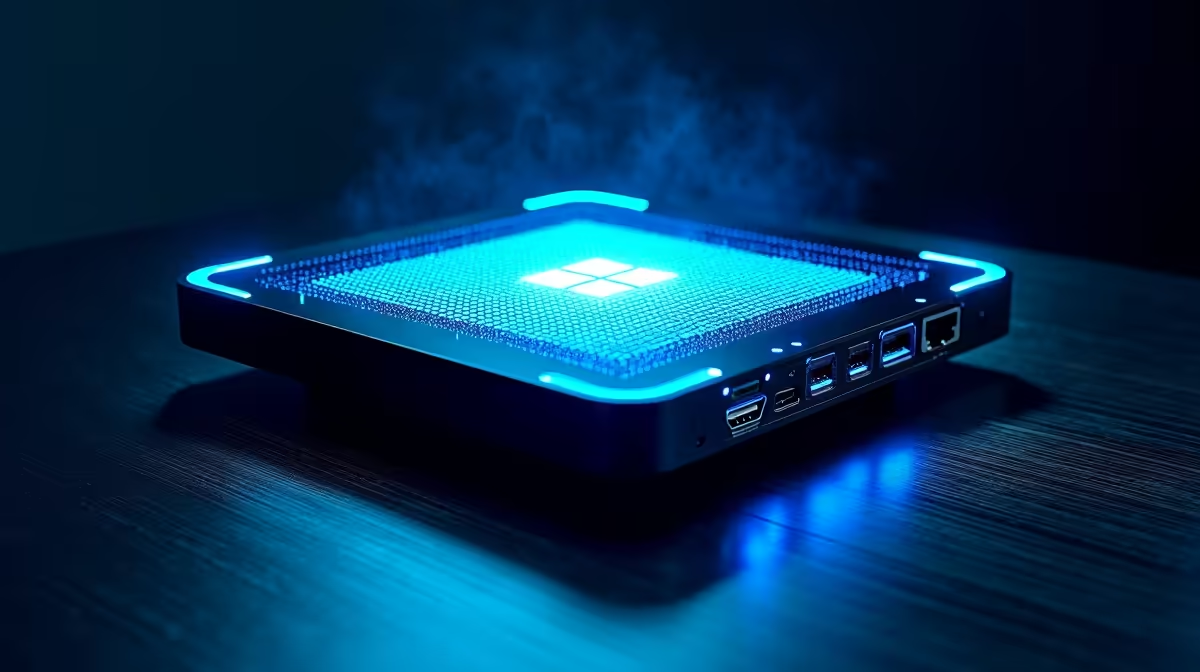
Windows 12 CorePC is Microsoft's modular operating system architecture that separates the core OS components from device-specific features, making Windows lighter, faster to deploy, and more customisable for different hardware categories.
Microsoft's CorePC concept, which has been in development and public discussion leading into the Windows 12 era, represents a fundamental rethinking of how Windows is structured internally. Rather than shipping a monolithic operating system where every feature and driver layer is baked together, CorePC separates the OS into distinct functional layers: the core platform layer, a device-specific compatibility layer, and an experience layer that delivers the user interface and features appropriate to the hardware class.
The practical implication of this split is that a budget education device, a high-end gaming desktop, a Surface tablet, and a factory-floor industrial PC can all run Windows 12 but with very different resource footprints and feature sets. Microsoft can enable or disable entire compatibility sub-layers depending on what the device category needs. For a gaming-optimised Windows 12 build on a high-end PC, this means the OS can be leaner by stripping out legacy compatibility shims that modern PC gaming does not require. For an entry-level education device, it means a much smaller OS footprint that runs adequately on modest hardware.
This architecture also improves Microsoft's ability to update the OS at a component level rather than monolithic updates that require full system restarts and considerable update size. Smaller, more targeted updates are one of the most user-visible benefits of the modular design.
For South African gaming PC builders and laptop buyers, the CorePC architecture in Windows 12 carries several tangible performance implications. The reduction in background process overhead from a leaner OS design means more CPU and RAM headroom for games and applications. On a mid-range system with 16GB of RAM, the difference between Windows 11's baseline memory consumption and a lean CorePC configuration can amount to 1-2GB of additional available RAM, which translates into reduced memory pressure in RAM-intensive games and content creation applications.
Faster boot times and resume from sleep are another CorePC benefit that SA users will appreciate in the context of loadshedding. When power returns after an outage and a laptop resumes from battery-backed sleep, or a desktop boots after the grid reconnects, a leaner OS that resumes or posts faster reduces the frustration of the recovery process. Boot times on NVMe SSDs under Windows 12 CorePC configurations in developer previews have been consistently faster than comparable Windows 11 setups, with some reports indicating 20-30% improvement in time-to-desktop.
Driver modularity is another component of CorePC that has practical implications. Because device-specific functionality is isolated in its own layer, driver updates and hardware compatibility can be managed without touching the core OS layer. This reduces the risk of a GPU driver update destabilising the entire system, which has been a frustration for gamers on Windows 11 in cases where a bad driver release triggered system-wide instability.
The customisability aspect of CorePC extends beyond raw performance. IT administrators managing large fleets of corporate or educational devices can deploy specific Windows 12 configurations that include only the features and applications relevant to their use case. A school deploying 500 laptops to students can create a CorePC image without gaming-related features or certain consumer cloud integrations, reducing the management overhead of keeping those features controlled and the storage footprint of the OS image.
For the South African business market, where many organisations operate Windows fleets on a mixture of hardware ages and specifications, CorePC's adaptive design means a single Windows 12 deployment strategy can span from relatively modern hardware to older systems that would previously have required Windows 10 due to Windows 11's hardware requirements. This is particularly relevant given the cost of hardware refresh cycles in South Africa, where the rand's exchange rate makes new PC procurement expensive for organisations operating at scale.
A: Microsoft has not confirmed a specific Windows 12 release date for any market as of mid-2026. CorePC features have been visible in Windows Insider builds, suggesting the architecture underpins the upcoming release. South Africa follows the same release cadence as global markets for Windows releases, so availability will align with the worldwide launch.
A: The exact hardware requirements for Windows 12 have not been officially finalised. Microsoft's TPM 2.0 and 8th-generation CPU baseline from Windows 11 is expected to remain as the minimum, but CorePC's efficiency improvements may allow satisfactory performance on hardware that struggled under Windows 11's resource demands.
A: CorePC is the underlying architecture of Windows 12 rather than a separate edition. Users will experience its benefits through lighter resource usage and modular updates without needing to select a different product. Microsoft markets Windows editions based on Home, Pro, and Enterprise designations that sit above the CorePC layer.
Also at Evetech: All Graphics Cards | Graphics Card Deals
Ready to Find Your Perfect Match? Shop at Evetech
Windows 12 CorePC Modular Architecture: available at Evetech.co.za with local warranty and fast delivery.
Windows 12 CorePC Modular Architecture: - check Evetech for latest stock and SA pricing.
Depends on your use case. Windows 12 CorePC Modular Arch offers good value at current Rand pricing.
Headset Stock Levels in Bloemfontein: January. Current stock data & price tracking for SA buyers. See what is available and where prices are heading.
Read more
iMac for Medical Practice: Patient Management. SA-focused analysis with local pricing data, real-world insights & actionable buying advice.
Read more
RTX 5060 Fortnite Ultra Settings at 1080p: FPS. Real-world benchmark data, FPS numbers & performance analysis. What SA gamers can actually expect.
Read more
Headset Stock Levels in Cape Town: August Report. Current stock data & price tracking for SA buyers. See what is available and where prices are heading.
Read more
Eskom Load Shedding During Video Call: Solutions. SA-focused analysis with local pricing data, real-world insights & actionable buying advice.
Read more
LoL Performance on Extreme Gaming PC. Real-world benchmark data, FPS numbers & performance analysis. What SA gamers can actually expect.
Read more
Is a Ultra Short Throw Projector Good for Gaming?. Diagnosis steps, proven fixes & when to seek professional help. SA-specific support info included.

Is a Short Throw Projector Good for Gaming? Input. Diagnosis steps, proven fixes & when to seek professional help. SA-specific support info included.

Top Mouse Settings for Competitive FPS: Sensitivity picks evaluated on performance, value & SA availability with current Rand pricing from Evetech.

Top Speakers for MacBook Desk Setup picks evaluated on performance, value & SA availability with current Rand pricing from Evetech.

Is a Ergonomic Chair Better Than a Standard Office Chair for Gaming Detailed answer with SA data, expert analysis & practical recommendations for local buyers.

Use Spotlight Search Like a Pro on macOS. Step-by-step instructions with SA-specific tips, common pitfalls to avoid & expert recommendations.

wireless keyboard Fan Noise Too Loud: Quiet. Everything you need to know with SA pricing, step-by-step instructions & expert recommendations.

Connection Timeout: Troubleshooting Guide #2. Diagnosis steps, proven fixes & when to seek professional help. SA-specific support info included.
Headset Stock Levels in Bloemfontein: January. Current stock data & price tracking for SA buyers. See what is available and where prices are heading.
iMac for Medical Practice: Patient Management. SA-focused analysis with local pricing data, real-world insights & actionable buying advice.
RTX 5060 Fortnite Ultra Settings at 1080p: FPS. Real-world benchmark data, FPS numbers & performance analysis. What SA gamers can actually expect.
Headset Stock Levels in Cape Town: August Report. Current stock data & price tracking for SA buyers. See what is available and where prices are heading.