

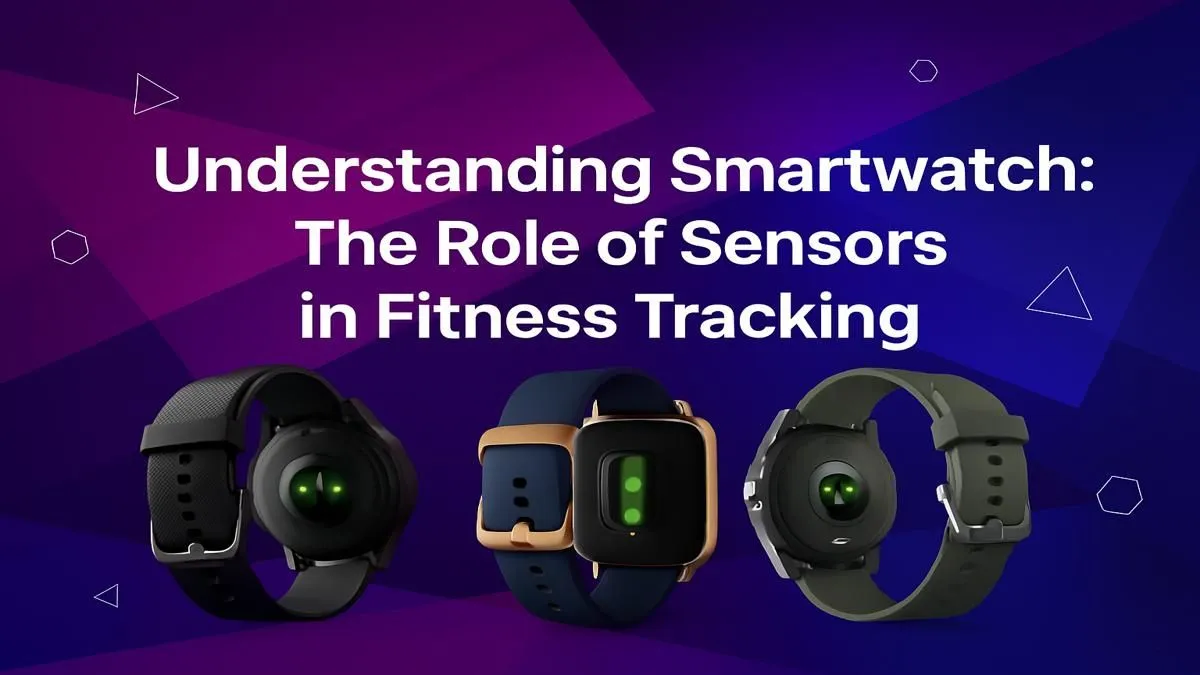
Keen to get your fitness journey on track but baffled by the tech jargon? You're not alone. A smartwatch is a powerful tool, but with so many features, it's easy to overspend on things you don't need. We're here to demystify the essential smartwatch sensors for fitness, helping you understand what really matters for your workouts and how to find the best deals in South Africa, so you can invest smartly in your health. 🚀
Decoding Smartwatch Sensors for Fitness
At the heart of every fitness watch is a cluster of tiny, clever sensors. Understanding what they do is the first step to choosing the right device. Forget the marketing hype; these are the core components that handle the heavy lifting of your health tracking.
Heart Rate Monitor (PPG)
This is the flashing green light you see on the back of your watch. It uses photoplethysmography (PPG) to measure the rate of blood flow in your wrist, giving you a surprisingly accurate reading of your heart rate. It’s crucial for tracking workout intensity, monitoring your resting heart rate, and even gauging your recovery.
Accelerometer & Gyroscope
These two work together as the motion-sensing backbone of your device. The accelerometer tracks movement in a straight line (forwards, backwards, up, down), making it perfect for counting steps. The gyroscope tracks rotation and orientation. Together, they can identify specific exercises, track your sleep cycles, and detect when you're walking, running, or cycling.
SpO2 Sensor
An SpO2 sensor measures your blood oxygen saturation level. While once a feature on high-end devices, this fitness smartwatch sensor is now common on many affordable models. It’s particularly useful for athletes training at high altitudes or anyone wanting a deeper insight into their respiratory health and sleep quality.
Which Sensors Actually Matter for Your Goals?
Let's be honest, not everyone needs every single sensor. The key to finding a great deal is matching the tech to your lifestyle. Why pay for an advanced diving sensor if you only jog in the park?
For most people starting out—whether you're walking, jogging, or hitting the gym—a reliable heart rate monitor and accelerometer are the non-negotiables. These will cover your daily activity, sleep, and workout intensity. As you explore the latest smart watches, you'll see this core combination is available at nearly every price point. For the dedicated outdoor runner or cyclist, adding built-in GPS for accurate route and pace tracking becomes a top priority.
Quick Calibration Tip 🔧
For the most accurate step and distance tracking on a new watch, find the 'Stride Length' setting in its companion app. Measure a 20-metre distance, walk it while counting your steps, and then use that data to manually set your stride length. It makes a huge difference for non-GPS workouts!
Finding the Sweet Spot: Price vs. Performance
You don't need to drop thousands of Rands to get accurate smartwatch fitness tracking. The technology behind these core sensors has become incredibly affordable, and many brands offer fantastic value without compromising on the essentials. ✨
The trick is to look past the big names and explore brands that prioritise function over flash. You'll often find that more budget-friendly options pack the exact same core sensors—heart rate, SpO2, and motion tracking—as their premium counterparts. Value-focused brands like Promate are brilliant examples of this, delivering robust fitness features that cover all the bases for a fraction of the cost.
Great Deals on Fitness Smartwatches in South Africa
Ready to start tracking? The good news is that the South African market is filled with excellent, budget-friendly options. When you're shopping, focus on the list of sensors and how they align with your fitness goals from the list above. You'll quickly realise that you can get all the motivation and data you need without emptying your wallet.
In fact, you can find some truly excellent options under R1000 that include heart rate monitoring, step counting, and sleep analysis. It's the perfect, low-risk way to see how a smartwatch can elevate your fitness routine.
Ready to Track Your Progress? Understanding smartwatch sensors for fitness is the first step. Now it's time to find a device that matches your goals and your budget. From feature-packed flagship models to incredible value-for-money options, we've got you covered. Browse our full range of smartwatches at Evetech and find the perfect partner for your fitness journey.











