

Complete Guide: Setting Up Monitor Light
Setting Up Monitor Light. Tested & verified settings for best FPS and visual quality on SA hardware budgets.
Read moreWondering what a 220W TDP air cooler means in real life? Learn how it relates to CPU power draw, sustained Boost, and thermals—so you buy smarter. ❄️⚡
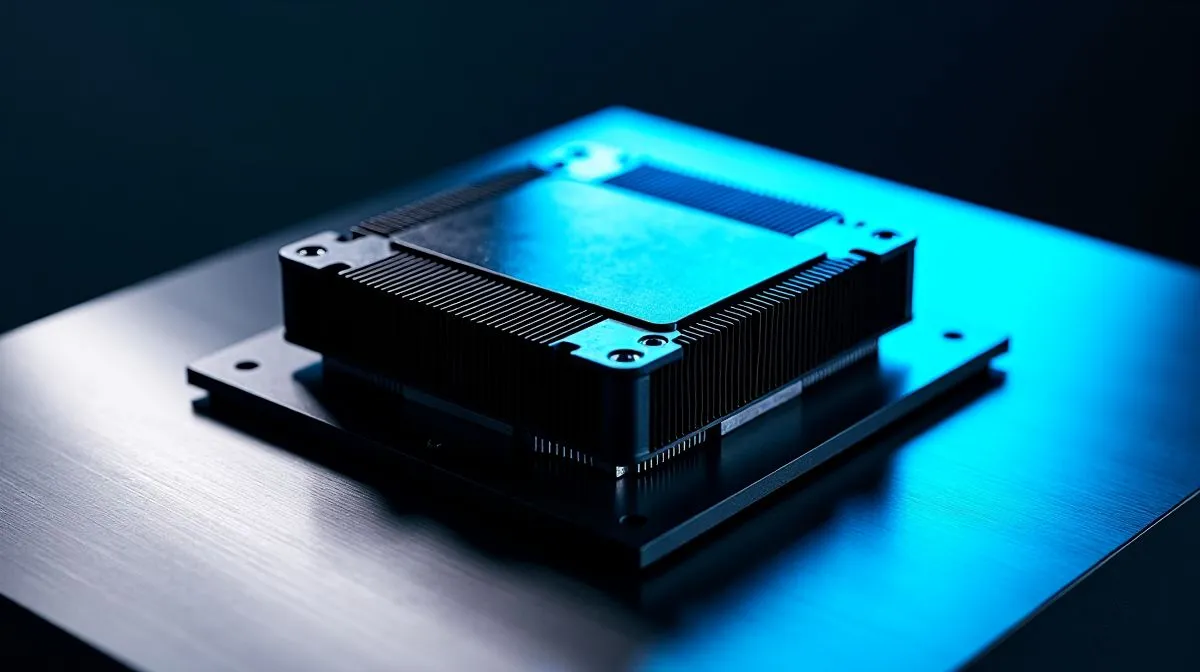
Think a '220W TDP air cooler' means your CPU will sip power like a laptop? Not quite. South African builders and gamers often see TDP and real CPU wattage confused. This short read clears it up: why some air coolers claim 220W TDP, what that number actually covers, and when your CPU might draw more or less under gaming and content‑creation loads. 🔧
TDP is a thermal guideline, not a strict electrical cap. When a cooler is rated for 220W, that describes how much heat it can reliably dissipate under sustained load. Match that to your CPU's worst‑case heat output to avoid thermal throttling. For a quick look at compatible coolers and public specs, check Evetech's air cooler category: Evetech CPU coolers.
Real CPU power draw varies by CPU model, workload, and BIOS settings. Tools like HWInfo and a wall watt‑meter measure package and system draw, but interpretation matters. Evetech lists air coolers by type, so you can filter for air solutions when researching cooling headroom: Air Cooler filter at Evetech. Remember, a cooler rated to dissipate 220W may still reach higher package power briefly during boosts, but sustained power is the real test.
Compact tower coolers often use 120mm fans. These are efficient, but their cooling envelope is smaller than multi‑fan or larger‑tower options. If you plan heavy rendering or streaming, consider coolers with larger fins and higher airflow. Browse 120mm‑fan options and compare sizes on Evetech here: 120mm fan air coolers. 🚀
Use a good quality thermal paste and let your cooler break‑in over a few days of varied loads. That stabilises temperatures and reveals whether a 220W rating is sufficient for your workload.
Brand engineering matters. Some Deepcool designs push airflow efficiently for their size, while niche brands like EINAREX focus on budget performance. Compare model specs and reviews before buying; Evetech’s Deepcool selection is worth comparing here: Deepcool air coolers on Evetech. For affordable alternatives, see EINAREX listings: EINAREX coolers. ✨
Final takeaway: a 220W TDP air cooler can be fully adequate for many modern CPUs if you consider case airflow, ambient temperature, and workload patterns. Measure actual package power if you plan to push a CPU hard, and upgrade to larger towers or liquid cooling if you need sustained headroom. South African buyers should factor in ZAR pricing, local stock, and warranty when choosing. Always check local stock, warranty coverage and the total ZAR cost before buying.
Ready to Find Your Perfect Match? The Mac vs Windows debate is complex, but for maximum power, choice, and value in South Africa, Windows is hard to beat. Explore our massive range of laptop specials and find the perfect machine to conquer your world.
No. A 220W TDP air cooler rating describes cooling capacity, not your CPU’s guaranteed draw. Real power depends on boost limits and workload.
If the cooler has enough thermal headroom, the CPU can hold higher Boost longer. If not, temperatures rise and Boost drops sooner.
CPU TDP is a design/thermal target, while actual power draw (package power) varies by workload, voltage, and power limits like PL1/PL2.
Better cooling reduces thermal throttling, so the CPU can sustain higher clocks under load. Boost still follows motherboard power and thermal limits.
Often yes, because many games don’t sustain extreme package power like worst-case benchmarks. Still, check turbo duration and temperature behavior.
Expect results to vary by CPU model, ambient temperature, case airflow, and mounting pressure. Look for sustained package temps, not spikes.
It can be for many setups, but it depends on the exact CPU power limits and case airflow. Some CPUs may still demand stronger cooling.
Monitor package power (W), sustained Boost clocks, and temps under your real workload. If throttling occurs, you need more thermal headroom.
Setting Up Monitor Light. Tested & verified settings for best FPS and visual quality on SA hardware budgets.
Read more
Assassins Creed Shadows Ultrawide Support: 21:9. Clear setup instructions with SA-specific considerations, troubleshooting tips & recommended components.
Read more
Complete Gaming Setup Guide for the Collector. Clear setup instructions with SA-specific considerations, troubleshooting tips & recommended components.
Read more
Will the Steam Deck 2 Have an OLED Screen? Leaked. Plain-English explanation of what it means, why it matters & how it affects your buying decisions in SA.
Read more
Setting Up Ultrawide 144Hz. Tested & verified settings for best FPS and visual quality on SA hardware budgets.
Read more
Kingdom Come: Deliverance 2 Ultrawide Support. Clear setup instructions with SA-specific considerations, troubleshooting tips & recommended components.
Read more
When Will the RTX 6090 Launch in South Africa Detailed answer with SA data, expert analysis & practical recommendations for local buyers.
Top Valorant Settings for RTX 5070: FPS Optimisation picks evaluated on performance, value & SA availability with current Rand pricing from Evetech.
RDNA 3.5 Graphics in Ryzen AI 400? Can You Game. Plain-English explanation of what it means, why it matters & how it affects your buying decisions in SA.
GPU Price Index : December Report. Current stock data & price tracking for SA buyers. See what is available and where prices are heading.
Can the RX 7700 XT Handle 1440p 144Hz Gaming. Performance testing verdict with real data & practical recommendations for SA buyers.
Top Laptop with Core i7 + RX 7700S: Picks picks evaluated on performance, value & SA availability with current Rand pricing from Evetech.
RX 7700 XT Black Myth Wukong 2 FPS: Performance. Real-world benchmark data, FPS numbers & performance analysis. What SA gamers can actually expect.
RTX 6080 Gran Turismo 7 PC Performance: FPS Test. Real-world benchmark data, FPS numbers & performance analysis. What SA gamers can actually expect.
Setting Up Monitor Light. Tested & verified settings for best FPS and visual quality on SA hardware budgets.
Assassins Creed Shadows Ultrawide Support: 21:9. Clear setup instructions with SA-specific considerations, troubleshooting tips & recommended components.
Complete Gaming Setup Guide for the Collector. Clear setup instructions with SA-specific considerations, troubleshooting tips & recommended components.
Will the Steam Deck 2 Have an OLED Screen? Leaked. Plain-English explanation of what it means, why it matters & how it affects your buying decisions in SA.