


MacBook Pro 16-Inch M5 Max: Complete Specs, Features and SA Pricing Guide
MacBook Pro 16-Inch M5 Max: Complete Specs,. Everything you need to know with SA pricing, step-by-step instructions & expert recommendations.
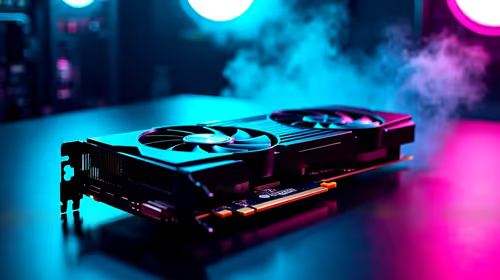
Read moreKeep a 3.1-slot GPU cooler with proven case airflow layouts made for axial-style fan designs. Reduce heat soak, improve exhaust paths, and stabilize boost clocks 😎🧊
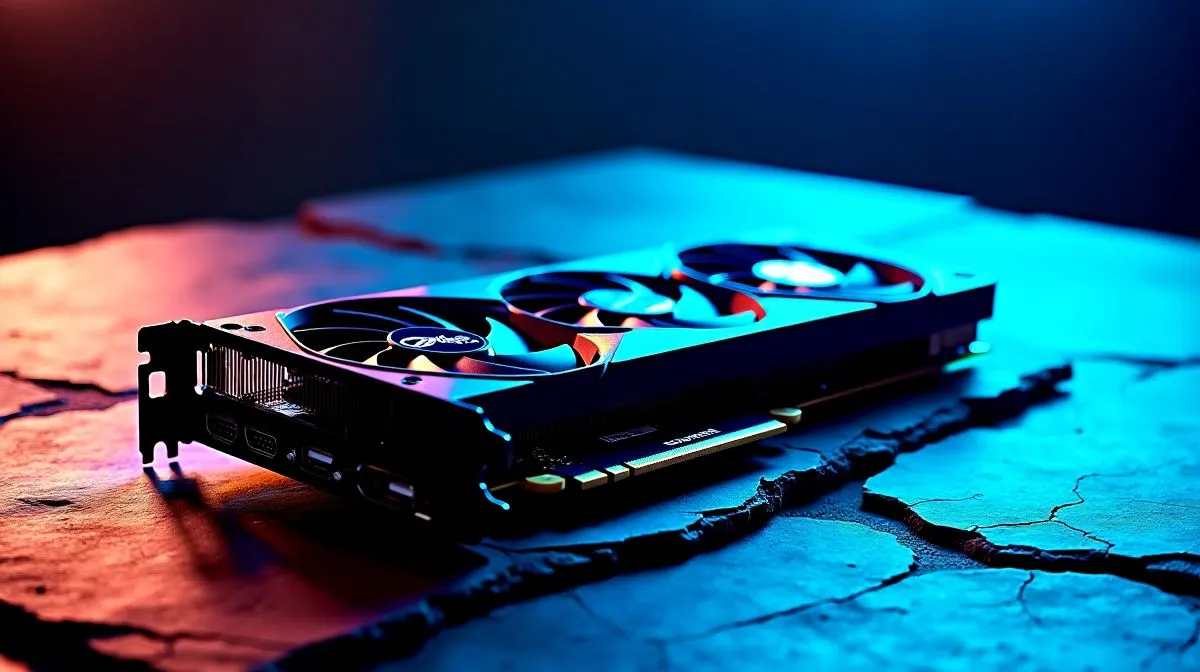
The useful way to read 3.1-slot GPU cooling: axial-fan case airflow layouts is to connect the topic to the setup you already have and the result you want next. A good choice for 3.1-slot GPU cooling: axial-fan case airflow layouts is the one that fits the real setup, not the loudest spec sheet. For 3.1-slot GPU cooling: axial-fan case airflow layouts, prioritise target resolution, VRAM need, and PSU headroom before you compare prices. For South African buyers, also check current stock, warranty support, delivery timing, and whether the upgrade leaves room for the next part you are likely to change.
The reason 3.1-slot GPU cooling: axial-fan case airflow layouts deserves a practical guide is that the spec sheet does not show the full setup. Comfort, compatibility, warranty route, and supporting hardware decide whether 3.1-slot GPU cooling: axial-fan case airflow layouts still feels good after the first week.
For 3.1-slot GPU cooling: axial-fan case airflow layouts, the useful filter is whether the choice improves smoother frame pacing, better visual settings, and a clearer upgrade path. If 3.1-slot GPU cooling: axial-fan case airflow layouts does not change that result in your setup, it belongs lower on the priority list.
The safest approach for 3.1-slot GPU cooling: axial-fan case airflow layouts is to compare the downside of each option, not only the upside. That means checking whether buying more GPU than the monitor can show and forgetting power connectors could affect your 3.1-slot GPU cooling: axial-fan case airflow layouts use case.
| Buying point | What to check | Why it matters |
|---|---|---|
| Best fit | target resolution | Choose the option that improves smoother frame pacing, better visual settings, and a clearer upgrade path. |
| Watch out for | buying more GPU than the monitor can show | This can turn a good-looking deal into a poor fit. |
| Proof point | settings target | Use this to judge the result after setup. |
| Final filter | slot gpu cooling | Keep it only if it solves the main reason you searched for 3.1-slot GPU cooling: axial-fan case airflow layouts. |
After the change, judge 3.1-slot GPU cooling: axial-fan case airflow layouts by settings target and VRAM headroom. If those two do not improve for 3.1-slot GPU cooling: axial-fan case airflow layouts, the upgrade may be solving the wrong problem.
Do not let a global recommendation override local fit for 3.1-slot GPU cooling: axial-fan case airflow layouts. Local stock mix, warranty handling, and bundle timing can change which 3.1-slot GPU cooling: axial-fan case airflow layouts option is the better value in the moment.
If 3.1-slot GPU cooling: axial-fan case airflow layouts is part of a wider upgrade, protect the rest of the build first. Spending on slot gpu cooling for 3.1-slot GPU cooling: axial-fan case airflow layouts makes sense only when case clearance and display refresh rate are not going to undo the benefit.
Do not choose 3.1-slot GPU cooling: axial-fan case airflow layouts only by headline specs. The better 3.1-slot GPU cooling: axial-fan case airflow layouts choice passes target resolution, avoids buying more GPU than the monitor can show, and still leaves a practical upgrade path.
Start by matching 3.1-slot GPU cooling: axial-fan case airflow layouts to your actual setup. Check VRAM need, then confirm whether this 3.1-slot GPU cooling: axial-fan case airflow layouts choice improves VRAM headroom; otherwise the feature may be interesting but not important enough to decide the purchase.
For 3.1-slot GPU cooling: axial-fan case airflow layouts, slot gpu cooling is worth prioritising when it solves a real bottleneck. Avoid underestimating heat in 3.1-slot GPU cooling: axial-fan case airflow layouts and compare options by power compatibility, compatibility, and support rather than the loudest marketing claim.
3.1-slot GPU cooling: axial-fan case airflow layouts is worth acting on when it solves a clear problem in your setup. Use the checks above for 3.1-slot GPU cooling: axial-fan case airflow layouts to protect compatibility, comfort, reliability, and price before you commit.
Browse Nvidia RTX 5060 Ti that fit this kind of upgrade: https://www.evetech.co.za/nvidia-geforce-rtx-5060-ti/x/1729
Use balanced front intake plus a direct exhaust path to the top or rear, minimizing recirculation and improving axial fan pull-through across the heatsink.
Aim for smooth pull-through from front intake air to rear or top exhaust. This supports axial-style fan movement instead of trapping hot air near the shroud.
Often, top exhaust helps hot air rise and clears the GPU zone faster, but rear exhaust can work well when airflow is well-directed and fans are balanced.
Avoid blocking intake paths, keep cable clutter away from front intakes, and ensure exhaust removes warm air quickly. Good case airflow reduces heat soak.
Start with slightly higher intake than exhaust during load, then tune. Use fan curves so intake stays stable when the GPU ramps to sustain cooling.
Yes, because case airflow governs how much cool air reaches the GPU. Even strong axial fans struggle if the case recirculates hot air.
Place intakes where they feed the GPU shroud area, typically front (and sometimes bottom) for fresh air, then route exhaust to top or rear for removal.
MacBook Pro 16-Inch M5 Max: Complete Specs,. Everything you need to know with SA pricing, step-by-step instructions & expert recommendations.
Read more
Travelling With a MacBook: Travellers. Everything you need to know with SA pricing, step-by-step instructions & expert recommendations.
Read more
Back-to-School Parent Guide: Laptops. Everything you need to know with SA pricing, step-by-step instructions & expert recommendations.
Read more
MacBook Air 13-Inch M5: Complete Specs, Features. Everything you need to know with SA pricing, step-by-step instructions & expert recommendations.
Read more
MacBook Neo Unboxing and First Setup Guide for. Clear setup instructions with SA-specific considerations, troubleshooting tips & recommended components.
Read more
MacBook Pro 16-Inch M5 Pro: Complete Specs,. Everything you need to know with SA pricing, step-by-step instructions & expert recommendations.
Read more
CS2 Low FPS: Monitor Bottleneck. Real-world benchmark data, FPS numbers & performance analysis. What SA gamers can actually expect.

Is AOC a Good Monitor Brand for Gaming in South Africa Detailed answer with SA data, expert analysis & practical recommendations for local buyers.

What Gaming Monitor Can You Get for R20,000. Full parts list, Rand pricing & expected performance. Build confidently with SA-available components.
What Gamers Actually Bought: November Report. Real purchase data from SA retailers revealing what local buyers are actually choosing and why.
Can the RX 7700 XT Handle 1440p 144Hz Gaming. Performance testing verdict with real data & practical recommendations for SA buyers.

Top Laptop with Core i7 + RX 7700S: Picks picks evaluated on performance, value & SA availability with current Rand pricing from Evetech.
RX 7700 XT Black Myth Wukong 2 FPS: Performance. Real-world benchmark data, FPS numbers & performance analysis. What SA gamers can actually expect.
RTX 6080 Gran Turismo 7 PC Performance: FPS Test. Real-world benchmark data, FPS numbers & performance analysis. What SA gamers can actually expect.

Eliminate background noise in gaming voice chat using cardioid microphones to focus on your voice and reject room sounds. Get cleaner comms fast with smart placement and settings—🎮🎧

Wondering how much to spend on a high-end gaming headset in South Africa? We break down budget vs performance, what you actually get, and smart upgrade steps 🎧⚡

Wondering about THX Spatial Audio vs 7.1 surround for positional awareness? We compare imaging, depth, and cueing so you can pick the best option for gaming. 🎧👣

50mm bio-cellulose drivers vs standard drivers: does material affect audio precision? Compare clarity, bass control, and imaging so you can choose the right headphones. 🎧🔍