

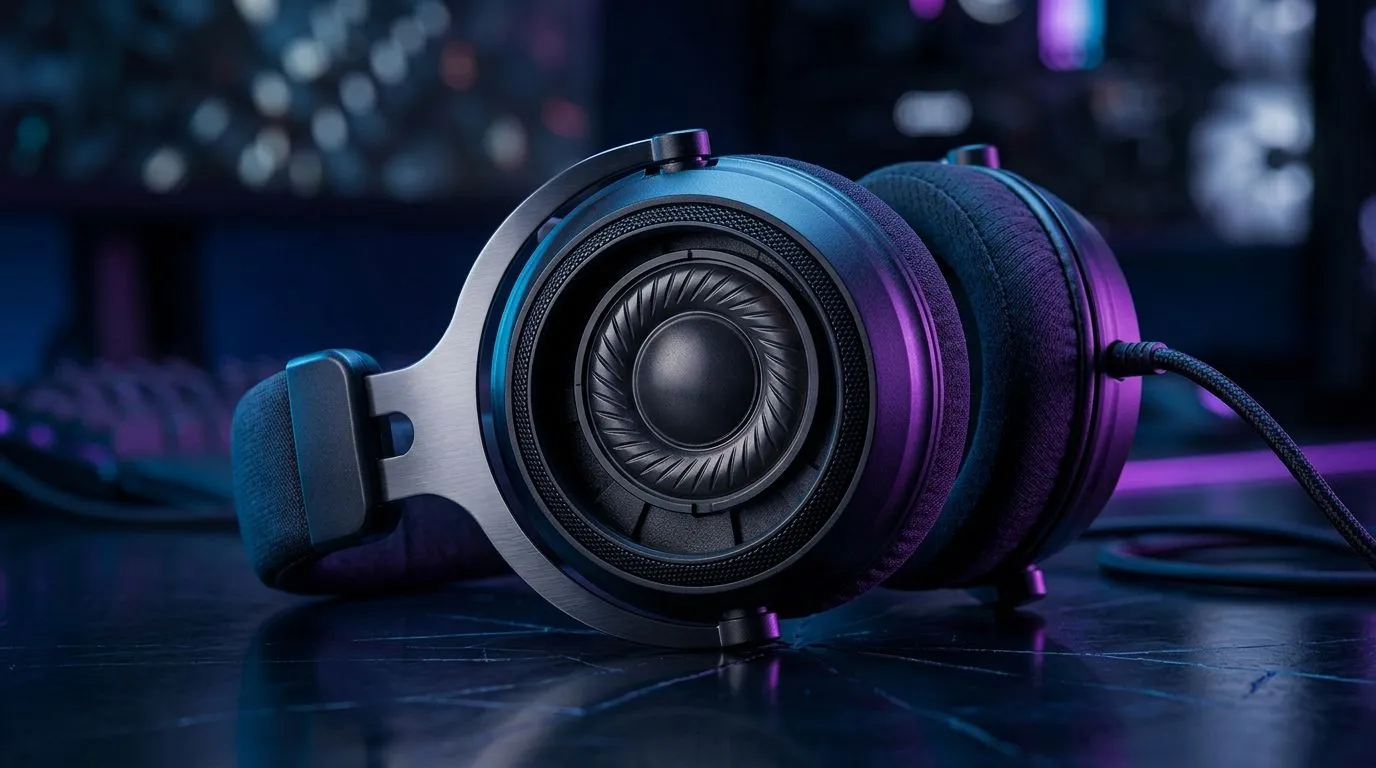
40mm Drivers vs Larger Headset Drivers: Does Size Matter for Your FPS or Favourites?
Ever swapped headsets because the audio “just felt off”? You’re not alone. In South Africa, we game in everything from loud households to load-shedding-era late nights. So when people ask whether 40mm Drivers vs Larger Headset Drivers: Does Size Matter?, they’re really asking: will it be clearer, louder, and more comfortable for hours? The short answer… driver size helps, but it’s not the whole story. 🎧
40mm Drivers vs Larger Headset Drivers: What driver size actually changes
Driver size (like 40mm, 50mm, or bigger) mostly affects how a speaker moves air. In general, larger drivers can move more air, which may make it easier to produce stronger bass at lower distortion. But “may” is the keyword. If the headset uses a smaller driver with stronger tuning, better materials, and a solid seal, it can sound fuller than a larger driver in a poorly tuned headset.
What matters more than size:
- Tuning and equalisation (factory curves or DSP)
- Driver quality (how efficiently it converts signal to sound)
- Clamping force + ear seal (huge for bass perception)
- Open-back vs closed-back design (space vs isolation)
If you’ve ever thought “bigger should be better”… remember this: a bad tune doesn’t become good just because it’s bigger. 🤝
40mm Drivers vs Larger Headset Drivers: The things South African buyers notice first
In real play, most people judge headsets by:
Bass that stays tight (not just loud)
Bigger drivers can sound impressive, but only if the headset controls them well. Otherwise, bass smears into footsteps.
Imaging for aiming and positioning
Whether it’s Apex Legends or Warzone-style audio cues, you want consistent separation. That’s more about driver tuning and the headset’s acoustic design than the diameter alone.
Comfort through long sessions
A 2-hour ranked session quickly reveals whether padding and clamp pressure work for your head shape. Comfort is performance.
Local buying tip: match the headset to your environment
- Noisy room? Prioritise closed-back isolation.
- Quiet room? You can benefit from a wider soundstage.
40mm Drivers vs Larger Headset Drivers: Quick buying checklist (no regret purchases) 🧠
Comfort + Audio Checklist 🔧
judge a headset fast, check three things before you buy: (1) does it have closed-back isolation if you need less background noise, (2) are the pads described as plush enough for long sessions, and (3) are there clear tuning DSP features for footsteps and voice. If you’re unsure, compare the model’s product page specs and notes on audio tuning so you’re not relying on driver size alone.
Where to start: popular wired and wireless options
If you want a safe benchmark, browse category options and read the product page details rather than focusing only on “mm.” For example, you can compare with the Razer Barracuda X Chroma Wireless in Evetech’s listings here: Razer Barracuda X Chroma Wireless Headset (Phantom White) deal.
Looking for a broader lineup? Start with Evetech’s selection over here: Razer headphones headsets on Evetech. And if you simply want to compare across many headsets, use their main headphone-headsets category page: headphone headsets category. ✨
40mm Drivers vs Larger Headset Drivers: My practical verdict
Does size matter? A bit. But in most cases, tuning, isolation, and comfort beat driver diameter. A well-designed 40mm can outperform a larger driver in the wrong headset. If you’re chasing footsteps, choose the headset that’s tuned for imaging and voice clarity. If you’re chasing bass for music nights, look for strong control and a good seal.
If you want fewer “why does it sound worse than my old one?” moments, buy based on how it fits your setup… not just the number on the spec sheet.
Ready to Find Your Perfect Match? The Mac vs Windows debate is complex, but for maximum power, choice, and value in South Africa, Windows is hard to beat. Explore our massive range of laptop specials and find the perfect machine to conquer your world.











