50mm Driver Audio EQ Settings for Better Gaming Sound: why it suddenly feels “right”
So you crank up the volume… and the explosions still sound flat? Happens more often than you’d think. In South Africa, we also deal with load shedding, busy Wi‑Fi, and different audio profiles between games, consoles, and even browsers. The fix is usually smaller than you expect. 🔧
The goal with 50mm Driver Audio EQ Settings for Better Gaming Sound is simple: bring out footsteps, keep gunshots punchy, and avoid that annoying “muddy” mid-range. Once you dial it in, games feel closer, clearer, and less tiring on the ears. ✨
Start with a baseline: what 50mm drivers respond to best
A 50mm driver is big enough to move air with authority. That usually means you get stronger bass and better detail than smaller drivers. But the EQ curve matters more than the number on the spec sheet. If your EQ boosts everything at once, you’ll hear distortion and masking (quiet sounds get buried).
Here’s a practical baseline many players land on:
- Bass (60–120 Hz): +2 to +4 dB for punch
- Mids (250–1000 Hz): -1 to -3 dB to reduce muddiness
- Presence (2–4 kHz): +2 to +5 dB for clarity and footsteps
- Treble (6–10 kHz): 0 to +3 dB for detail, but avoid hiss
Different headsets will “like” different starting points. If you’re unsure, start small… then adjust per game.
50mm Driver Audio EQ Settings for Better Gaming Sound: 3 gaming profiles you can copy
Use these as starting points. Then tweak by 1–2 dB at a time. ⚡
Profile A: Competitive FPS (clean footsteps)
- Bass: +2 dB
- Mids: -2 dB
- Presence: +4 dB
- Treble: +1 dB This profile prioritises intelligibility. You want hearing distance cues, not rumble.
Profile B: Battle royale (balanced chaos)
- Bass: +3 dB
- Mids: -1 dB
- Presence: +3 dB
- Treble: +2 dB Good for mixed audio scenes where you need both impact and detail.
Profile C: Story games & ambience (comfort first)
- Bass: +2 dB
- Mids: -1 dB
- Presence: +2 dB
- Treble: +1 dB Less fatiguing for long sessions after work.
Audio Setup Pro Tip 🔧
On Windows, keep the game audio and headset output at fixed levels, then do your EQ in one place (like a headset software EQ or Windows enhancements). Mixing multiple boosts at once is how you get muddy mids and harsh treble. Start with low EQ changes and only go up by 1–2 dB per step.
50mm Driver Audio EQ Settings for Better Gaming Sound: quick calibration tricks (no guessing)
A 10-second test saves you hours:
- Pick a consistent scene (same map, same volume).
- Turn EQ changes one band at a time.
- Listen for two things: footsteps clarity and gunshot “edge”. If gunshots sound spitty or sharp, back off treble/presence slightly.
Also, make sure your headset is plugged into the right output (or the correct wireless dongle). If the device switches audio profiles automatically, your EQ might not apply the way you expect.
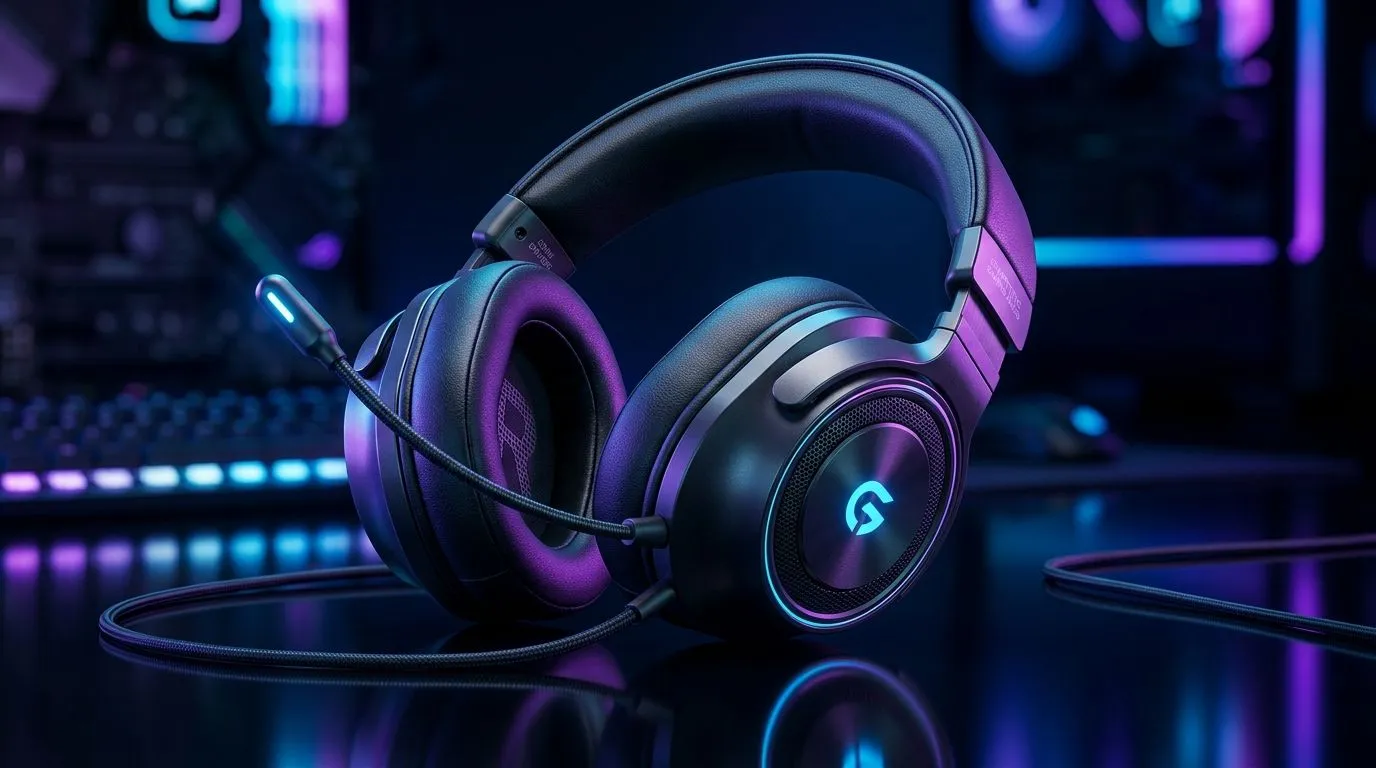
If you’re shopping for a set, Evetech carries a wide range of options to match different budgets and use-cases. For example, the Razer Barracuda X Chroma lineup is worth a look if you want software-tuned sound with modern wireless convenience: see the Barracuda X Chroma Wireless headsets. Or browse broader headset selections in their category pages like Razer headphones headsets and headphone & headsets.
50mm Driver Audio EQ Settings for Better Gaming Sound: get the right hardware, then lock the EQ
Even the best EQ can’t fully fix a poor fit. If your ear pads don’t seal well, bass drops and mids feel “thin”. Aim for a comfortable seal. Then apply your profile and fine-tune.
Want a simple next step? Pick a headset first, because its EQ bands (and available settings) will determine how close you can get to the ideal competitive curve.
Ready to Find Your Perfect Match? The Mac vs Windows debate is complex, but for maximum power, choice, and value in South Africa, Windows is hard to beat. Explore our massive range of laptop specials and find the perfect machine to conquer your world.