

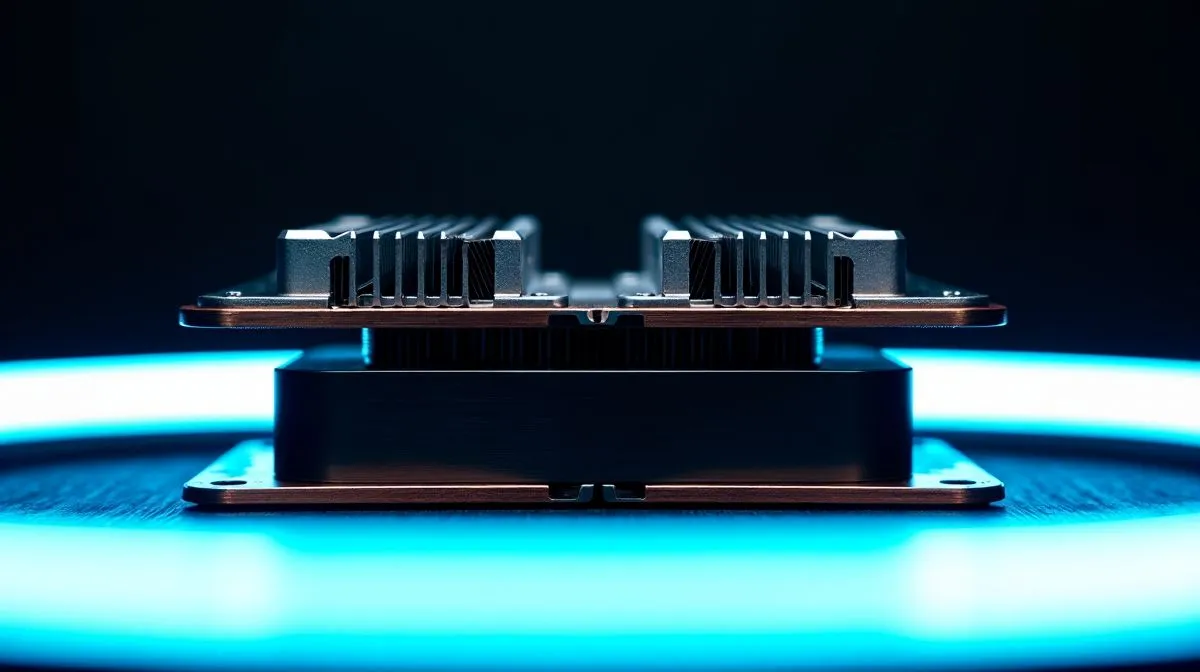
Air vs Liquid cooling for 125W–159W CPUs: Quick Hook
South African gamers building a high-power rig face a classic choice: air or liquid? If you’re pushing 125W–159W chips, cooling affects peak temps, sustained clock speeds and noise during long sessions. This thermal test compares high-end air towers to 240mm all-in-one liquid coolers under realistic loads, so you can pick a cooler that keeps FPS and peace of mind. 🔧
Test setup for Air vs Liquid cooling for 125W–159W CPUs
We tested representative coolers on a platform with 125W–159W CPUs, using sustained Cinebench and gaming workloads. For part selection, we referenced a broad CPU catalogue to match test samples and shopping options available at Evetech, like the general CPU range. shop CPUs
Hardware choices and why they matter
We picked current-generation Intel and AMD chips to reflect real builds. If you’re shopping Intel CPUs, check the dedicated selection for up-to-date options. Intel CPUs
For AMD users, Evetech’s AMD CPU list made it easy to align chip TDP and performance. AMD CPUs
Results and analysis: Air Cooling vs Liquid Cooling for 125W–159W CPUs
In short, 240mm AIOs typically delivered 3–6°C lower peak temperatures under sustained loads versus large dual-tower air coolers. Noise varied by fan curve; tuned air coolers sometimes matched AIOs on acoustics. For high-core-count chips such as Ryzen 9, the extra thermal headroom from an AIO can keep boost clocks more consistently. See the AMD Ryzen 9 options that inspired our test picks. AMD Ryzen 9
For the latest Intel top-end chips, a 240mm AIO gave similar benefits, especially on chips with high sustained power draw. Explore Intel Core Ultra 9 choices when comparing cooling needs. Intel Core Ultra 9
Our hands-on note: in a Johannesburg test room at 28°C ambient, the AIO kept a Ryzen 9 5900X around 75°C over long runs, while a premium air cooler ran about 80°C. That five-degree gap helped maintain boost clocks longer, but tuned air coolers closed the gap when fan curves prioritised sustained performance. In cooler Cape Town evenings the delta shrinks; in hotter inland homes the AIO advantage becomes meaningful.
Maintenance matters: air towers need only occasional dusting and a fresh thermal paste job every few years. AIOs are low-maintenance but expect to monitor pump noise and seal integrity over time; budget some ZAR for eventual service or replacement fans. Also check case airflow; it often matters more than cooler choice.
Cooling Practical Tip ⚡
If your case supports only a 120mm or 140mm front fan, prioritise a tall, high-quality air cooler. Otherwise, prefer a 240mm AIO for tight thermal margins and slightly lower sustained temps.
Recommendations for South African builders
If you value silence and simple maintenance, a premium air tower is still excellent for many 125W–159W CPUs. If you want the lowest sustained temperatures and plan for overclocking or long workstation loads, a 240mm AIO is worth the extra ZAR. Consider local factors: ambient summer room temps and case airflow. AIOs add complexity but often reward with cooler silicon and steadier boost clocks. 🚀
Final word on Air Cooling vs Liquid Cooling for 125W–159W CPUs: Thermal Test
Choose based on case compatibility, noise tolerance and whether you’ll push sustained workloads. Either route can be right for South African gamers and creators… just match cooler capacity to your CPU’s thermal profile and local conditions. Happy building.
Ready to Find Your Perfect Match? The Mac vs Windows debate is complex, but for maximum power, choice, and value in South Africa, Windows is hard to beat. Explore our massive range of laptop specials and find the perfect machine to conquer your world.











