Quick Answer
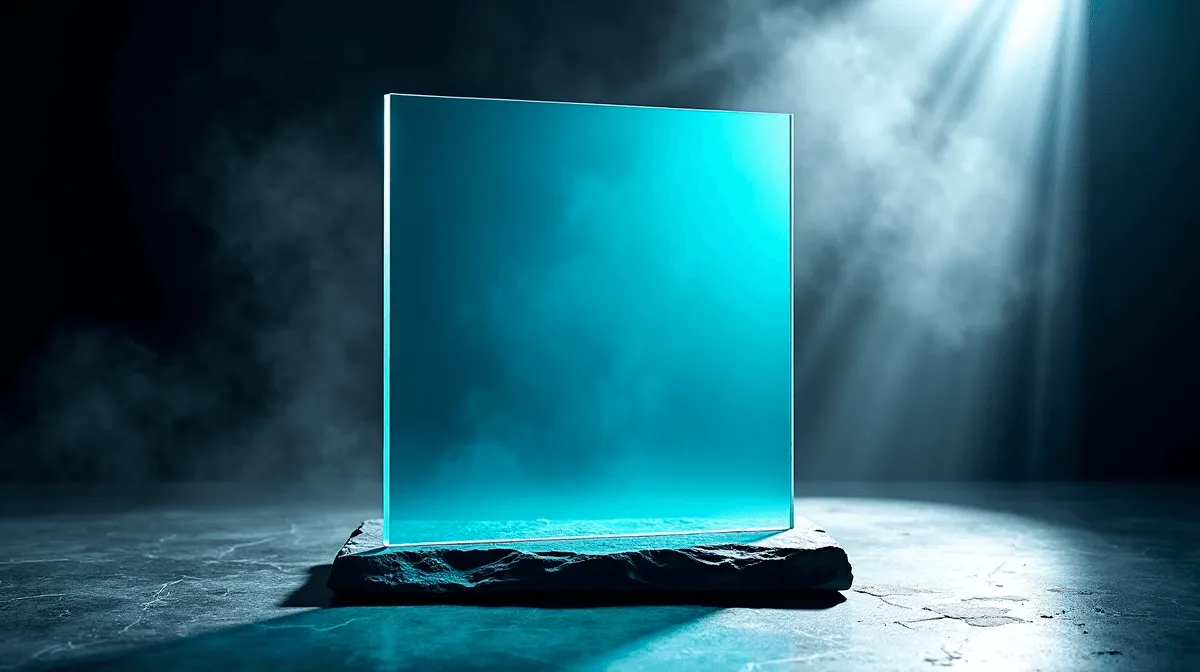
Setting up a tempered glass PC case panel correctly requires handling it with both hands, securing it without overtightening the thumbscrews, and keeping it free of fingerprints using a microfibre cloth. Tempered glass is durable but can crack under point pressure, so proper installation technique matters.
Tempered glass side panels have become the default choice for anyone who wants to show off their components, RGB lighting, or clean cable management. Whether you are building a new system or swapping an old panel for glass, understanding how to handle and install it correctly saves you from the frustration - and cost - of a cracked panel before your build is even complete.
Handling Tempered Glass Safely
The first rule of tempered glass panels is to never hold them at a single point or by one edge. Always support the panel with both hands spread across its surface. Tempered glass is significantly stronger than regular glass under surface pressure, but it is vulnerable to concentrated point impacts - particularly at the corners and edges.
Remove the protective film carefully. Most panels ship with a film on both sides; peel it back slowly and evenly rather than pulling from a single corner. Before installation, hold the panel up to your build lighting to check for any micro-scratches from transit. Minor surface marks are common and usually invisible once installed, but deep scratches in the centre panel area are worth flagging with your retailer.
Installing the Panel Correctly
Tempered glass panels typically mount via one of three methods: rubber-grommet and screw points along the edges, a sliding top-rail system with a single bottom latch, or a hinge system on premium cases. Identify your case's mounting system before attempting installation.
For screw-mount systems, align the panel's holes with the case posts before applying any fastening pressure. Hand-tighten the thumbscrews until just snug - overtightening is one of the most common causes of cracked glass panels. The rubber grommets between the glass and case posts do the work of absorbing vibration; they need consistent but not excessive compression. If a screw requires tool-force to tighten, stop - something is misaligned.
Maintenance and Cleaning
Once installed, tempered glass shows fingerprints readily. A microfibre cloth slightly dampened with water removes most marks without leaving streaks. Avoid alcohol-based glass cleaners that can damage rubber grommets over time. For regular cleaning, a dry microfibre cloth used in circular motions keeps the panel pristine.
If your case is near a high-traffic area or you transport your system, consider a foam panel protector during movement. Cases with tempered glass panels in SA homes should also be positioned away from direct sunlight to prevent thermal cycling that could stress the mounting points over years.
Frequently Asked Questions
Q: What causes a tempered glass panel to crack during installation?
A: The most common causes are overtightening thumbscrews, misaligned mounting holes creating uneven stress across the panel, and impacts to the panel corners. Even setting the panel down sharply on a hard surface can cause it to shatter.
Q: Can I replace a cracked tempered glass panel with a different brand's panel?
A: Generally no - tempered glass panels are case-specific due to the precise hole placement and dimensions. Contact your case manufacturer or local retailer about a replacement panel for your specific model.
Q: Is tempered glass better than acrylic for a PC side panel?
A: Tempered glass offers a clearer, scratch-resistant view and does not yellow over time the way acrylic can. It is heavier and more fragile under point impact, but for a stationary desktop build, it is the superior choice for aesthetics and longevity.