

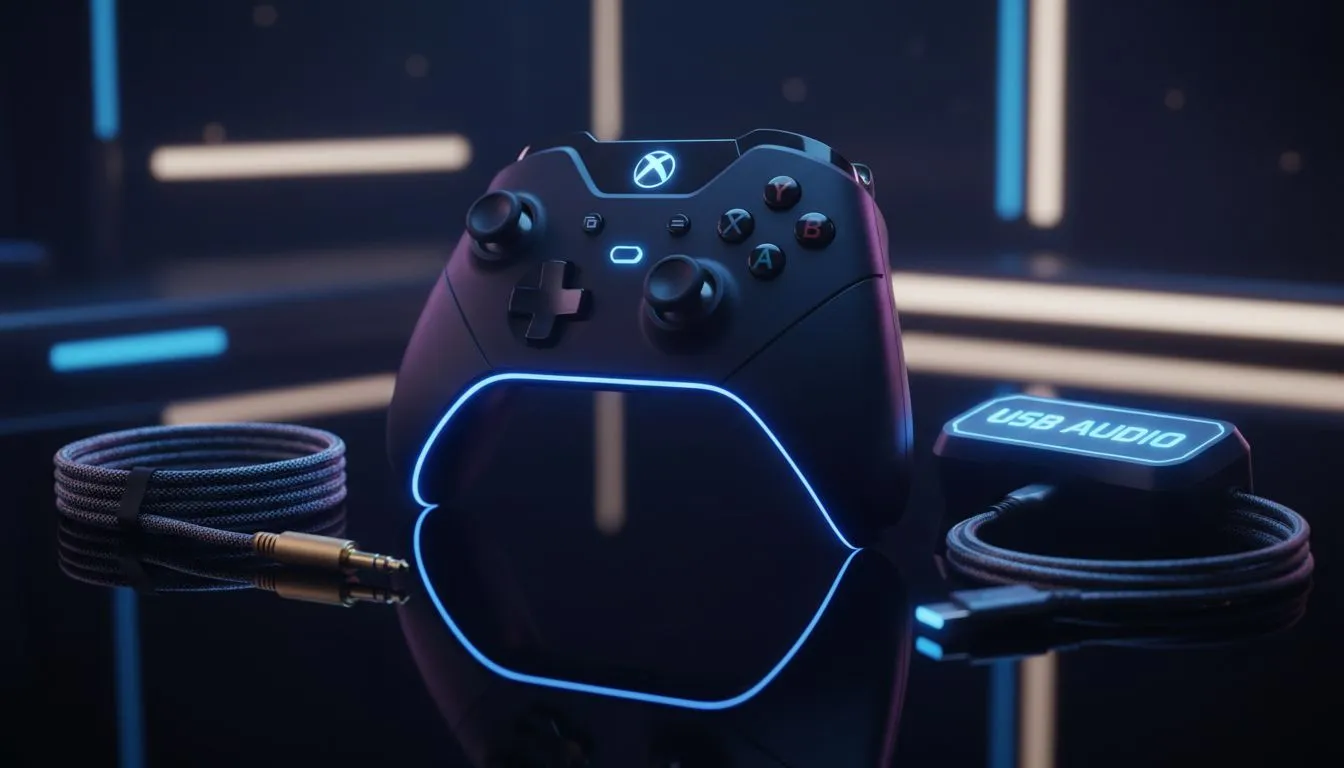
The Great Debate: Controller 3.5mm vs USB Audio
You’ve just settled into a late-night session of Elden Ring. You plug your headset into the controller’s 3.5mm jack for a quick setup. It’s convenient, but is the sound actually good? When comparing controller 3.5mm vs USB audio, the difference in clarity might surprise you. For South African gamers looking for the best edge, understanding these technical nuances is vital for a truly immersive experience. 🎧
Why the 3.5mm Controller Jack Might Limit You
The 3.5mm jack on your DualSense or Xbox controller is all about convenience. It allows you to sit back on the couch without long cables stretching across the room. However, there is a hidden cost to this freedom. Controllers use small, battery-optimised digital-to-analog converters (DACs). These components often struggle to provide enough power for high-end drivers.
If you notice your audio feels "thin" or lacks bass, the controller is likely the bottleneck. It simply cannot push the same volume or detail as a dedicated powered port. For those who demand premium acoustic performance, browsing the Razer headphones and headsets range reveals how dedicated hardware makes a massive difference in competitive play.
Audio Pro Tip ⚡
If you must use a 3.5mm connection, always check your console’s "Headphone Volume" settings. Many players don't realise their system output is capped at 80% by default. Cranking this up can help compensate for the controller's lower power output... though it might drain your controller battery faster.
The USB Advantage: Power and Processing
USB audio takes a different route. Instead of relying on the controller’s limited hardware, a USB headset uses its own internal sound card. This ensures a consistent power supply directly from your PC or console. This extra juice allows for features like RGB lighting and active noise cancellation without sacrificing sound quality.
A prime example is the Razer Barracuda X Chroma Wireless Headset. It offers a versatile USB-C connection that delivers lossless audio. By bypassing the controller entirely, you get a cleaner signal and much better frequency response. In South Africa, where competitive gaming is growing, having that extra bit of spatial awareness can be the difference between a win and a loss. 🚀
Finding the Sweet Spot for Your Budget
Not every gamer needs a studio-grade setup. If you are a casual player, the 3.5mm jack is perfectly functional for basic chat. However, if you are spending upwards of R1,200 on a new title, you deserve to hear the full soundscape.
When you look through the wider selection of headphone and headsets at Evetech, you will see options for every type of connection. USB headsets often provide virtual 7.1 surround sound... a feature that 3.5mm controller connections usually cannot support natively without external mix-amps. 🔧
Final Verdict: Which One Should You Choose?
If you value pure audio fidelity and features, USB is the clear winner. It provides more power, better customisation, and consistent results. The 3.5mm jack remains the king of convenience... but it will never match the raw performance of a dedicated digital connection. For the best experience, always aim for a headset that offers a direct USB or high-quality wireless link to your system. ✨
Ready to Find Your Perfect Match? The controller 3.5mm vs USB audio debate is simple... USB offers the power and clarity that serious gamers crave. Explore our massive range of headset specials and find the perfect gear to conquer your world with crystal clear sound.











