

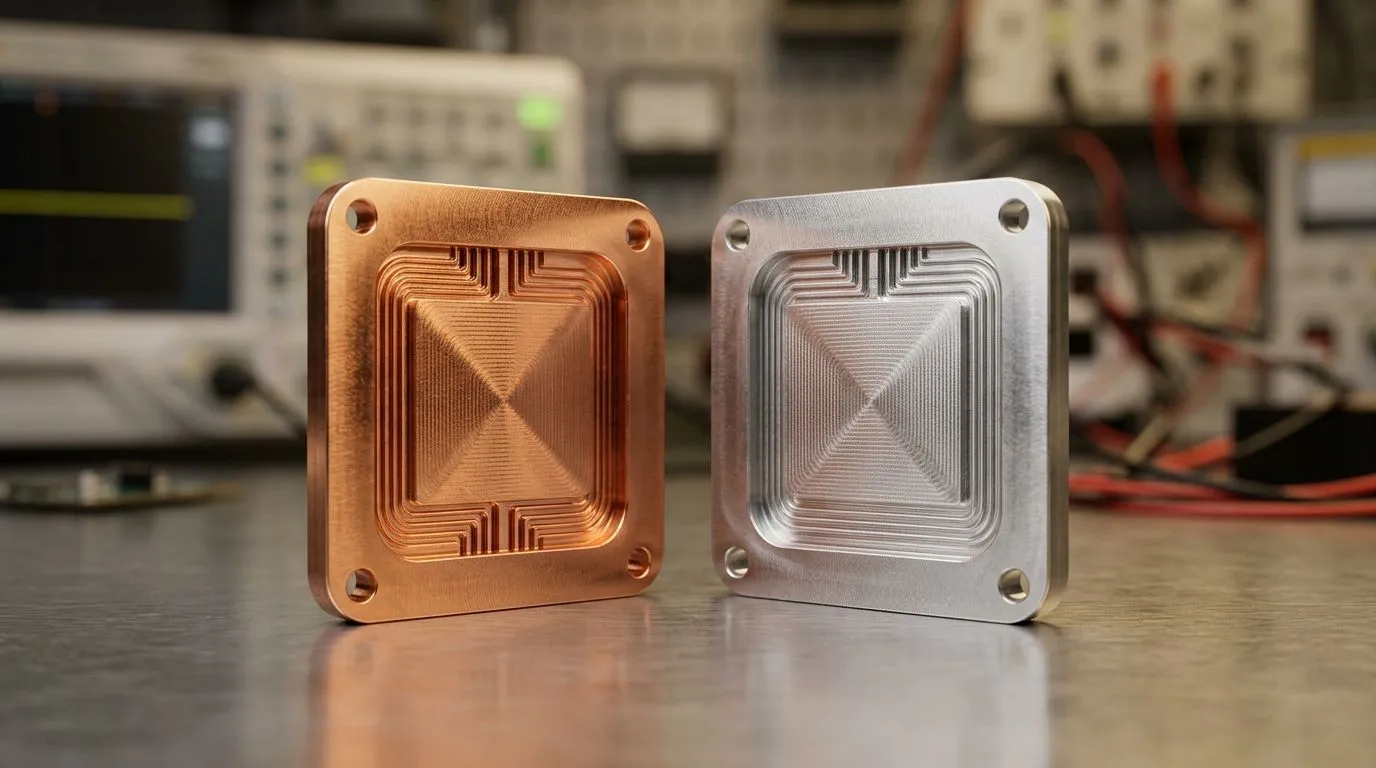
Copper Base vs Aluminium Cold Plate for CPU Heat Transfer — quick verdict
Choosing the right cold plate changes how your CPU sheds heat under heavy loads. South African gamers tuning rigs for esports or content creation want reliable temps without overspending. Copper bases conduct heat faster; aluminium cold plates are lighter and cheaper. But real-world gains depend on mounting, TIM and fans — not the metal alone. 🔧
Copper Base vs Aluminium Cold Plate for CPU Heat Transfer: how heat moves
Thermal conductivity matters: copper conducts heat roughly twice as well as aluminium (see thermal conductivity references). That matters at the contact interface between die and cold plate. Surface finish, contact pressure and high‑quality thermal interface material usually decide if you see a 1–3°C improvement. For reference reading on heat transfer, check materials science primers.
When pairing a cold plate, consider airflow. Good case ventilation boosts any metal’s performance; look at high‑move fans like the ones Evetech lists for airflow upgrades. https://www.evetech.co.za/PC-Components/case-fans-97.aspx
Copper Base vs Aluminium Cold Plate for CPU Heat Transfer: real‑world tips
If you’re overclocking, a copper base is worth it for sustained heavy loads. For budget builds or compact HTPCs, aluminium keeps cost and weight down. Clean mounting surfaces and even pressure trump tiny differences in conductivity. For quieter operation, match a radiator or cold plate with efficient RGB or non‑RGB fans depending on your aesthetic and noise goals. https://www.evetech.co.za/PC-Components/case-fans-97.aspx?brands=CORSAIR
Cooling Tip ⚡
Use a thin, high-quality thermal paste and torque screws in a star pattern. That reduces hotspots and gives more consistent temps than chasing exotic metals.
Copper Base vs Aluminium Cold Plate for CPU Heat Transfer: parts to pair 🚀
Think system, not single part. A copper cold plate plus poor airflow still loses to a well-ventilated aluminium setup. Choose fans sized for your case; 120mm and 140mm fans have different noise and static pressure profiles, and Evetech stocks both sizes. https://www.evetech.co.za/PC-Components/case-fans-97.aspx?attributes-size=120mm https://www.evetech.co.za/PC-Components/case-fans-97.aspx?attributes-size=140mm
Brand matters when matching push/pull setups. If you prefer deep cooling custom loops, consider parts from brands with tested performance. Browse RGB or no‑lighting options to match your build theme. https://www.evetech.co.za/PC-Components/case-fans-97.aspx?brands=Deepcool https://www.evetech.co.za/PC-Components/case-fans-97.aspx?attributes-lightingeffects=RGB https://www.evetech.co.za/PC-Components/case-fans-97.aspx?attributes-lightingeffects=None
Practical buying tip: in South Africa, factor in ZAR pricing and warranty. Copper plates often cost more upfront but can extend safe thermal headroom under heavy loads. Small gains turn into stability during long sessions.
Want to test results? Use a simple logging tool and monitor temps under Cinebench or a long gaming session, record delta T, and compare setups. Local communities and forums can help validate findings. Small, measured improvements are rewarding and keep your rig stable for longer play sessions and benchmarks too.
Copper Base vs Aluminium Cold Plate for CPU Heat Transfer: final thought ✨
Pick the cold plate that suits your goals: top thermals and weight, or cost and convenience. Test, measure and optimise airflow first. You’ll usually get the biggest improvement by upgrading fans or re‑seating the cooler than by swapping the metal alone.
Ready to Find Your Perfect Match? The Mac vs Windows debate is complex, but for maximum power, choice, and value in South Africa, Windows is hard to beat. Explore our massive range of laptop specials and find the perfect machine to conquer your world.











