CPU Cooler Compatibility Guide for Intel 12th Gen, 13th Gen & AMD: Don’t Guess, Match Correctly 🔧
If your PC is idling too hot or your game stutters after a long session, chances are your cooling is out of sync. In South Africa, we also deal with warm rooms, power fluctuations, and dust… so “good enough” cooling often turns into “why is my CPU throttling?” Before you buy, make sure your CPU Cooler Compatibility Guide for Intel 12th Gen, 13th Gen & AMD is actually compatible with your socket, mounting hardware, and case airflow. 🚀
CPU Cooler Compatibility Guide for Intel 12th Gen, 13th Gen & AMD: Start With the Socket + Mounting Style
The safest way to choose a cooler is to match the CPU socket type and the cooler’s mounting pattern. For most Intel 12th Gen and 13th Gen desktop CPUs, you’ll be dealing with the LGA1700 platform. AMD desktop CPUs commonly use AM4 (and newer AM5, depending on the chip). If the mounting doesn’t line up, you can’t “make it fit” without risking uneven contact.
Here’s the quick checklist you can use before checkout:
- Socket match (LGA1700 vs AM4/AM5)
- Cooler type: air cooler vs AIO/closed-loop liquid
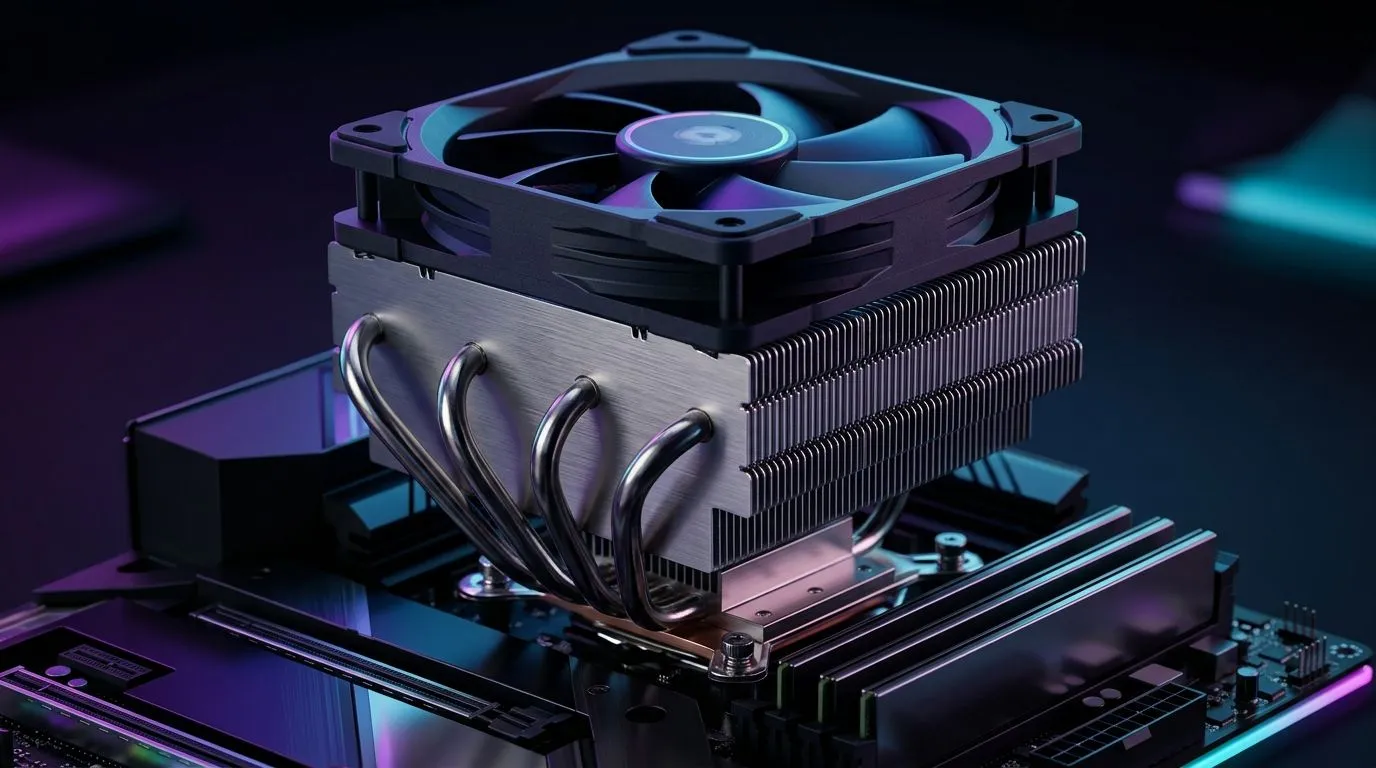
- Clearance: tall heatsinks can clash with RAM, VRM covers, or your case side panel
- Fan size + airflow path: 120mm fans behave differently than 140mm setups, and your case front-to-back flow matters
Productivity Pro Tip ⚡
On build days, take 60 seconds to mock-fit your cooler in the case before fully tightening. Check RAM clearance, motherboard heatsink overhang, and whether your side panel actually closes. It’s the fastest way to avoid a late-night returns mission.
Air Coolers That Actually Fit: Case Size, Fan Size & Real-World Clearance ✨
Air cooling is popular in SA builds because it’s reliable, usually quieter at the same performance level, and easier to maintain. But “air cooler” covers a lot. A bigger heatsink can cool better, yet it can also block RAM slots or collide with tall RGB modules.
If you want to browse by air cooler type, start here:
And if you’re specifically choosing based on airflow design, filter by fan size:
For a broader look at options across types, mounts, and sizes:
AMD vs Intel (12th/13th Gen): What Changes When You Switch Brands? 🔧
When you move between Intel 12th/13th Gen and AMD systems, the key difference is the socket and mounting hardware. You don’t want to end up with a cooler that “looks right” but can’t clamp down properly.
Also, pay attention to thermal design realities. Higher boost clocks in modern CPUs can spike heat quickly. If you game in long sessions, your cooler must handle sustained load, not just short benchmark peaks.
If you’re leaning toward brand ecosystems for easier compatibility and predictable mounting, these collections can help:
Quick Purchase Rules for SA Gamers: Avoid the Common Mistakes ✅
Before you hit “add to cart”, double-check these:
- Do you have the right socket support? If the listing doesn’t mention your CPU platform, don’t assume.
- Will the cooler clear your RAM and case? Measure your space. Tall heatsinks and chunky RAM are a common mismatch.
- Is your airflow set up properly? A great cooler can still struggle if your case intake is blocked or fans fight each other.
- Budget smart in ZAR. If you’re spending R20k+ on a build, cooling shouldn’t be the weakest link. A properly chosen cooler protects performance and longevity.
Ready to go from “will it fit?” to “installed and stable”? 🚀
Pick your platform first, then choose a cooler that matches its mounting and clearance needs. Want to browse properly and compare options quickly, without wasting time on incompatible models?
Ready to Find Your Perfect Match?
The Mac vs Windows debate is complex, but for maximum power, choice, and value in South Africa, Windows is hard to beat. Explore our massive range of laptop specials and find the perfect machine to conquer your world.