

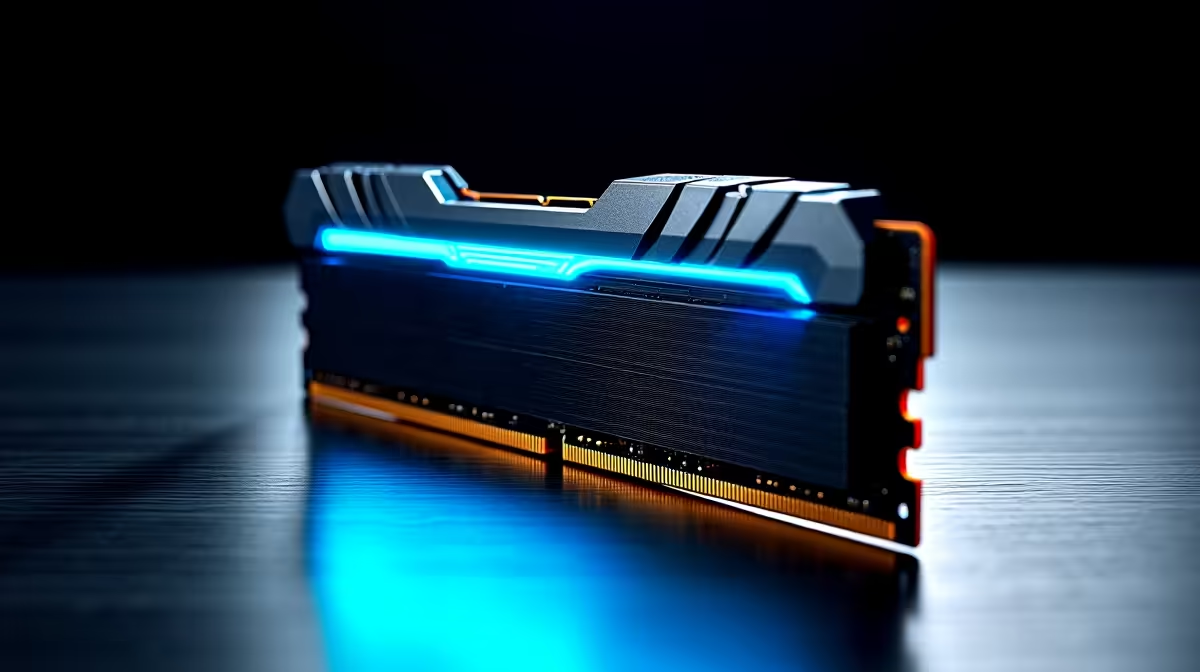
South African summers are notoriously unforgiving on high-end gaming rigs. When ambient temperatures rise into the high thirties, your PC works overtime to stay stable. With the massive leap in bandwidth that modern platforms offer, the debate of DDR5 memory cooling vs passive heatsinks is heating up fast. Do you need a dedicated active cooler for your RAM... or is a standard metal shield enough? Let's break it down.
Why Modern RAM Brings the Heat ⚡
To understand the cooling requirements, we first need to look at how modern memory works. Unlike older generations, DDR5 moves the Power Management IC (PMIC) directly onto the memory module itself. This brilliant engineering improves voltage regulation and system stability. However... it also generates extra heat right on the stick.
Higher speeds always mean higher voltages. When you crank up the speed for competitive gaming, your RAM works much harder. If you are pushing frequencies above 6000MHz, managing that thermal output becomes crucial. You need to prevent thermal throttling and system crashes during long gaming sessions.
The Reliability of Passive Heatsinks
For the vast majority of gamers, passive heatsinks are more than enough. These aluminium spreaders absorb heat from the memory chips and rely on your case fans to blow it away. If you are running standard XMP profiles or a mild overclock, passive cooling does the job beautifully.
When you browse the latest DDR5 memory kits, you will notice almost all premium options feature thick, stylish heatsinks. They are specifically designed with enough surface area to dissipate heat naturally into the surrounding air. Paired with high-quality motherboards that space out components well, a standard passive setup handles local ambient temperatures without breaking a sweat.
Airflow Pro Tip 💨
Always ensure your front intake fans have a direct, unobstructed path to your RAM slots. Good ambient case airflow often negates the need for complex memory cooling setups, saving you precious ZAR for other vital upgrades.
Active DDR5 Memory Cooling: Is It Necessary?
So when exactly does active cooling make sense? If you are an extreme enthusiast chasing 7200MHz and beyond, active DDR5 memory cooling becomes very attractive 🚀. Dedicated RAM fans or custom water blocks prevent thermal throttling during heavy memory benchmarks and intense rendering workloads.
These setups look incredible and offer peak thermal performance. However, for everyday gaming and productivity, the cost-to-performance ratio drops significantly. The extra ZAR spent on a custom memory water block could easily go toward a stronger GPU. In fact, you might be better off investing that budget into one of our pre-built gaming PC deals that already balances cooling and performance perfectly out of the box.
Making the Right Choice for Your Rig
Ultimately, comparing DDR5 memory cooling vs passive heatsinks comes down to your specific goals and budget. Passive heatsinks win on value, simplicity, and reliability for 95 percent of builds. They look great and perform exceptionally well in a well-ventilated chassis.
Active cooling is strictly reserved for extreme overclockers pushing the absolute limits of their silicon. Before you spend thousands on niche cooling accessories, check out our daily specials to see where your money can get you the biggest actual frame-rate boost ✨.
Ready to Upgrade Your Setup? Whether you need high-speed memory or a completely new rig, Evetech has the best components at unbeatable prices in South Africa. Explore our massive range of PC specials and build the ultimate gaming machine today.











