Tired of worrying about your data every time you log into a lobby? In South Africa, where digital privacy is becoming a major talking point, choosing between a Hardware VPN vs Software VPN can make or break your online experience. While apps are easy, securing your entire home at the source offers a level of protection that individual software simply cannot match. Let's dive into why your router should be your first line of defence. 🛡️
The Core Differences in Protection
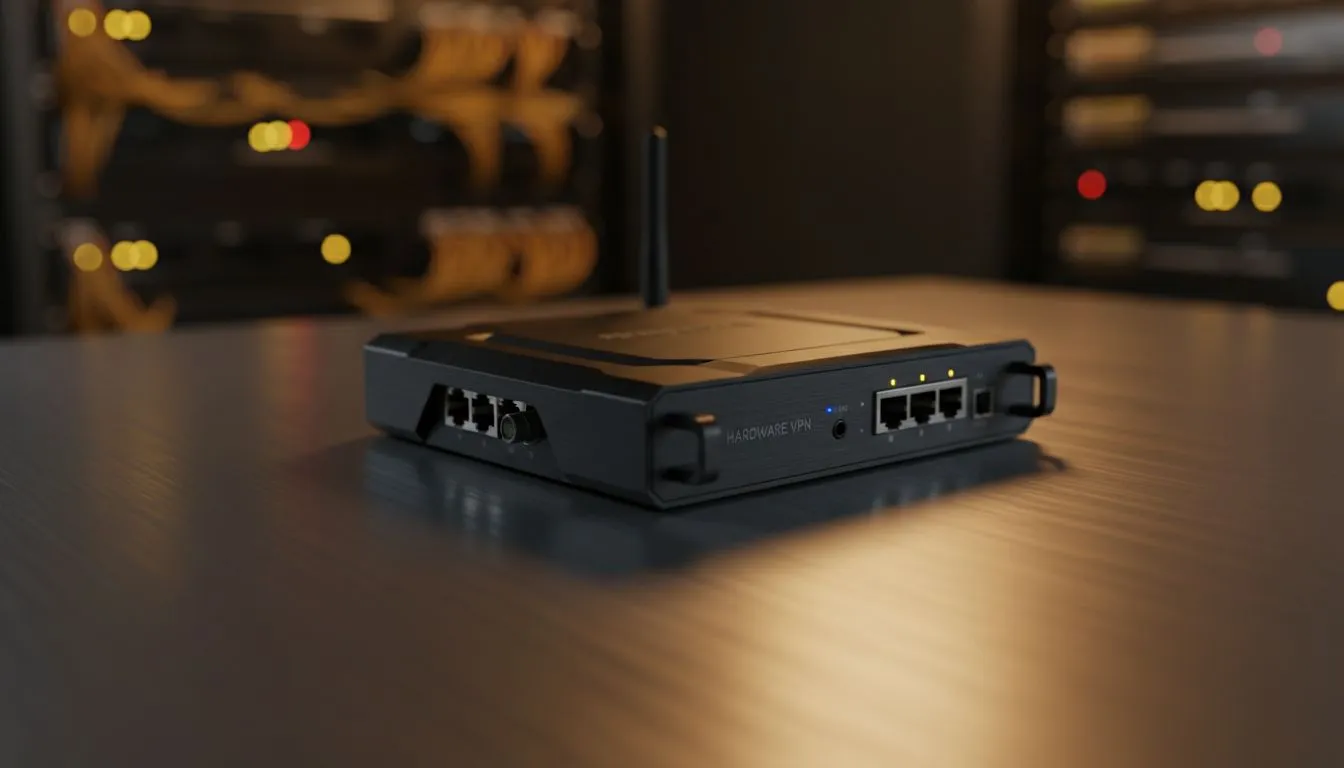
When we talk about a software VPN, we are usually referring to an app you install on your PC or smartphone. It encrypts traffic for that specific device only. This is great for a quick session at a coffee shop, but it leaves your smart TV, your PlayStation, and your IoT devices completely exposed. Hardware VPNs, on the other hand, live directly inside your router.
By integrating your security at the network level, every single packet of data leaving your house is encrypted before it even hits the open web. If you are looking to build a robust home network, exploring the range of Cudy South Africa products is a great place to start, as they offer modern hardware designed with these security protocols in mind.
Why Router-Level Security Wins for Gamers
For the local gaming community, performance is just as important as privacy. Running a VPN app on your PC consumes CPU cycles... resources that should be going toward your frame rate. A hardware-level solution offloads that processing power to the router's dedicated chipset.
Latency Pro Tip ⚡
When setting up a router-level VPN, always choose a server location closest to the game's actual server host. For South African gamers playing on European servers, selecting a VPN node in London or Frankfurt can sometimes provide a more stable route than your ISP's default path, potentially reducing jitter during peak hours.
Furthermore, consoles like the PS5 or Xbox Series X do not natively support VPN apps. If you want to access different regional servers or protect your IP from DDoS attacks during competitive matches, a router like the Cudy LT700 AC1200 4G Cat6 Router is an essential tool. It allows you to toggle your location at the source, ensuring your console is protected without any complex workarounds.
Performance and Latency Considerations
A common concern with the Hardware VPN vs Software VPN debate is speed. Older routers often struggled to handle the heavy encryption required for a VPN, leading to throttled speeds. However, modern high-performance networking gear has solved this issue.
If you prefer a more traditional setup, you can find a wide variety of TP-LINK wireless routers that feature robust processors capable of maintaining high throughput even with active encryption. This ensures that your 100Mbps or 200Mbps fibre line actually delivers the speeds you pay for in ZAR every month... even while staying anonymous. 🚀
Final Verdict: Which One Do You Need?
If you are a casual user who only needs privacy while browsing on a laptop, software is fine. But for the power user, the gamer, and the family with a dozen connected devices, hardware is the clear winner. It’s a "set and forget" solution that ensures your privacy isn't dependent on whether you remembered to click "Connect" on an app.
Securing your digital life shouldn't be an afterthought. By moving your security to the router, you create a permanent shield for your entire household. ✨
Ready to Secure Your Entire Home?
The Hardware VPN vs Software VPN debate shows that for true peace of mind and better device compatibility, router-level security is the way to go. Explore our massive range of networking specials and find the perfect router to protect your digital world.