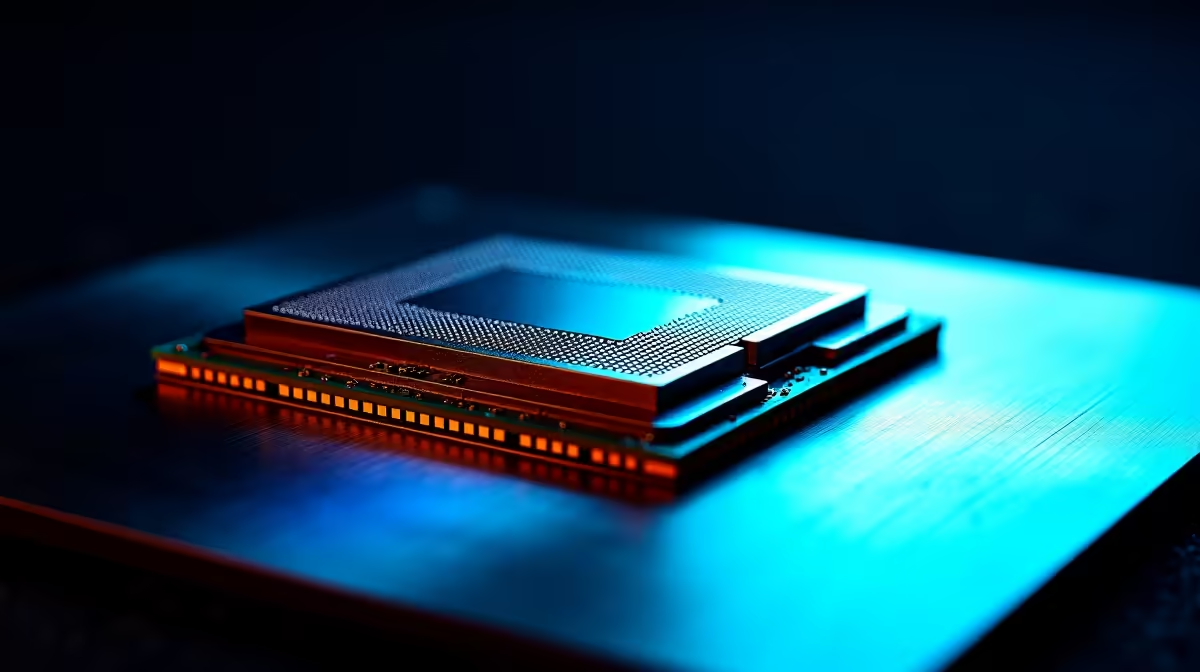
In a country where "an unexpected outage" is part of our daily vocab, every watt counts. Choosing your next CPU isn't just about raw power anymore… it's about smart power. The battle for the most efficient high-performance processor is heating up, and two titans are in the ring: Intel's Core Ultra and AMD's upcoming Ryzen 9000 series. This deep dive into the Intel Core Ultra vs Ryzen 9000 power efficiency debate will help you plan your 2025 build wisely. 🇿🇦
Understanding CPU Power Efficiency in 2025
Before we pit the chips against each other, what does "power efficiency" really mean for you? It's not just about a lower electricity bill, though that’s a lekker bonus. It’s about performance-per-watt. A truly efficient CPU delivers maximum performance for every watt of energy it consumes.
This translates to:
- Cooler Temps: A more efficient chip generates less waste heat, making your system easier to cool.
- Quieter Operation: Cooler components mean your fans don't have to spin like a jet engine during a heavy gaming session.
- Better System Stability: Less thermal stress on your components can lead to a longer lifespan for your rig.
The fundamental approaches from Team Blue and Team Red are different, and understanding this is key to choosing from the latest CPU processors available in South Africa.
Intel Core Ultra: The Smart Efficiency Play
Intel's Core Ultra architecture, first seen in laptops, is built around a hybrid design. It combines powerful Performance-cores (P-cores) for heavy lifting with highly efficient Efficiency-cores (E-cores) for background tasks. Think of it like a bakkie that can run on the fuel consumption of a small hatchback when it's just cruising.
This design is brilliant for everyday use. The E-cores handle Windows updates, Discord, and your browser with minimal power draw. When you fire up a game or a render, the P-cores roar to life. For desktop users, this means lower idle power consumption, which is a significant factor when your PC is on all day. You can browse the current Intel CPU lineup to see how this tech is being implemented, with high-end models like the Intel Core Ultra 9 leading the charge.
AMD Ryzen 9000: Raw Performance Meets Refined Efficiency
AMD's strategy with the Zen 5 architecture in Ryzen 9000 is different. Instead of splitting core types, they've focused on making every single core incredibly fast and efficient at what it does. The goal is a massive leap in Instructions Per Clock (IPC)—getting more work done in each clock cycle without drastically increasing power consumption.
This approach targets maximum performance-per-watt under heavy load. For gamers and content creators, this is huge. The Ryzen 9000 series aims to deliver chart-topping performance in the latest AAA titles and demanding applications while keeping its power draw impressively controlled. It's less about sipping power at idle and more about delivering a knockout punch with stunning efficiency. When exploring AMD's processor options, you'll see this philosophy at play, especially in the flagship AMD Ryzen 9 series.
Don't Neglect Your Power Supply! ⚡
An efficient CPU deserves an efficient Power Supply Unit (PSU). Choosing an 80 Plus Gold or Platinum-rated PSU ensures that less power is wasted as heat during the conversion from AC (wall) to DC (your components). This not only saves you money on your electricity bill but also contributes to a cooler, more stable system. It's a crucial part of any power-conscious build.
The Verdict: Intel Core Ultra vs Ryzen 9000 Power Efficiency
So, who wins the 2025 efficiency crown? The answer depends entirely on you. 💻
- For the All-Day User & Multitasker: Intel Core Ultra's hybrid architecture is expected to hold an advantage in idle and low-load efficiency. If your PC is your constant companion for work, browsing, and light tasks, with occasional bursts of heavy gaming, Core Ultra's ability to sip power could be the deciding factor.
- For the Hardcore Gamer & Creator: AMD Ryzen 9000 is shaping up to be the champion of sustained load efficiency. If your main goal is extracting the absolute maximum frame rate or slashing render times, Ryzen 9000's focus on top-tier performance-per-watt will likely deliver better results for the energy consumed during those intense sessions.
Ultimately, the contest of Intel Core Ultra vs Ryzen 9000 power efficiency is fantastic news for South African builders. It means more choice, better performance, and smarter energy use, no matter which team you're on.
Ready to Build Your Power-Efficient Rig?
The Intel vs AMD debate is heating up, but the best choice depends on your needs. Whether you crave Intel's smart efficiency or AMD's raw performance-per-watt, we've got you covered. Explore our massive range of CPU processors and find the perfect heart for your next build.