

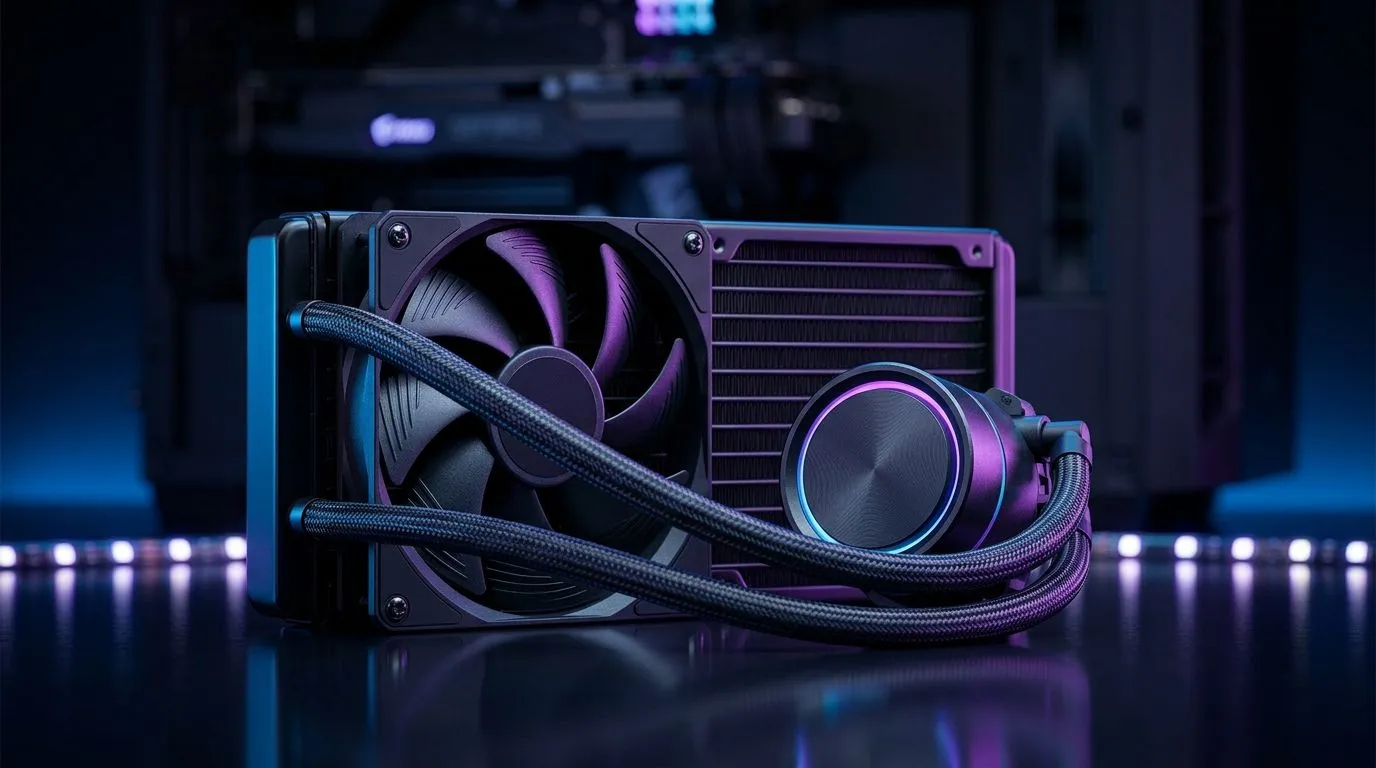
Is a 120mm radiator enough for gaming CPUs?
Is a 120mm Radiator Enough for Gaming CPUs? Short answer: sometimes. For South African gamers, a single 120mm AIO can handle CPUs and light overclocks, but it struggles with high core counts or heavy sustained loads.🔧 Combine tight case airflow and a high‑RPM 120mm fan and you can squeeze decent thermals for a midrange build.
120mm radiator: who it suits
A 120mm radiator suits systems with lower TDP CPUs typical of mainstream midrange chips. Think lower‑end Core i5 or Ryzen 5 chips running gaming sessions with bursty loads. If you pair a 120mm radiator with good case fans and minimal ambient heat, it competes with tower coolers in real‑world frame‑rate scenarios. For fan choices, check Evetech’s range of 120mm fans for performance and RGB options.
120mm radiator: limitations and comparisons
Heat density matters. When you push older 8‑core or newer high‑TDP CPUs, a single 120mm rad reaches thermal limits quickly and noise rises. Many South African builders therefore prefer larger radiators or dual‑fan towers. If you like Corsair gear, browse their fan range or Deepcool for high static pressure models to pair with small radiators.
Choosing between 120mm and 140mm radiators
A 140mm fan or radiator often provides a sweet spot: better airflow at lower RPMs and lower noise. If case space allows, consider 140mm options; Evetech lists compatible fans and cases to help you decide.
Practical tips for making 120mm work
Good airflow, high‑quality fan, and sensible fan curves make a big difference. Avoid radiators mounted in low‑airflow spots and prioritise front or top mounting. If you want style or sync, there are plenty of RGB and non‑RGB fan choices to match your aesthetic.
Thermal Tip ⚡
In cramped builds, set a conservative fan curve and monitor CPU package temperatures in software. A 120mm radiator benefits a lot from higher static pressure fans to push air through tight fins.
Real‑world micro‑story and recommendation
I built a compact gaming rig for a friend in Cape Town around a midrange Ryzen 5. We used a 120mm AIO, tuned fan curves, and kept cabinet intake clean. Temps stayed under control for gaming, but when I swapped in a Ryzen 7 the CPU ran hotter under sustained streaming. That switch proved the point: a 120mm radiator can be a smart, affordable choice — until your workload outgrows it. For general fan shopping and upgrades, start your search at Evetech today.
Conclusion: final verdict
So, is a 120mm radiator enough for gaming CPUs? For budget builds and midrange chips, yes. For high‑core, high‑TDP systems or serious overclocking, you’ll want bigger radiators or robust air coolers. Decide based on your CPU TDP, case compatibility, and noise tolerance. 🚀 Check component compatibility and current ZAR pricing at Evetech to balance performance, noise and your budget today smartly and safely.
If you prioritise, aim for low RPM curves, add an extra 140mm intake where possible, and upgrade your radiator when you increase CPU workload later responsibly.
Ready to Find Your Perfect Match? The Mac vs Windows debate is complex, but for maximum power, choice, and value in South Africa, Windows is hard to beat. Explore our massive range of laptop specials and find the perfect machine to conquer your world.











