

Top Surge-Protected Chargers That Justify Every Rand
Discover surge-protected chargers that users swear by for safety and value 💡 🔌. Backed by real reviews and performance insights 🔋
Read moreLiFePO4 vs lithium-ion: Understand which battery chemistry gives longer life, safer operation, and better performance for portable power stations. Make the right choice fast. 🔋⚡
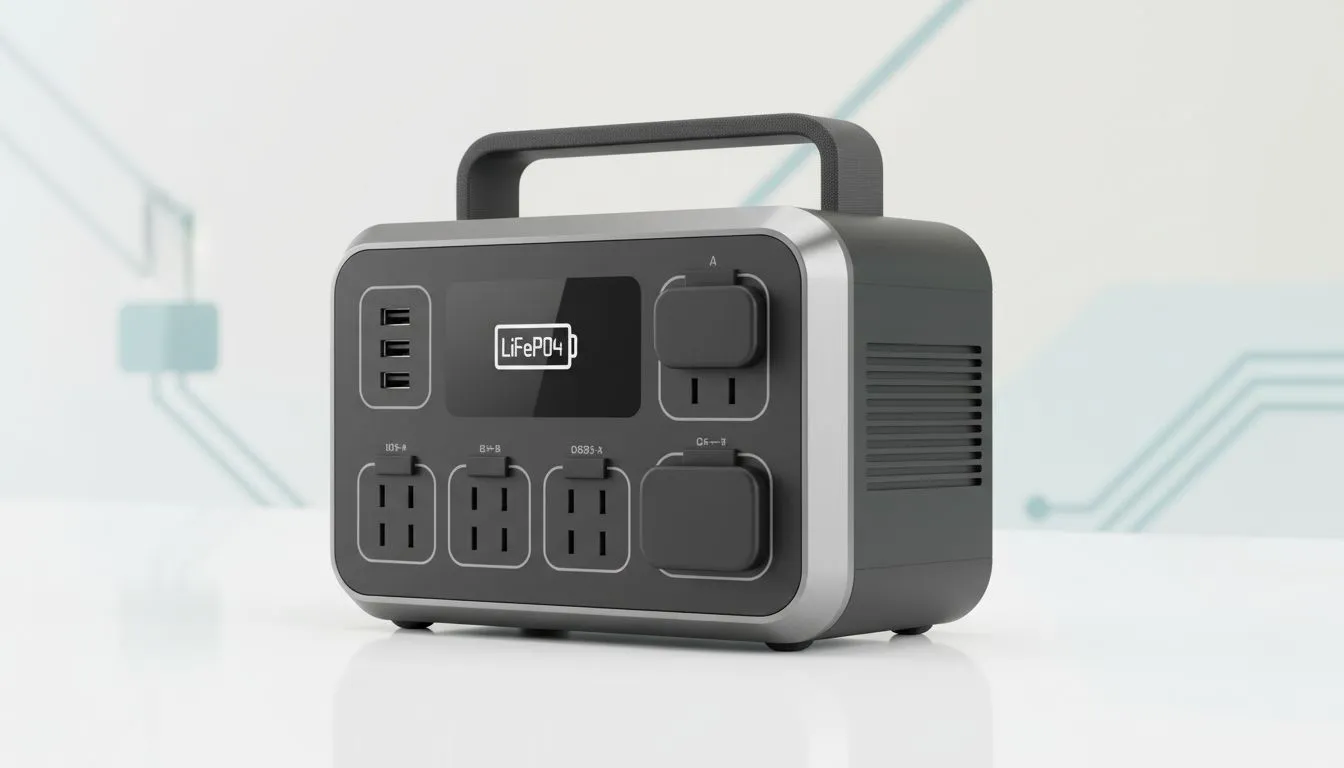
Loadshedding is the ultimate boss fight for South African gamers. You finally sit down for a session, and the lights go out. To keep your rig running, you need a backup. But when browsing, the LiFePO4 vs lithium-ion debate often gets confusing. Choosing the best battery for power stations determines if your gear survives the next few years of rolling blackouts or fails early. ⚡
When we talk about lithium-ion in this context, we usually refer to Nickel Manganese Cobalt (NMC) chemistry. These are the same cells found in your smartphone or laptop. They are incredibly energy-dense... meaning they pack a lot of power into a small, lightweight frame. If you are looking for something portable to throw in a backpack, Promate power banks often utilise this tech to keep things sleek.
However, LiFePO4 (Lithium Iron Phosphate) is rapidly becoming the gold standard for home backup. While slightly heavier, the chemical stability is unmatched. For a stationary setup under your desk, the extra weight is a fair trade for the peace of mind it provides during a heavy South African summer.
The biggest difference in the LiFePO4 vs lithium-ion comparison is longevity. Battery life is measured in "cycles"... one cycle is a full discharge and recharge. Standard lithium-ion batteries typically offer around 500 to 800 cycles before their capacity drops significantly. In a country where we might face three stages of loadshedding a day, you could burn through that lifespan in less than two years.
LiFePO4 batteries are different. They often boast 3,000 to 5,000 cycles. This means your investment could last a decade even with daily use. If you are on a tight budget and just need to keep a router or phone alive, you can find power banks under R500 that serve as excellent stop-gap solutions. But for a full gaming station, the long-term value of LiFePO4 is impossible to ignore.
To extend the life of your lithium-based batteries, try to keep the charge level between 20% and 80%. Avoiding a full discharge prevents chemical stress on the cells... this simple habit can add months of peak performance to your portable power station or mobile backup units.
Safety is a massive factor when keeping high-capacity batteries in your bedroom or office. Lithium-ion (NMC) batteries are more sensitive to high temperatures. If they are punctured or fail, they can experience "thermal runaway." LiFePO4 chemistry is much cooler and more stable... it is significantly harder to ignite, making it the safer choice for high-wattage applications.
Investing in high-quality power banks ensures your peripherals stay powered during long outages without the risk of overheating. If you need a bit more capacity for a gaming tablet or a high-draw mobile device, there are excellent options under R1200 that balance price and safety features perfectly. 🔧
Ultimately, the best battery for power stations depends on your mobility needs. If you want a lightweight solution to carry to a friend's house, lithium-ion wins. But if you want a reliable, safe, and long-lasting heart for your gaming sanctuary, LiFePO4 is the undisputed champion of the South African grid crisis. 🚀
Ready to Beat the Blackouts? Choosing between LiFePO4 and lithium-ion is the first step toward energy independence. For the best deals on backup power and tech in South Africa, Evetech has you covered. Explore our latest power solutions and specials to keep your gaming rig alive when the grid goes dark.
LiFePO4 vs lithium-ion differ in chemistry: LiFePO4 offers better thermal stability and cycle life, while lithium-ion typically has higher energy density.
LiFePO4 batteries for power stations typically deliver far more cycles and longer usable life than standard lithium-ion cells.
Yes. Lifepo4 safety vs lithium-ion favors LiFePO4 due to higher thermal stability and lower risk of thermal runaway.
Li-ion usually wins on energy density, but lifepo4 energy density comparison shows LiFePO4 trades some density for safety and longevity.
LiFePO4 vs li-ion cost: LiFePO4 can be pricier up front but is more cost-effective over time due to longer cycle life.
Yes. Many portable power stations now offer lifepo4 batteries for power stations to deliver longer life and safer operation.
Charging and battery management differ: LiFePO4 charging lifespan benefits from BMS and moderate charge voltages compared with some li-ion chemistries.
Discover surge-protected chargers that users swear by for safety and value 💡 🔌. Backed by real reviews and performance insights 🔋
Read more
- Audit frame gen impact; - Test parry windows; - Recommend fixes. Frame Gen Code Vein 2: Learn how frame generation affects parry timing, tests and practical fixes to keep parries consistent. 🕹️⚡
Read more
Is a Ultra Short Throw Projector Good for Gaming?. Diagnosis steps, proven fixes & when to seek professional help. SA-specific support info included.

Is a Short Throw Projector Good for Gaming? Input. Diagnosis steps, proven fixes & when to seek professional help. SA-specific support info included.

Top Mouse Settings for Competitive FPS: Sensitivity picks evaluated on performance, value & SA availability with current Rand pricing from Evetech.

Top Speakers for MacBook Desk Setup picks evaluated on performance, value & SA availability with current Rand pricing from Evetech.

Is a Ergonomic Chair Better Than a Standard Office Chair for Gaming Detailed answer with SA data, expert analysis & practical recommendations for local buyers.

Use Spotlight Search Like a Pro on macOS. Step-by-step instructions with SA-specific tips, common pitfalls to avoid & expert recommendations.

wireless keyboard Fan Noise Too Loud: Quiet. Everything you need to know with SA pricing, step-by-step instructions & expert recommendations.

Connection Timeout: Troubleshooting Guide #2. Diagnosis steps, proven fixes & when to seek professional help. SA-specific support info included.
Gaming PC Question: Is my power supply dying Detailed answer with SA data, expert analysis & practical recommendations for local buyers.
Projector Throw Ratio Calculator: Perfect. SA-focused analysis with local pricing data, real-world insights & actionable buying advice.
Monitor Stock Levels in Nelspruit: July Report. Current stock data & price tracking for SA buyers. See what is available and where prices are heading.
CS2 Low FPS: Power Supply Bottleneck. Real-world benchmark data, FPS numbers & performance analysis. What SA gamers can actually expect.