

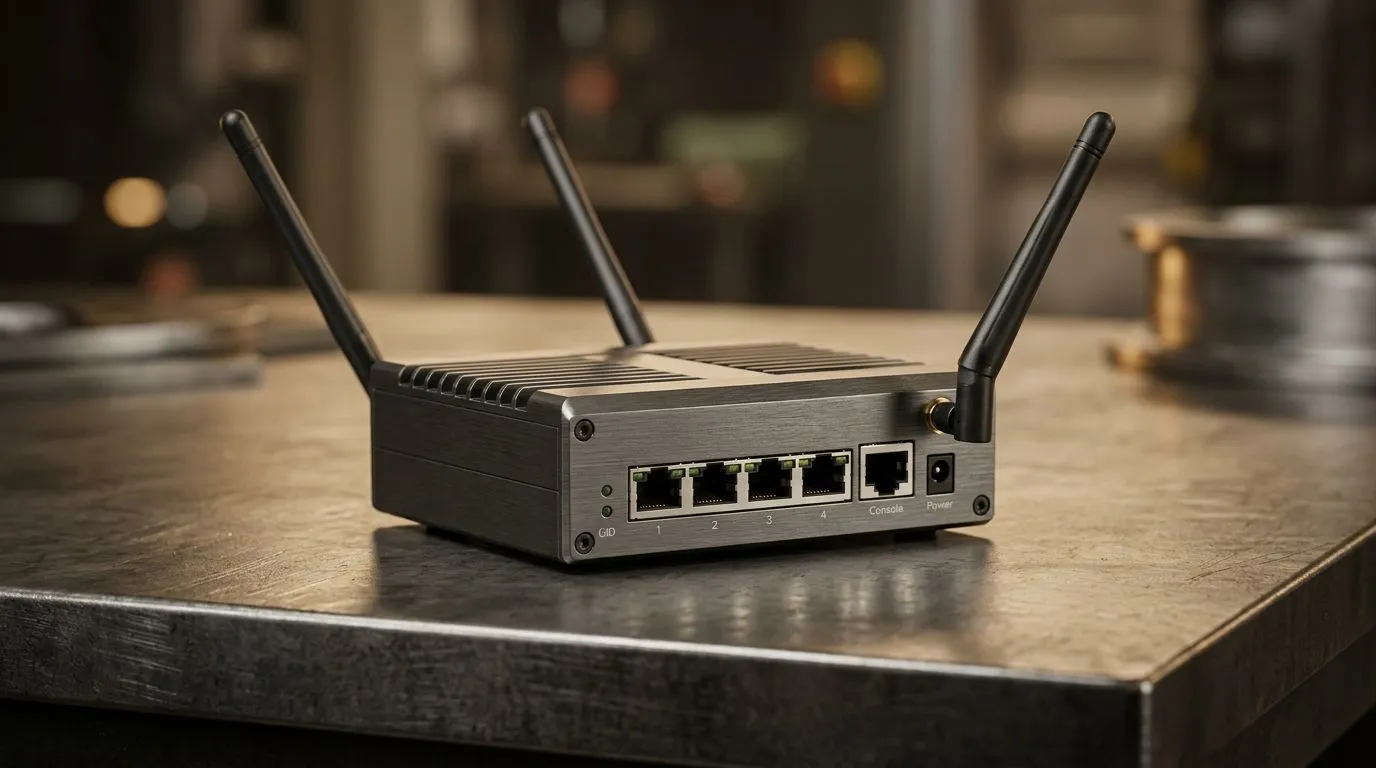
Low power networking devices can quietly save money month after month. That matters in South Africa, where every rand counts and loadshedding still shapes how we buy tech. If your router, switch, or small office network runs all day, efficiency adds up fast. The trick is not buying the cheapest box... it’s choosing gear that stays lean on electricity, lasts longer, and still handles your workload 🔧
Low Power Networking Devices Guide for Lower Running Costs
Why power draw matters in South Africa
A networking device usually does not look expensive. The real cost often hides in the background. A switch or router runs for years, so even a small wattage difference can change your long-term bill. For home users, that may mean less waste. For small businesses, it can mean better margins and fewer headaches.
When you compare networking hardware, think beyond speed alone. Ask how many ports you need, whether you really need managed features, and how much heat the unit produces. Lower heat often means better efficiency and less strain over time. That is especially useful in a warm room or a cramped desk setup ⚡
What to look for before you buy
Start with the basics. Check the port count, speed standard, and whether the device supports the devices you already own. A compact unmanaged switch can be enough for a gaming room, while a small office may need something more flexible.
If you want to browse practical options, start with Evetech’s switch range. It gives you a clean view of current models without scrolling through unrelated gear. If you prefer a specific brand line, this Cudy switch selection makes comparison easier. And if you are shopping within a tighter budget, these switches from around R1,153 help you benchmark what you get at that level.
Smart buying tips that reduce long-term spend
Buy only the ports you need today, plus a little room for growth. Overspending on unused capacity is easy. So is replacing a cheap unit too soon.
Look for features that match your use case. A gaming household may only need stable, low-latency wired connections. A creator working from home might need a switch that can handle more devices without clutter. In both cases, a modestly priced unit that runs efficiently can be more cost-effective than a flashy one with features you’ll never touch.
Budgeting Tip ⚡
If you are choosing between two switches, estimate the real cost over three years. Add the purchase price, likely electricity use, and the chance of replacing it early. The cheaper sticker price is not always the better deal.
A simple example from a real desk setup
Picture a South African gamer with a console, PC, smart TV, and Wi-Fi extender all connected through one small switch. If the switch is noisy, runs hot, or fails after a year, the “saving” disappears fast. A modestly efficient unit with the right port count often makes more sense. It keeps the setup tidy, cuts wasted power, and avoids the frustration of another shopping trip 🚀
Low Power Networking Devices Guide to Smarter Value
The best choice is usually the one that fits your needs closely. Not the biggest. Not the most expensive. Just the one that balances wattage, durability, and price in ZAR. That is the kind of buying decision that quietly pays off every month.
Ready to Find Your Perfect Match? The Mac vs Windows debate is complex, but for maximum power, choice, and value in South Africa, Windows is hard to beat. Explore our massive range of laptop specials and find the perfect machine to conquer your world.











