

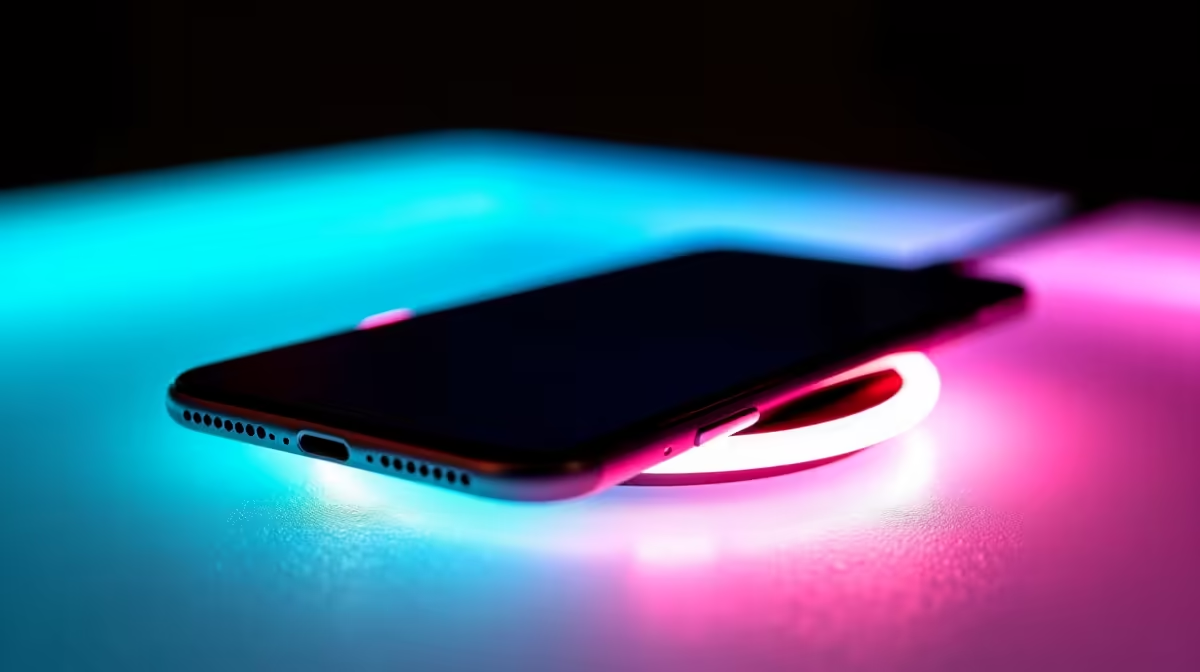
MagSafe vs Qi Wireless Charging: Unpacking the Differences for SA Tech Users
Ever been mid-raid on your favourite game, or just about to catch that crucial news update during load shedding, only to see your phone battery plunge into the red? 😩 Wireless charging has been a lifesaver, cutting the cord and simplifying power-ups. But with MagSafe and Qi leading the charge, which tech truly powers up your South African lifestyle better? Let's dive into the key differences between MagSafe vs Qi wireless charging and help you decide.
What is Qi Wireless Charging? The Universal Standard ⚡
For years, Qi (pronounced "chee") has been the go-to global standard for wireless charging. Developed by the Wireless Power Consortium (WPC), it allows compatible devices – from smartphones to earbuds – to charge simply by placing them on a charging pad. The magic happens through electromagnetic induction: a coil in the charger creates an electromagnetic field, which induces a current in a coil within your device, topping up its battery.
Almost every major smartphone manufacturer outside of Apple (and even many older Apple models) supports Qi. It’s widely available, affordable, and you’ll find Qi charging pads everywhere, from coffee shops to modern car interiors. If you're looking for a broad selection of chargers to keep all your gadgets powered up, exploring a wide range of chargers is a smart move.
Enter MagSafe: Apple's Magnetic Evolution ✨
Apple's MagSafe technology, reintroduced with the iPhone 12 series, is essentially Qi wireless charging with a clever twist: magnets! A ring of magnets embedded in the back of compatible iPhones, along with matching magnets in MagSafe chargers and accessories, ensures perfect alignment every single time. This magnetic connection not only snaps your phone into the optimal charging position but also enables faster wireless charging speeds than standard Qi for iPhones.
MagSafe isn't just about charging; it's an entire ecosystem. It allows for secure attachment of accessories like wallets, stands, and even external batteries, creating a more integrated and versatile user experience. While it uses the Qi standard at its core, the magnetic alignment and additional data communication capabilities make it a distinct and premium offering, especially for those invested in the Apple ecosystem.
Key Differences: MagSafe vs Qi Wireless Charging Explained
When comparing MagSafe vs Qi wireless charging, several factors stand out:
Alignment & Convenience
- Qi: Requires manual alignment to find the "sweet spot" on the charging pad. Misalignment can lead to slower charging or no charge at all, which can be frustrating when you're in a hurry.
- MagSafe: The magnets ensure perfect alignment every time, making it incredibly convenient. Just snap it on, and you’re charging optimally. This magnetic security also means your phone is less likely to slide off the pad accidentally.
Charging Speed
- Qi: For iPhones, standard Qi wireless charging is capped at 7.5W. For Android devices, Qi can go higher, often up to 15W, depending on the phone and charger.
- MagSafe: For compatible iPhones (iPhone 12 and newer), MagSafe delivers up to 15W of power, effectively doubling the speed compared to standard Qi chargers for those devices. This faster charging can be a real time-saver.
Compatibility & Ecosystem
- Qi: Universal compatibility across a vast range of devices from different manufacturers. If your device supports wireless charging, chances are it's Qi-compatible. You can find many affordable charging options that work with almost anything.
- MagSafe: Primarily designed for newer iPhones, though MagSafe chargers will still charge older Qi-compatible iPhones and Android devices at standard Qi speeds (7.5W or less, without magnetic alignment). The full benefits of MagSafe, including faster charging and accessory integration, are exclusive to compatible iPhones.
Cost
- Qi: Generally more affordable, with a massive variety of chargers available at various price points. You can easily find budget-friendly chargers under R500 that get the job done.
- MagSafe: Typically more expensive, both for the official Apple chargers and certified third-party MagSafe accessories. However, the premium price often comes with added convenience and features. For those seeking premium wireless charging solutions, the investment can be worthwhile.
Power Up Your Workspace ⚡
When choosing a wireless charger, consider a stand-style charger over a flat pad. It allows you to keep an eye on notifications, video calls, or even game walkthroughs while your device charges, without needing to pick it up. Many reputable brands like Promate offer excellent wireless charging stands, combining convenience with reliable power delivery.
Which Wireless Charging Tech is Right for You? 🤔
The choice between MagSafe vs Qi wireless charging largely depends on your devices and priorities:
- If you own a newer iPhone (12 or later) and value speed, convenience, and a seamless magnetic experience: MagSafe is likely your best bet. The faster charging and integrated accessory ecosystem offer a superior user experience.
- If you have an older iPhone, an Android phone, or multiple devices from different brands: Qi is the more practical and economical choice. Its universal compatibility means you only need one type of charger for most of your gadgets. You can easily explore various chargers to suit your needs.
- If you're budget-conscious: Qi chargers offer excellent value and functionality without breaking the bank.
Ultimately, both technologies aim to simplify your charging life. MagSafe offers a premium, integrated experience for specific Apple users, while Qi provides broad compatibility and affordability for everyone else. Consider your existing tech, how you use your devices, and your budget to make the best decision for your setup.
Ready to Cut the Cord? Whether you're an Apple enthusiast or championing Android, the convenience of wireless charging is undeniable. Explore Evetech's massive range of chargers and find the perfect wireless solution to keep your devices powered up, no matter what your South African day throws at you!











